Commercial Electrical Load Testing for Safety
At Kord Electric, we take commercial electrical load testing seriously because it helps protect people, equipment, and the bottom line. In our work across commercial and industrial facilities, we see how electrical systems can look fine on paper while behaving dangerously in real life. Therefore, we test under real load so we can spot overheating, voltage sag, overloaded circuits, and hidden weaknesses before they turn into downtime or costly repairs. And yes, skipping this step can be like ignoring smoke alarms because the last fire was years ago. We will keep the lights on the right way, with clear results and practical next steps.
Why load testing keeps facilities safe and stable
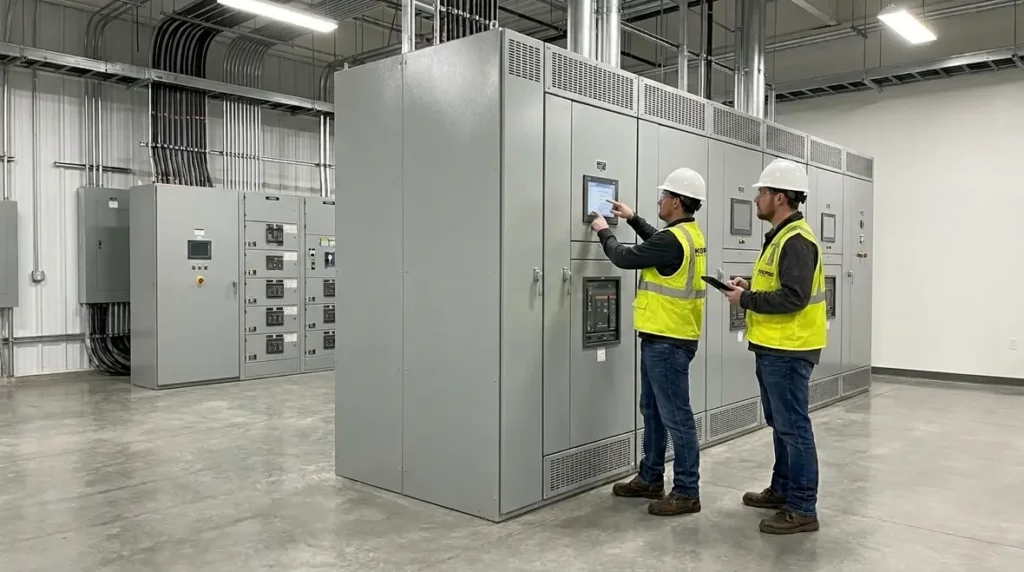
Safety does not start at the breaker panel. It starts when electrical loads actually run the way they do during a normal workday. When we perform commercial electrical load testing, we measure how power behaves while systems draw current. Then we compare those results against what the facility needs. As a result, we reduce the chance of faults that grow quietly over time.
We also protect the people inside major property buildings. In commercial and industrial spaces, electrical problems can escalate fast, especially around motor-driven equipment, HVAC systems, elevators, and production lines. Consequently, the goal is not just to avoid a shock or a fire. The goal is to prevent the chain reaction that begins with weak connections, deteriorated bus bars, or aging components.
Our technicians explain the “why” behind each reading. For example, they show how excessive current can cause heat, and how heat accelerates insulation breakdown. In other words, we do not just hand over numbers. We translate those numbers into safety outcomes that facility managers can act on.
What load testing reveals that inspections miss
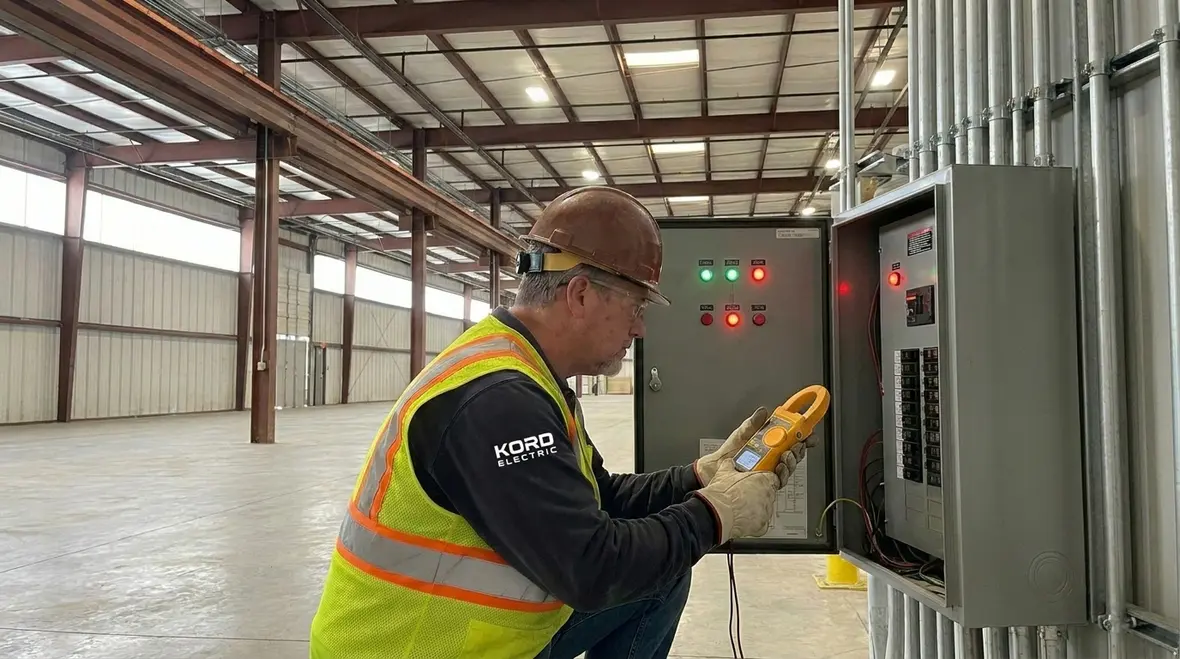
Many people assume an electrical inspection means the system is healthy. However, inspections often tell us what equipment looks like, not what it does under load. Then the real story shows up during operation. During commercial electrical load testing, we capture performance while equipment is running, which helps us find issues that remain invisible when nothing is drawing power.
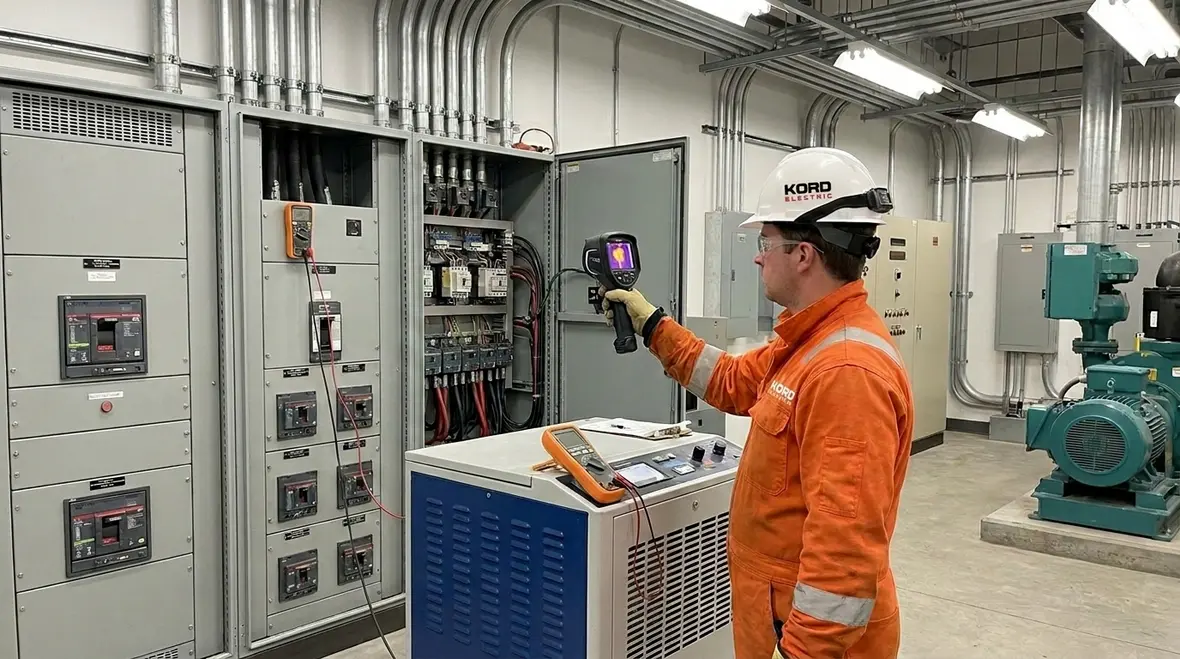
Common findings include poor terminations, abnormal voltage drop across feeders, unbalanced phases, and signs of overload where the system has drifted away from its original design. Also, load testing can expose problems with distribution equipment that behave fine at light demand but fail when the facility reaches peak needs.
And if you are wondering whether this is “overkill,” consider this pop culture comparison. The plan is like checking the coffee maker after it starts leaking. Sure, you can stare at the machine all day, but the leak only shows up when the brew cycle begins. Likewise, we test when the electrical system is in motion.
Voltage fluctuations and how testing connects the dots
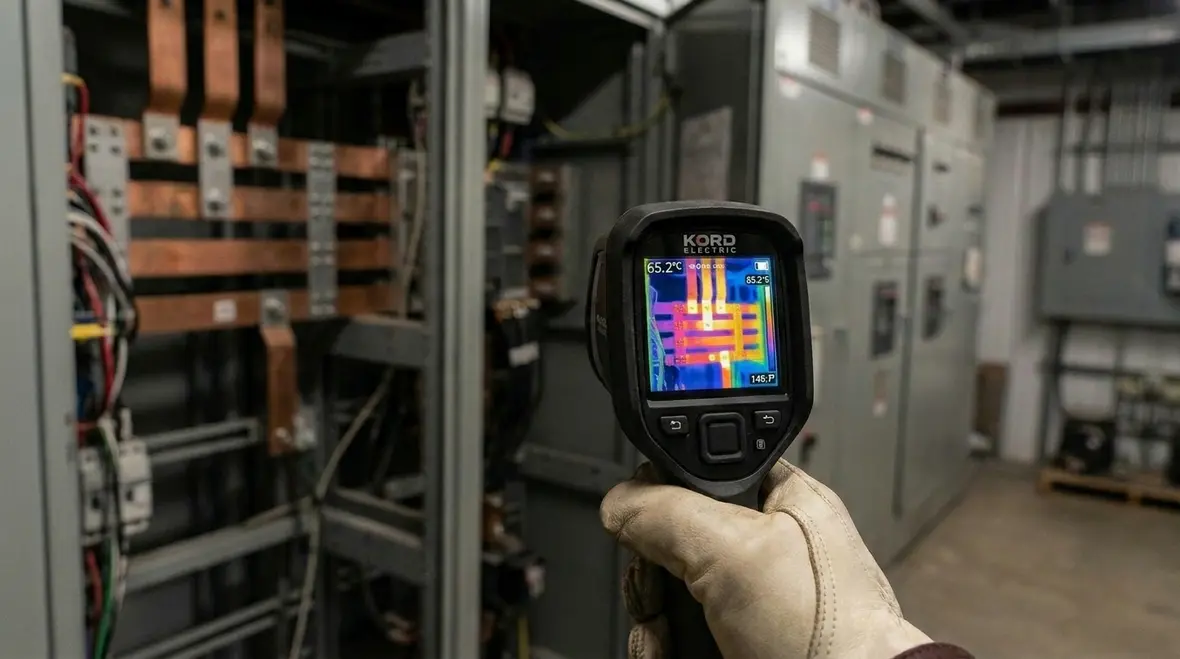
One of the most common operational complaints in commercial and industrial facilities involves flicker, inconsistent equipment performance, and nuisance alarms. Those symptoms often link back to voltage fluctuations. In our experience, the fastest way to understand what is happening is to test load behavior and observe how voltage responds when real currents move through the system.
If a facility sees unstable voltage, sensitive loads can suffer first. Then motors, drives, and control systems start to behave unpredictably. That unpredictability leads to shortened equipment life and unexpected shutdowns. Therefore, our team works with both measurements and field context to connect the dots between load and power quality.
For example, we frequently reference the same themes described in our guide on voltage fluctuations in commercial and industrial settings. We look for causes like uneven loading, feeder resistance, transformer stress, and loose connections. After that, we recommend targeted repairs or upgrades instead of random guesswork.

How our process works on commercial and industrial sites
We built our approach for major property buildings and industrial operations, not for small residential work. That focus matters because commercial systems run heavier loads, more complex distribution, and tighter schedules. Accordingly, we plan the test to match your operating realities.
First, we review your one-line diagrams, panel schedules, and recent maintenance history. Then our technicians walk the facility and confirm where loads and protective devices operate during peak demand. After that, we coordinate timing so testing does not disrupt critical operations.
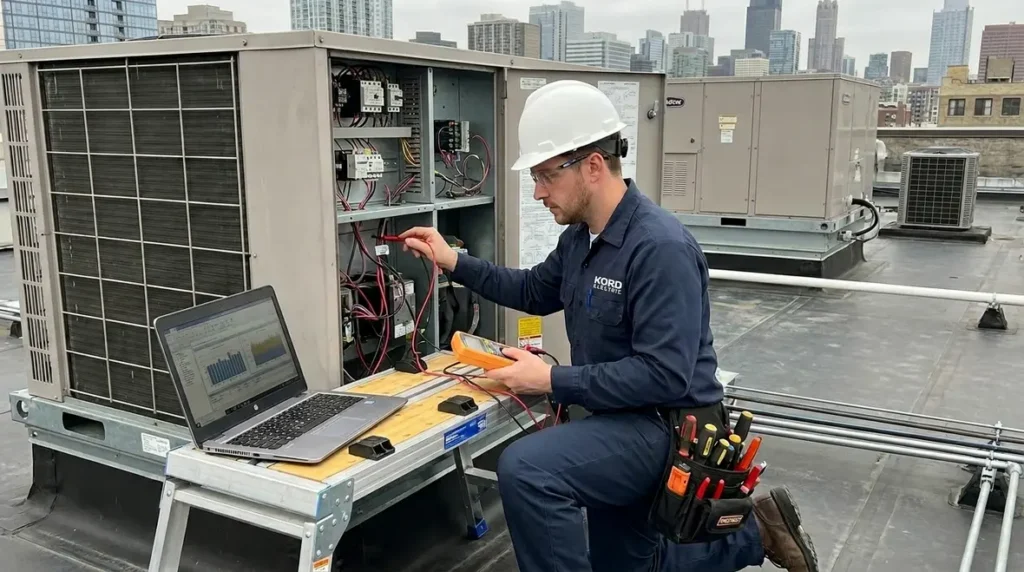
Next, we run the commercial electrical load testing with proper instrumentation and load profiles that reflect real conditions. As we collect data, we check for voltage stability, current draw, and abnormal imbalance. Then we interpret the findings in plain business language, so your team understands what the system is doing and what it will likely do next.
Finally, we deliver a clear report with recommendations. We prioritize actions that reduce risk first, then we address efficiency and long-term reliability. In other words, our deliverables help you plan work with confidence, not stress.
Why technicians explain results instead of hiding behind jargon
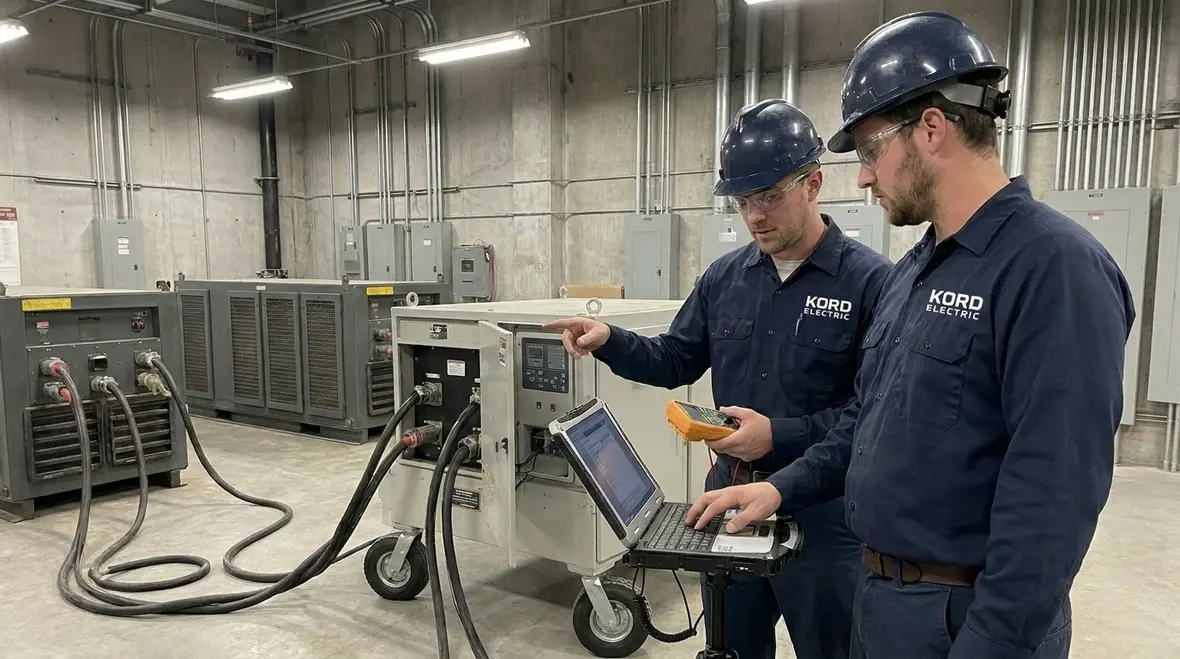
We believe testing should come with understanding. So our technicians and expert service staff explain what they see and what it means for your facility. That matters because electrical issues do not stay in a report. They show up in production delays, comfort complaints, and maintenance emergencies.
When our team talks through the results, we connect them to real equipment risk. For instance, we explain how sustained voltage drop can increase motor stress, which can lead to premature failure. We also describe how poor connections can create hot spots, which can eventually damage bus bars and breaker components.
And yes, we sometimes get the “Just tell me if we are safe” request. We get it. Nobody wants a lecture. So we balance clarity with detail. We tell you the safety picture first, then we provide the technical support your engineers or facility managers may need.
Commercial and industrial outcomes that protect budgets and uptime
When we perform commercial electrical load testing well, we protect more than safety. We protect uptime. We protect maintenance schedules. And we protect budgets by preventing expensive failures.
Consider the cost of an unexpected shutdown. It rarely stays small. A single electrical fault can cascade into HVAC downtime, production loss, inventory delays, and emergency labor. Therefore, finding weak points before they fail creates direct value.
Load testing also helps with risk planning. When facility owners see real performance trends, they can justify upgrades and repairs with confidence. Plus, we help teams avoid overspending on parts that do not address the true problem. It is like replacing a whole smartphone because a single app crashes. Sometimes it is needed, but often it is not.
For major property buildings and industrial facilities, we also support compliance readiness. Many stakeholders expect documented, practical evidence of electrical performance. Our reports give you a foundation for internal reviews and vendor coordination.
If you are already exploring system upgrades, you can connect load test findings with broader planning, including insights from resources like our rewiring cost guide for commercial electrical systems and our article on hidden electrical risks in commercial buildings. Together, they help translate test data into smarter capital projects instead of reactive spending.
Dual column guide to what we check during load testing
What we observe
Voltage stability under real operating demand
Current draw across key feeders and distribution paths
Phase balance and signs of abnormal loading
Voltage drop trends during peak demand
What it helps prevent
Overheating in terminations and bus systems
Motor stress, drive failures, and control issues
Unexpected nuisance trips and power quality complaints
Hidden weaknesses that cause repeat outages
FAQ: Commercial electrical load testing for safety
Ready to protect your facility’s power and uptime?
If your commercial or industrial operation relies on steady power, Kord Electric can help you test it the right way. We bring expert technicians, clear explanations, and a practical approach designed for major property buildings. Contact us to schedule commercial electrical load testing, review voltage behavior, and get recommendations that reduce risk and improve reliability. Let us turn electrical uncertainty into a calm, measured plan. Because in our world, the lights stay steady and the surprises stay small.
For facilities that need an ongoing, program-level approach, our electrical preventive maintenance services tie commercial electrical load testing, documentation, and corrective work into a single strategy. That way, you are not just fixing problems after they appear. You are building a safer, more reliable system year after year.
If your team is already seeing flicker, nuisance trips, or unexplained shutdowns, you can also explore our dedicated guide on voltage fluctuations in commercial and industrial facilities to understand how power quality and loading work together across your site.