Commercial Electrical Load Testing for Safety
Why commercial electrical load testing keeps commercial sites safe
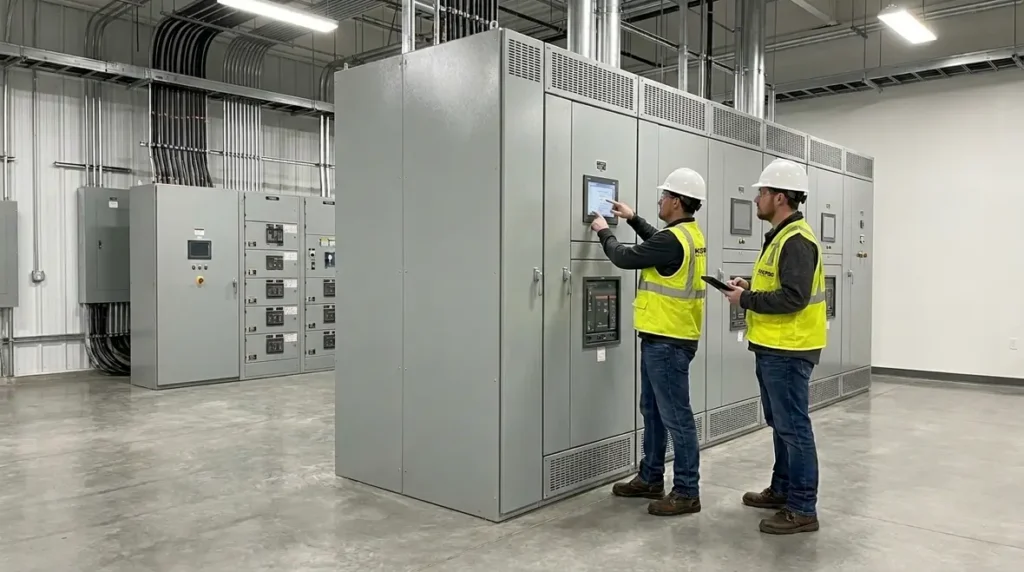
At Kord Electric, we start with commercial electrical load testing because safety does not happen by accident in electrical systems. In the first phase of our work, we check how your power behaves under real conditions, not just on paper. Then our technicians document what they find, so decision makers can act with confidence. And yes, we explain it in plain language, because nobody wants a “mystery hum” turning into a big headline.
From this point forward, we focus on safety for commercial and industrial facilities and major property buildings only. We do not treat small jobs like a hobby. Instead, we treat your electrical performance like it matters, because it does.
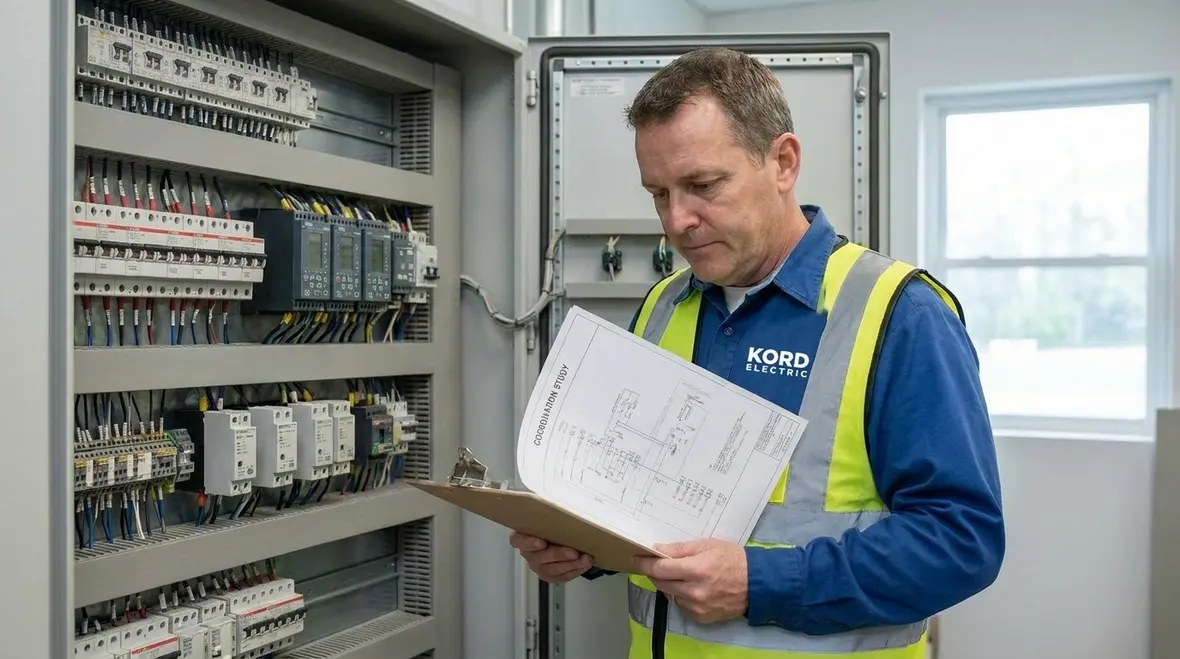
What load testing reveals that simple checks miss
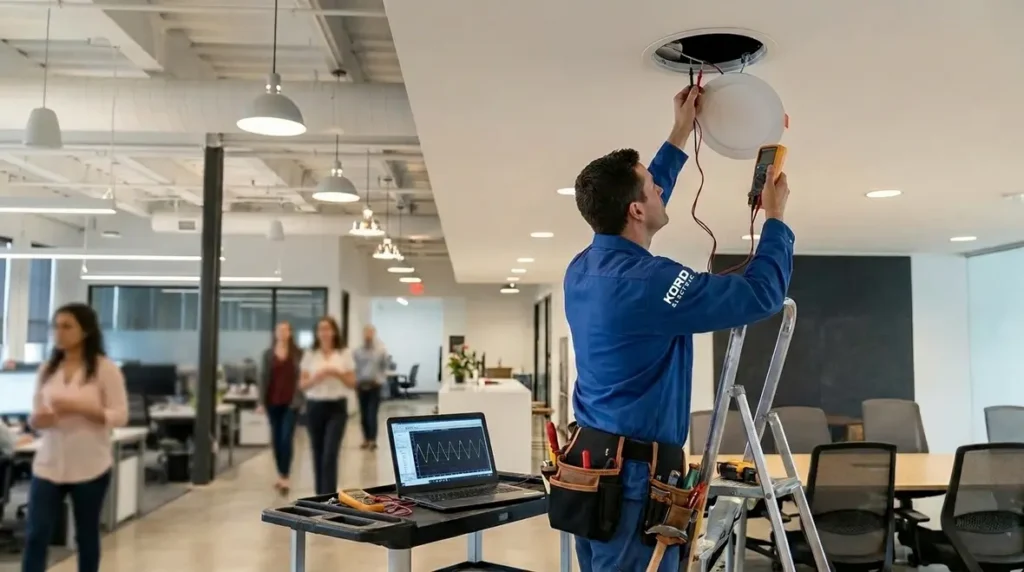
Many people think an electrical system is fine if the lights turn on. However, power quality and load behavior tell a different story. During commercial electrical load testing, we apply controlled load and observe how voltage, current, and protective devices respond. As a result, weak links show up sooner, before they cost you downtime.
For example, a panel may look normal during idle conditions. Yet when loads rise, the voltage can sag, connections can heat up, and breakers can behave unpredictably. Consequently, what looked “okay” becomes a safety risk. At Kord Electric, our expert service staff walks you through the cause and effect, so you understand not only what we measured, but why it matters for your building.
And let us be honest, electrical troubleshooting can feel like trying to find a missing remote in the couch. But instead of guessing, we test. We verify.
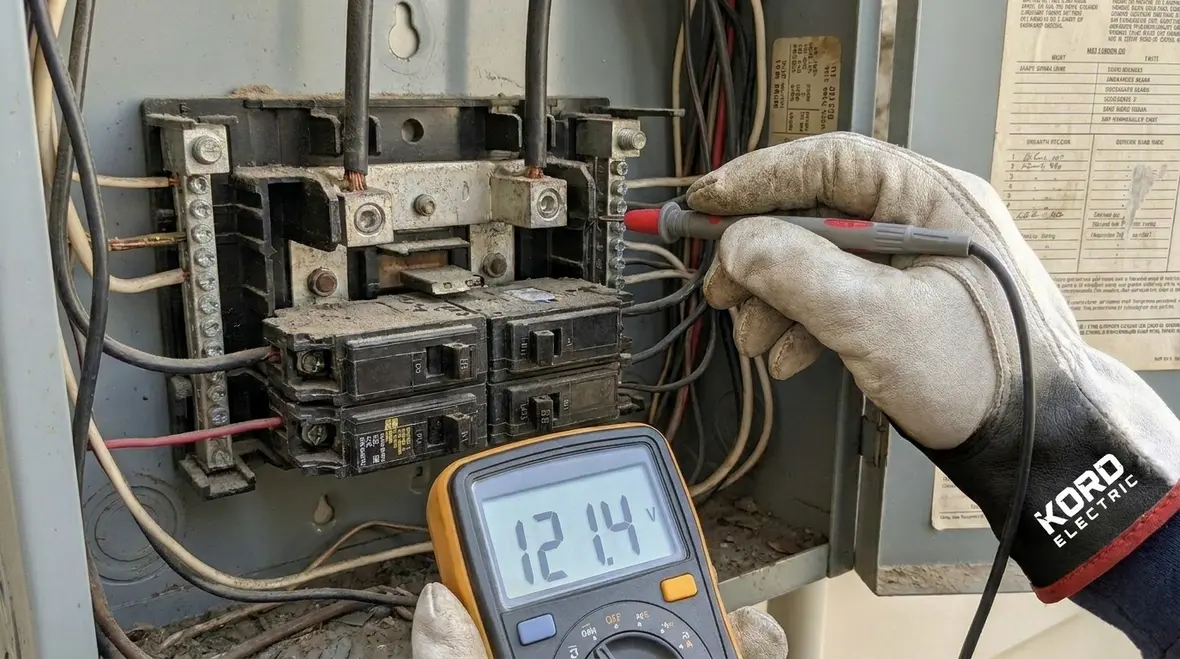
Safety begins with real load conditions
When crews work around electrical equipment, they face hazards that increase under stress. Load does not just move power; it moves heat, torque, and risk. Therefore, our team performs load testing to confirm that the system can handle expected demand without creating dangerous temperatures or excessive stress on components.
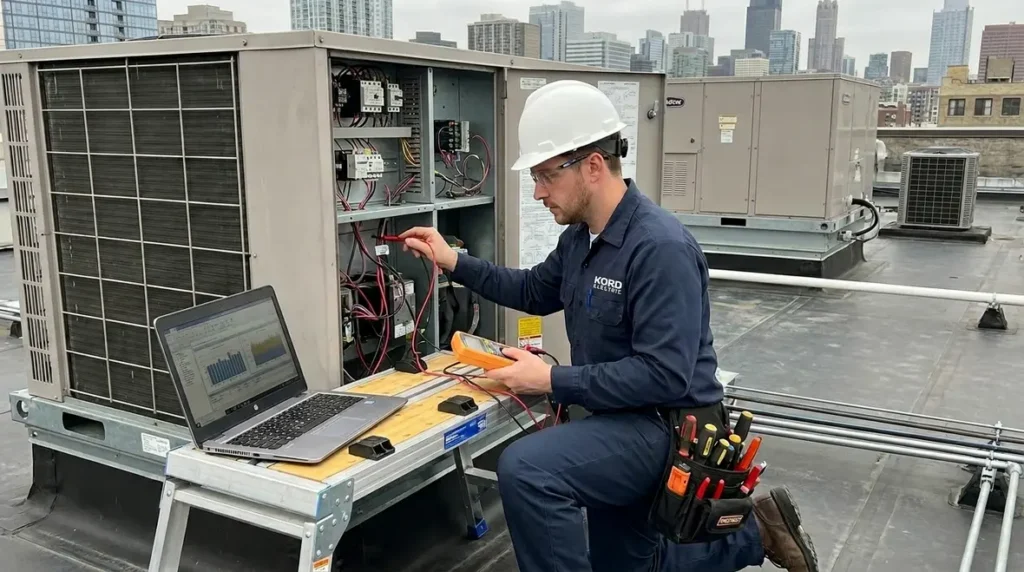
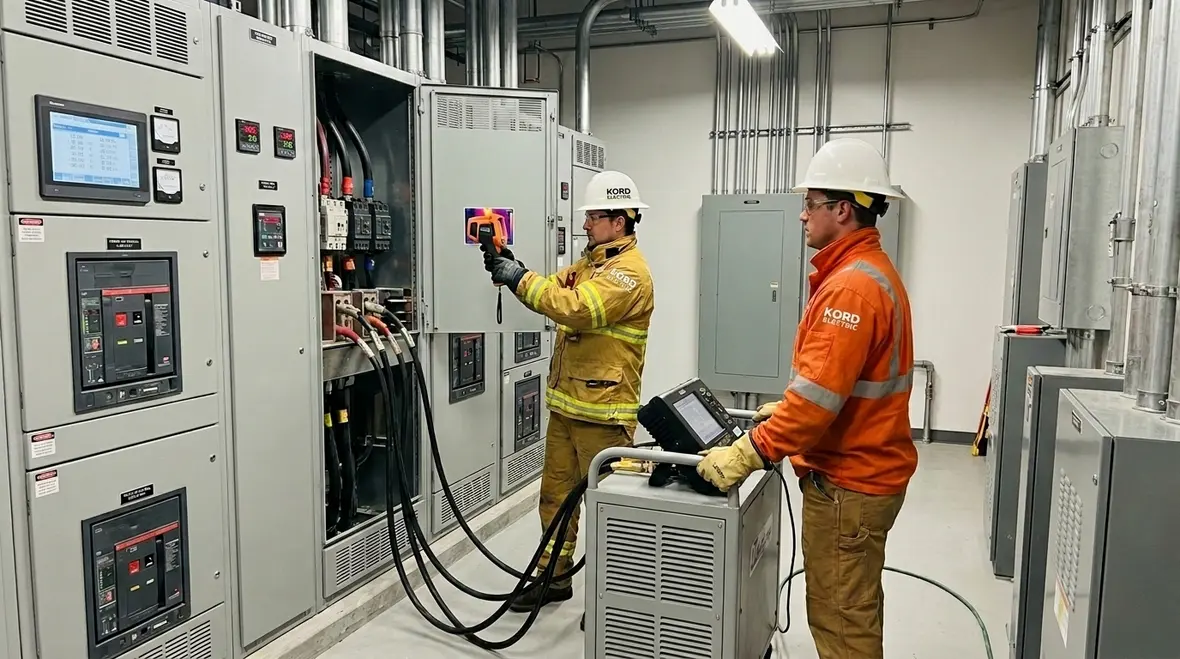
As we run the test, we look for indicators of overheating, abnormal voltage drop, and unusual current patterns. Additionally, we check the behavior of switches, distribution gear, and feeders as they carry the load. If something fails to perform correctly, we flag it and recommend next steps.
This is where our process stays calm and methodical. Our technicians do not rush. They verify. They document. Then they explain what the numbers mean in a way that helps facility managers make decisions quickly.
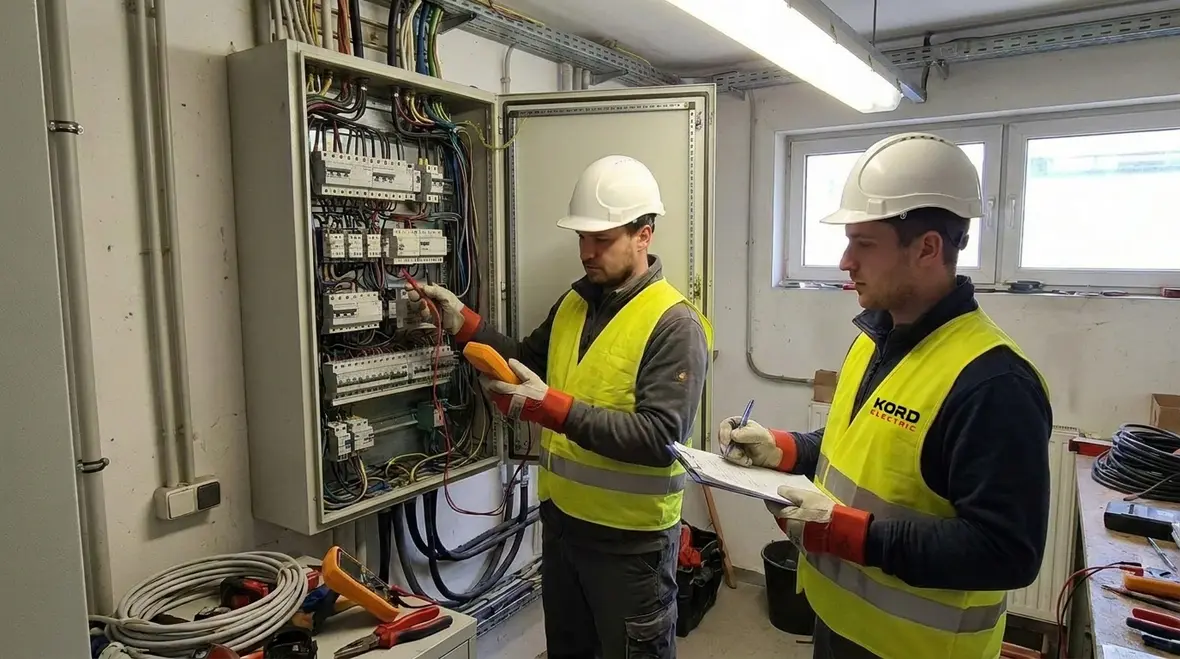
How voltage fluctuations and load stress connect in commercial buildings
Voltage problems rarely stay quiet in commercial and industrial facilities. They tend to show up when load changes, equipment cycles, or demand spikes during peak operations. We address this connection by referencing how voltage fluctuations affect equipment reliability, especially in commercial and industrial environments.
In our resources, we highlight how voltage fluctuations can cause motors to run less efficiently, shorten equipment life, and increase wear on sensitive devices. You can read more through our page on voltage fluctuations for commercial and industrial, which explains how these changes can impact performance and safety.
Now, here is the key point. When we run load tests, we observe voltage under stress, not just voltage during quiet times. So, if your system already struggles with stability, load testing will help reveal it. Then, we can help you prioritize the right corrections, such as addressing loose connections, improving distribution, or reviewing grounding and bonding where needed.
Because in a major property building, one “small” voltage issue can become a cascade of complaints. And nobody wants that. Not your tenants, not your maintenance team, not us.
Protective devices, coordination, and fault readiness
Safety depends on more than measuring performance. It also depends on protection that behaves correctly when something goes wrong. In other words, protective devices must trip when they should, and they must not trip when they should not. We help our clients confirm that behavior through testing and careful analysis.
When loads increase, current increases. Thus, we verify that breakers, fuses, and protective relays respond within expected limits. If a protective device does not coordinate properly, the result can be more damage during a fault event. Furthermore, it can slow down restoration and increase the risk to workers and occupants.
Our technicians handle this with disciplined steps. We compare what we see during load conditions to the expected design. Then we communicate what we find, and we recommend actions that fit commercial and industrial operations.
Think of it like this. If your electrical protection is a bouncer at a club, then a load test is when the line gets long and the music gets loud. We want the bouncer to react fast, calmly, and correctly, not freeze like it just heard a weird joke at karaoke.
How we plan, test, and report for major buildings
At Kord Electric, we follow a structured approach built for commercial and industrial schedules. First, we plan the testing around your operating times, so your team can keep running. Next, we review your electrical one lines and equipment details to understand what the system is supposed to do. Then, we coordinate with on site stakeholders, including electricians, facility managers, and electrical contractors when needed.
Once we start, we apply load in a controlled manner and observe key metrics in real time. We also examine results for patterns that point to hidden issues such as poor connections, distribution imbalance, or equipment fatigue. After the testing, we produce a clear report that helps you act.
In our reports, we do not bury the important parts. We highlight what needs attention, what is currently within acceptable performance, and what could become a safety risk if ignored. And just as importantly, our expert service staff explains the report in a way that supports practical decisions.
Because when safety is on the line, “we’ll figure it out later” is not a plan. It is a gamble.
Common issues we uncover during electrical load testing
Every commercial and industrial facility has its own habits, growth cycles, and upgrade history. Still, load testing tends to uncover recurring themes. We often find items that do not show up during low load periods, and that is exactly why this work matters.
- Loose connections at bus bars, breakers, and terminations that heat up under load
- Voltage drop across feeders that affects motor performance and sensitive equipment
- Distribution imbalance that can overload one phase and stress components
- Protective device mismatch that can cause nuisance trips or slower fault response
- Equipment wear that shows up as abnormal current patterns over time
Then we connect the findings to safety and reliability. We do not treat the symptoms like they are the disease. Instead, we help you address the root cause so you can avoid repeat problems and unnecessary downtime.
And yes, we sometimes find issues that make teams say, “How did this last this long?” The answer is usually simple. The system held together at low demand. But once conditions changed, the risk showed up. That is why we test.
FAQ
Request safety-focused load testing from Kord Electric
If you run motors, host critical tenants, operate manufacturing equipment, or manage a major property building, then electrical safety deserves more than guessing. Kord Electric performs load testing with disciplined planning, clear reporting, and expert explanations from our technicians. As a result, you gain the facts you need to reduce risk, protect equipment, and prevent avoidable downtime. Contact us to schedule an assessment and discuss your building’s electrical demands. We will help you move forward with confidence, not hope.
If you are looking to go even deeper on stability and power quality in your system, explore how we address voltage fluctuations in commercial and industrial facilities and how structured electrical preventive maintenance supports safer long term operation for large properties.
For facility leaders who want load testing to fit inside a broader safety and reliability plan, our electrical preventive maintenance services help align inspections, testing, and documentation with your operational and compliance goals.