Commercial Electrical Load Testing for Safety
At Kord Electric, we take commercial electrical load testing seriously, because safety is never a “later” job. In the first phase of any solid electrical safety plan, we test how your system behaves under real working conditions, not just under a polite little idle state. As our technicians and expert service staff explain to decision makers, power systems can look fine on paper and still behave badly when the building turns on the lights, pumps, elevators, and HVAC all at once. In other words, the electricity stops “acting” and starts telling the truth. And when that truth includes overheating, voltage drop, or hidden stress, we help others fix it before it becomes downtime, risk, or a very expensive surprise.
Why load matters for commercial and industrial safety
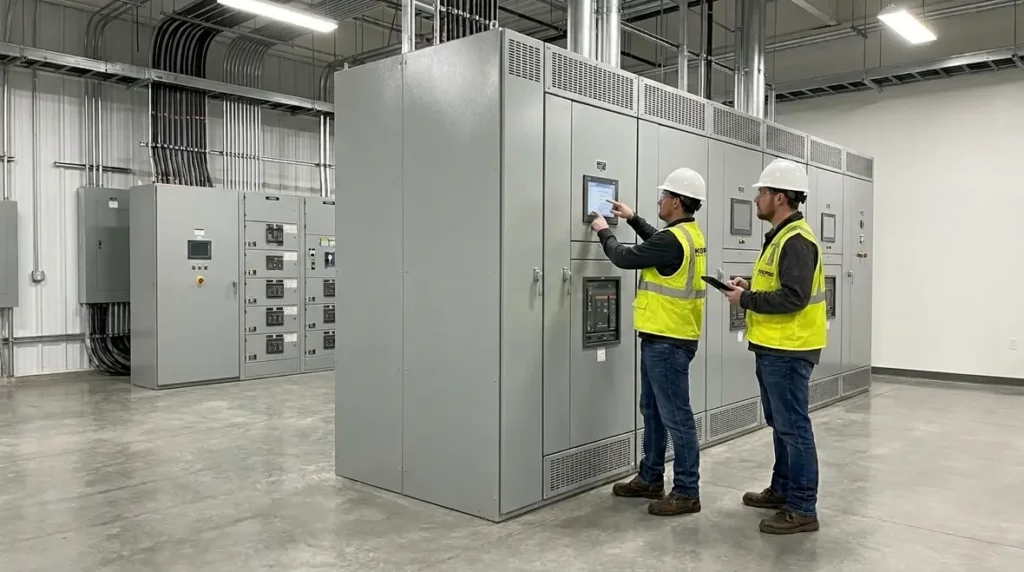
Commercial and industrial facilities rarely run at a steady load. Instead, they swing across the day, across shifts, and across seasons. Consequently, the only way to understand real performance is to measure it while the equipment is actually operating. During commercial electrical load testing, we evaluate how circuits and components handle current demand, how quickly voltage shifts, and whether protective devices behave as designed.
Here is the calming but firm truth: electricity does not fail politely. It overheats quietly, ages faster than it should, and then one day the equipment throws a fit. Our expert service staff often says the same thing during site walks: “If you wait for symptoms, you are already late.” And yes, that is less romantic than saving money, but it is also less dramatic than a facility-wide shutdown. Like a pop culture villain, electrical problems do not announce themselves with a soundtrack. They just arrive.
How we perform load testing that reflects real operations
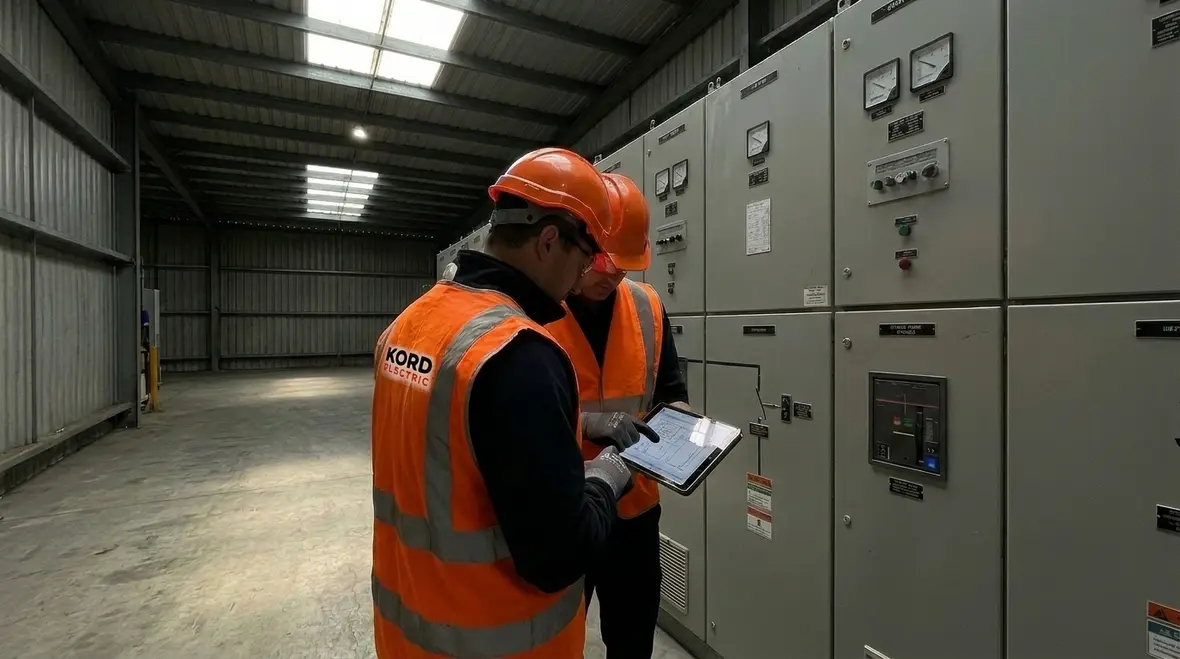
We do not treat load testing like a box to check. Instead, we align the test with your actual operating profile. First, our technicians review the facility layout, equipment lists, and historical issues where available. Then we plan the timing so the test reflects the conditions that matter most to your operations, like peak demand windows or shift changes.
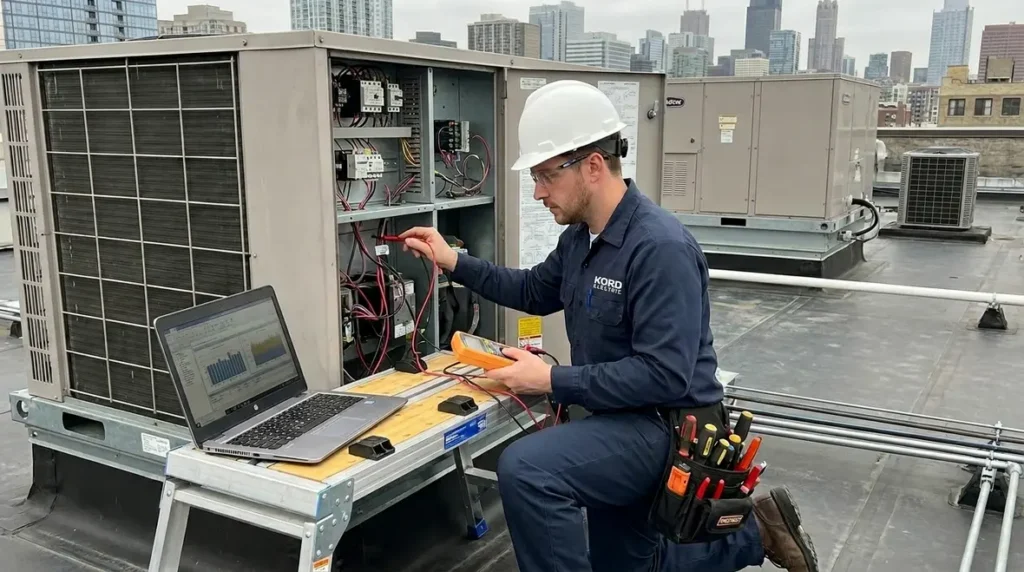
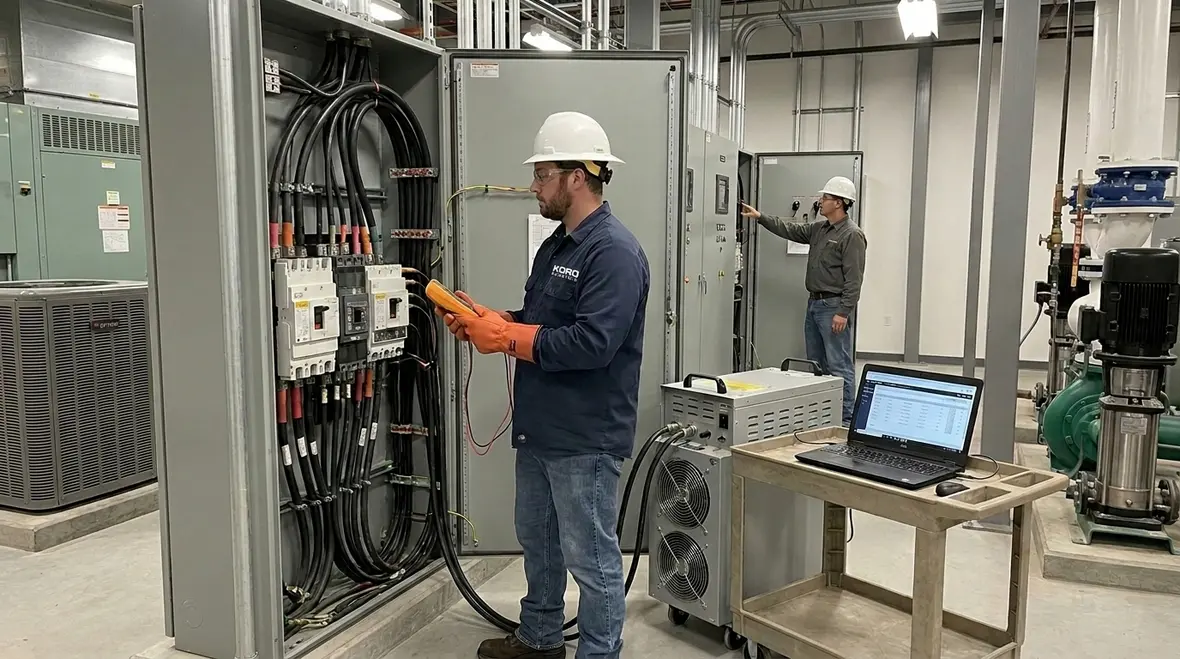
After that, we use controlled testing methods to apply and measure load response at appropriate points in the electrical system. We observe voltage regulation, current draw, and temperature indicators where appropriate, and we watch for signs that parts of the system struggle under stress. Additionally, we verify how the system responds as demand increases, which helps us spot weak links early.
Because commercial and industrial buildings often include sensitive loads, we pay attention to power quality effects that can travel farther than people expect. For example, steady voltage might still mask problems like excessive drop during transients. Therefore, our process aims to show not only “Is it on” but also “How is it behaving when it is really busy.”
Voltage stability, load response, and the hidden risks
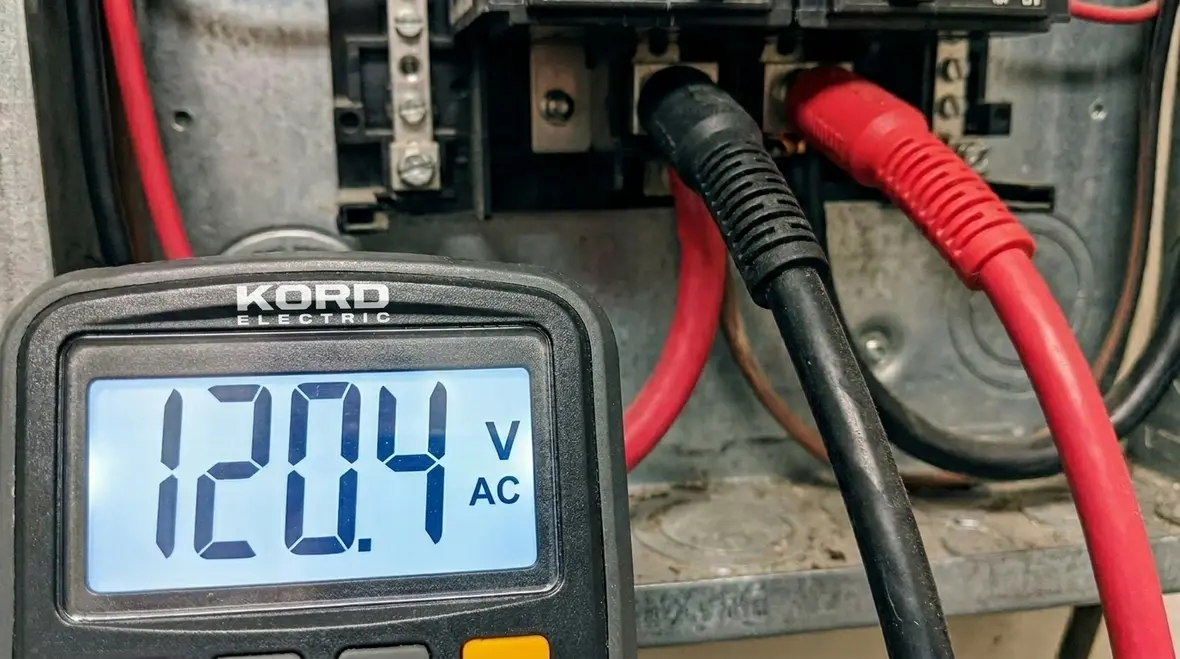
When voltage fluctuates, the effects often show up in places you might not immediately connect. Motors can run hot, controls can act unpredictably, and transformers can wear faster. If a system repeatedly sees instability, it can damage insulation and reduce the lifespan of major equipment.
We regularly reference the kind of issues discussed in our guidance on voltage fluctuations in commercial and industrial facilities, because those patterns connect directly to how load testing findings should be interpreted. For example, a building can experience voltage sag when demand spikes, or it can see irregular variations tied to utility conditions or internal system impedance. As a result, equipment may survive the moment and still accumulate wear over time.
To keep this practical, our technicians help others connect symptoms to causes. They explain how voltage stability influences motor starting, how wiring and connections impact drop under load, and how system design choices affect performance during peak demand. In short, we do not just deliver a test report. We help people understand what the numbers mean for their facility, their staff, and their budget.
Protective devices should trip for the right reasons
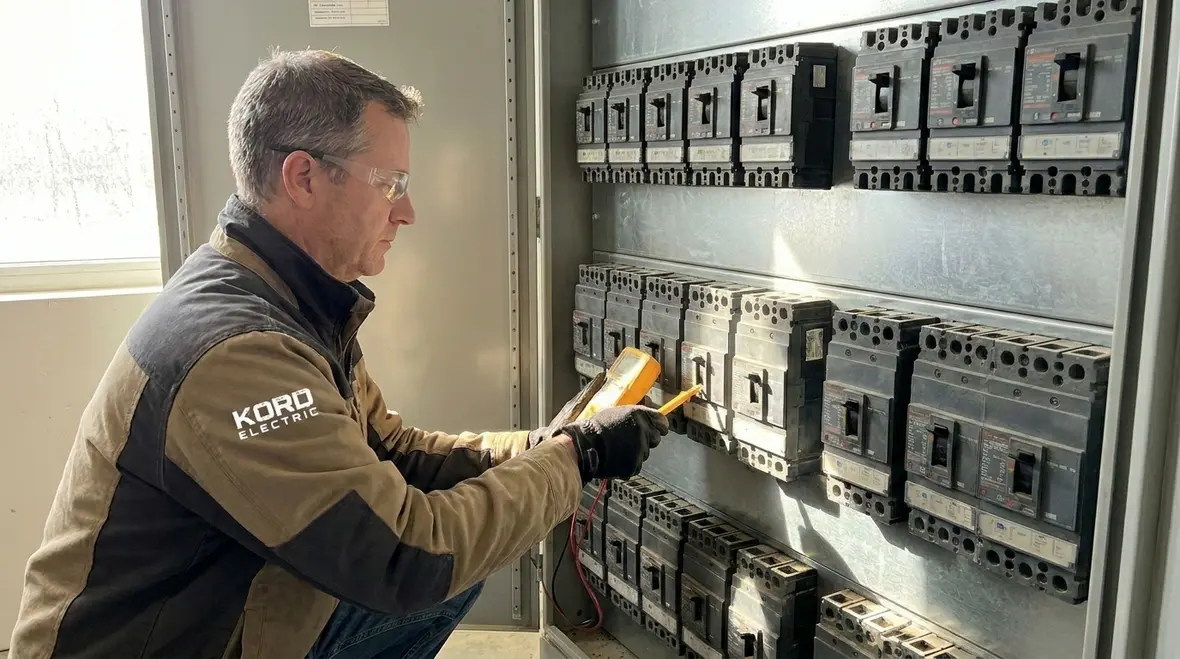
Safety depends on protection that works reliably, not protection that works only in theory. During load testing and related inspection work, we look at whether protective devices respond appropriately to the conditions they are meant to handle. That includes how breakers and fuses behave under load stress and whether protective coordination stays intact.
Here is the scenario we want to prevent. A facility experiences a fault, and the protection does not act as expected. Maybe the breaker hesitates because of set points that do not match actual conditions, or maybe connections and components already degraded. Then the fault turns into an incident instead of a controlled event.
Therefore, our expert service staff combines measurements with a safety mindset. They also explain findings in straightforward terms: what needs correction, what can wait safely, and what could escalate. We keep the focus on commercial and industrial properties, where the stakes involve uptime, compliance expectations, and protecting people who rely on the building every day.
What load testing reveals in commercial buildings
Every facility has its own “personality” when it comes to electrical demand. Still, load testing commonly reveals patterns that owners and managers can actually act on. We frequently identify issues such as voltage drop in feeder lines, imbalance between phases, overheating in connections, and uneven performance that shows up only under load.
In addition, we can help others detect problems that do not always appear during routine maintenance. For example, a system might look acceptable at light load, but as demand rises, the performance falls off. That is why we place emphasis on testing at operating conditions that mirror your real business schedule.
We also look for signs of aging and stress that can lead to future failures. Because the goal is safety, we prioritize findings that affect heat, stability, and protection. And yes, in case you are wondering, we have heard every joke about “waiting until the breaker gets dramatic.” We do not recommend that approach. It is like trying to manage a fire by complimenting the smoke.
Reporting that helps decisions, not just documentation
A test without clear interpretation does not protect anyone. After we complete load testing work, we produce a report that translates electrical measurements into actionable recommendations. We also share the reasoning behind each finding, so your team understands what changed, what it means, and what comes next.
Our technicians take care to communicate in a business friendly way. For example, they explain risk in practical terms: where the system shows strain, what components appear impacted, and how that connects to voltage stability and load response. Then we outline options for correction, scheduling, and follow up.
Moreover, we coordinate with facility leadership so recommended next steps match operations realities. We build plans that reduce disruption, because commercial and industrial buildings do not pause their work just because the calendar says it is “testing time.” For many properties, that plan also includes broader reliability work, such as electrical preventive maintenance and ongoing monitoring programs that keep small issues from turning into large outages.
How commercial electrical load testing fits into long-term maintenance
Commercial electrical load testing works best when it is part of a structured plan, not a one-time experiment. In many facilities, the most effective approach combines periodic load testing with a preventive maintenance program so that issues identified in testing are actually resolved and tracked over time.
In practice, that means using test results to shape tasks like tightening terminations, balancing loads across panels, cleaning or replacing aging components, and confirming that corrective work actually improved performance. This is the difference between a stack of reports in a drawer and a living maintenance strategy that protects uptime.
For organizations that operate large campuses or complex industrial facilities, pairing commercial electrical load testing with a formal commercial and industrial electrical maintenance plan creates a clear rhythm: test, act, verify, and repeat on a schedule that matches risk and operations. That rhythm keeps safety at the center while giving leadership predictable, data-backed decisions about where to invest next.
FAQ about commercial electrical load testing
Schedule your safety check with Kord Electric
If your facility relies on steady power, then commercial electrical load testing deserves a real plan, not hope. At Kord Electric, our technicians and expert service staff perform testing that mirrors your operating conditions, so you can spot risk early and protect people and equipment. We serve commercial and industrial facilities and major property buildings, and we deliver clear recommendations you can act on. Contact us today to plan your next assessment and keep your electrical system calm, reliable, and in control.
For properties where testing uncovers deeper issues—such as recurring voltage instability or equipment that runs hotter than it should—we can also coordinate targeted support, from voltage fluctuation troubleshooting to full electrical preventive maintenance services. And when reliability concerns rise to the level of immediate risk, our dedicated emergency electrical services team is available to stabilize systems and restore safe operation.
Whether you are planning your first round of commercial electrical load testing or formalizing a long-term maintenance strategy for multiple buildings, Kord Electric can help align safety, uptime, and budget into one clear roadmap.