Commercial Electrical Load Testing for Safety
Why commercial electrical load testing keeps commercial sites safe
At Kord Electric, we start every safety plan with commercial electrical load testing, because electricity does not care about our schedules, our budgets, or our optimism. In the first 100 to 150 words, the point is simple: when we measure how your electrical system performs under real load, we catch hidden problems before they grow into fires, shutdowns, or expensive downtime. Next, our experienced technicians explain what the readings mean in plain language, so facility leaders can make smart decisions without guessing. And yes, we do it with the calm confidence of people who have seen enough “mystery flicker” calls to know what it really is. Like a good plot twist, the issue usually starts way earlier than anyone notices.
How load stress reveals faults before they become incidents
Commercial and industrial electrical systems carry power every hour of every day, and that steady demand puts stress on components that might look fine during a quiet inspection. However, conditions change with seasons, equipment use, and tenant schedules. Therefore, without testing, weak links remain invisible until they fail under load.
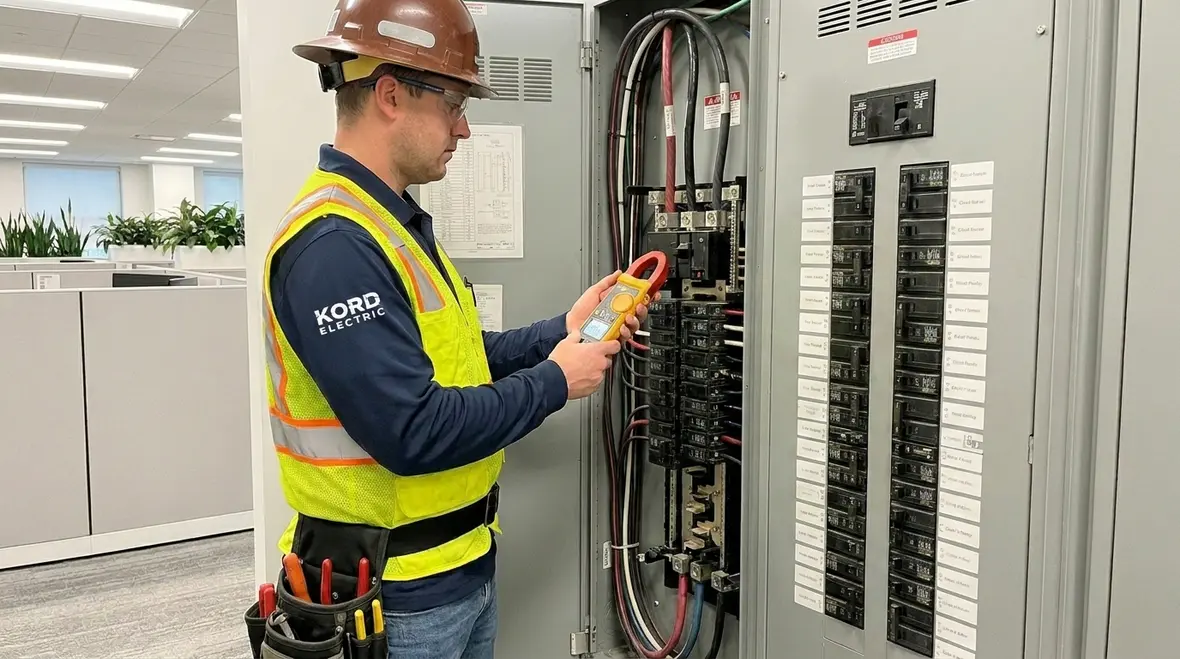
When we perform load testing, we evaluate the system as it actually operates. For example, we check how panels, feeders, grounding, and connections behave when current demand rises. If resistance is creeping up in a connection, temperature trends and performance under load will show it. Then, we compare results to expected behavior, not to guesswork or last year’s “looks okay” notes.
In addition, load testing helps us spot issues like overheating that can reduce insulation life. If insulation weakens, arc faults become more likely. In plain terms, electricity turns “small problems” into “big problems” fast in major property buildings. And when that happens, everyone learns the hard way that power reliability is not a wish, it is a requirement.
Voltage fluctuations in commercial and industrial buildings and what they mean
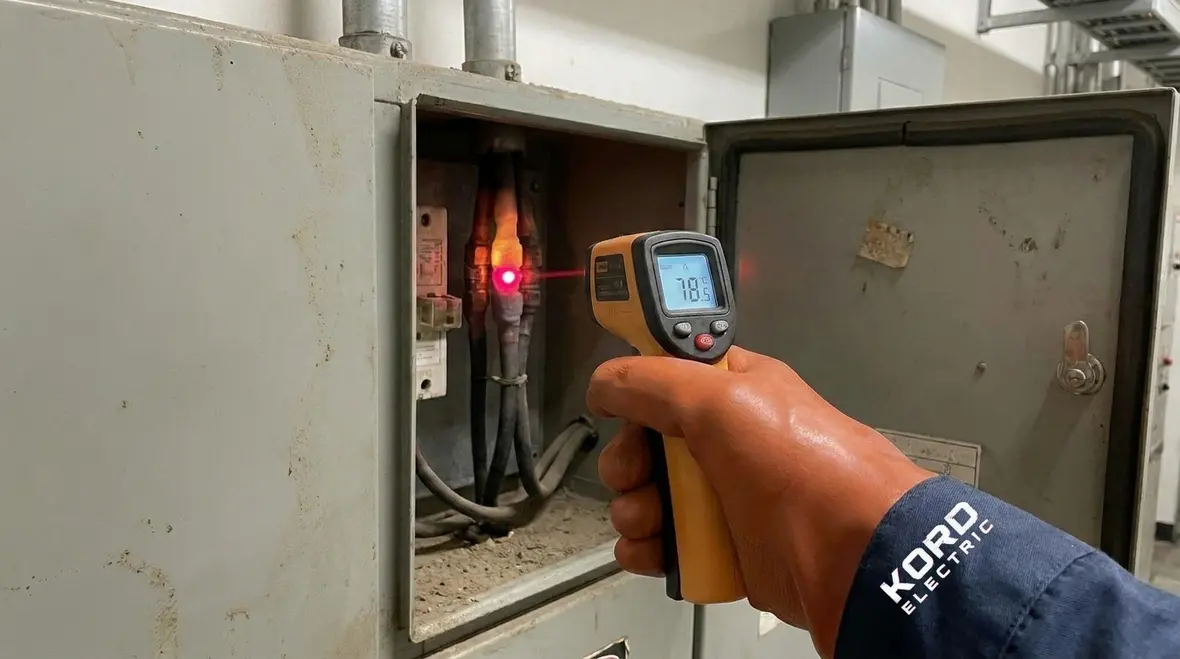
Sometimes the real culprit is not total load, but how voltage behaves while load changes. Our team at Kord Electric supports facilities that face voltage fluctuation issues, and we explain the risk in a practical way. If you want a direct look at how these events show up in real commercial settings, we refer clients to our resource: Voltage Fluctuations in Commercial and Industrial.
Even so, voltage fluctuations and load stress often travel together. When demand spikes, voltage can sag or bounce, and then sensitive equipment pays the price. For instance, motors may run hotter, drives may trip, and lighting systems may shorten their life. Furthermore, repeated instability can strain transformers and busbars over time.
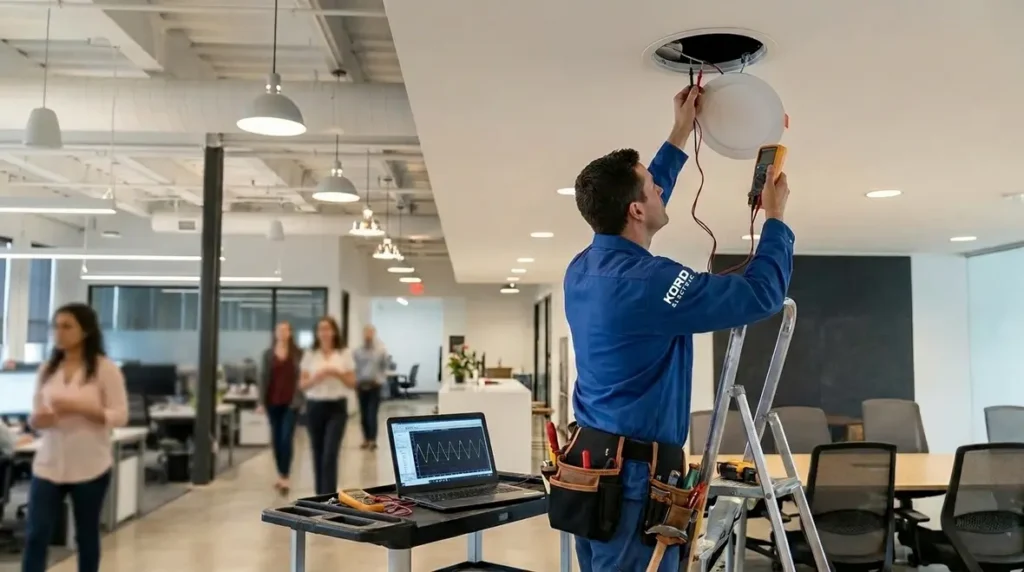
Here is the part people miss: the building can pass basic checks and still struggle under real operating conditions. Therefore, we run testing that reflects actual usage. Then, our technicians connect the dots between the readings and the behaviors occupants report, such as dimming, buzzing, or intermittent equipment resets. We explain it without drama, but we do not sugarcoat it either.
What our technicians measure during load testing for safety
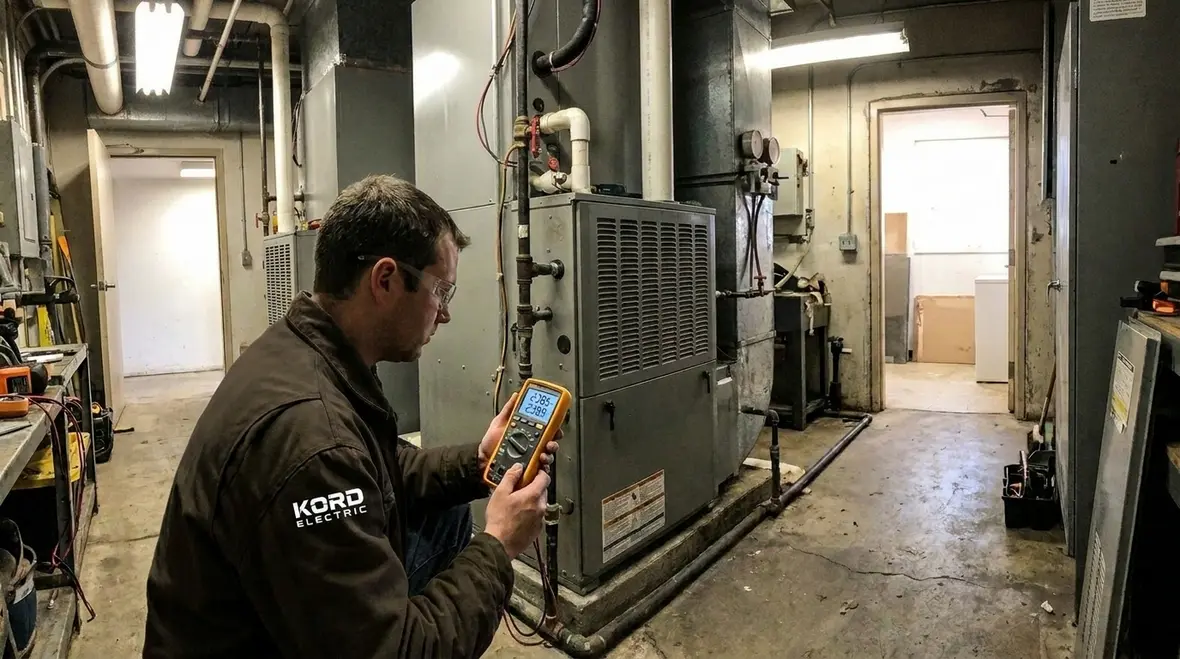
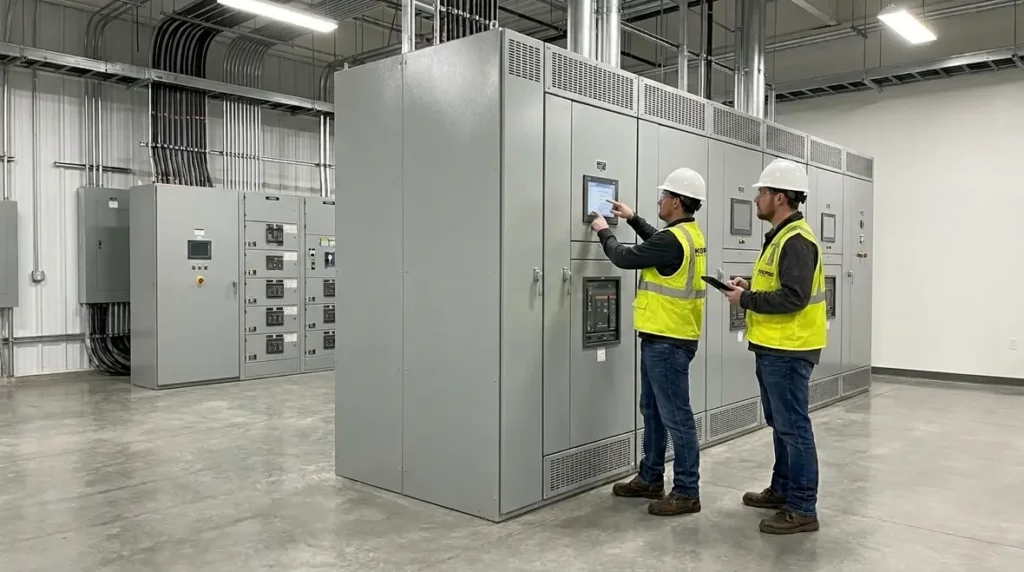
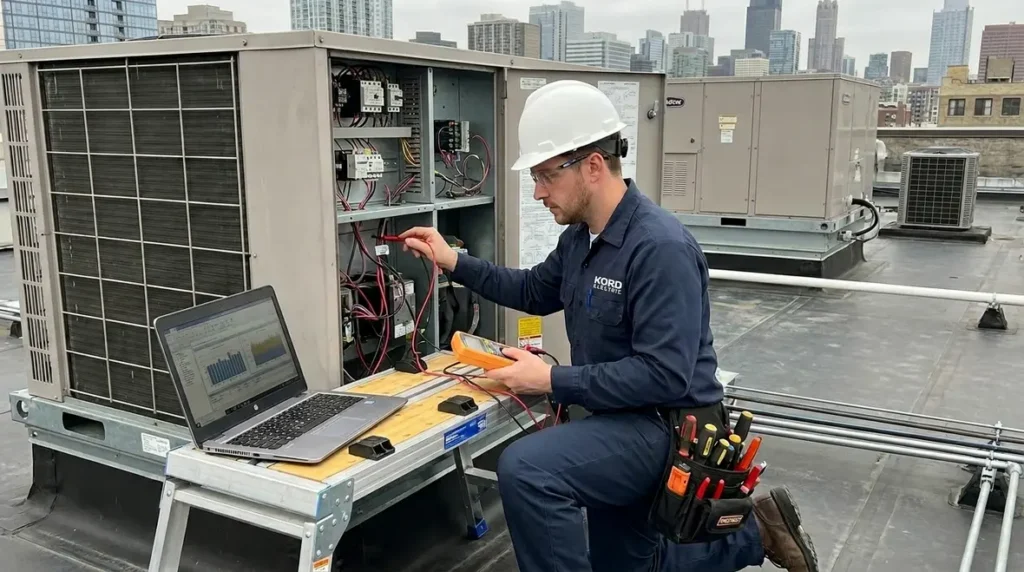
Our technicians use field measurements and analysis to build a clear picture of your system’s performance. Because every major property building has different loads and operating patterns, we tailor the test plan to your actual equipment and schedule. Then we document results in a way that facility teams can use, not just file.
Typically, we focus on the electrical conditions that affect safety, reliability, and risk. That includes evaluating how current draw behaves across panels and feeders, and how voltage stays stable while load increases. We also look closely at system balance and grounding performance, since poor grounding can increase shock risk and make faults harder to clear.
To keep it business friendly, we explain the process like this: first we verify what is installed and how it should behave. Next, we apply controlled load and monitor response. After that, we compare data to expected limits and identify where performance shifts. Finally, we provide a recommendation that fits your facility goals.
And yes, we treat safety like the main character. Not the “side quest.” Not the “later problem.” The main event. Like in a good movie, the tension is built before the disaster scene.
Preventing outages and fire risk in commercial and industrial facilities
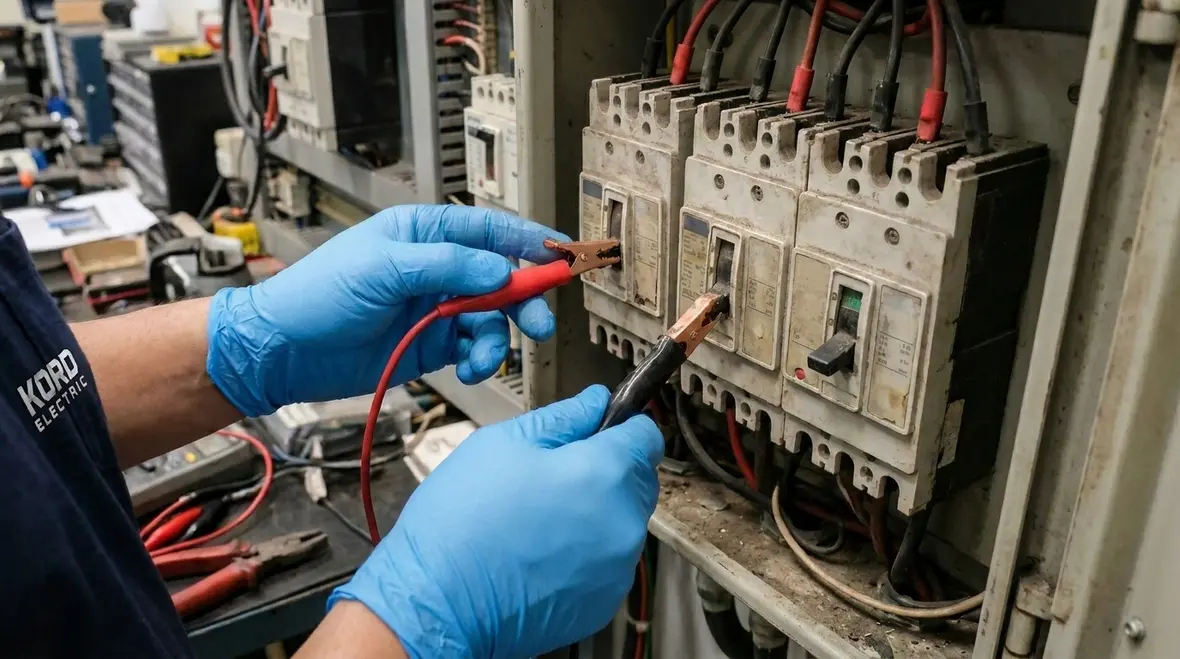
Electrical faults often start with stress, looseness, or aging insulation. Then heat and arcing speed up the decline. As a result, the risk rises quietly until a failure forces emergency response. In commercial and industrial facilities, that means halted production, lost revenue, and potentially dangerous smoke or fire events.
Load testing helps us reduce that risk because it finds performance issues early. When connections show abnormal behavior under load, we can recommend targeted inspection and corrective work. That may involve tightening connections, addressing worn components, or improving system design where demand patterns stress the infrastructure.
Also, we support safety compliance by giving building leaders defensible documentation. If questions arise from insurers, auditors, or facility managers, you need clear records. We help you keep those records organized and understandable.
Furthermore, when a site experiences repeated trips or nuisance alarms, load testing often explains why. Sometimes the breaker is fine. Sometimes the issue is upstream. And sometimes the “mystery problem” is actually a predictable outcome of aging equipment working beyond its comfort zone. We have seen it often enough to say this with confidence: electricity keeps receipts.
When to schedule load testing and how to plan around operations
We recommend commercial electrical load testing when you notice instability, after major renovations, or when new equipment increases demand. Additionally, testing makes sense as part of an ongoing preventive maintenance approach for commercial and industrial facilities and major property buildings. It should not feel like a once in a decade event, unless you want your electrical system to write a thriller novel.
Planning matters because these facilities run on real schedules. Therefore, we coordinate with your team so testing aligns with normal operating windows. We can plan for nights or low demand periods when needed, and we structure steps to minimize disruption.
Because our service is tailored, we also consider how occupancy, HVAC cycles, refrigeration loads, and processing equipment affect demand. Then we build a testing sequence that reflects those cycles. This helps our team detect issues that only appear when the site reaches peak behavior.
Finally, we communicate results clearly. Our experienced service staff explains what we find, what it means for safety, and what priority work should happen first. In many cases, we help clients sequence repairs so they protect critical systems without wasting time on low impact fixes.
FAQ about load testing for commercial electrical safety
Featured snippet answers
Is commercial electrical load testing required by code?
Requirements vary by jurisdiction and system conditions. We help you align testing with safety expectations and facility maintenance standards for commercial and industrial properties.
What happens if we find a problem during testing?
We explain the results, identify likely causes, and recommend the next steps, such as targeted inspection, repair, or improvements to support safe performance.
Will load testing shut down my building?
Not usually. We coordinate with your team and plan testing to reduce disruption, while still applying controlled load to confirm system behavior.
Choose Kord Electric for safety-first electrical testing
When we provide load testing for commercial and industrial facilities and major property buildings, we do more than collect data. We help you reduce risk, improve reliability, and protect the people and equipment that depend on power every day. Our technicians explain findings in clear terms, so you can act with confidence. If your site faces voltage instability, nuisance trips, or aging electrical gear, contact Kord Electric and let us build a safety focused testing plan that fits your operations.
Commercial properties that want to take a broader preventive approach can also explore how structured programs support long-term reliability by reviewing resources such as Kord Electric’s guidance on commercial and industrial electrical maintenance plans and dedicated electrical preventive maintenance. Together with commercial electrical load testing, these services form a safety-first strategy that keeps power systems ready for peak demand instead of hoping they will perform when it matters most.
If you are planning upgrades, troubleshooting voltage fluctuations, or mapping a multi-year reliability strategy, Kord Electric’s commercial team can align load testing with related solutions such as commercial and industrial EV charger installation, electrical repairs, and emergency response support. That way, one coordinated plan can address today’s issues while preparing your facility for tomorrow’s demand.