Commercial Electrical Load Testing for Safety
At Kord Electric, we treat commercial electrical load testing as a safety practice, not a box to check. In the first days of a site evaluation, our team evaluates how real demand flows through real equipment. As a result, we find weak points before they show up as heat damage, nuisance trips, or downtime that turns a business day into a dramatic episode. Others may test the theory of the system. We test the behavior. And yes, we do explain the “why” in plain language while our technicians work, because nobody should need an engineering degree to understand what is about to cost them money.
Why commercial electrical load testing prevents silent hazards
In commercial and industrial facilities, electrical systems run like background music. Most of the time, you do not notice it. Then, one day, the volume spikes. Commercial electrical load testing helps us capture that spike in a controlled and measurable way. It reveals whether panels, breakers, busbars, transformers, cables, and connections can handle the load they actually carry. When those parts run hot or stressed, the damage often starts quietly, inside the insulation, at the terminals, or in the thermal interface.
Furthermore, load testing shows how equipment responds under realistic demand rather than ideal conditions. For example, a breaker may look fine during visual inspection. However, under load it can trip early, drift, or fail to coordinate properly with upstream protection. That is where safety matters most. If protection does not behave as designed, faults can escalate, and emergency shutdown becomes a last resort instead of a planned response.
And if you ever wondered why “it was fine yesterday” is the most expensive phrase in facilities management, load testing helps answer that question early, before your team finds out the hard way.
What our technicians measure during a load test

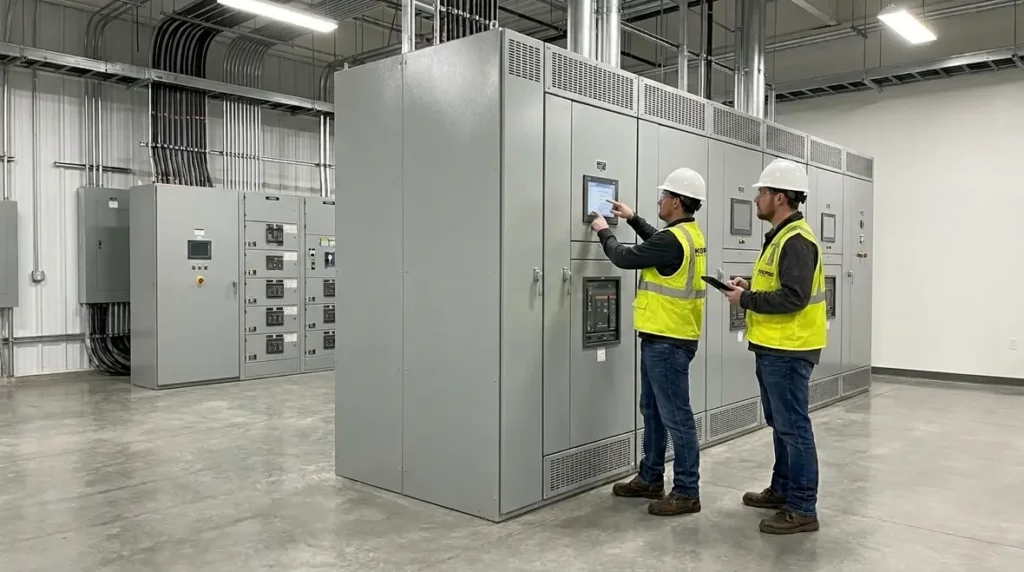
When our expert service staff arrives, we do not just “turn on the test.” We verify the system context first. Then we measure electrical performance using methods that match the facility’s configuration and operational goals. We focus on the details that affect safety and reliability.
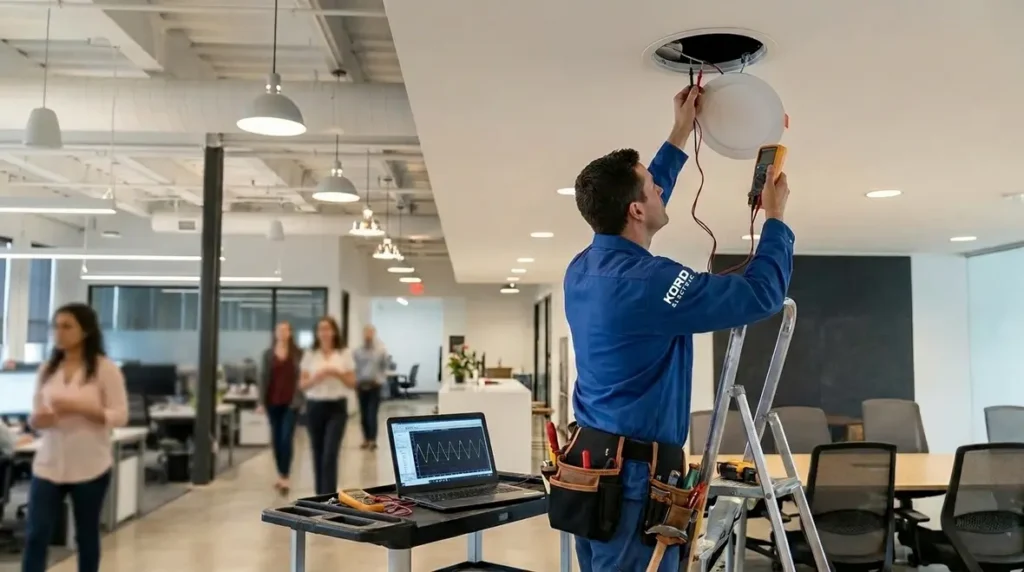
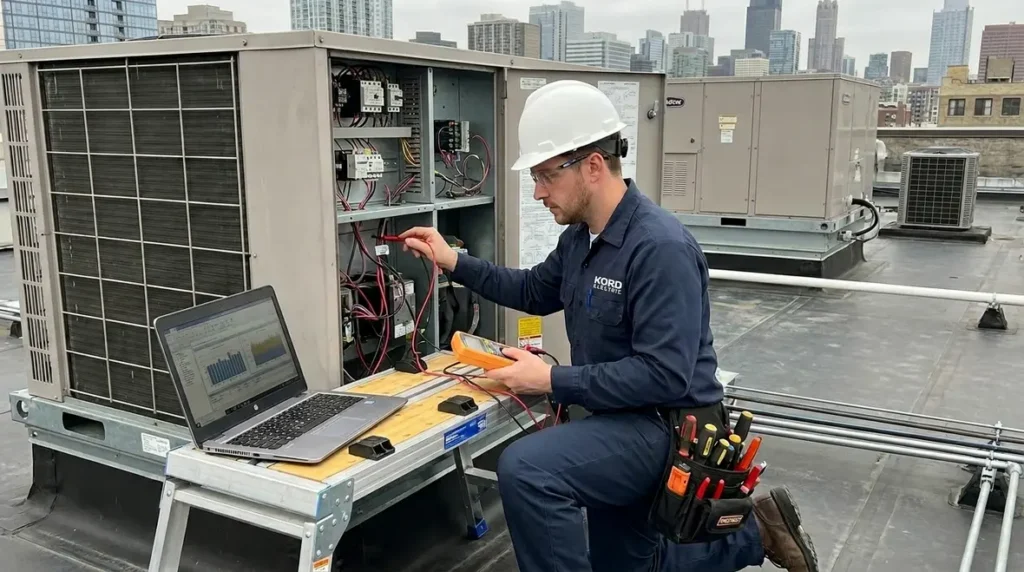
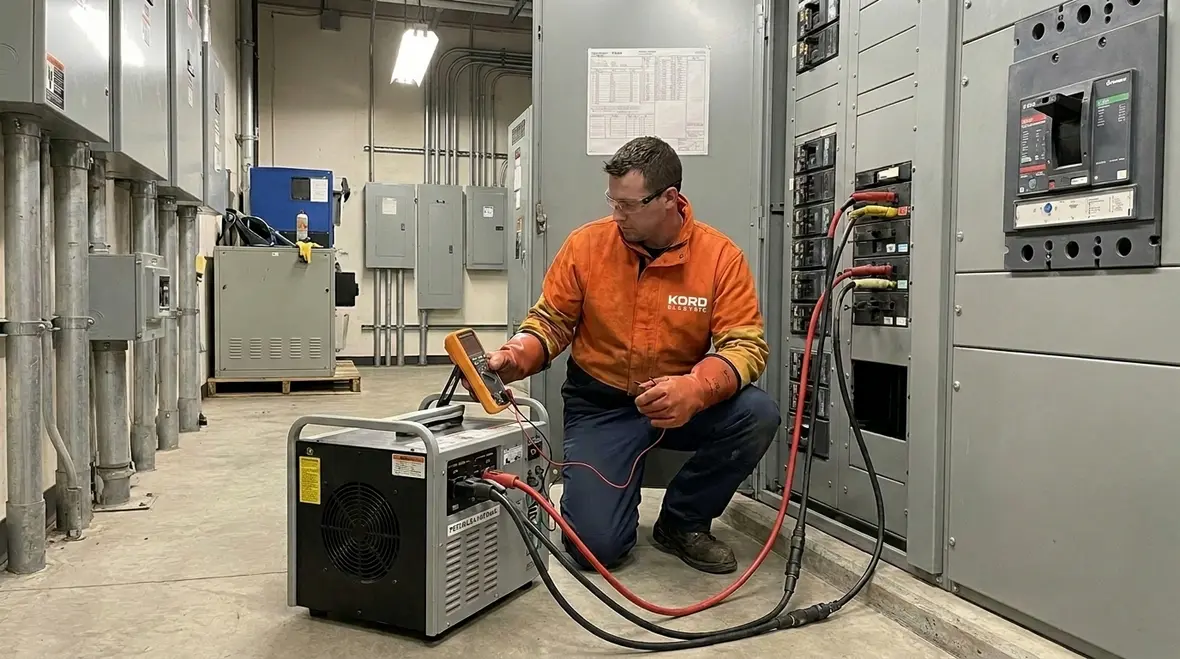
Typically, our technicians evaluate load distribution, current draw, voltage stability, and thermal risk indicators. They also check how the system responds to changes, such as near-peak operating conditions. In other words, we watch how the electrical network behaves when it is asked to do real work, not simulated work.
Next, we connect findings to practical outcomes: whether the system supports expected loads, whether protective devices coordinate correctly, and whether connections or components show stress patterns. If something looks off, we document the evidence clearly and recommend next steps that align with a commercial or industrial building’s needs.
We also make time to explain what we see. Therefore, facility managers and operations teams can make decisions without guessing. It is our way of making electrical maintenance feel less like a mystery novel and more like a well-labeled toolbox.
How load testing ties into voltage stability in real sites
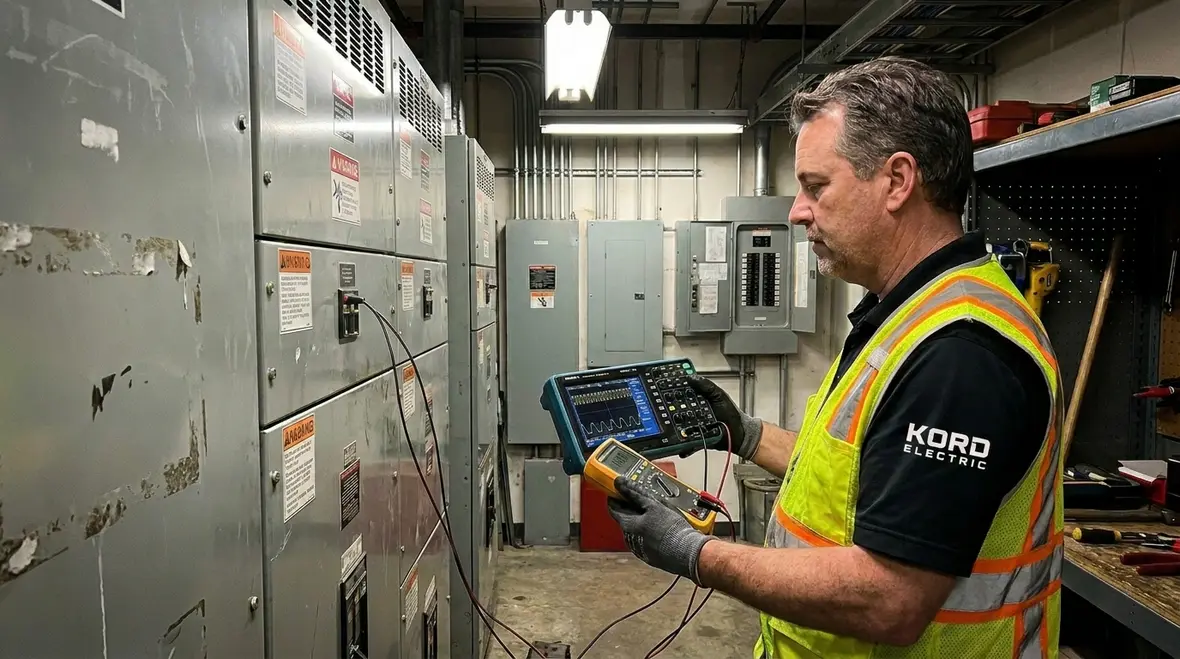
Many facility issues show up as symptoms before the root cause. Voltage problems create symptoms like equipment malfunctions, lighting flicker, motor stress, and intermittent alarms. Since commercial and industrial sites often run with high motor loads and sensitive controls, stability matters.
Our experience with voltage fluctuations in commercial and industrial settings helps us connect the dots. When voltage dips or swings occur, components do not always fail immediately. Instead, they age faster, draw more current, and operate outside of comfortable margins. Over time, that increases risk.
So, we treat load testing as part of a broader safety picture that includes voltage performance. When we apply load and observe response, we can identify patterns that suggest poor capacity, overloaded feeders, loose connections, or upstream instability. Then we can recommend improvements such as load balancing, targeted corrective maintenance, or system upgrades that bring the facility back into a safe and reliable operating zone.
In short, we do not isolate electrical work into separate categories. We connect performance and safety, and we do it in a way your team can understand during a walkthrough, not months later during an outage.
Commercial electrical load testing builds safer reliability and better budgeting
Safety does not only mean preventing shock or fire. It also means preventing uncontrolled equipment failure, unsafe shutdowns, and operational surprises. Commercial electrical load testing helps reduce those risks by giving owners and managers a clearer view of capacity and condition.
When we run a test and document results, we also create a baseline. That baseline supports smarter maintenance planning. Instead of reacting after a problem, we schedule work based on measurable condition. As a result, we help teams reduce emergency calls, shorten downtime windows, and protect critical processes.
From a budgeting perspective, this approach makes life easier. Many facilities learn the hard way that last minute electrical fixes often come with premium pricing and operational disruptions. However, a scheduled load assessment helps spread costs and align repairs with planned shutdowns. In addition, it supports procurement planning for upgrades that truly match the facility’s needs.
And yes, we understand that everyone loves a “quick fix.” Still, quick fixes without data can be like using a single Band Aid on a running leak. It might look fine for a moment. Then it finds a way to ruin your day.
Steps we follow to keep the process safe and orderly
Because we only support commercial and industrial facilities and major property buildings, we build our process around business continuity. Our technicians plan the work so it fits your operations and avoids unnecessary risk.
First, we review the system layout, electrical one line information, and any past issues or changes. Next, we confirm that test conditions can be met safely, including coordination with facility operations. Then we conduct the load test with controlled steps, monitoring the system response closely throughout.
After measurements, we analyze results against safe operating expectations. Then we explain our findings in a business friendly format, including what we recommend and why. Finally, we help teams understand how to act on the results, whether the best path is corrective maintenance, capacity adjustments, or further diagnostic testing.
Transitioning from data to action matters. Therefore, we keep the conversation grounded. If a component needs attention, we say it plainly. If multiple issues appear related, we explain how they connect. Our expert service staff does not hide behind jargon, because the real goal is safety and steady operations for your facility.
What owners should do after the test results
Once our team completes commercial electrical load testing and we review the findings with you, the work should not stop at a report. We help you translate results into decisions. However, the next steps depend on what we observe.
If we see signs of voltage instability, we recommend actions that address the source, such as checking connections, verifying load balance, or investigating upstream conditions. If protective devices show abnormal behavior, we recommend coordination review and potential adjustments to prevent unsafe fault response. If thermal stress indicators suggest overheating risk, we prioritize targeted inspection and corrective maintenance to prevent long term damage.
Also, we help you plan timing. Some fixes can run during routine schedules. Others require short controlled shutdown windows. We coordinate recommendations so they fit how your facility operates.
And remember, in a commercial or industrial environment, “good enough” can become “not safe enough” faster than you expect. Our approach helps you keep electrical systems performing within safe margins, so your team can focus on the work you actually get paid for.
Connect load testing with broader electrical maintenance
Commercial electrical load testing works best when it is paired with structured maintenance instead of one-time checks. When test data feeds into an organized care plan, facilities catch issues earlier, extend equipment life, and avoid the stress of wondering what is happening behind panels and in riser rooms.
That is why many property teams fold load testing results into ongoing electrical preventive maintenance programs. When technicians return with a clear history of readings, thermal patterns, and breaker behavior, they are not starting from scratch. They are tightening a process that already understands your building’s story.
Over time, this combination of commercial electrical load testing and preventive maintenance turns scattered fixes into a calm, predictable routine. Instead of reacting to surprises, your facility team can plan upgrades, replacements, and capacity changes with confidence—and fewer emergency phone calls.
FAQ
Final word from Kord Electric
When a facility runs with real loads, safety depends on real performance data. Kord Electric delivers commercial electrical load testing for commercial and industrial buildings, so owners can protect equipment, prevent unsafe failures, and plan upgrades with confidence. Our technicians explain findings in plain business language, and our expert service staff helps you turn measurements into next steps. If you want steadier operation and fewer surprises, contact Kord Electric to schedule an assessment and get your electrical system working like it was meant to.
If your site is already showing signs of strain—frequent breaker trips, unexplained outages, or equipment that never quite feels stable—pairing commercial electrical load testing with a structured electrical preventive maintenance program turns those warning signs into a clear action plan instead of a guessing game.
For facilities that depend on uptime, safety, and predictable budgets, this combination of testing and maintenance is one of the most direct ways to keep power steady and risks under control.