Commercial Electrical Load Testing for Safety
Kord Electric knows that power is the quiet backbone of every commercial and industrial facility, and we also know how quickly “quiet” can turn into costly trouble. That is why we prioritize commercial electrical load testing as part of a safety and reliability plan. When others guess, we measure. When others measure, we interpret correctly. Then we act before small warning signs turn into big outages, damaged equipment, or unsafe working conditions.
In this guide, we explain how our experienced technicians evaluate electrical systems under real conditions, why load testing matters for safety, and how voltage issues often show up long before anyone smells that “burning plastic” drama. And yes, we have heard that joke about electricity being moody. But we prefer facts, not mood swings.
Why load testing protects people and equipment
In commercial and industrial settings, the stakes are not just comfort. They are safety. First, electrical loads influence how heat builds inside panels, breakers, bus bars, and connections. Then, they affect voltage stability, which impacts motors, controls, and sensitive electronics. If a system carries more current than it can handle, heat rises and insulation ages faster. Eventually, that can lead to arcing faults, trip events, and in severe cases, fire risk.
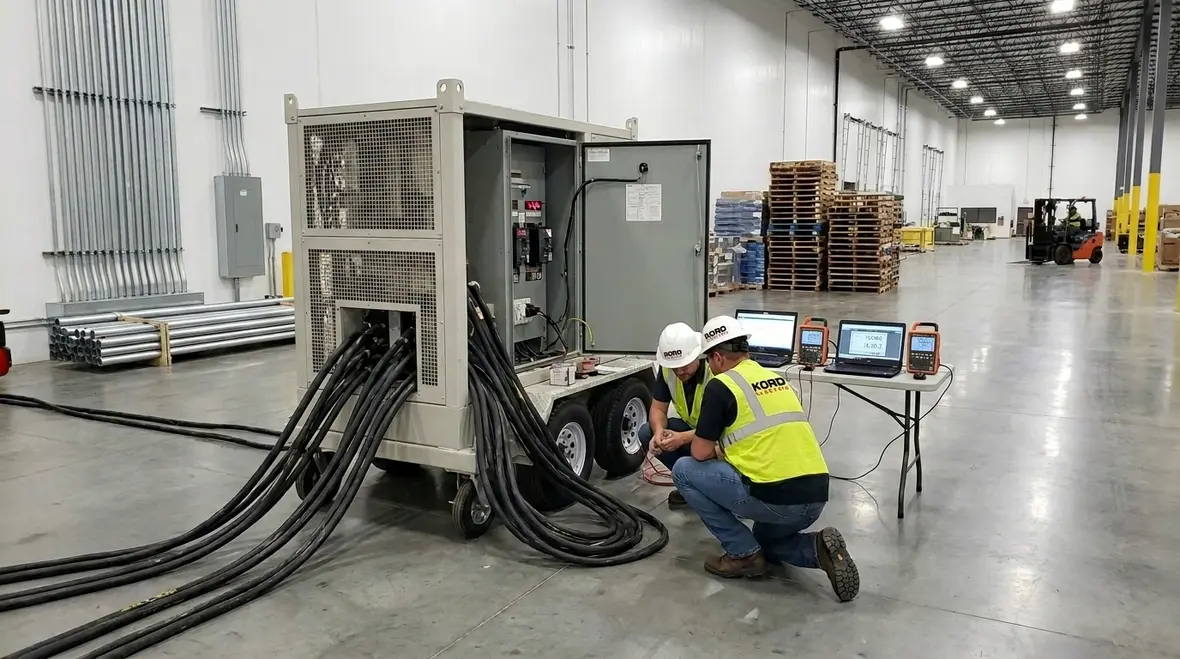
Meanwhile, commercial electrical load testing validates whether wiring, protection devices, and distribution components behave within design limits when the facility actually runs. Instead of relying on nameplate ratings or basic inspections, we apply controlled load conditions and observe system response. Our service staff walks the client through what we see, because an informed team makes better decisions than a team that hopes.
And here is the soothing truth: the safest electrical system is not the one that never trips. It is the one that stays within safe boundaries when real operations begin.
What our technicians measure during testing
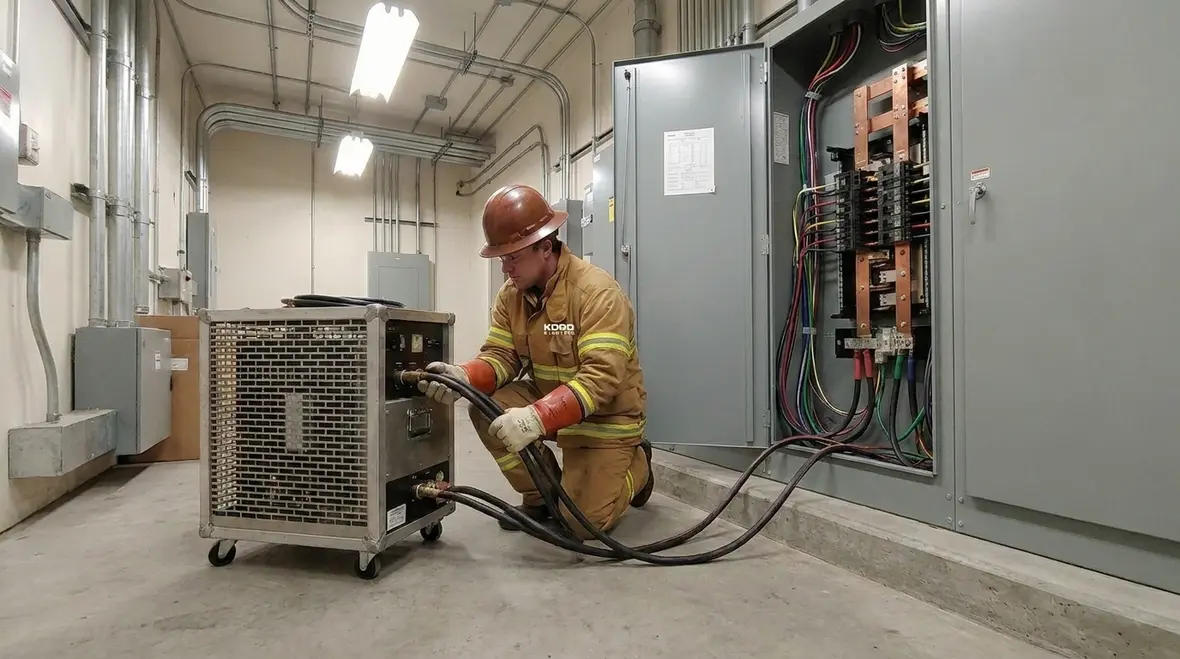
We approach each facility like a living system. A warehouse does not load like an office. A hospital wing does not load like a manufacturing line. So our technicians tailor the test plan to the actual operating profile and the equipment that drives the site.
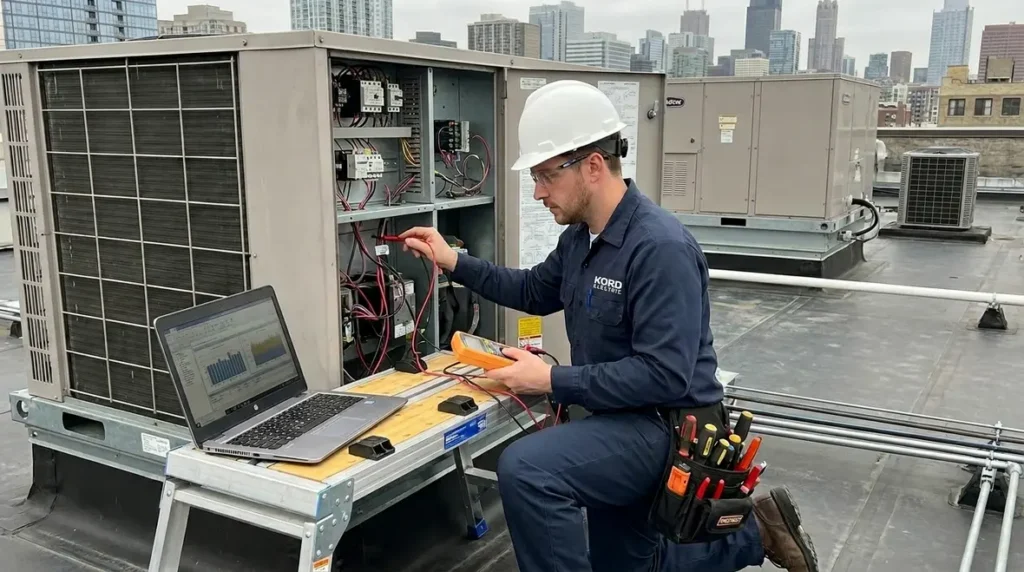
During commercial electrical load testing, we typically evaluate electrical performance under load conditions. That includes observations related to current draw, voltage drop, stability, phase balance, and protection device behavior. We also look at whether connections and components show symptoms of stress, such as abnormal temperature rise or uneven load sharing.
To keep the work practical, our expert service staff coordinates testing schedules with operations teams. Therefore, we reduce disruption and gather data during realistic periods of demand. Then we document results in clear terms that facility managers can use immediately.
In short, we turn “the lights flicker sometimes” into a measurable description of what is happening, where it happens, and how it affects the rest of the building.
How load testing reveals hidden risk in daily operations
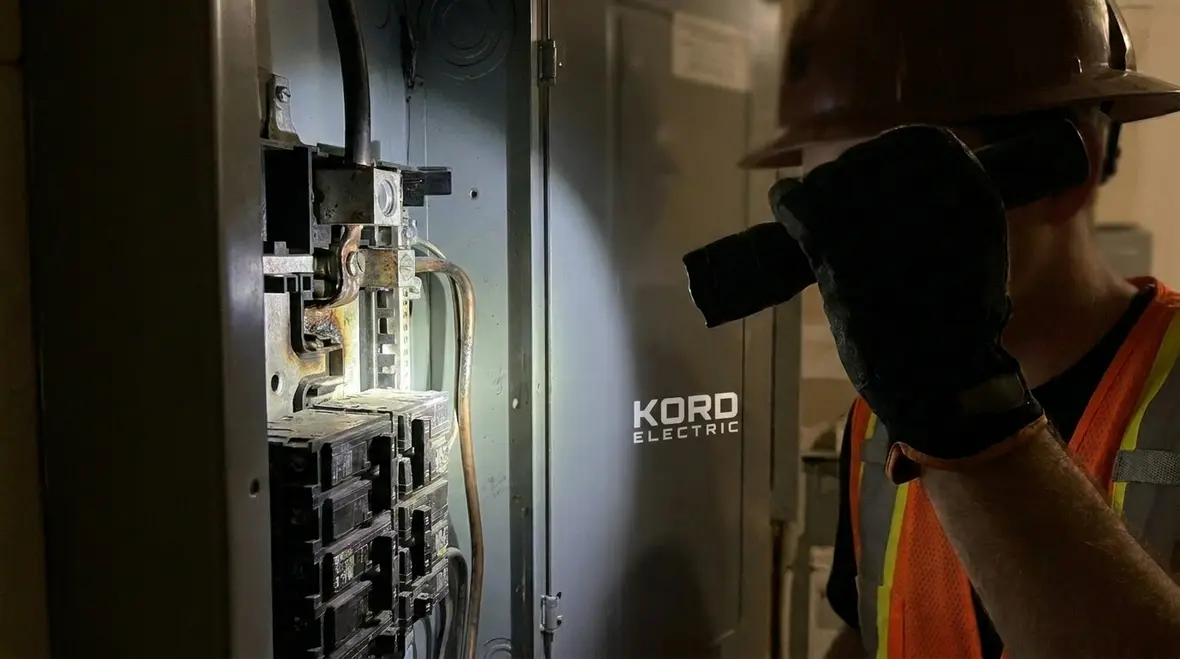
Many electrical problems start small. However, they often hide in plain sight because they only appear when the building reaches certain demand levels. For example, a panel might look fine during off hours, but during peak production or peak HVAC cycling, weak connections can overheat. Likewise, motors may start smoothly at low load, then struggle under heavier conditions, leading to voltage sag and control malfunctions.
Because real-world loads expose real-world weaknesses, load testing helps us find risk that visual inspection alone cannot. We also connect the dots between electrical behavior and operational effects. So when a client reports frequent breaker trips or recurring equipment faults, we can investigate with evidence rather than guesswork.
And if you think this sounds like detective work, you are right. Electricians are basically caseworkers. The only difference is the suspect usually wears a label that says “do not open.”
Voltage fluctuations and their connection to load behavior
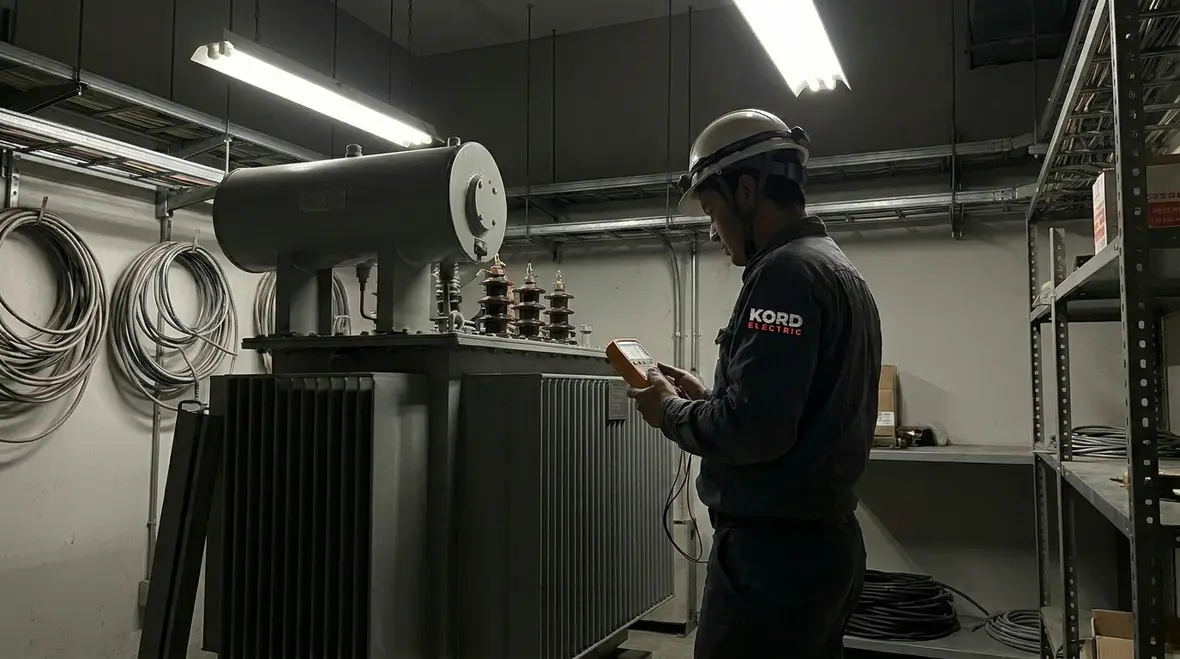
One reason we take testing seriously is that voltage stability and load performance tie together. If a facility experiences voltage fluctuations, equipment can respond in ways that look random. Controls may reset. Drives may fault. Motors may draw higher current to compensate. Then, protection systems can behave unpredictably.
Kord Electric often helps clients deal with issues related to voltage variations in commercial and industrial power systems. In our experience, these fluctuations do not only come from the utility side. They can also originate inside the building through loading patterns, transformer performance, conductor sizing, loose connections, or aging components.
We address this by correlating what the system does under load with the type of voltage problem the site experiences. In many cases, our findings connect voltage fluctuations to specific operational conditions, which then guides targeted repairs instead of blanket replacement. For example, if we see unstable voltage during certain demand periods, we focus on the distribution path that serves the largest shifting loads.
If you want more context on voltage-related issues, our article on voltage fluctuations in commercial and industrial settings details how these changes show up and what facility teams should watch for. You can review it to see how load behavior, power quality, and long term reliability connect across large properties.
Building a safer plan, not just passing a test
We do not treat load testing as a one time checkbox. Instead, we use results to build a safety plan that fits how the facility runs. That matters because the next step depends on what the data shows.
For some sites, load testing confirms that the system operates within safe margins and the existing maintenance approach works. For others, it reveals weak links that need attention. Maybe a connection shows signs of stress. Maybe a distribution segment experiences too much voltage drop. Maybe protection coordination needs adjustment so devices trip in the right way and at the right time.
Then we collaborate with the facility team to prioritize actions. We consider operational impact, shutdown windows, equipment criticality, and budget realities. And because we are working in commercial and industrial buildings, we design recommendations for real maintenance workflows, not fantasy scenarios where everything can be powered down for a week.
We also explain the findings in plain language. Our technicians speak with clarity and patience, because the goal is not confusion. The goal is confidence.
For teams that want a structured, ongoing approach, pairing commercial electrical load testing with a dedicated electrical preventive maintenance program helps keep panels, distribution equipment, and protective devices operating the way they were designed year after year. Load data feeds directly into maintenance priorities, so the riskiest issues get handled first instead of waiting for a failure to make the decision for you.
How often should major properties run load testing
Facility electrical systems age. Loads change. New equipment gets added. Seasonal cycles shift demand patterns. Therefore, testing frequency depends on the building, its usage, and any known issues. In general, major commercial and industrial properties benefit from planned load testing schedules, especially when they add load, perform major upgrades, or notice repeated electrical symptoms.
We typically recommend evaluating load performance when there are signs of strain such as persistent breaker events, nuisance faults, equipment derating, or recurring voltage complaints. Additionally, after significant renovations or expansions, our expert team can verify that the updated distribution still supports safe operation under load.
However, the best time to test is often before problems become visible. If an issue is waiting to show itself, load testing finds it early. That is cheaper than emergency repairs and safer than waiting for the next “electrical gremlin” episode.
Major properties that need a broader look at their infrastructure often pair load studies with services like panel inspections, switchgear maintenance, and system upgrades. As facilities grow, many eventually evaluate whether existing infrastructure still fits their needs or whether it is time for a more strategic upgrade guided by insights similar to those in Kord Electric’s rewiring and electrical system planning resources.
FAQ
Conclusion: safer power, smarter decisions, fewer surprises
When safety and reliability matter, we recommend commercial electrical load testing as a disciplined way to measure what your system does under real demand. Kord Electric brings experienced technicians, clear explanations, and targeted recommendations for commercial and industrial facilities and major property buildings. If you want to reduce risk, improve performance, and stop relying on “it seems fine” assumptions, contact us today. We will review your needs, outline a testing approach, and help you move forward with confidence.
If your facility is ready to turn data into an actionable maintenance roadmap, explore how a structured electrical preventive maintenance program can work alongside commercial electrical load testing. Together, these services help major properties stay ahead of failures, protect equipment investments, and keep operations running smoothly instead of reacting to the next surprise outage.