Commercial Electrical Load Testing for Safety
Commercial electrical load testing that keeps big facilities safe
At Kord Electric, we take commercial electrical load testing seriously because it helps protect people, equipment, and operations in commercial and industrial facilities, as well as major property buildings. Our technicians use practical testing methods to find weak points before they turn into outages, overheated conductors, or damage that eats budgets. And yes, electricity can be dramatic. It will wait patiently, then perform like a pop quiz at the worst possible time. Meanwhile, we show up with measured data, careful procedures, and clear explanations so decision makers can act with confidence.
Why load testing matters when power demand keeps rising
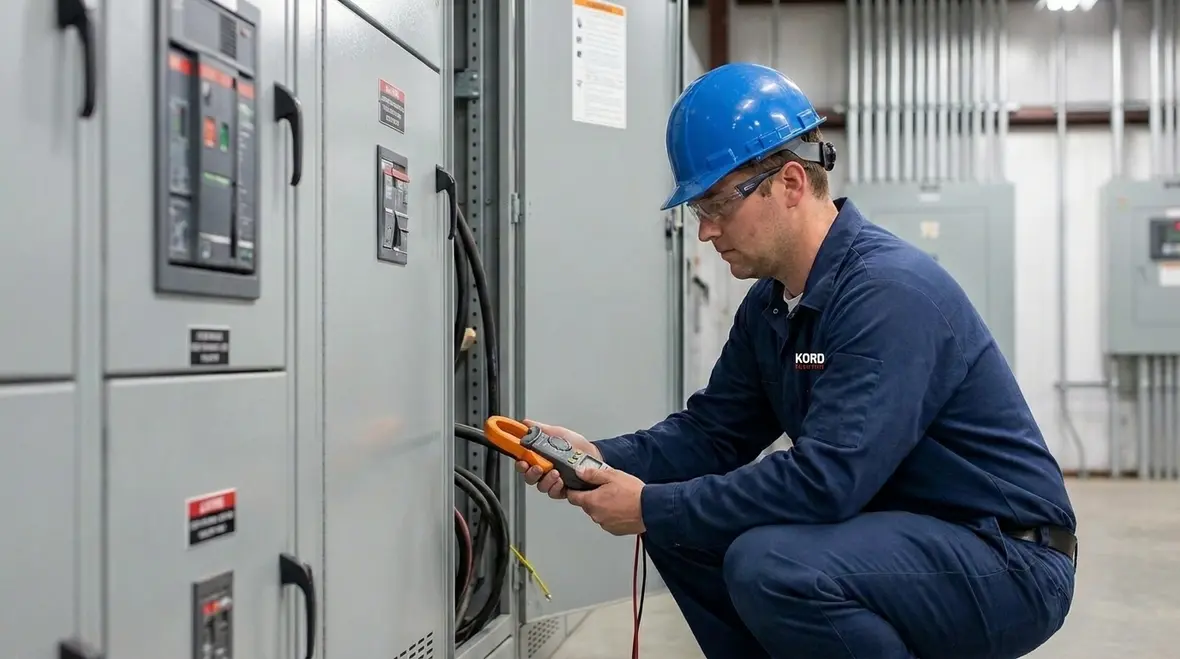
Commercial sites do not run on one steady load. They cycle through HVAC peaks, production schedules, elevators, refrigeration, lighting, and new tenants who “just need a little more power.” Over time, that changing demand can expose problems in panels, feeders, transformers, switchgear, and connections. Therefore, others can only guess if the system performs well, but tests give us real answers.
We also see how aging infrastructure and past repairs can create hidden risk. For example, a connection that looks fine during a visual inspection might fail under real current. When we perform commercial electrical load testing, we confirm how the electrical system behaves under normal and near worst case conditions. As a result, safety improves because we catch issues related to overheating, voltage drop, and imbalance before they escalate.
And for the record, power problems rarely show up with a warning sign that says “Hey, I’m about to fail.” They just fail. Quietly at first, then loudly.
In many large facilities, those failures are not just inconvenient. They can shut down production lines, disrupt tenants, or take critical systems offline. That is why commercial electrical load testing fits naturally alongside structured preventive programs, including services like electrical preventive maintenance for commercial and industrial sites. When teams combine data-driven testing with planned care, the entire electrical system becomes more predictable, safer, and easier to manage over time.
How technicians test loads and what they check
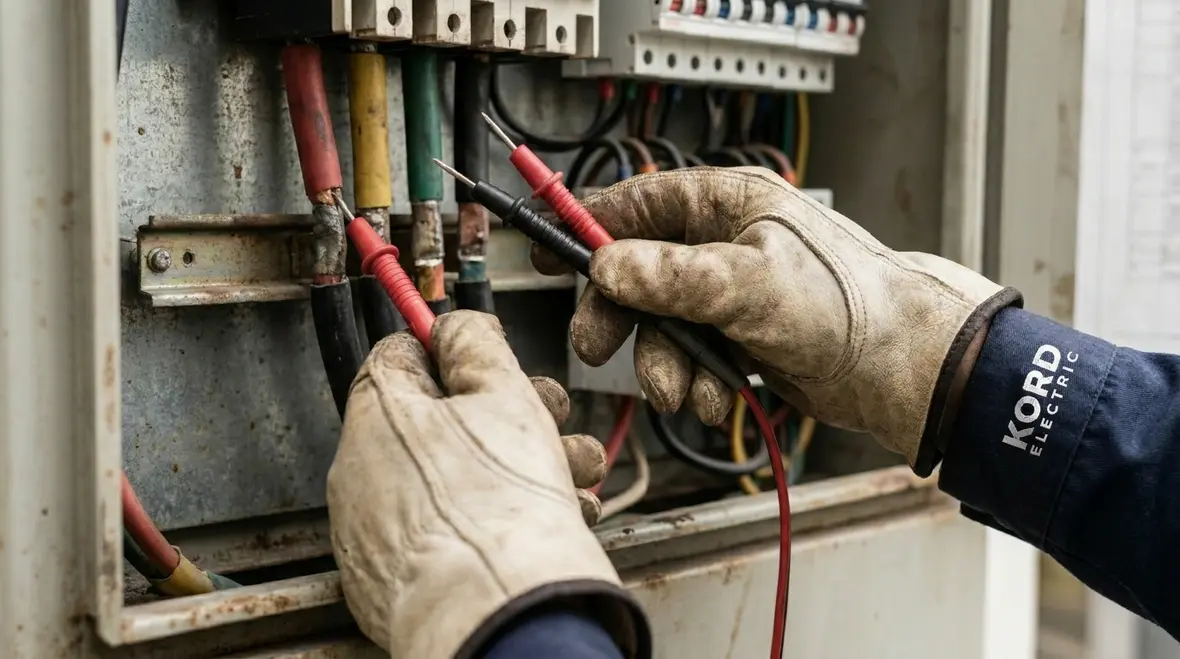
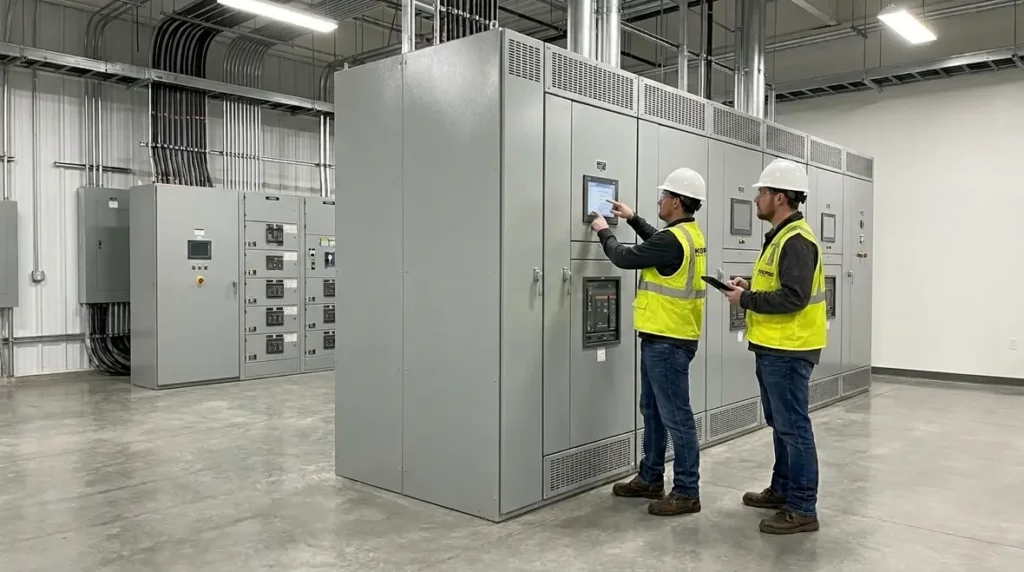
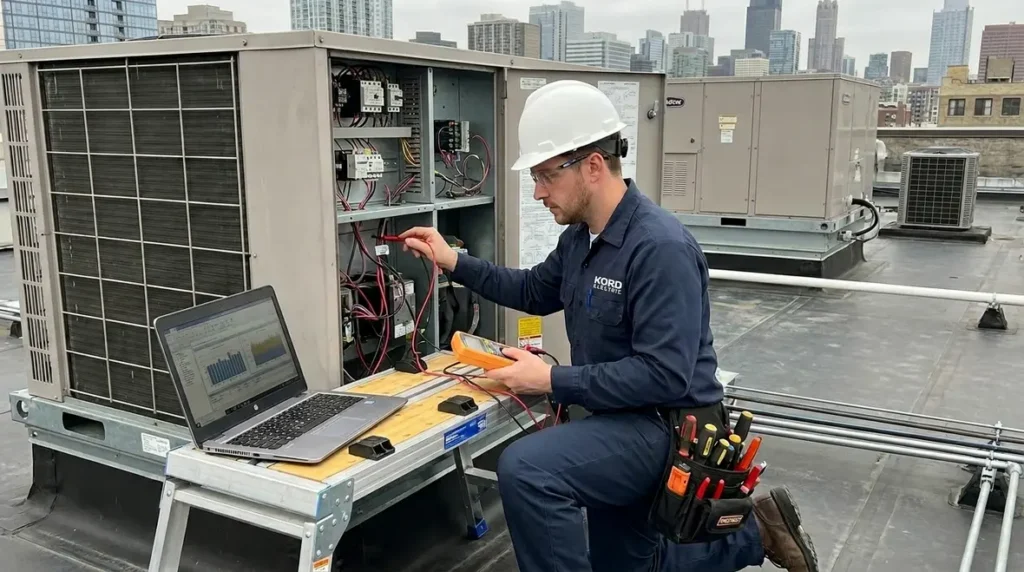
Our expert service staff follows a structured approach, and we keep it methodical. First, we review facility load profiles and operating schedules. Then we coordinate testing times so our work fits your business, not the other way around. Next, we measure key parameters while loads run the way they actually run in your building.
During the process, our team commonly focuses on things like these:
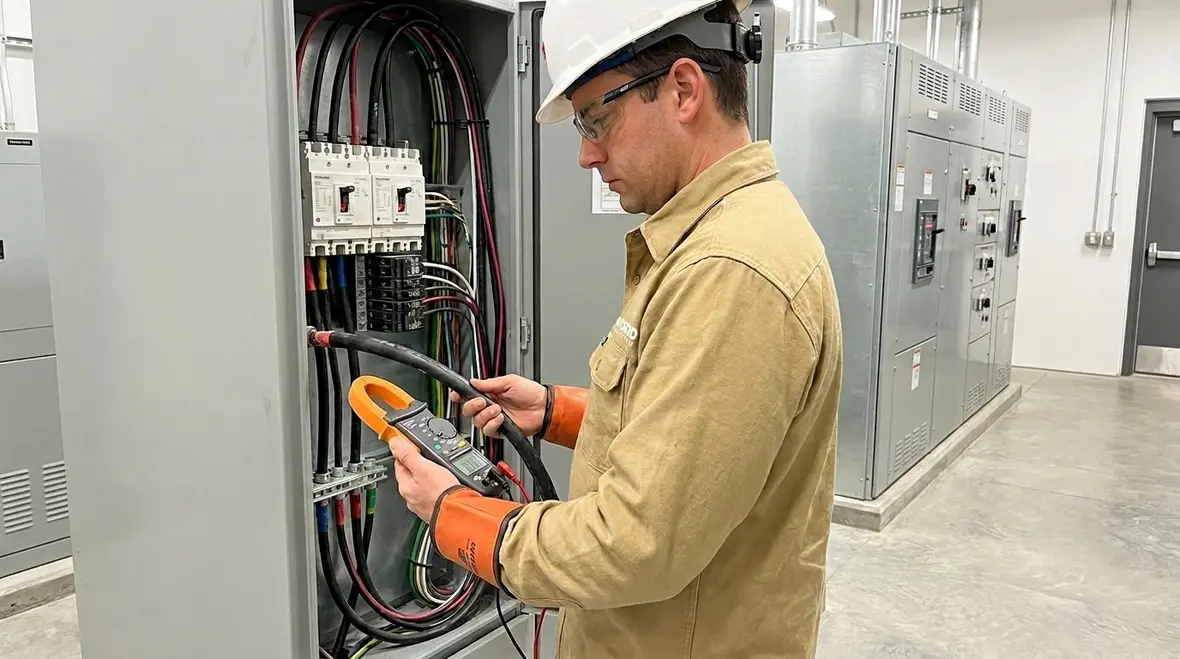
- Current draw in feeders and major equipment to spot overload patterns
- Voltage drop across distribution paths to identify weak segments
- Phase balance and power quality indicators that can stress motors and drives
- Thermal and connection risk signals that point to loose or degraded components
- System response when loads change, because one static reading never tells the whole story
Afterward, we explain what the numbers mean in plain business terms. In other words, we do not treat results like a secret code. We translate findings into actions that operations and maintenance teams can implement. That is how we help you avoid guessing, and it is how we keep safety moving forward.
Sometimes, the findings turn into a roadmap for broader upgrades. For instance, when commercial electrical load testing repeatedly shows feeders running near capacity, it often signals that the building is outgrowing its original design. In those cases, leaders may review deeper planning resources, such as guides on commercial electrical system rewiring costs and upgrade strategies, so they can match today’s demand with tomorrow’s infrastructure.
Voltage fluctuations in commercial buildings: what they mean for safety
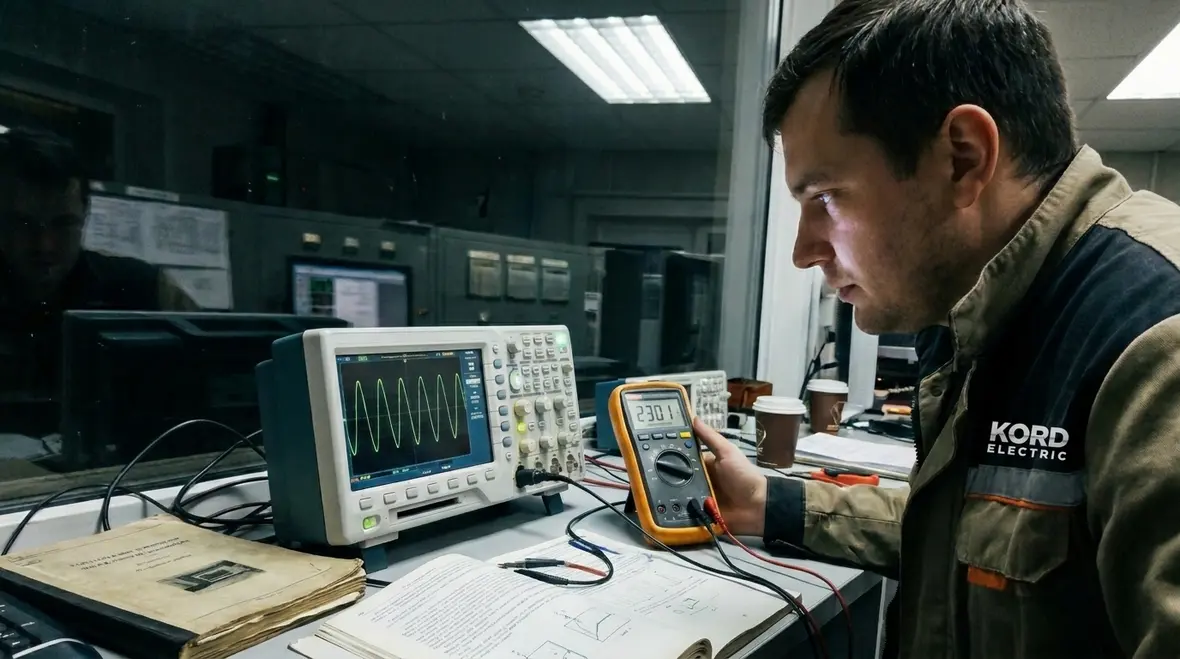
Many property managers think voltage fluctuations only cause annoying flicker, but in commercial and industrial spaces they can stress equipment and shorten life spans. In practice, voltage dips or uneven supply can make motors run hotter, drives behave poorly, and control systems act unpredictably. That creates safety risks because overheated components and unreliable operation do not belong in an environment where people work every day.
Kord Electric supports this need with the kind of focus explained in our page on voltage fluctuations in commercial and industrial facilities. When voltage instability appears, it can come from load changes, transformer issues, feeder limitations, or upstream problems. So we do not treat it as a one off nuisance. Instead, we look for patterns that connect power conditions to real operational outcomes.
From there, we connect the dots between load behavior and voltage performance. For example, a facility might experience higher equipment temperatures during peak times. Then, when we test, we may find voltage drop and phase imbalance that correlate with that heat. Likewise, a system that “usually works” might become unreliable during schedule changes. By testing under real load conditions, we help identify what drives the instability and where corrective work should begin.
And if your electrical room sounds like it is auditioning for a sci fi movie, that is not a vibe. It is a clue.
What makes load testing different from basic inspections
Inspections matter, and we respect them. However, a lot of problems remain invisible until equipment runs and current flows. Visual checks cannot fully measure how a conductor responds when it carries load, or how voltage behaves across long runs, or whether connections stay stable as demand changes.
Commercial electrical load testing goes deeper. It confirms performance under operating conditions, not just appearance. Therefore, the testing helps us determine whether equipment stays within safe limits when the building truly asks for power.
We also help clients avoid common missteps. Some facilities fix a symptom, like a breaker that trips, without addressing the root cause that triggered the trip. Other teams replace parts based on guesswork, and then the issue returns because the electrical system still cannot deliver power the way it should. When we conduct commercial electrical load testing, we aim to identify causes, not just stop alarms.
In short, we help you trade uncertainty for a clear plan. And that plan usually means fewer emergency repairs, less downtime, and safer conditions for staff and customers.
For facilities that want a deeper understanding of what might be hiding out of sight, we also encourage reviewing resources on hidden electrical risks in commercial buildings. Paired with commercial electrical load testing, that perspective helps decision makers prioritize which panels, feeders, and distribution paths deserve attention first.
Safety outcomes: prevent damage, reduce downtime, protect people
The safety benefits of proper load testing show up in several ways. First, it helps reduce the risk of overheating in panels, switchgear, and connections. Second, it improves the stability of voltage and power delivery so motors and controls operate within expected ranges. Third, it supports better preventive maintenance because teams can prioritize corrections based on data.
In commercial and industrial facilities, downtime costs more than most people want to admit. A short outage can halt production, close service areas, ruin cold storage, delay shipping, or disrupt tenant operations. Moreover, electrical failures can create hazards like arc risk, smoke, and energized parts in areas where people move. Load testing reduces these risks by spotting issues early, before the system reaches failure points.
Our technicians also help ensure testing supports safe operations during the work. We coordinate with facility managers and follow established procedures so the building stays protected during normal activities. And we keep communication steady, because nobody wants to hear surprises when they are running a major property.
Think of it like a fire drill, but for power integrity. You do not do it for fun. You do it because it makes sense.
When commercial electrical load testing reveals conditions that require targeted fixes, it often pairs well with services like planned electrical preventive maintenance. Together, they form a loop: testing uncovers the issues, preventive programs correct them, and follow up testing confirms that risk has actually gone down.
How we plan testing for commercial and industrial sites
We know each facility has unique demands. Therefore, we tailor our process for commercial and industrial buildings, including major property buildings with complex electrical distribution. Before field work begins, we review schedules, equipment layouts, and historical issues. Then we develop a testing plan that aligns with your load patterns.
Next, our expert service staff schedules the work at times that reduce disruption. During the testing window, we monitor conditions carefully and record results. Then, we compile findings in a format that supports decision making. We also provide guidance on next steps, such as targeted repairs, further diagnostics, or recommended maintenance adjustments.
To keep everything smooth, we explain each stage as we go. We do not leave clients wondering what happened in the electrical room while they were busy running the building. Instead, we share what we measured, why it matters, and what it means for safety.
Finally, we help you connect electrical findings to operational risk. When teams can see how power quality affects equipment reliability, they make smarter investment decisions. That is how testing becomes a business tool, not just a line item.
For sites with mission critical processes or specialized infrastructure, this planning phase often ties into broader design and reliability work. For example, data heavy environments may reference insights from data center electrical distribution design for reliability so that commercial electrical load testing fits into a long term reliability plan instead of a one time event.
FAQ
Ready to protect your power system?
If your facility relies on steady power, commercial electrical load testing should not be a “maybe next year” decision. Kord Electric works with commercial and industrial buildings to measure real electrical performance, reduce safety risk, and support smarter maintenance. Our technicians and expert service staff explain results clearly and recommend practical next steps. If you want to prevent sudden failures and plan with confidence, contact us today and we will help you schedule a testing plan that fits your operation.
For a broader view of how ongoing care protects your site, explore our dedicated electrical preventive maintenance services for commercial and industrial facilities. Together with commercial electrical load testing, these programs help keep critical systems stable, compliant, and ready for whatever your schedule demands.
And if your facility is planning future upgrades, expansions, or specialized systems, our commercial services extend beyond testing and maintenance to projects like commercial EV charger installation for business properties. No matter how your site grows, having a trusted electrical team in place makes every next step safer and more predictable.