Commercial Electrical Load Testing for Safety
Why Commercial Electrical Load Testing Keeps Businesses Safe
Kord Electric helps commercial and industrial facilities protect people, property, and uptime with commercial electrical load testing performed at the right time and under the right conditions. In the first place, we do not test “because we can.” We test because electrical systems work like trust. You only feel confident after the load is real, the readings are clear, and the risks are known. Then, our technicians explain what they see in plain language, so facility teams can make decisions without guesswork. And yes, we know it can sound as exciting as watching paint dry, but electrical failures tend to show up uninvited, usually at the worst moment, like a pop quiz you never studied for.
In this article, we walk through what commercial teams should expect, why load testing matters for safety, how voltage conditions tie in, and what our experts recommend for major property buildings and industrial operations.
What Load Testing Reveals That Standard Checks Miss

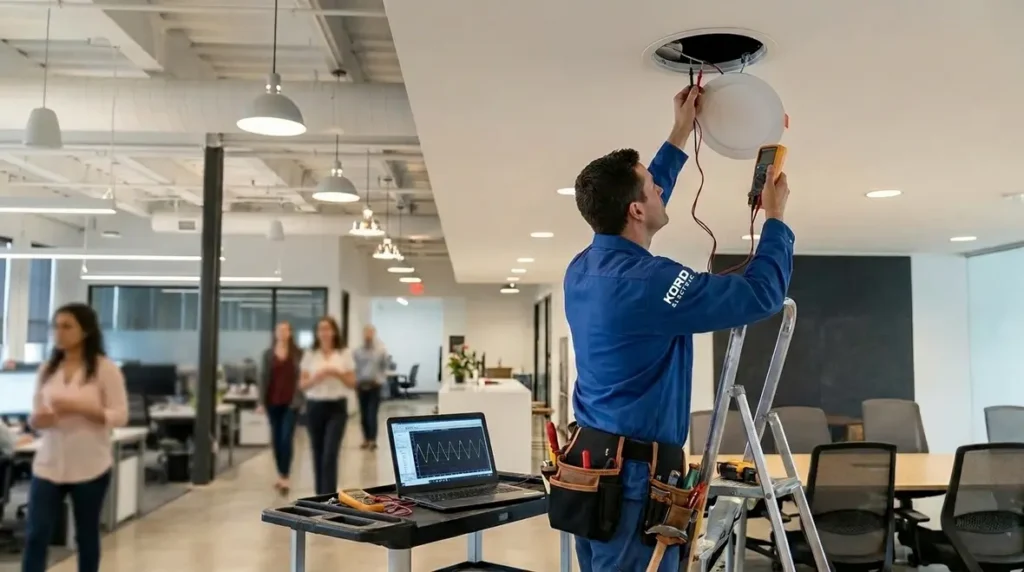
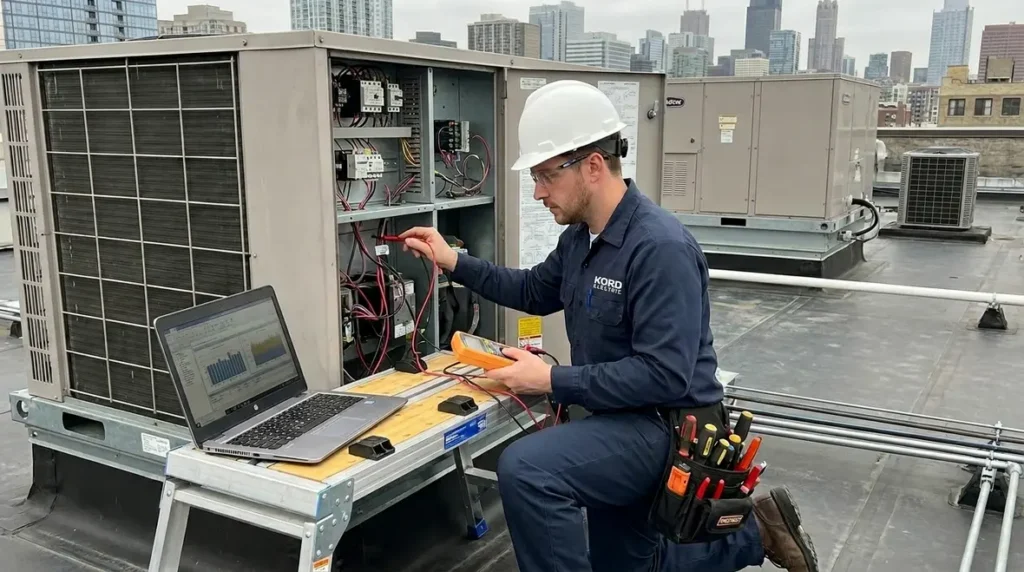
Many facilities run basic inspections and still miss the real story. However, commercial electrical load testing evaluates how equipment behaves when current demand rises. That means we look beyond static voltage readings and we evaluate the system under stress that matches real operation. For example, a panel might look fine at idle, yet during peak loads the distribution path can heat up, voltage can sag, and protective devices may trip sooner or later than expected.
At Kord Electric, our expert service staff uses a careful approach. First, we confirm the test plan matches the facility’s equipment and operating schedule. Next, we collect data in a structured way so results are repeatable, not just “numbers we found.” Then we compare what the system does under load to what it should do for safe performance.
When something drifts out of tolerance, we treat it like a smoke alarm that actually works. We do not just say “something is off.” We show where the problem lives, whether it is in feeders, connections, transformers, bus bars, or motor-driven loads that can quietly pull more current than expected.
Safety Impacts: Heat, Arcing, and Protective Device Behavior
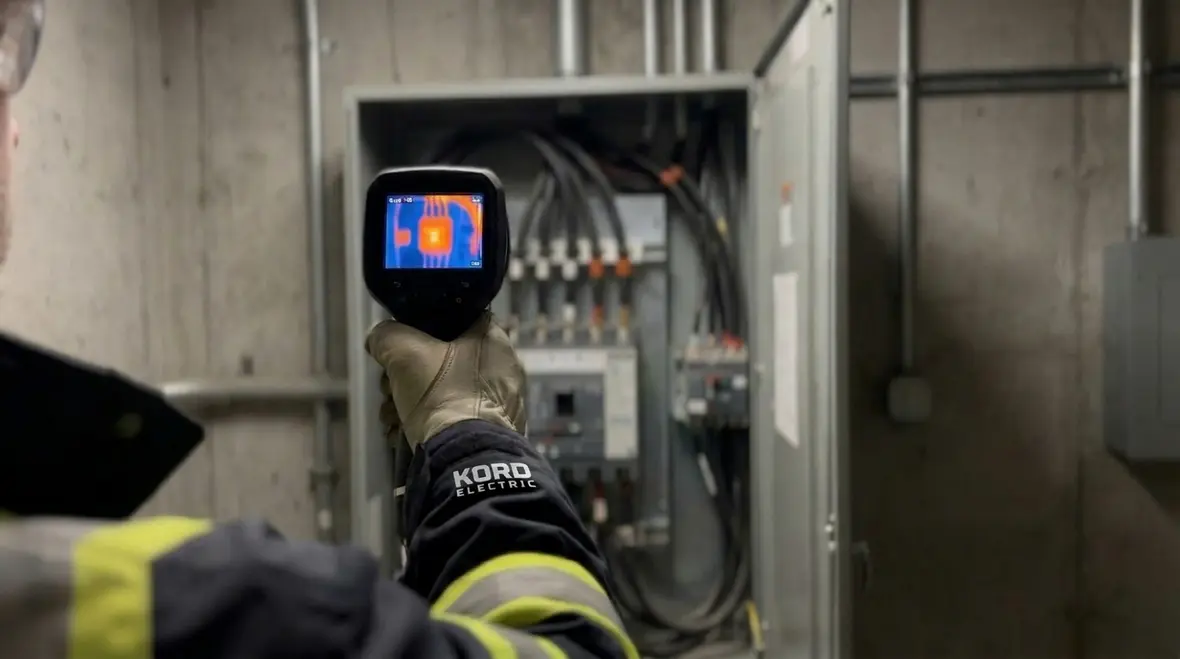
Electrical safety is not one thing. It is a chain of small, dependable events that must stay in balance. When we perform load testing, we look for the conditions that lead to unsafe outcomes. For one, excessive load or poor connections can create heat at terminations. Over time, that heat can degrade insulation, loosen contacts, and raise the likelihood of arcing.
Also, arcing is not a mystery. It is a predictable failure mode when a system experiences unstable conditions. Furthermore, protective devices need to trip reliably during faults. If protective coordination drifts, a breaker might not clear fast enough, or it might nuisance trip during normal operation. Both outcomes disrupt safety and operations.
Our technicians explain these mechanisms as we go, because facility managers deserve clarity, not mystery. In other words, when we see symptoms during load conditions, we help others understand the safety chain and what needs to happen next. Like a good alarm system, we show the evidence before the event.
Commercial Facilities Need Testing During Real Operating Conditions
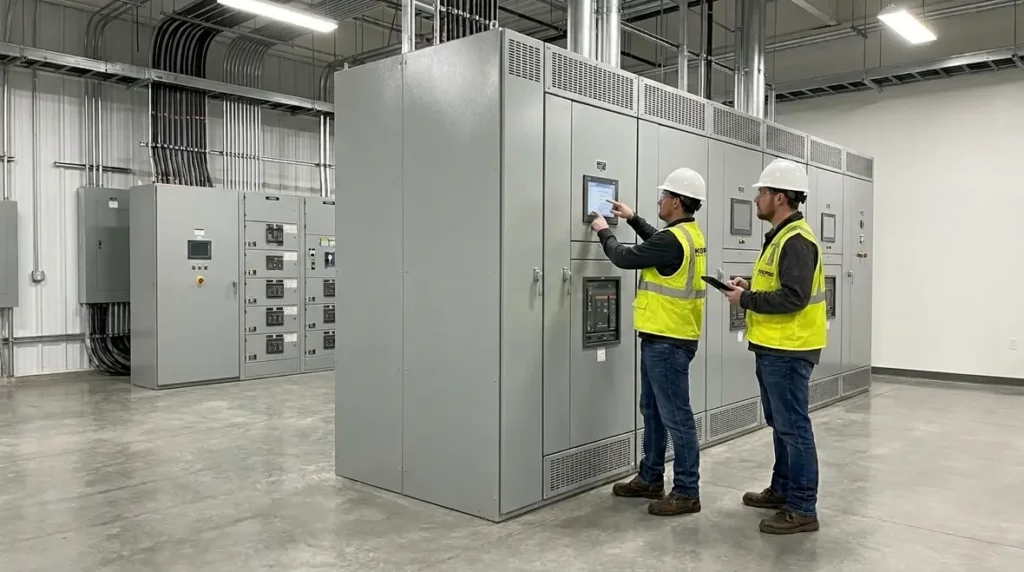
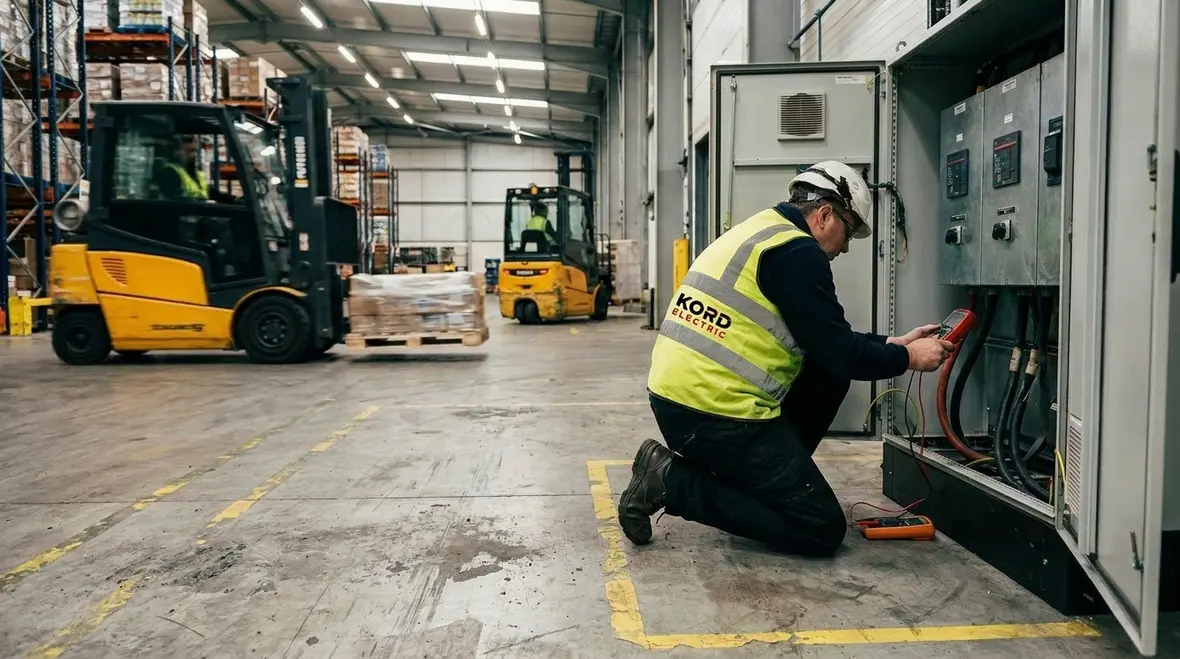
A warehouse that runs two forklifts cannot be tested the same way as a multi-shift manufacturing floor. Therefore, we tailor our approach for commercial and industrial spaces where peak demand, process cycles, and equipment diversity change the load profile. That also means we often schedule tests to align with business operations, so the electrical conditions match what the facility actually does.
In practice, we coordinate with property and maintenance teams to understand typical load patterns. Then we capture performance data during the periods that matter most. This helps Kord Electric identify issues that show up only when demand rises. It also reduces the chance of surprises later, when staff is busy and the stakes are higher.
And for major property buildings, we often account for changing tenants, seasonal loads, and equipment additions. In other words, the electrical system is rarely static, so our evaluations should not be static either.
Voltage Fluctuations and Load Performance in Major Buildings
Voltage quality and load behavior are connected, and we do not treat them as separate problems. If voltage fluctuates, equipment performance can degrade, motors can draw more current, and sensitive loads can behave inconsistently. When we review your electrical health, we also examine how the system responds to demand changes and how that response relates to voltage conditions.
For context, our team references the conditions discussed in our guide on voltage fluctuations in commercial and industrial environments, because they often appear when the system reaches higher demand or when upstream conditions shift. If the voltage dips too low during peak use, the system may strain conductors and components. Over time, that strain can create heat and speed up wear.
Additionally, if voltage swings are frequent, it can cause issues like unnecessary equipment cycling, shortened motor life, or inconsistent performance from building systems. We often help facility teams connect the dots between complaints and measurable electrical behavior, so others stop guessing and start acting.
Ultimately, load testing gives us the stage, and voltage response tells us how the actors perform under pressure.
How Kord Electric Technicians Run the Process Step by Step
Our process stays consistent because the outcome depends on quality and repeatability. First, our technicians review the facility electrical one lines, equipment labels, and known history. Next, we confirm the scope for the main service, feeders, and key distribution areas relevant to commercial and industrial operation.
Then, during the testing window, we collect data under load. We pay close attention to the behavior of voltage, current, and other performance indicators that show how the system functions when it matters. After that, our expert service staff organizes the results in a way that facility teams can use immediately, whether they need maintenance guidance, targeted repairs, or a plan for future upgrades.
We also include explanations that match how business teams think. For example, we help others understand what a drift in performance could mean for downtime risk, safety margins, and cost of deferred maintenance. And yes, we make it practical. If a finding affects production, occupancy comfort, or critical systems, we highlight it.
Finally, we walk through options. We do not sell fear. We provide clear next steps, so our customers can prioritize work based on risk and operational needs.
Choosing the Right Testing Frequency for Industry and Properties
Some owners test only when something breaks. That approach can be expensive, unsafe, and disruptive. Instead, we recommend a schedule based on the facility’s operating profile, equipment age, and known changes. For commercial and industrial buildings, the need can increase when new loads enter the system, when major renovations happen, or when tenants and process equipment change.
Also, facilities with high motor usage, frequent startups, or long run cycles often benefit from regular load analysis because their electrical behavior shifts with operations. On top of that, preventive evaluation helps teams budget repairs before minor issues become major failures.
When we discuss frequency, our team considers seasonality and typical peak demand windows. Then we align testing with periods that reflect real operation. It is a simple principle: measure when the system carries weight, not when it is coasting.
FAQ About Commercial Electrical Load Testing
For many facilities, pairing commercial electrical load testing with structured electrical preventive maintenance services provides an even stronger safety net. Load testing shows how systems behave under stress, while preventive maintenance keeps panels, breakers, and distribution equipment ready for that stress year after year.
Conclusion: Get the Electrical Safety Story Before It Gets Expensive
Electrical problems do not politely wait for a convenient time. At Kord Electric, we help commercial and industrial facilities protect safety and reliability with load based evaluation that reflects real demand. Our technicians and expert service staff review results in plain language and guide next steps based on risk, not guesswork. If you run a major property building or operate in industry, now is the time to schedule testing and catch issues early. Call Kord Electric today and let’s build confidence into your electrical system.
If your facility has already seen flickering lights, unexplained breaker trips, or devices reacting poorly to unstable power, consider combining load testing with targeted support for voltage fluctuations in commercial and industrial facilities. Together, these services give your team clear visibility into both demand behavior and power quality, so you can act before small problems grow into costly shutdowns.
To move from “we hope it holds” to “we know it’s ready,” partner with an electrical team that designs testing around your actual operations. Kord Electric’s commercial and industrial services align with your schedules, your safety requirements, and your long-term plans for uptime, so every test adds real, measurable value.