Commercial Electrical Load Testing for Safety
At Kord Electric, we treat power like a serious business partner, because in commercial and industrial buildings it either performs or it causes expensive problems. That is why we prioritize commercial electrical load testing early and often. Our process helps confirm that electrical systems carry real demand safely, without guesswork. In the sections that follow, our team of technicians explains what we check, why it matters, and how we spot hidden risks before they become blackouts or scorched equipment. After all, nobody wants their switchgear to feel like a piñata at a warehouse grand opening.
Why commercial electrical load testing keeps safety on track
Safety does not start in an emergency. It starts when a building owner asks, in plain language, “Does the electrical system handle the load we are actually putting on it?” That question matters because electrical failure often develops under stress, not on paper. Over time, components warm up, connections loosen, insulation ages, and loads shift. Commercial electrical load testing recreates real operating conditions so we can observe performance under demand.
As our expert service staff explains on site, the goal is to reduce risk to people, property, and operations. When a system fails, it does not just trip a breaker. It can harm motors, damage sensitive controls, and create fire hazards at terminations and panels. Therefore, we aim for a clear safety story: what the system is doing now, where it is changing, and what needs attention before a failure cycle begins.
And yes, electricity always has a sense of humor. It will behave when inspected and misbehave when it counts. Our job is to catch that behavior ahead of time.
How load testing works in commercial and industrial buildings
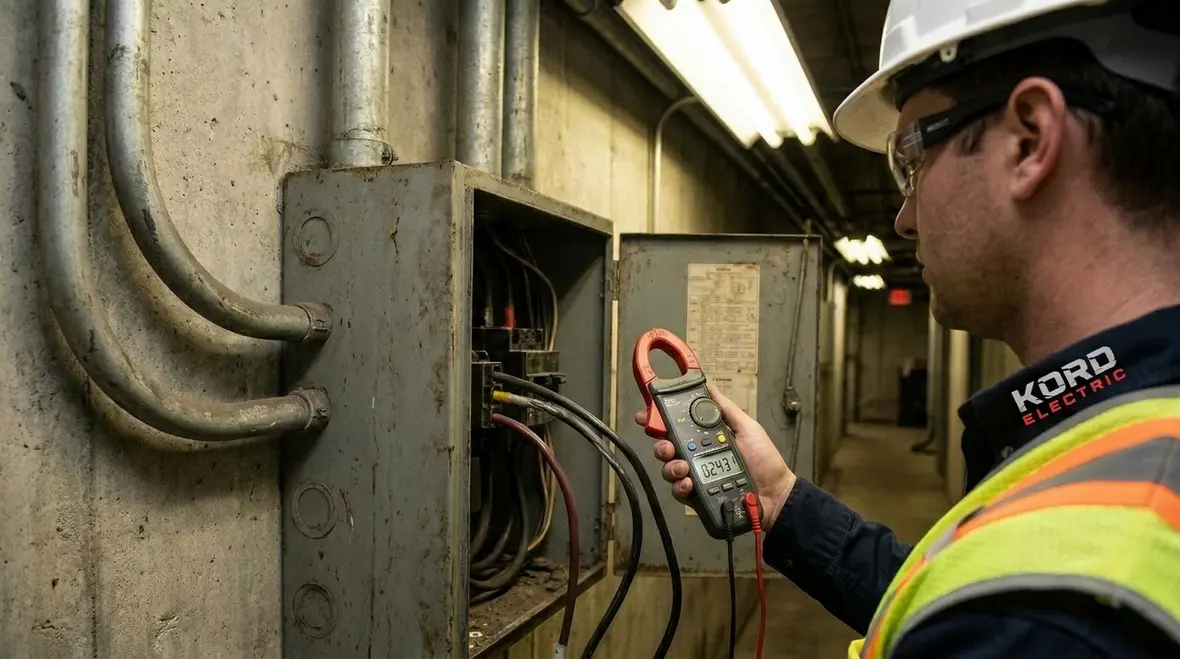
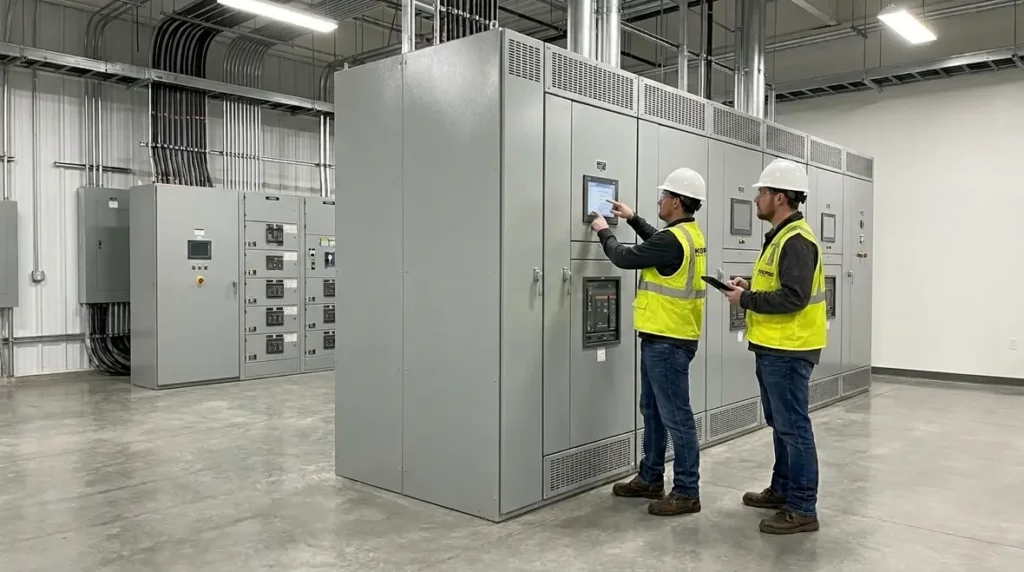
We approach load testing like a controlled, measurable test, not a guess. First, we coordinate with facility leadership so operations continue with minimal disruption. Then we evaluate the building’s actual electrical configuration, including distribution panels, feeders, and major loads like HVAC equipment, pumps, manufacturing motors, and lighting circuits that heavy users rely on.
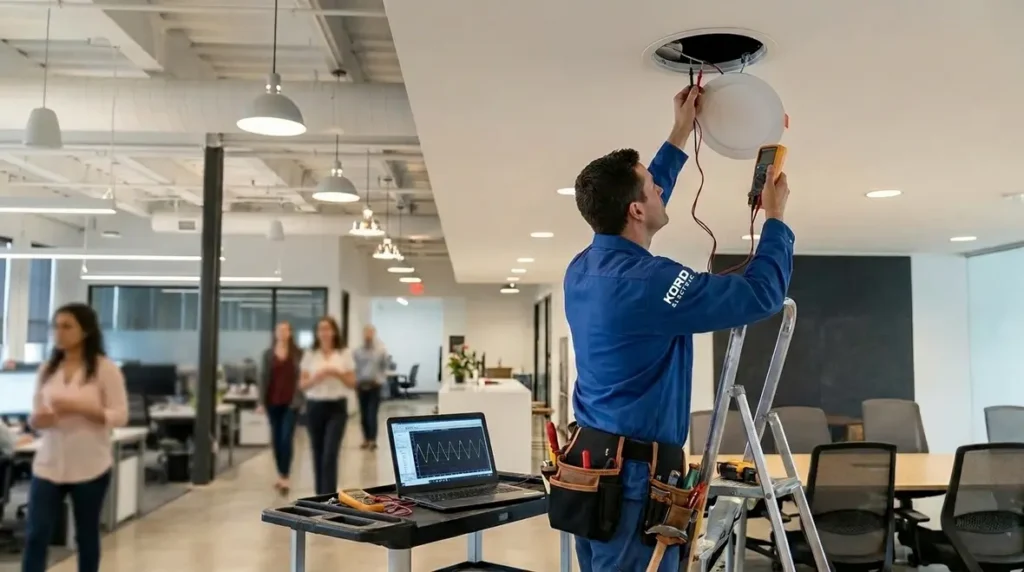
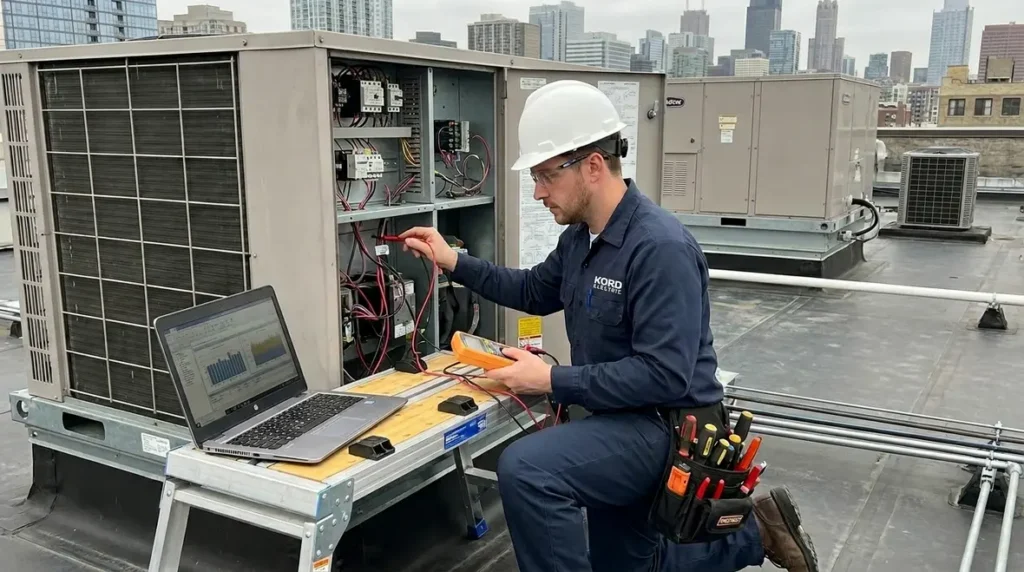
Next, our technicians apply load in a way that reflects how the building runs during peak conditions. We measure key electrical outputs and system behavior while load is present. That includes current draw, voltage response, temperature indicators where applicable, and how well protective devices perform under realistic stress.
As we work, our team does not stop at numbers. We interpret what those results mean for the equipment inside your facility. If readings show uneven loading, abnormal voltage behavior, or signs of instability, we recommend focused corrective steps. This helps prevent the “wait and see” approach that too many owners use until a component fails publicly.
Voltage stability and why it matters for real performance
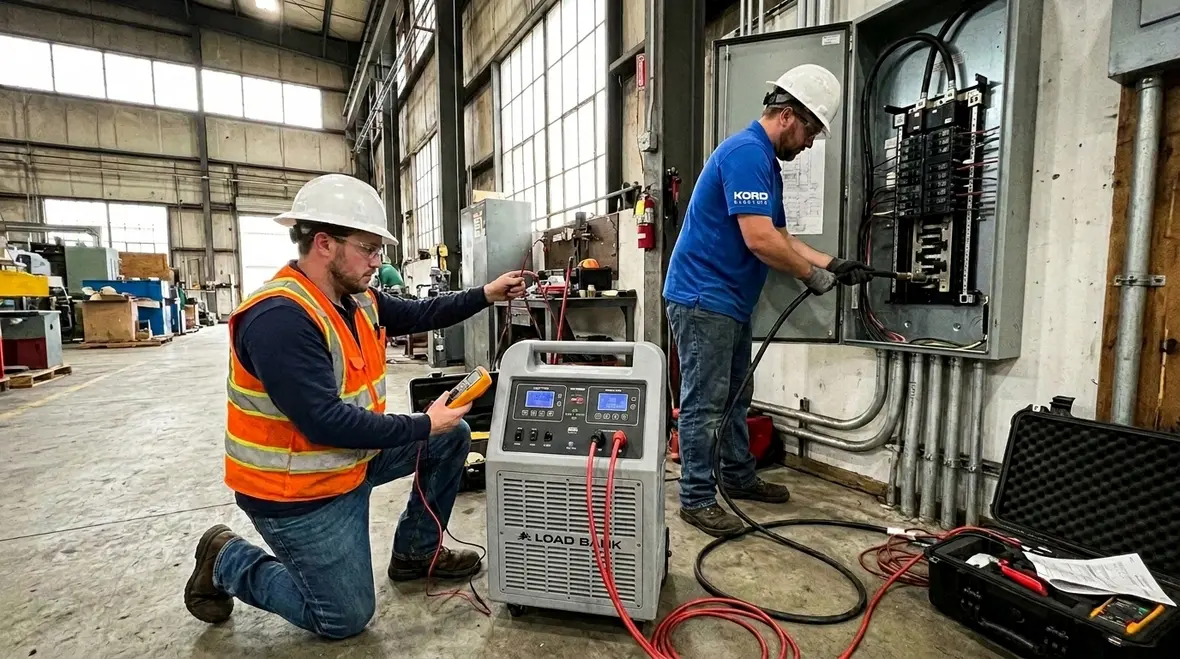
In many commercial settings, the problem does not show up as a full outage. It shows up as reduced performance, repeated equipment stress, and nuisance trips. Voltage stability plays a major role in how motors start, how drives regulate speed, and how building automation controls behave.
We often reference the issues described in our guidance on voltage fluctuations in commercial and industrial facilities. When voltage fluctuates under load, equipment draws current differently than expected. Therefore, a system that looks “okay” at a low load can still create trouble during peak demand.
Our technicians look for symptoms that align with voltage fluctuation risks, such as inconsistent motor operation, unexpected hot spots, and equipment that fails sooner than its expected life. Then we connect those observations back to system capacity and distribution health, so facility teams understand the cause rather than only the effect.
What we check during load testing and follow up
Commercial and industrial electrical systems use many paths to deliver power. Accordingly, we evaluate the system at stages rather than treating it as one big black box. During testing, we focus on the parts that commonly degrade and cause safety issues.
Here is what our team typically evaluates
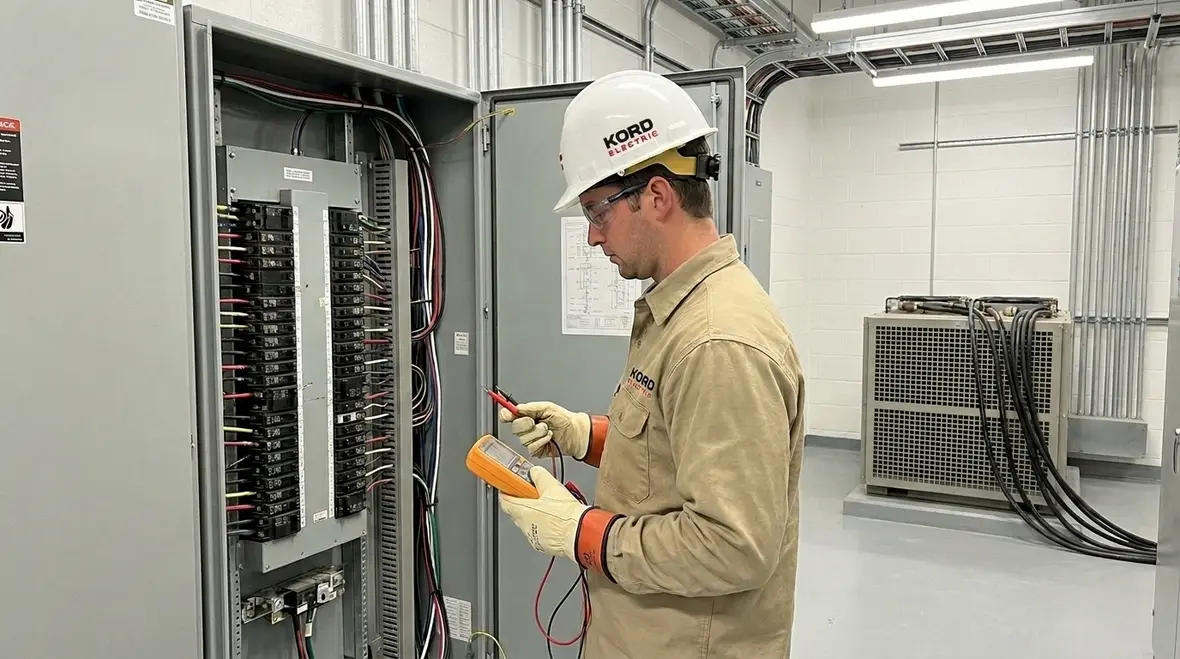
- Panelboards and distribution equipment, including how they handle current at real operating demand
- Feeder conductors and connections, because loose or aging connections can heat up and fail
- Major load behavior, including motor starting and run characteristics that stress components
- Protective device response, since breakers and fuses should protect without causing repeated nuisance interruption
- Voltage response under load, so building equipment runs within safe and expected limits
After testing, our technicians explain the findings in business casual language that facility leaders can act on. We discuss what looks stable, what needs monitoring, and what requires repair or service. In addition, we help prioritize recommendations based on risk and operational impact, so owners can protect the facility without disrupting production plans.
In short, we do not just perform testing. We turn results into next steps.
Commercial electrical load testing for fire risk and equipment life
Fire risk grows when electrical components operate outside safe conditions. That can come from overheating connections, insulation breakdown, or uneven load paths that stress certain sections more than others. When load rises, weak links reveal themselves quickly. Therefore, a proper load testing program supports safer operations by identifying stress points before they turn into damage.
Equipment life also depends on electrical conditions. Motors, drives, transformers, and automation systems experience wear when the electrical environment is unstable or overloaded. Even when equipment survives, it can suffer hidden damage that shows up later as reduced efficiency, recurring faults, or premature replacement costs. We help our clients avoid that “death by a thousand alarms” scenario.
When our expert service staff reviews test results, we connect them to maintenance planning. That means owners can schedule repairs and service with confidence, rather than guessing based on symptoms that may have multiple causes. And unlike some pop culture villains, electricity does not give second chances.
Choosing a partner for major property buildings
Commercial and industrial facilities need a testing partner that understands real operations, not just theory. Kord Electric limits our focus to commercial and industrial buildings and major property structures. We do this because those environments demand careful coordination, practical field experience, and a clear process for handling electrical systems under real demand.
When you work with us, our approach stays grounded in safety and performance. We plan testing around how your building actually runs. Then we produce clear outcomes your team can use, whether they need service now or planning for next steps.
And because we communicate throughout the process, stakeholders know what we find and what we recommend. That reduces confusion and helps teams make decisions faster. In a world full of vague reports, we prefer straightforward results and calm guidance.
If you are building a broader strategy for reliability, structured programs like Kord Electric’s electrical preventive maintenance services pair naturally with commercial electrical load testing. Together, they help major properties keep systems compliant, predictable, and ready for growth.
FAQ
Call Kord Electric for safer power in your facility
If you operate a commercial or industrial facility, you cannot afford “electrical guesswork.” Kord Electric delivers commercial electrical load testing that helps confirm safe performance under real demand, supports stable voltage behavior, and extends equipment life. Our technicians explain the results in plain terms and guide next steps based on risk and urgency. Contact us to schedule testing for your building and protect your people, operations, and equipment before the next peak load turns into a problem. We will handle the heavy lifting, calmly.
For facilities building a long-term strategy around reliability and safety, pairing commercial electrical load testing with ongoing programs such as our electrical preventive maintenance services and other commercial electrical solutions helps keep power systems ready for growth, upgrades, and future projects.
When you are ready to move from planning into action, our dedicated electrical preventive maintenance services for commercial and industrial properties provide a natural next step after testing. Together, these services form a calm, organized framework for safety, uptime, and long-term system health.
If your facility is also preparing for upgrades such as new equipment, expanded production, or EV charging infrastructure, our broader commercial and industrial service offerings ensure the same level of disciplined planning and execution across every major electrical project.