Commercial Electrical Load Testing for Safer Sites
Why commercial electrical load testing keeps commercial and industrial sites safe
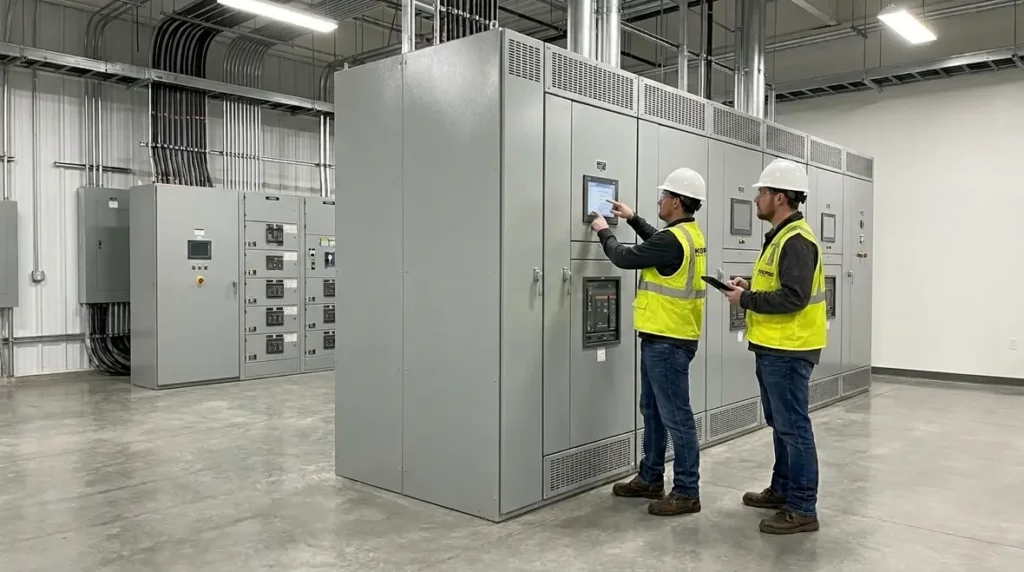
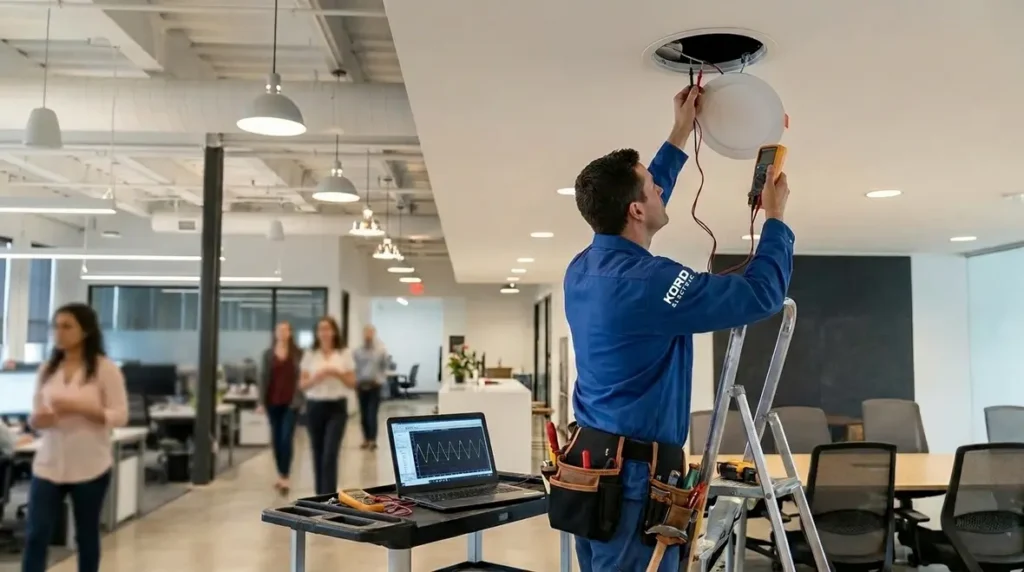
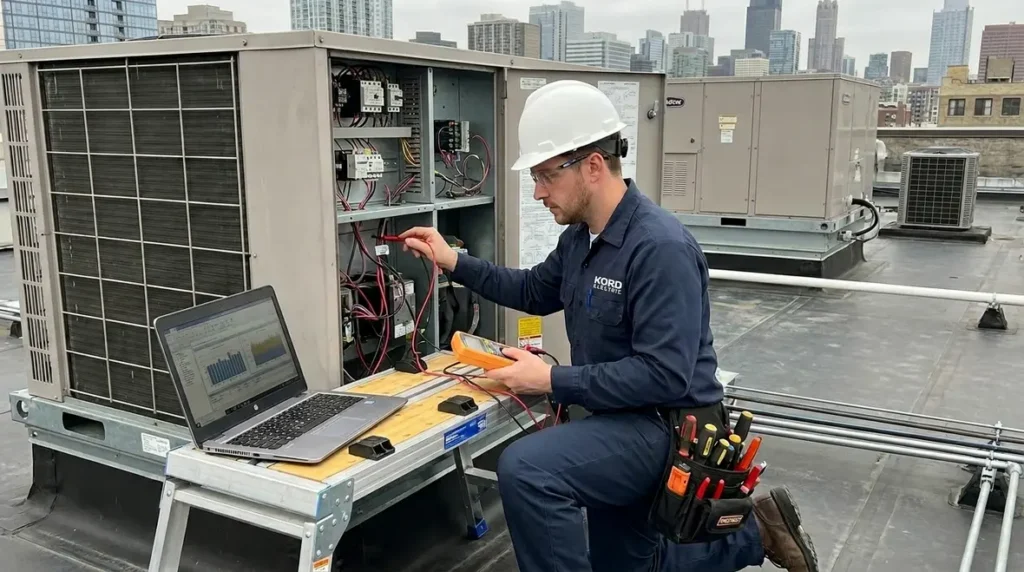
At Kord Electric, we treat electrical systems like the backbone of your building, because they are. That is why commercial electrical load testing sits at the front of our safety work. We help facility managers confirm the electrical system can handle real demand, not just what the nameplate promises. In other words, we do not guess. We measure. And then we explain what we find, in plain language that our customers actually want to hear. Our technicians walk the site, run the tests, and translate the results into practical next steps.
And yes, we know electricity has a sense of humor. It will behave fine during inspection and then act up when the cooling system kicks in on the hottest day. Fortunately, load testing helps us catch that mismatch before it becomes a headline, a downtime event, or an avoidable repair bill.
Commercial load changes and why safety depends on real-world demand

Commercial and industrial facilities rarely stay still. Tenants add equipment. Production schedules shift. New chillers start up. So, even if your system passed a prior check, the risk can quietly grow over time. That is where commercial electrical load testing matters. We evaluate how voltage, current, and power respond when the system operates under load conditions that match how you run the building.
When electrical components work near their limits, heat builds up. Heat degrades insulation. Degradation can lead to partial faults that look harmless at first. Then, suddenly, you see tripped breakers, overheating connections, nuisance alarms, or worse. As a result, safety depends on measuring what happens under stress, not only inspecting components that look fine.
Our expert service staff focuses on the full picture. We do not just test one panel and call it a day. We trace circuits, examine loading patterns, and compare performance across equipment. Then we discuss what the readings mean for your specific site and operating habits.
Along the way, we frequently connect our findings to broader power quality concerns. For facilities already wrestling with unstable conditions, our dedicated resource on voltage fluctuations in commercial and industrial facilities provides additional context on how load changes, distribution design, and equipment age interact behind the scenes.
Load testing identifies hidden problems before they turn into downtime
Most electrical issues do not announce themselves with a siren. Instead, they develop like a slow leak. You might notice the problem only after it becomes expensive. That is exactly why commercial electrical load testing supports preventative maintenance for commercial and industrial buildings.
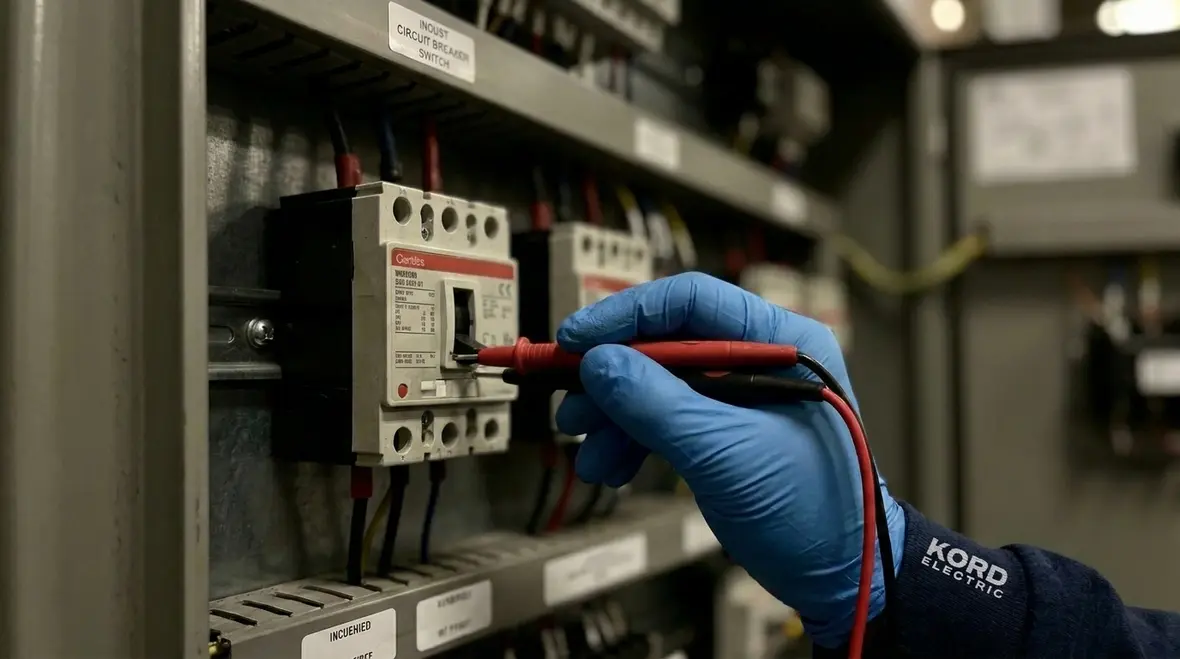
During our evaluations, we look for signs of strain such as voltage drop, unbalanced loads, and performance that shifts when the system draws peak demand. When voltage drops under load, equipment can run hotter and less efficiently. Motors and HVAC systems may struggle. Sensitive equipment can experience stability issues. If we catch these early, we can recommend targeted fixes such as connection work, breaker adjustments, or system balancing.
In a way, load testing is like stress testing a team before the big game. Others may show up and hope for the best. We show up with tools, data, and a calm plan. That same mindset carries into our broader electrical preventive maintenance services for commercial and industrial facilities, where we align maintenance schedules and testing with how your building truly runs.
How voltage fluctuations connect to load stress and equipment health
Voltage fluctuations and load conditions often travel together. When demand rises, the system has to respond quickly. If the electrical network cannot hold steady voltage, equipment experiences strain even if it still runs. This is a common story in commercial and industrial settings where load swings come from HVAC cycles, manufacturing loads, or large multi-tenant usage patterns.
Our team often references the real causes and practical impacts discussed in our resource on voltage fluctuations for commercial and industrial facilities. For example, our guidance highlights how distribution issues, improper sizing, and aging components can contribute to instability. When voltage instability shows up during high demand, it can increase wear on transformers, stress drives, and make protection devices behave inconsistently.
Then the ripple effect follows. So, we connect the dots between what voltage does under load and how that behavior affects reliability. Once we know the pattern, we can recommend upgrades or corrective work that match the risk level of the building. That keeps your operation steady, and it keeps safety on track.
In many cases, commercial electrical load testing becomes the missing link between “something feels off” and a clear plan of action. The data shows exactly when and where the system struggles, helping your team justify improvements instead of guessing.
What our technicians test during commercial electrical load service
Our technicians build the test plan around how the facility actually operates. We do this because a load test for one building rarely fits another. And we respect downtime constraints, because your business does not stop for our schedule.
Typically, we perform load testing that verifies electrical performance under controlled demand. This may include measurement of current draw across phases, voltage under load, and the way the system behaves at different operating points. We also review how equipment responds when systems cycle, such as cooling loads that ramp and stabilize.
As we run the test, we document findings and compare them to expected performance. Afterwards, our expert service staff explains results clearly. We do not hide behind technical jargon. Instead, we point out what needs attention, what looks acceptable, and what might become a problem if the building’s load profile keeps trending upward.
One of our favorite moments is when a customer says, “We thought it was fine.” And we reply, gently, “It is fine today. Let us keep it that way tomorrow.” That is the whole point.
For properties that already know they need deeper upgrades, this same testing often informs decisions around larger projects such as rewiring, panel work, or data center improvements. It pairs naturally with planning guides like our insights on commercial rewiring cost and data center electrical distribution design, giving you a clearer picture of where commercial electrical load testing fits within long term strategy.
Dual-column: reporting and action planning for commercial and industrial buildings
What we provide after load testing
Test results summary with key measurements tied to your system
Observed risk indicators related to heat, stability, or stress
Recommendations prioritized by safety impact and urgency
Operational notes showing how your site loads align with findings
How we help teams act on the findings
Clear next steps for maintenance, repair, or upgrades
Planning support that considers schedules and operational limits
Follow-up guidance to verify improvements after work
Coordination with facility teams and stakeholders
These reports also make it easier to align commercial electrical load testing with broader programs. For example, facility leaders often use our findings to refine their electrical preventive maintenance schedule or to support internal capital planning conversations about future upgrades.
FAQ: commercial electrical load testing, safety, and performance
Building safer operations with Kord Electric
When your commercial or industrial facility runs day and night, electrical risk does not wait for the next scheduled inspection. Kord Electric delivers commercial electrical load testing that supports safety, stability, and dependable performance. Our technicians and expert service staff measure real demand, explain results clearly, and help you plan the right corrective work. If you want fewer surprises, better equipment health, and smarter maintenance decisions, contact us today to schedule an assessment for your building.
For many teams, the next step after testing is to align with a comprehensive service partner who can help with ongoing inspections, voltage troubleshooting, and project-based upgrades. Our commercial electrical services across Southern California are built around that exact need, from routine maintenance to specialized support for data centers, kitchens, and high-demand industrial environments.
If your facility is already considering broader reliability improvements, pairing commercial electrical load testing with a structured electrical preventive maintenance program helps keep the gains in place. Together, they turn one-time insights into long term protection for your people, equipment, and operations.