Commercial Electrical Load Testing for Safety
Commercial electrical load testing: safety starts with what the system actually does
At Kord Electric, we support commercial and industrial facilities and major property buildings, and we take safety personally. That is why we use commercial electrical load testing as a practical step, not a paperwork exercise. In the first place, testing shows how equipment behaves under real demand. Then it helps us catch weak points before they turn into heat, outages, or expensive repairs. In other words, we do not wait for the lights to flicker like a bad movie moment. We verify performance, confirm capacity, and protect people and assets. And yes, we know some folks think electrical testing is like checking your smoke alarm after the fire. We handle it earlier, calmly, and with results you can use.
Why load testing prevents hazards before they grow
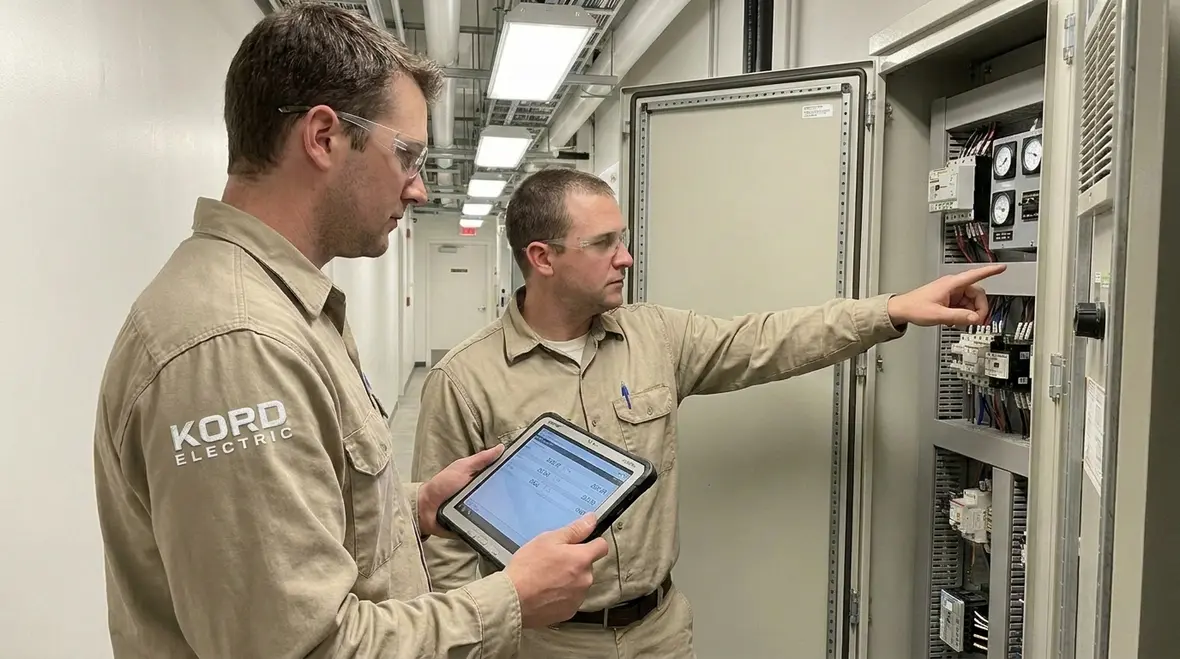
Every building has electrical stress, but the danger increases when a system is already struggling. For example, wires that look fine at rest can overheat when the load rises. Likewise, connections that seem “tight enough” may loosen under cycling temperatures. Consequently, safety becomes less about guesswork and more about measurable performance. When we run load analysis, we help identify hotspots, imbalanced phases, and equipment that fails to deliver expected current.
Additionally, we focus on the risks that matter most to commercial and industrial sites. Those risks often include:
- Overheating at panels, terminations, and bus connections
- Voltage sag that affects sensitive loads like VFD drives and control systems
- Unstable operation that shortens motor and transformer life
- Breaker wear that shows up as nuisance trips or slow clearing
And because we work with facilities that run business hours, we schedule testing to reduce disruption. We also explain what we find in plain language, so others can make decisions with confidence. Our technicians and expert service staff talk you through the results, step by step, because clarity is part of safety.
How technicians translate results into a clear safety plan
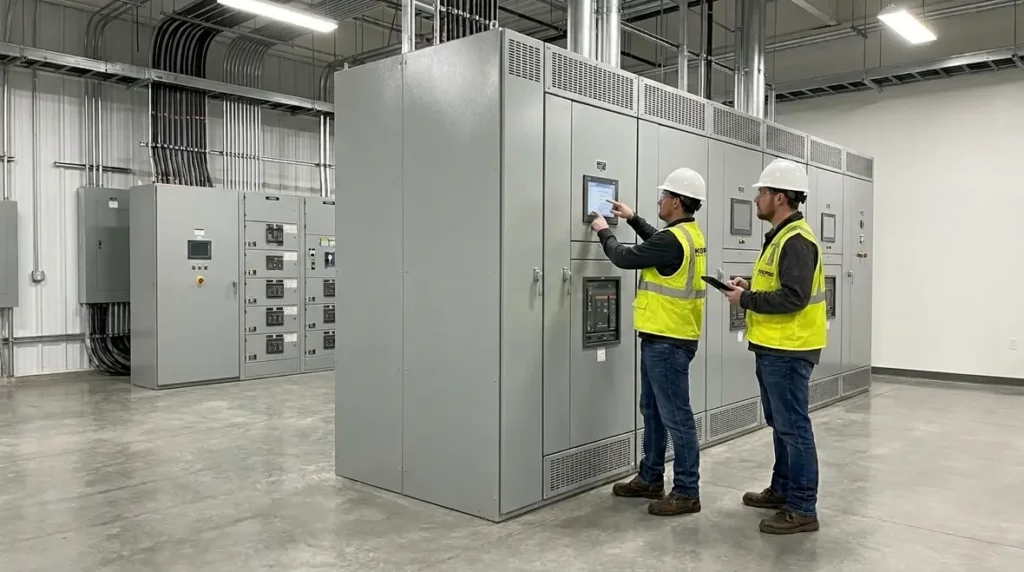
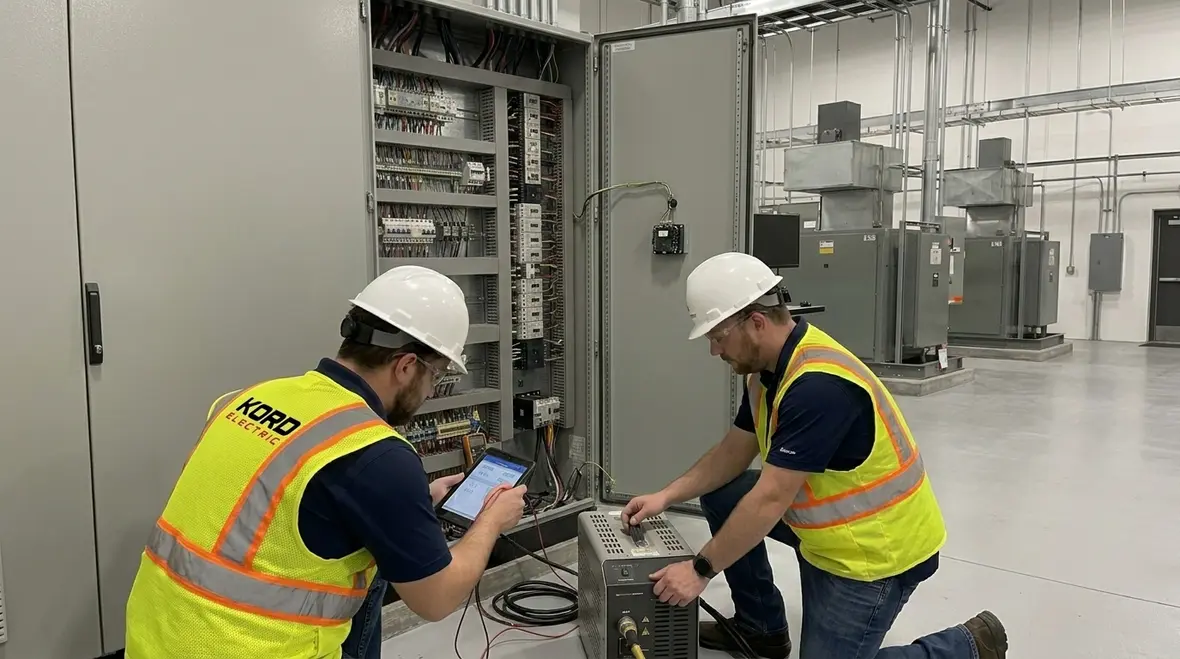
When our team arrives, we do not just hook up equipment and hope for the best. First, we review the site electrical one line, recent work history, and operating patterns. Then we set up test conditions that match actual use, which helps the findings hold real meaning.
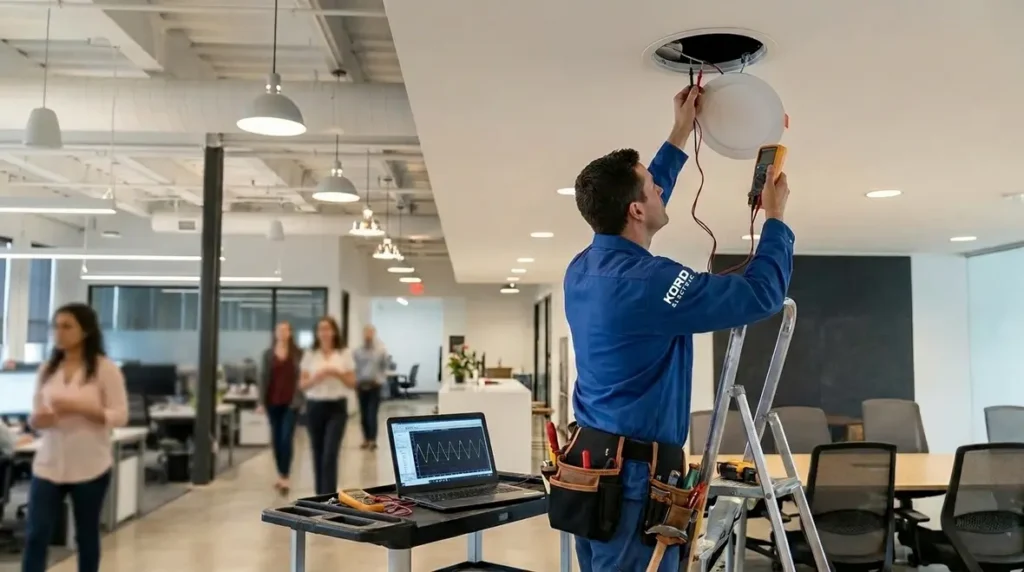
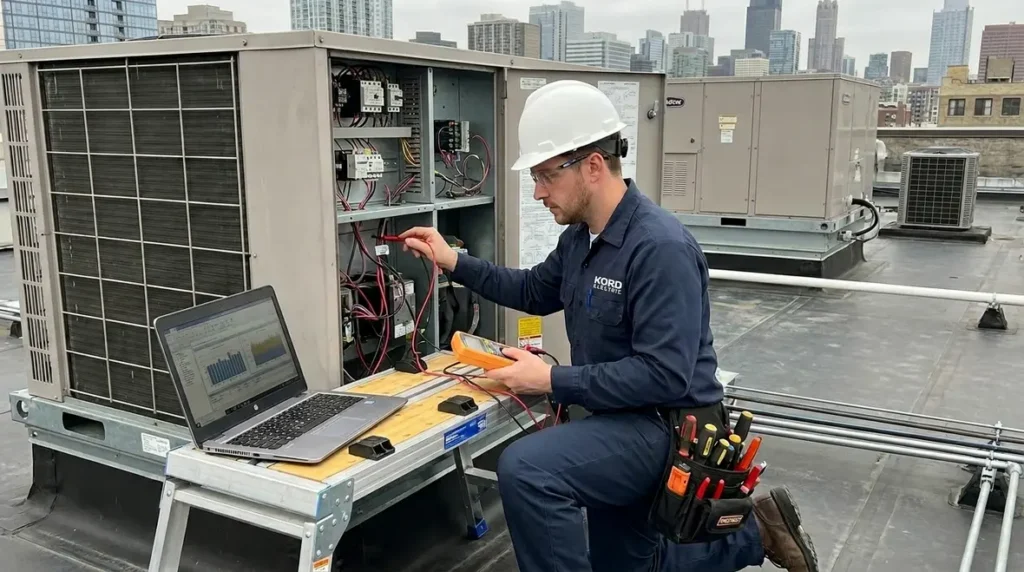
During commercial electrical load testing, our technicians typically check load behavior across key components. They look at how amperage and voltage respond as demand increases, and they watch for signs of imbalance. After that, we compare the test results to expected performance and to manufacturer guidance. If something does not match, we flag it for correction.
Here is where our experience matters. We know which “small” issues often become big failures. For instance, a panel with slight imbalance can still look normal during visual inspections. Yet under load, phase differences can drive uneven heating. Similarly, worn connections can create resistance, which turns electrical energy into unwanted heat. Then, eventually, the system starts aging faster than planned.
In our conversations, our expert service staff explains what the numbers mean, and we relate them to real-world outcomes like equipment downtime, maintenance costs, and safety incidents. Sometimes we even point out that a problem does not need to be dramatic to be dangerous. Like a slow leak in a tire, it can still leave you stranded. Only this time, the “roadside” is your production floor.
Voltage stability matters in commercial and industrial buildings
Electrical load and voltage stability travel together. When demand changes, voltage can dip or fluctuate, and that behavior can stress equipment. In fact, the kind of voltage issues covered in our article on voltage fluctuations in commercial and industrial settings often show up when systems do not have stable performance under load. Therefore, we treat load testing as more than a capacity check. We use it to understand how the system reacts in normal operation, not just in idle states.
When voltage dips, motors can draw higher current, transformers can run less efficiently, and controls can behave unpredictably. Consequently, even if the system “does not fail outright,” the risk moves into wear and degradation. That is why our technicians connect load results to voltage behavior and to the equipment types present in the facility. If a building depends on sensitive processes, stable voltage becomes a safety and continuity issue, not a comfort feature.
Meanwhile, we keep the conversation grounded. We explain what changes under load, and we recommend actions that fit commercial realities: patching, tightening, correcting imbalance, improving protection settings, or planning upgrades where needed. We keep it practical, because facilities do not run on hope. They run on schedules.
What we look for during load testing in major property buildings
Commercial electrical load testing should reflect how the facility actually runs. For large sites and major property buildings, the load profile can shift across day parts, tenant operations, and seasonal cycles. As a result, we plan tests to capture meaningful conditions. Then we evaluate the data to spot patterns that point to underlying causes.
Our focus typically includes these performance areas:
- Panel and feeder load balance to reduce uneven heating and premature wear
- Voltage response under demand to verify stability during peak use
- Equipment loading limits so transformers and breakers operate within safe margins
- Connection resistance indicators that often appear only when the current rises
- Motor and drive behavior in systems that include pumps, fans, and process equipment
Once we gather these details, we help the facility team understand next steps. For example, if we find consistent imbalance, we may recommend targeted corrections and follow-up verification. If we see voltage behavior that correlates with peak loads, we recommend options that can reduce stress. That could include improvements to system design or coordination with utility and power quality strategies, depending on what the tests show.
And because we only serve commercial and industrial facilities and major property buildings, we align with how these clients operate. We know what matters: uptime, safety, compliance needs, and predictable maintenance. In short, we help you avoid the electrical version of “surprise, the problem is bigger than we thought.”
For property leaders evaluating broader upgrades, commercial electrical load testing also pairs naturally with ongoing programs like electrical preventive maintenance and strategic projects covered in resources such as the Rewiring Cost Guide for Commercial Electrical Systems. Together, these efforts turn scattered fixes into a coordinated plan for long-term reliability.
Scheduling and follow up: how we keep safety from fading after the report
Testing is not a one and done event. It is a checkpoint in an ongoing safety routine. Therefore, we help clients set a schedule that matches their equipment age, operating hours, and observed risks. If a building runs critical processes, we may recommend testing at intervals that align with major load changes. Additionally, we coordinate with facility managers to minimize disruptions and keep work safe for occupants and staff.
Just as important, we follow through with clear documentation and recommendations. Our expert service staff explains findings in a way that the electrical team and building leadership can act on. Then we outline practical steps, from immediate corrections to longer term plans.
And here is the part some people skip, which we do not. We discuss verification after repairs. If a connection gets tightened or a protection setting changes, testing confirms the improvement. In other words, we do not celebrate the fix just because it looks better. We confirm it performs better.
That approach protects safety and also helps budgets. When we reduce failure risk early, we avoid emergency work, overtime, and the kind of downtime that makes everyone start using the phrase “we need this yesterday,” like it is going to summon a crew out of thin air.
When commercial electrical load testing reveals urgent concerns, pairing the findings with services like emergency electrical services ensures that the most serious issues are handled quickly, safely, and with code-compliant solutions that stand up to future inspections.
FAQ: commercial electrical load testing
Conclusion: choose safety you can measure with Kord Electric
When it comes to commercial and industrial safety, we believe in verification, not guesswork. Kord Electric performs commercial electrical load testing to help facility teams uncover hidden risks, improve voltage stability, and protect equipment that keeps your operation moving. Then our technicians and expert service staff explain the findings clearly and recommend next steps you can trust. If you manage a major property building and want safer electrical performance, contact us today. We will schedule testing that fits your operations and your priorities.
If you are planning broader reliability improvements, consider how commercial electrical load testing can dovetail with long-term programs like electrical preventive maintenance or targeted power quality work highlighted in our resource on voltage fluctuations in commercial and industrial facilities. Together, these strategies help protect people, assets, and schedules across your portfolio.
For facilities that need to move quickly from “we think there is a problem” to “we know it is fixed,” pairing load testing insights with dedicated emergency electrical services keeps response times tight and safety standards high.