Commercial Electrical Load Testing for Safety
Commercial Electrical Load Testing Keeps Safety on Schedule
At Kord Electric, we take commercial electrical load testing seriously because safety does not show up by accident. In the first 100 to 150 words, here it is plain: load testing helps us verify that a building’s electrical system can handle real operating demand, not just what a nameplate claims. Therefore, when we test, we do it with care, documentation, and trained eyes on the same equipment your crews depend on every day.
Now, some people treat electrical testing like it is a birthday surprise. Cute idea, but it can go wrong fast. Others wait until something trips, heats, or flickers. However, we would rather prevent the drama than explain it after the fact, especially for commercial and industrial facilities and major property buildings where downtime costs real money.
Why Load Testing Matters for Real Life Electrical Demand
Commercial sites run on patterns. Lunch hours change the load, equipment cycles on and off, and seasonal shifts push demand higher or lower. As a result, electrical systems can appear fine during light use and then struggle under actual service conditions. Load testing closes that gap.
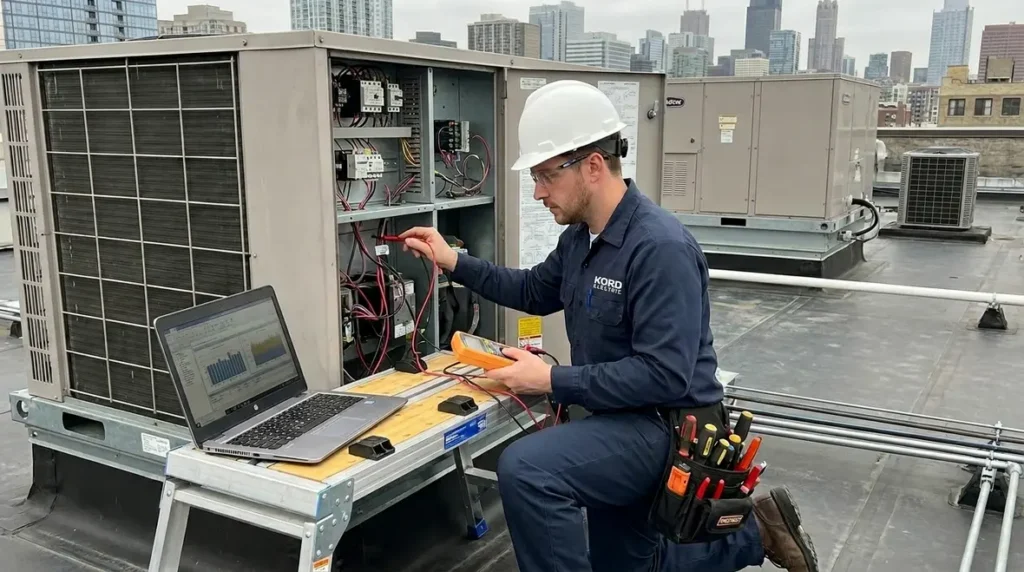
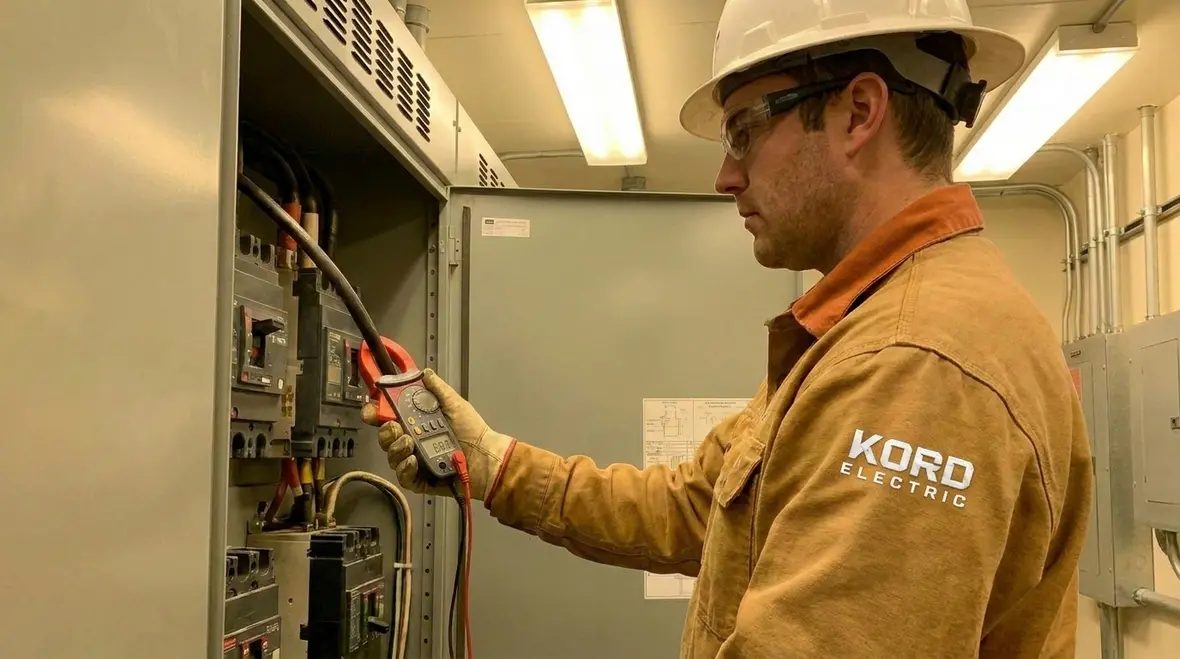
We typically check how the system performs under expected load and during transitions. For instance, we look at voltage stability, current draw, and how protective devices respond. Then we compare what the system should do to what it actually does. If the behavior does not match, we find the weak link early, before it turns into heat, arcing, or equipment stress.
Our technicians and expert service staff explain what we find in plain language. Also, we do not just say “it’s good” or “it’s bad.” Instead, we walk others through the results and the likely causes, so the decision makers can act with confidence.
How Load Testing Protects People, Equipment, and Operations

When electrical performance drops, risk rises. Heat builds at loose connections, insulation ages faster, and motor control systems see more stress than they should. In addition, unstable voltage can cause sensitive equipment to malfunction or degrade sooner than planned.
Load testing protects three things at once: people, equipment, and operations. First, it helps reduce the chance of overload events that lead to trips, damage, or unsafe conditions. Second, it helps extend the life of critical gear by identifying performance issues early. Third, it supports continuity, because fewer electrical surprises means fewer shutdowns.
And yes, we know some managers would rather spend money on production than on electrical checks. But we tell them the math is different. One avoidable failure can cost more than the test, especially in facilities with high uptime expectations.
Voltage Fluctuations, Business Risk, and What We Measure
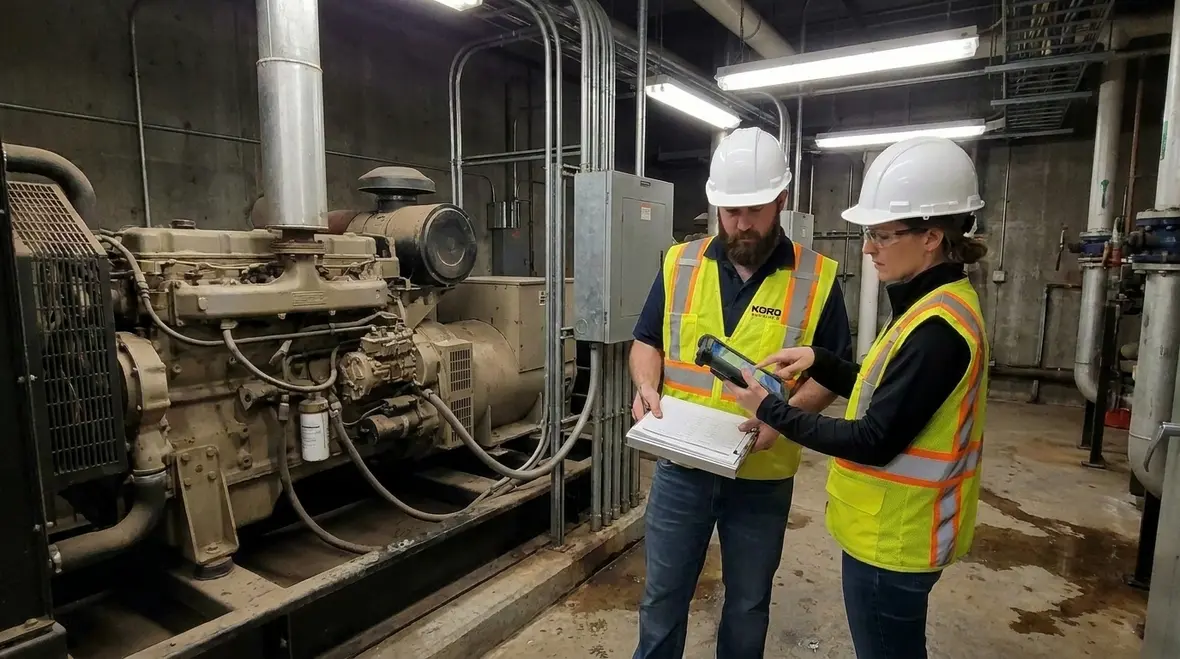
We often see the root of many electrical complaints in voltage behavior. Therefore, our approach includes the same key ideas we explain in our voltage fluctuations guide for commercial and industrial environments. If voltage swings happen, motors may run hot, lighting can flicker, and process controls can act oddly.
In many buildings, voltage issues come from load changes, panel capacity limits, aging components, or wiring and connection problems. So, when we perform load testing, we measure how the system responds when demand changes. Then we identify whether the system holds voltage within acceptable ranges and whether the distribution components handle current safely.
At Kord Electric, our technicians use structured methods and clear reporting. Meanwhile, our expert service staff takes time to explain what voltage fluctuation means for your operation, not just for the electrical system. We translate the numbers into practical risk: equipment stress, production interruptions, maintenance headaches, and the chance of nuisance shutdowns that no one wants to explain to customers.
Commercial Electrical Load Testing, Not Guesswork, for Major Buildings
Major property buildings and industrial facilities demand precision. We cannot rely on “it seems fine” because electrical systems do not care about opinions. They care about load, heat, and time.
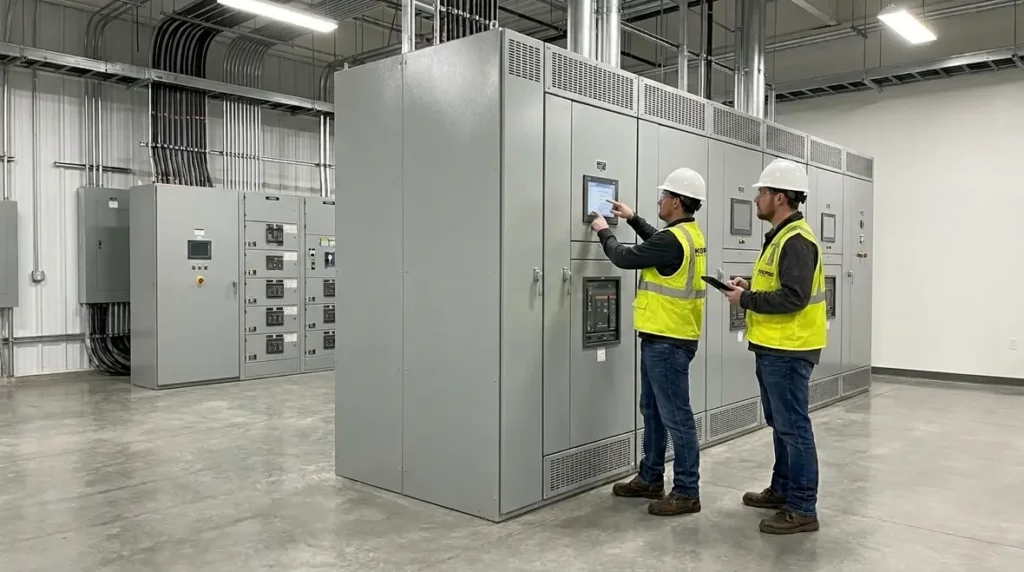
So, we plan the test to match your site. First, we review the electrical layout and operating profile. Then we schedule testing at times that limit disruption. After that, we conduct the load test, record measurements, and compare results to expected performance.
When we find issues, we do not stop at reporting. We recommend next steps based on what the data shows. Sometimes the fix is tightening connections or addressing panel components. Other times it involves correcting distribution imbalance or improving how the system manages varying demand.
We also help others document findings for internal maintenance planning and compliance needs. As a result, your team can justify repairs with evidence, not assumptions. And if someone says, “We tested it once years ago,” we smile politely. Then we point out that time and load patterns do not stand still.
Steps We Follow During Load Testing for Industrial-Grade Accuracy
Good testing follows a process. Therefore, we keep our approach consistent across commercial and industrial facilities and major property buildings.
1) Pre site review
We gather details about panels, circuits, operating schedules, and known issues. We also review maintenance history when it is available.
2) Planning and safety setup
We coordinate with the facility team to reduce risk and limit downtime. Then we verify the test approach aligns with your operating needs.
3) Measurement under realistic load
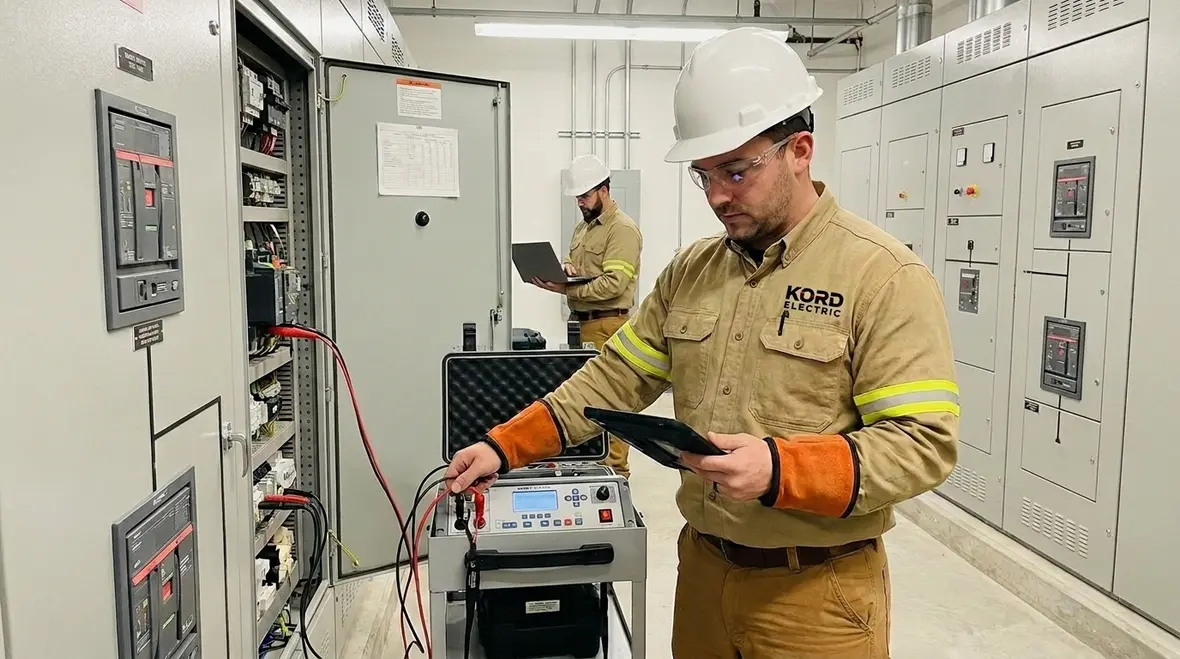
We monitor system behavior during load conditions that reflect actual usage. We capture data long enough to see stable performance, not just momentary readings.
4) Analysis and comparison
We compare what we measure to expected performance for voltage behavior, current draw, and system response.
5) Clear explanation and recommendations
Then our technicians and expert service staff explain findings in plain terms. We provide options for corrective action and help prioritize next steps based on risk.
Along the way, we maintain a calm, professional pace because electrical work rewards patience. Rushing a test is like rushing a diagnosis, and nobody wins that game.
FAQ: Quick Answers for Commercial and Industrial Facilities
Request a Load Testing Plan With Kord Electric
If your facility runs on real schedules, then your electrical system deserves real verification. Kord Electric delivers commercial electrical load testing with trained technicians, clear reporting, and practical next steps for commercial and industrial facilities and major property buildings. Therefore, if you want safer operations, fewer electrical surprises, and better confidence in power quality, reach out to us. Call or request service today, and we will help you plan a test that fits your site and your goals.
For many teams, the next logical move after testing is to formalize ongoing care. That is where structured electrical preventive maintenance comes in, pairing commercial electrical load testing with scheduled inspections, cleaning, and performance checks so your system stays ready when production ramps up.
If voltage instability or unexplained shutdowns are already on your radar, you can also review our dedicated guide to voltage fluctuations in commercial and industrial facilities to see how detailed diagnostics and targeted repairs tie directly into the same disciplined mindset we bring to every load test.
When you are ready to turn planning into action, Kord Electric’s commercial and industrial service team can help you coordinate testing windows, documentation, and follow up work across multiple properties or high priority spaces. From load testing and troubleshooting to long term maintenance programs, our focus stays on protecting people, equipment, and operations so your crews can concentrate on production, tenants, and growth.