Commercial Electrical Load Testing for Safety
Why commercial electrical load testing keeps commercial sites safe
At Kord Electric, we focus on commercial and industrial facilities, because safety and reliability cannot be treated like a part-time job. That is why we use commercial electrical load testing early in the planning process and again when a building changes, ages, or starts acting “moody.” In the first 100 to 150 words, we will say it plainly: load testing helps confirm that electrical systems can carry real-world demand without overheating, sagging performance, or hiding weak points. And yes, weak points can hide. Electricity is like that ex who always “texts later.” It shows up when you least want it.
In the sections ahead, our expert service staff and technicians walk through what we test, why it matters, and how it connects to the kinds of issues we see in the real world, including voltage fluctuations in commercial and industrial settings. Along the way, we will also connect the dots to related topics we see in the field every week, from hidden electrical risks inside large commercial buildings to structured maintenance programs that keep those risks under control over time.
What commercial electrical load testing measures in real operating conditions
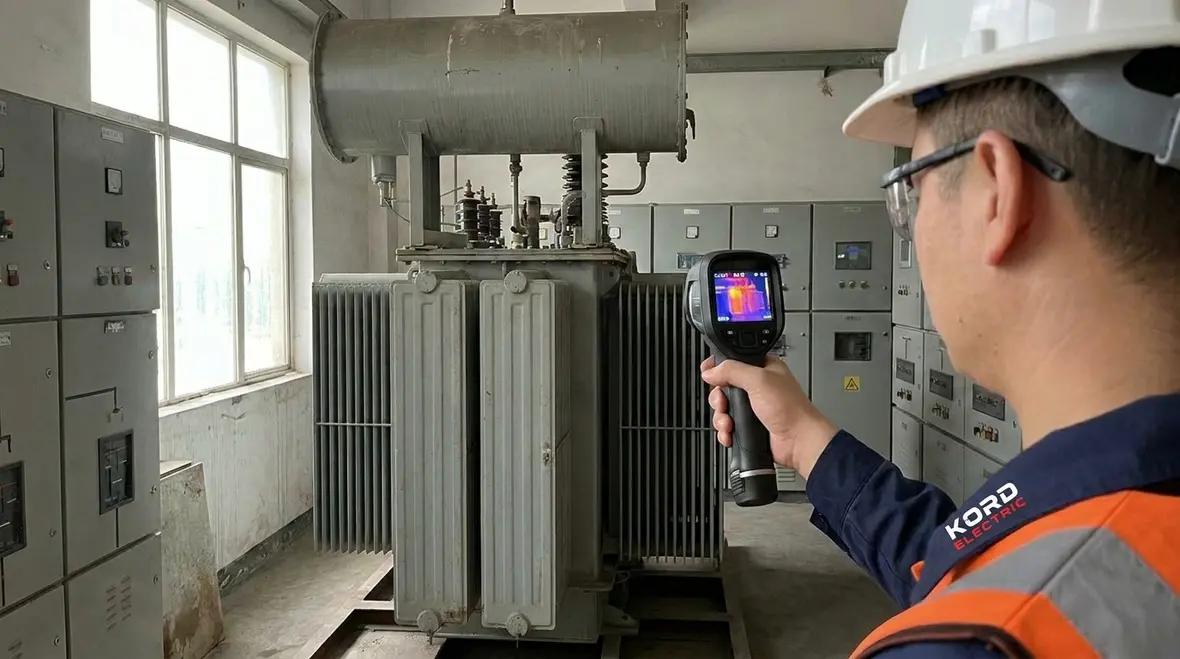
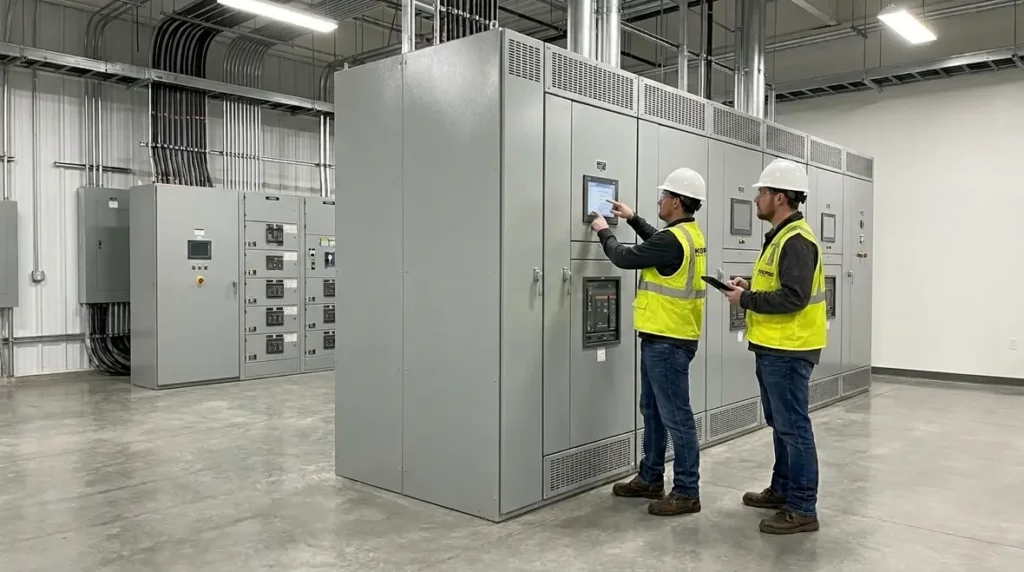
In plain terms, we do not just check whether power exists. We check whether the system can work under load, the way it does when a facility is busy, not when it is asleep. That means we evaluate the electrical path from the utility feed through panels, switchgear, transformers, and critical branch circuits that keep production lines, offices, and common areas online.
Then we compare what the system should deliver to what it actually delivers during controlled load conditions. As a result, our technicians can spot problems that routine inspections often miss. For example, they can identify excessive voltage drop, abnormal current draw, imbalanced phases, and weak connections that only show up once the equipment is asked to do real work. These are the kinds of silent issues that can turn into the hidden electrical risks so many commercial building owners worry about once something finally fails.
Also, commercial and industrial buildings rely on stable power for HVAC systems, production lines, elevators, pumps, security systems, refrigeration, and data equipment. Therefore, load testing supports a safer environment for people, protects assets, and helps prevent expensive downtime. When we combine real-world testing with structured preventive maintenance, facilities gain the same kind of long-term reliability described in Kord Electric resources on electrical preventive maintenance and commercial maintenance plans, turning one-time tests into a larger strategy.
How load testing prevents overheating and hidden failure points
Electrical failures rarely announce themselves with fireworks. Usually, they start quietly: a loose lug, worn insulation, failing terminations, or a transformer that runs a little hotter than it should. Over time, heat breaks down components, and eventually the building pays for it with outages or repairs that nobody budgeted for. If you have ever seen a “mystery” breaker trip in the middle of a busy day, you have already felt the early warning signs.
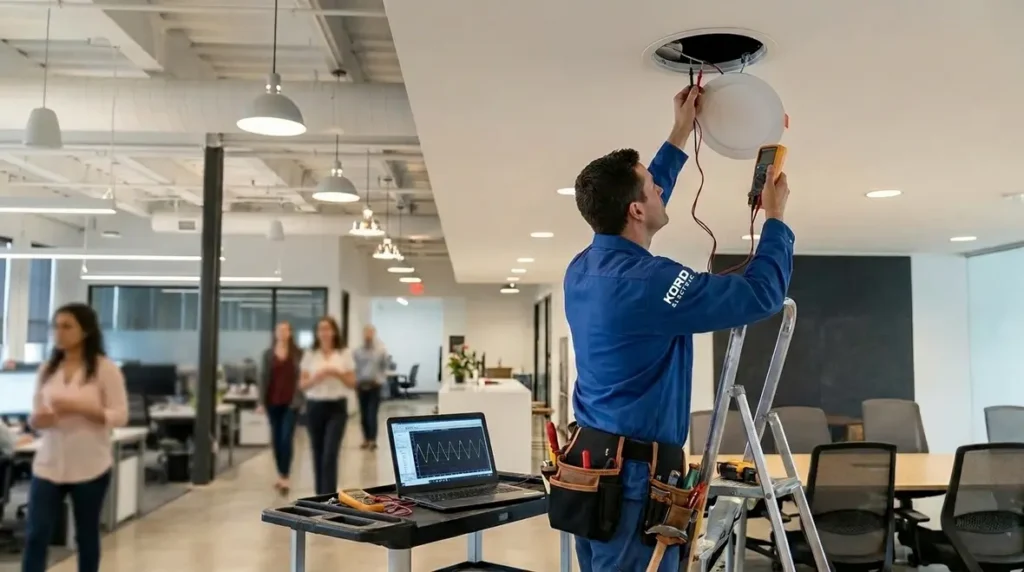
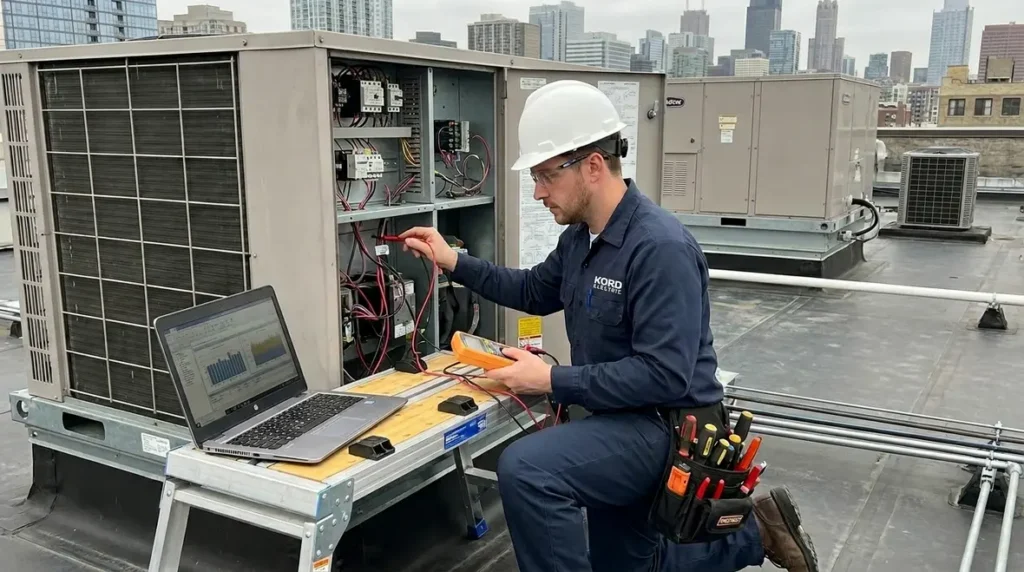
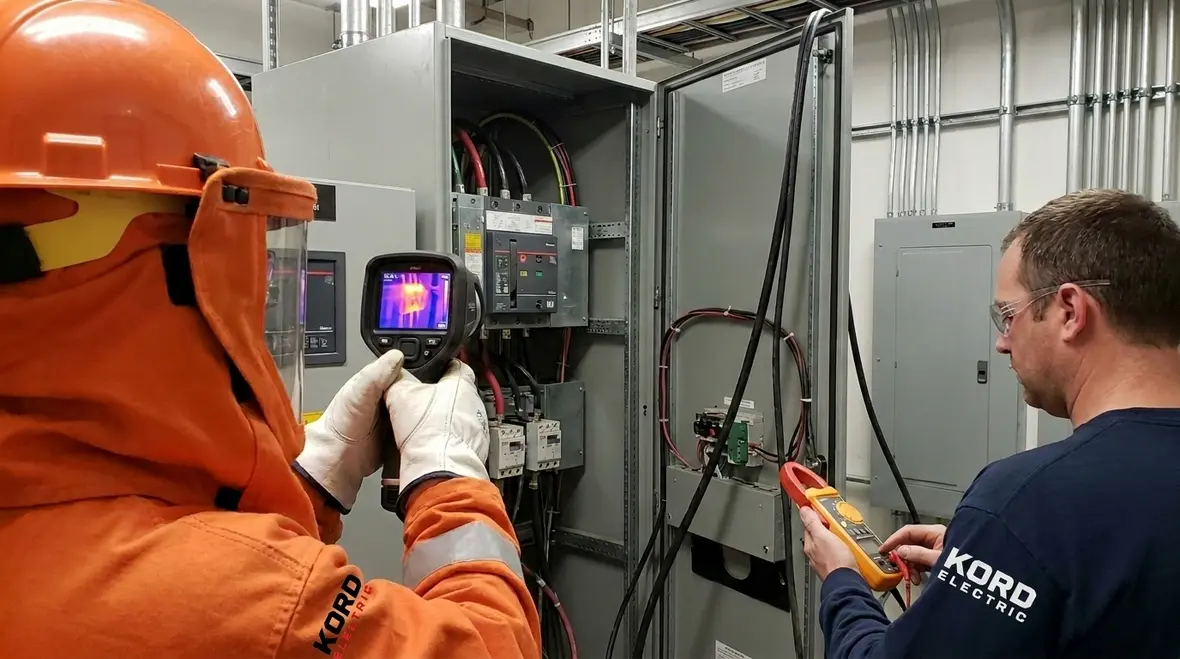
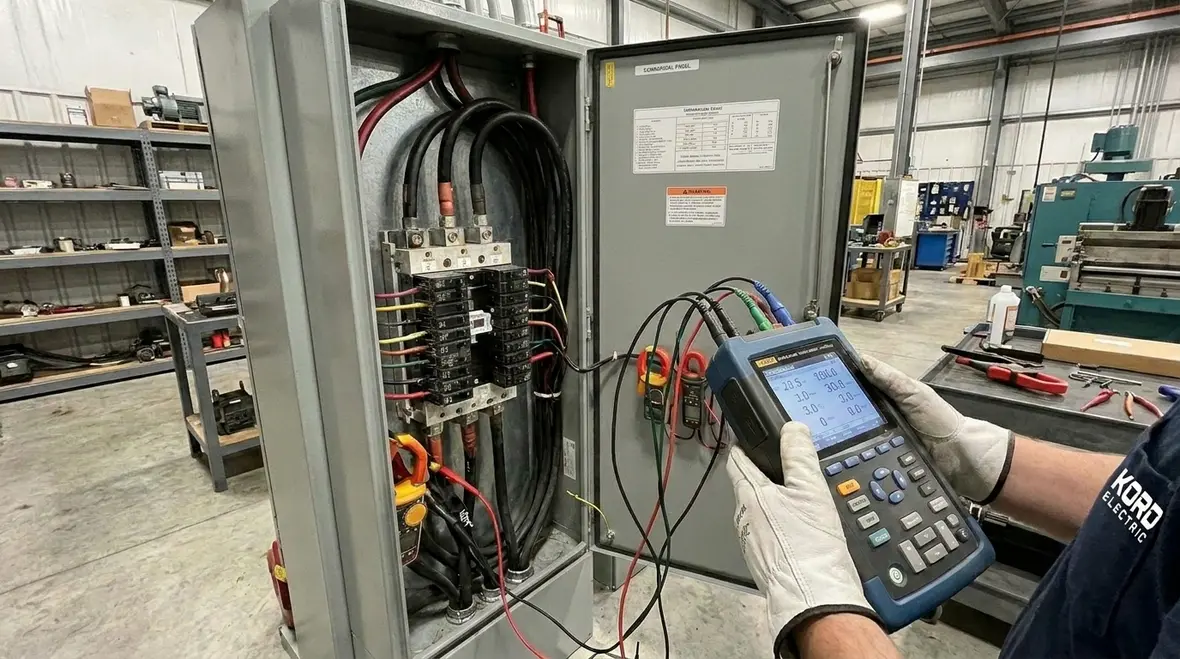
When we perform commercial electrical load testing, we apply measurable load while we observe electrical behavior in the field. Consequently, we can detect overheating risks tied to poor connections, damaged conductors, or incorrect protective settings. Additionally, we can check whether the load distribution across phases stays within safe limits, and whether panels or switchgear show hot spots that hint at deeper problems inside the metal covers.
Here is where our team earns its paycheck. Our technicians explain results in a way facility managers can act on. Instead of “trust us,” we show what we measured and what it suggests. We can tie findings back to real-world concerns like hidden overloads, subtle power quality issues, or aging equipment that needs to join the budget list before it fails. And yes, we also remind people that electricity does not care about your timeline. It only responds to physics, and physics always wins the argument if you ignore the early clues.
For facility leaders who want a broader view of these quiet risks, our load testing work often pairs with the same kind of investigative mindset described in Kord Electric’s article on hidden electrical risks in commercial buildings, where invisible problems can quietly build heat behind panels and conduits long before anyone smells smoke or sees flickering lights.
Voltage fluctuations in commercial buildings and why they matter
In many commercial and industrial properties, power quality issues create ripple effects that build up over time. For instance, unstable voltage can cause motors to run inefficiently, shorten equipment life, and increase energy use. It can also make sensitive electronics behave like they are haunted, especially when drives, controls, and process equipment rely on consistent supply to keep data accurate and processes stable.
We see patterns that connect directly to the topics covered in our resource on voltage fluctuations in commercial and industrial settings. When voltage drops or swings, protective devices can behave unexpectedly, and certain loads can draw more current than the facility expects. Meanwhile, aging components might already be near their limits, so the system fails faster once conditions worsen. It is the electrical equivalent of sprinting uphill with a heavy backpack and then wondering why your knees hurt.
Therefore, load testing is not only about capacity. It also supports power quality verification under realistic demand. As demand rises during peak operations, the building reveals what it can handle and where it starts to struggle. Combined with targeted diagnostics for voltage fluctuations, commercial electrical load testing gives facility teams a clearer picture of how power behaves when everything is running hard, not just during calm inspection windows.
And for the record, power problems do not wait until it is convenient. They show up during busy hours, holidays, and those “quick” maintenance windows that never stay quick. That is why we approach voltage and load issues with structured testing, thorough documentation, and clear communication rather than quick guesses.
Our process: what our technicians do and how we report results
We run this work like a controlled investigation, not a guessing game. First, our technicians plan the test to match the building’s layout and operating schedule. Then we coordinate with site leadership so we can apply load safely without disrupting critical operations more than necessary. For complex environments like data centers, production lines, or multi-building campuses, that coordination is as important as the testing equipment itself.
Next, we collect data during controlled conditions and verify key performance points. Throughout the process, our team focuses on clear observation of electrical output, load behavior, and stability. After that, we produce a report that explains findings in a business-friendly way, so your team can prioritize repairs and upgrades. Instead of a stack of numbers with no context, you receive clear recommendations connected to risk, timelines, and budget.
Also, we do not treat the report as the end. We review recommendations with the facility owner or manager and explain what changes make the most sense for safety and reliability. We often connect recommendations to other operational goals, like reducing downtime risk, improving equipment life, and supporting smoother operations for maintenance schedules. In many cases, we show how commercial electrical load testing aligns naturally with structured electrical preventive maintenance programs, so testing results feed directly into ongoing service rather than sitting in a binder.
And just like a good pilot, we avoid surprises. We make sure the building understands the “why” behind each step, because informed teams move faster when action is needed. When the same technicians who ran the tests also support follow-up projects—panel upgrades, rewiring, voltage correction, or lighting improvements—the path from data to decision becomes a lot shorter.
When commercial and industrial facilities should schedule load testing
Load testing should not be a one-time event. We schedule it based on changes, risk, and equipment age, because electrical systems do not stand still. Instead, we plan testing when it helps the most and when decision-makers can act quickly. That way, results turn into real projects instead of wish lists.
For many commercial and industrial facilities, load testing becomes especially important after one of the following occurs:
- New equipment is added, production processes expand, or major renovations happen that change how power flows through the building
- Aging switchgear, panels, or transformers show signs of stress through alarms, heat issues, or frequent nuisance trips
- There are complaints about dimming lights, inconsistent power to critical devices, or equipment efficiency problems that seem to come and go
- Maintenance history reveals long gaps between deeper electrical evaluations or previous commercial electrical load testing events
- Power quality concerns appear in monitoring data, especially during peak load or seasonal demand changes
Meanwhile, even well-run facilities should not assume everything stays perfect. Demand patterns shift, connections loosen over time, and equipment settles into new operating conditions. Therefore, we recommend load testing as a smart safety practice rather than a reactive one. Regular testing complements services like electrical preventive maintenance and lighting installation for large-scale facilities, creating a layered protection strategy instead of a one-time snapshot.
In practice, many properties pair scheduled load testing with broader maintenance plans for commercial and industrial electrical systems, so that each round of testing checks the impact of previous upgrades and verifies that the system still meets current needs. That approach helps avoid the “set it and forget it” trap that leaves buildings running 2026 workloads on 1990s infrastructure.
FAQ: commercial electrical load testing for facilities
Ready to protect your facility with real electrical data
If your commercial or industrial property needs proof, not promises, Kord Electric is ready. We bring experienced technicians, careful field testing, and clear reporting that helps you act with confidence. Instead of waiting for nuisance trips, overheating, or power quality surprises, we help you confirm capacity and stability under real demand through focused commercial electrical load testing that speaks the same language as your operations team.
For many facilities, the next step after testing is to connect results with ongoing service. That might mean formalizing an electrical preventive maintenance program, planning targeted upgrades for panels or distribution equipment, reviewing options like lighting installation services for efficiency gains, or coordinating with specialists who manage voltage fluctuations in commercial and industrial facilities. Whatever the path, it starts with solid data and a team that knows how to interpret it.
If you are ready to see what your electrical system can truly handle—and where it needs support—Kord Electric can help you plan the right level of commercial electrical load testing for your facility, explain the findings in clear terms, and map them to practical next steps. We will keep it calm, clear, and actionable, so your building can keep doing what it does best without wondering what is happening behind the walls.
To explore how load testing fits into a broader reliability strategy, many property managers also review Kord Electric’s dedicated pages on electrical preventive maintenance and related commercial services. Together, these services turn one-time tests into a long-term reliability plan that supports safety, uptime, and predictable budgeting across your entire portfolio.
And when you are ready to move from questions to answers, Kord Electric’s commercial and industrial specialists are just a call or click away, ready to align testing, upgrades, and maintenance with the unique operating demands of your facility.