Commercial Electrical Load Testing for Safety
Commercial Electrical Load Testing: The Safety Step We Take Before It Becomes a Problem
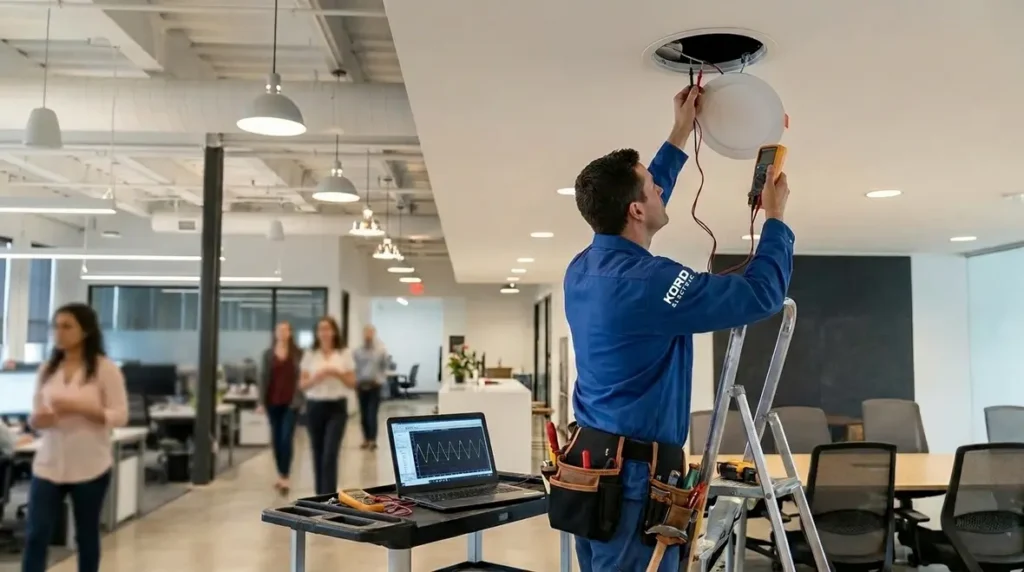
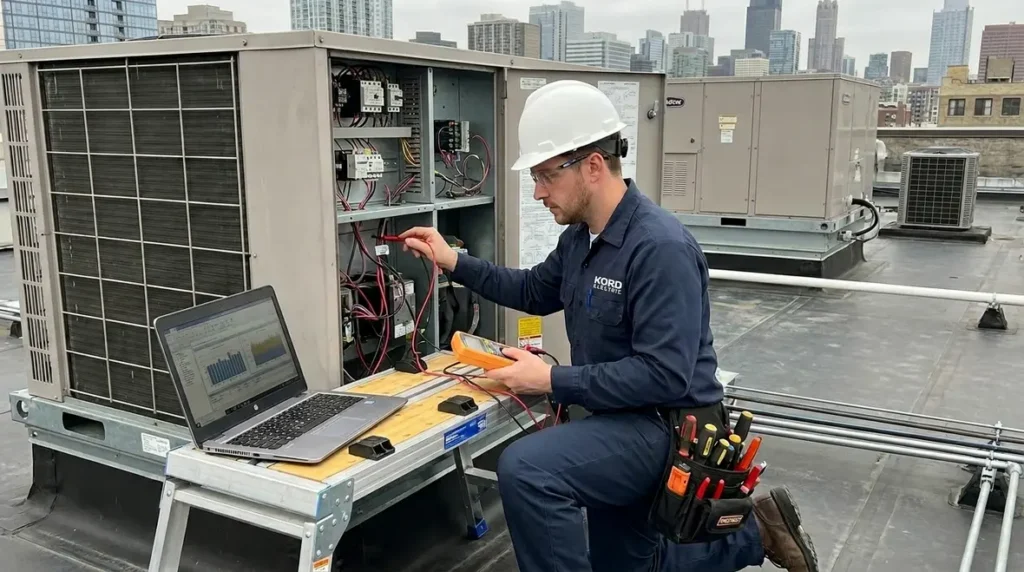
At Kord Electric, commercial electrical load testing sits at the center of how we keep our commercial and industrial facilities safe and dependable. We use it to measure how electrical systems behave when real demand hits, not just when everything looks fine on paper. In other words, we verify performance while the load is actually there, so hidden weaknesses do not wait around like an unpaid bill. And yes, we have seen systems fail later, because someone treated a “quick check” like a full inspection. Meanwhile, our expert service staff and technicians explain what they find in plain terms, so facility managers can make confident decisions.
As we move through this guide, we will cover why load testing matters for safety, how it connects to voltage stability, what we test in real jobs, and how to plan it so it does not disrupt your operations.
Why Load Testing Protects People and Equipment in Real World Use
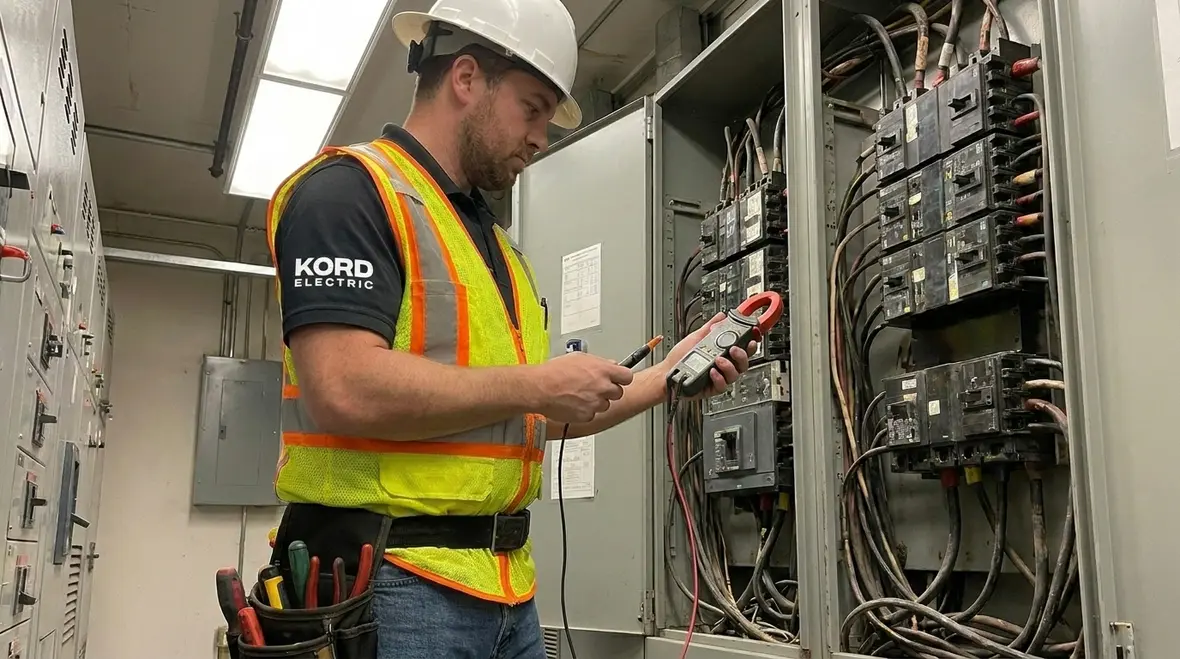
Electrical systems in major property buildings and industrial sites do not live in a calm lab environment. They live in the real world, with HVAC cycling, production equipment, refrigeration, elevators, and lighting that all pull power at different times. Therefore, we use commercial electrical load testing to catch risks early, before they turn into shock hazards, fire conditions, or costly downtime.
When current flows, components reveal their true condition. Tightenings that look okay can still create heat at connections. Cables that test “normal” under light demand can fail under higher loads. Circuit protections may also behave differently when the system runs near its real capacity. So even if a building passes routine checks, load based testing helps us confirm the system can handle the duty it is actually asked to perform.
And yes, electricity has a sense of humor. It will wait patiently until the busiest time of day to show you what it thinks. We would rather detect that early than meet it in the middle of shift change.
What We Measure During Commercial Electrical Load Testing
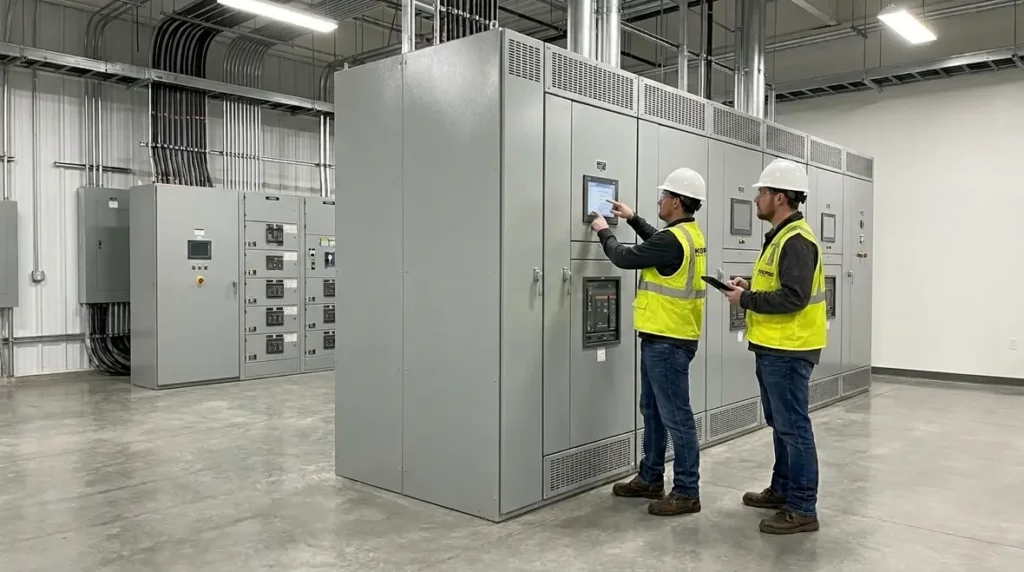
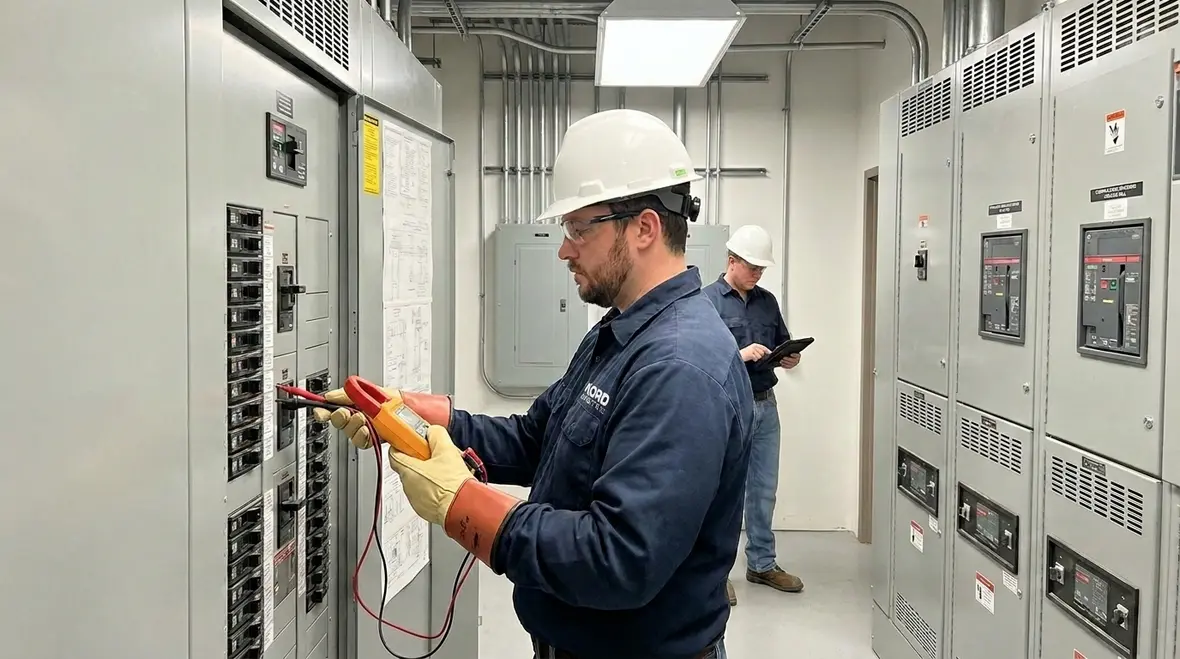
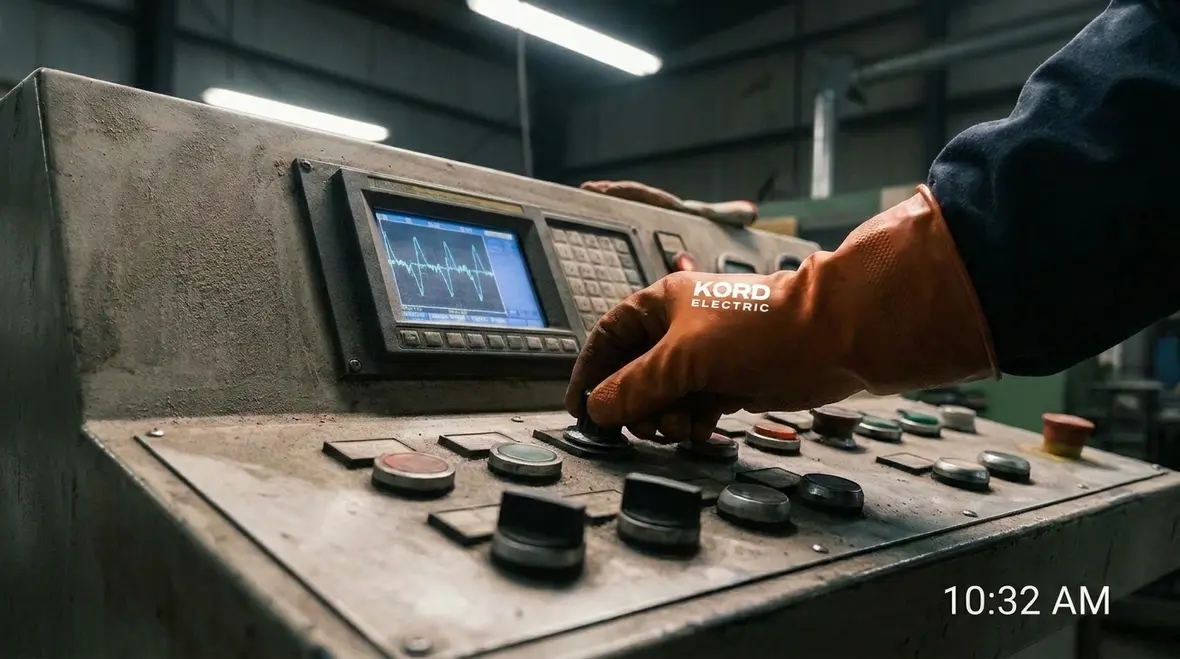
Our team focuses on data that reflects how the facility behaves under load. First, our technicians confirm system baseline conditions, then we apply controlled test conditions so we can observe voltage, current, and stability. We tailor the approach to each commercial and industrial layout, because every building has different feeders, switchgear, transformers, and distribution paths.
Typically, our process includes the following measurements:
- Voltage drop across feeders and critical distribution points
- Load current levels at panels, switchgear, and major equipment feeds
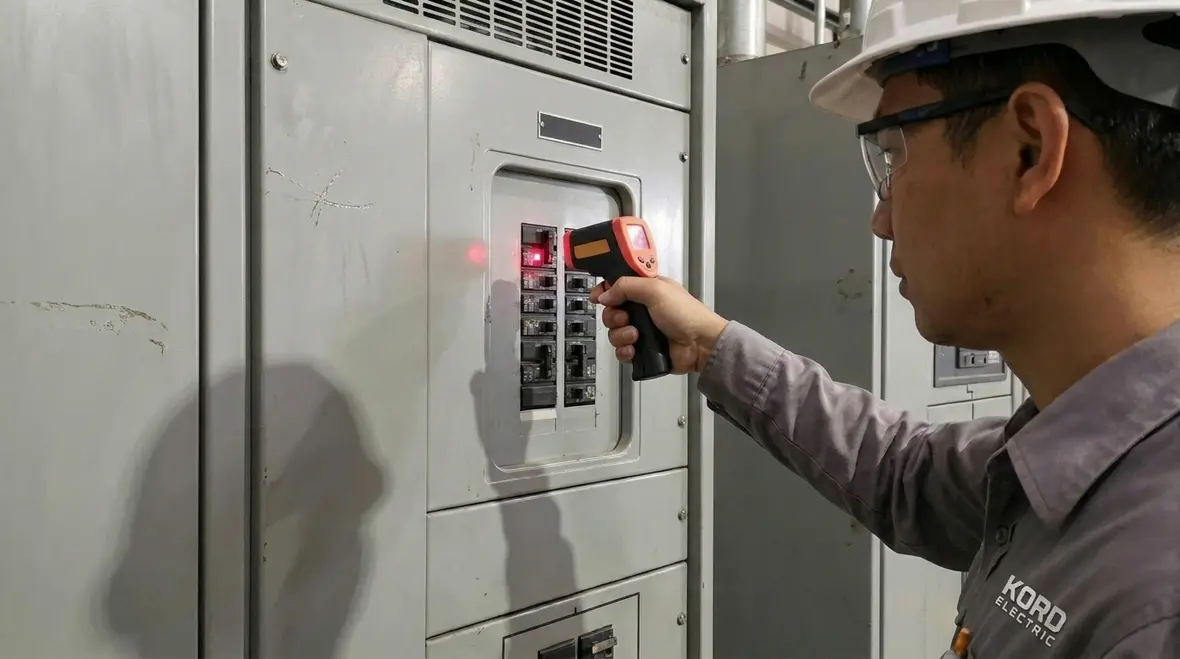
- Thermal related indicators, where applicable, to identify hot spots and weak connections
- Protection performance checks to confirm breakers and relays respond as intended
- System behavior during demand peaks, so we see stress under operating conditions
As our expert service staff explains the results, they also translate them into next steps. We do not just hand over numbers. We connect them to safety and reliability, including what should be repaired, monitored, or retested. That approach keeps facility teams from guessing and helps others plan work without surprises.
Voltage Fluctuations, Stability, and Why Load Reveals the Truth
Commercial systems often suffer from voltage issues that show up only when load changes quickly. Even if the utility supply seems fine, internal distribution can still create instability through equipment wear, connection resistance, or mismatched load profiles. That is why commercial electrical load testing and voltage stability checks work together as a practical safety strategy.
On our site, we address voltage fluctuations in commercial and industrial settings and how those changes can impact performance and equipment longevity. When voltage moves outside acceptable ranges, motors run less efficiently, controls behave unpredictably, and sensitive electronics can experience stress. Therefore, the building may not fail right away, but it can slowly lose efficiency, increase maintenance needs, and raise safety risk as components heat and age faster.
In a major property building, small voltage drops at one point can ripple outward. So we examine how the system holds up across the distribution chain. Then we help our clients understand which sections of the electrical system need attention first. Our goal stays simple: we want the power to behave like it should, especially during demand swings, not after a problem has already started.
How We Schedule Testing for Busy Industrial and Property Operations
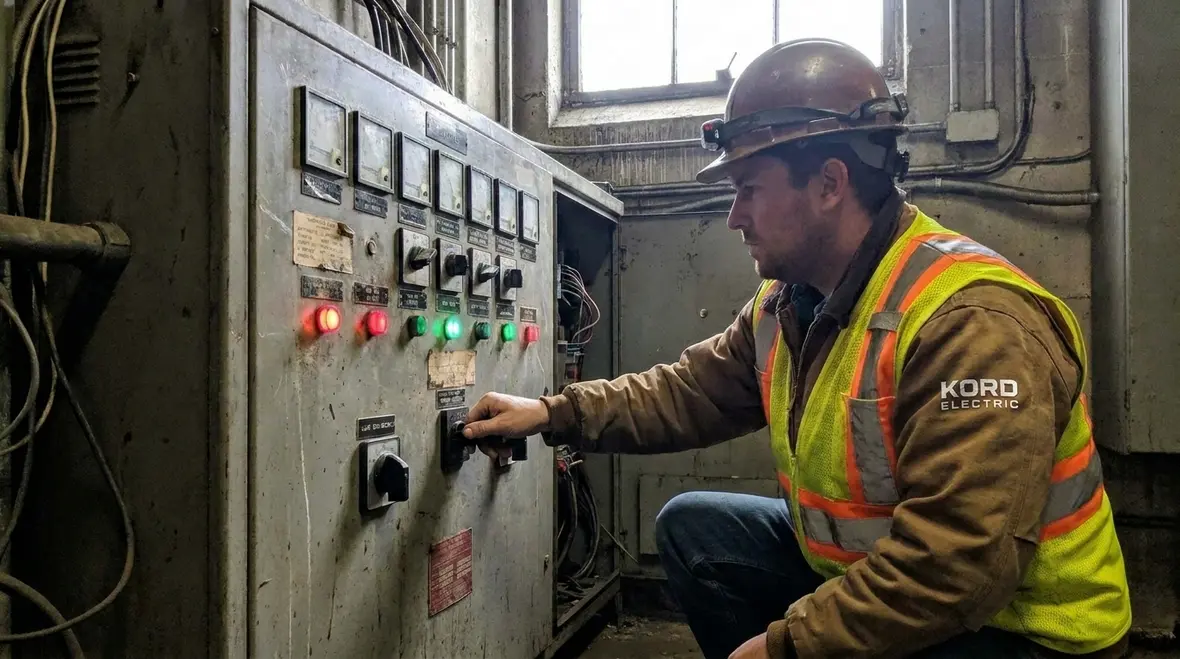
Good testing does not mean shutting down your whole facility. We plan around your operation, because commercial and industrial work rarely runs on a convenient calendar. First, we review your electrical one line diagrams, recent maintenance history, and operating schedules. Then, we coordinate test windows to capture meaningful operating conditions without disrupting critical services.
Our technicians also coordinate with your site team on safety rules, access requirements, and any operational constraints. We keep the process business casual in tone, but strict in practice. That means clear communication, careful isolation procedures when needed, and a test plan that respects your operational reality.
Next, we consider how load varies across shifts. If your peak occurs overnight, we schedule accordingly. If your highest load happens during the day, we plan for that. And if your system cycles equipment based on production demands, we select a test approach that reflects those cycles. In short, we do not test to satisfy paperwork. We test to confirm real performance.
Using Results to Prevent Future Failures, Not Just Track Past Ones
After testing, we focus on action. Data must lead to decisions. So we evaluate findings by risk level, the likelihood of failure, and the impact on safety and uptime. We also prioritize items that can create overheating, arcing conditions, or protection problems during future operating peaks.
Then our expert service staff outlines recommendations in a way that facility leaders can use immediately. We may advise targeted repairs to connections, conductor runs, or distribution components. We can also recommend monitoring if a part of the system needs follow up after a correction. In some cases, we suggest retesting after maintenance so we confirm the issue no longer shows under load.
This is where many providers stop. But we do not. We keep the conversation going until the work plan makes sense and the facility moves forward with clarity. Because our customers do not need more reports. They need safer systems that behave predictably when everyone else is rushing around like it is movie night and the villains just showed up.
Common Signs Commercial Sites Need Load Based Electrical Testing
Facility teams do not always wait for failure. Often, they notice patterns and ask for answers. If your commercial or industrial facility shows any of the following signs, it may be time to consider commercial electrical load testing or a focused load performance evaluation.
- Frequent nuisance breaker trips or inconsistent protection behavior
- Equipment that runs hot, wears faster, or needs repeat repairs
- Voltage complaints from building occupants or production teams
- Suspected connection problems after expansions, upgrades, or retrofits
- Performance issues during peak demand periods
Also, if your building has new major loads, we recommend validating how the system handles the additional demand. It is like adding a new actor to a cast. If the script changes, the performance changes too.
FAQ
Next Steps With Kord Electric
If you operate a commercial or industrial facility, you should not gamble with electrical safety. Kord Electric helps verify performance under real load, connect findings to voltage stability, and recommend clear next actions. Contact us to schedule a load based electrical evaluation for your major property building or industrial site. We will review your situation, explain results in plain language, and help you reduce risk before it becomes downtime. Let us be the calm voice in the control room, before the system starts its own comedy routine.
For facilities looking to pair commercial electrical load testing with ongoing care, you can also explore our dedicated electrical preventive maintenance services designed for commercial and industrial environments. Coordinating structured maintenance with targeted testing builds a stronger, safer foundation for long term operation.
When your facility is ready to turn planning into action, our broader commercial electrical services support everything from troubleshooting and upgrades to lighting, panels, and emergency response—giving your team a single, trusted partner for critical electrical work.