Commercial Electrical Load Testing for Safety
Commercial electrical load testing that keeps businesses safe
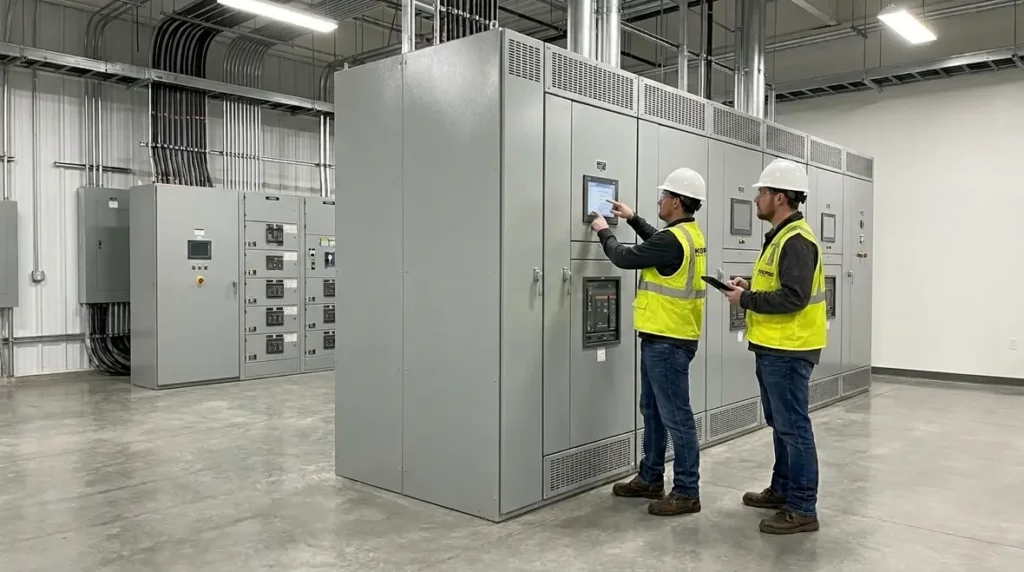
At Kord Electric, we perform commercial electrical load testing to help owners confirm that their systems can handle real-world demand without turning safety into a guessing game. When a facility runs under load, everything tells the truth. Circuits warm up, connections show weaknesses, and protection devices reveal whether they were built and maintained to do their job. In other words, we test the electrical system the way it actually works in the real world, not the way the spec sheet hopes it works. And yes, we know the electrical panel looks tough from the outside, like a superhero wearing a cape made of dust. Still, the test finds what the cape hides.
In this article, we explain why load testing matters for safety, how our expert service staff describes the results in plain language, and what you can do to protect your commercial and industrial facility before problems get expensive.
Why load testing matters for safety in commercial buildings
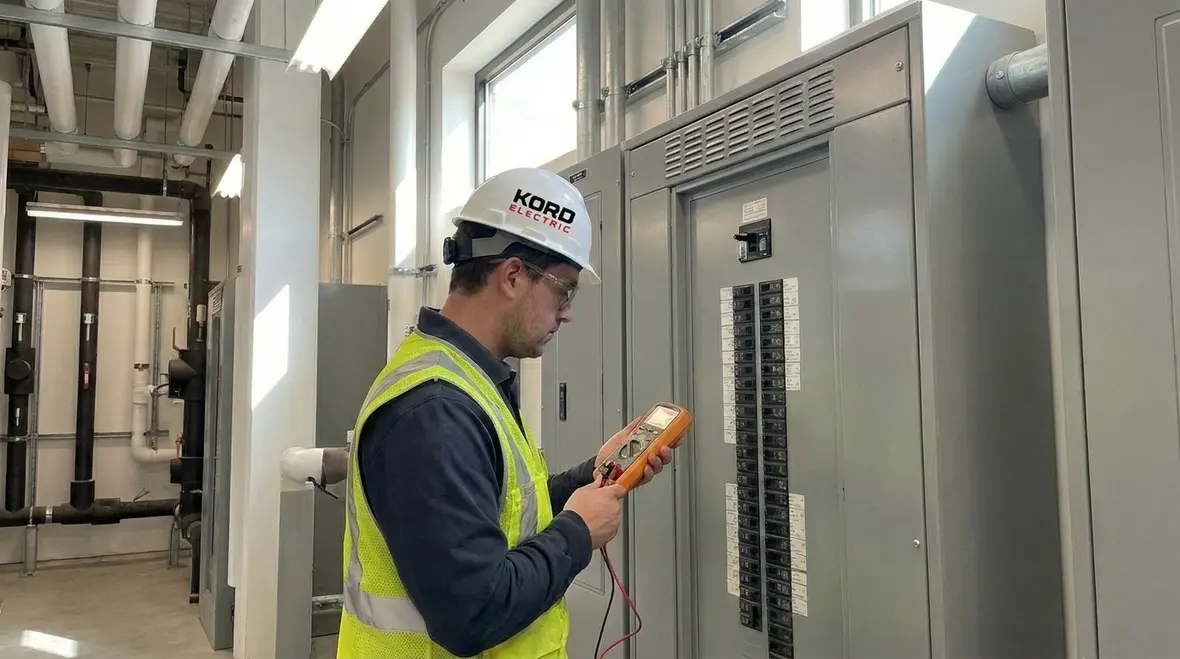
When a commercial or industrial facility operates, electricity does not just “flow.” It works. It heats components, creates voltage drop across conductors, and stresses breakers, transformers, and busbars. Therefore, if load conditions expose weaknesses, they can lead to arcing, overheating, nuisance shutdowns, and in worst cases, fire risk. Load testing helps others verify that the system stays within safe operating limits when the building is truly busy.
Additionally, electrical safety is not only about preventing a dramatic failure. It is also about avoiding slow damage. Over time, loose terminations can heat more under higher current, insulation can age faster, and protective devices can drift out of calibration. When owners ignore these signs, the electrical system may still “work,” but it becomes less dependable and less safe. We treat this like a pregame check. You do not wait until the whistle blows to confirm the brakes.
What we actually test during load testing
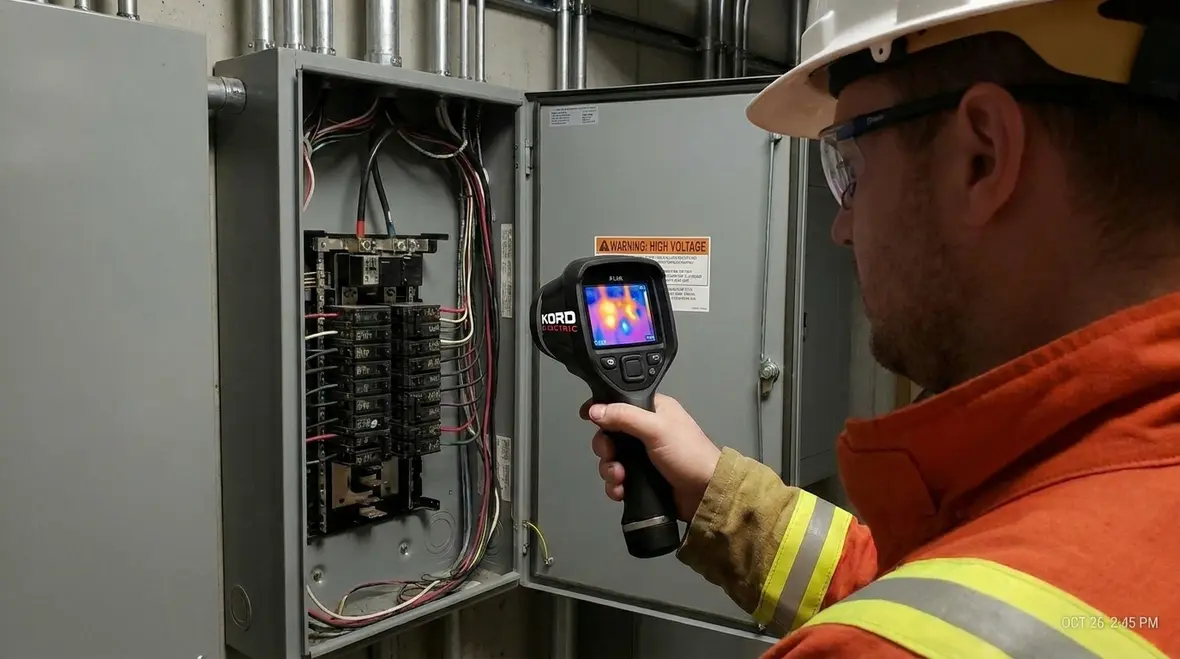
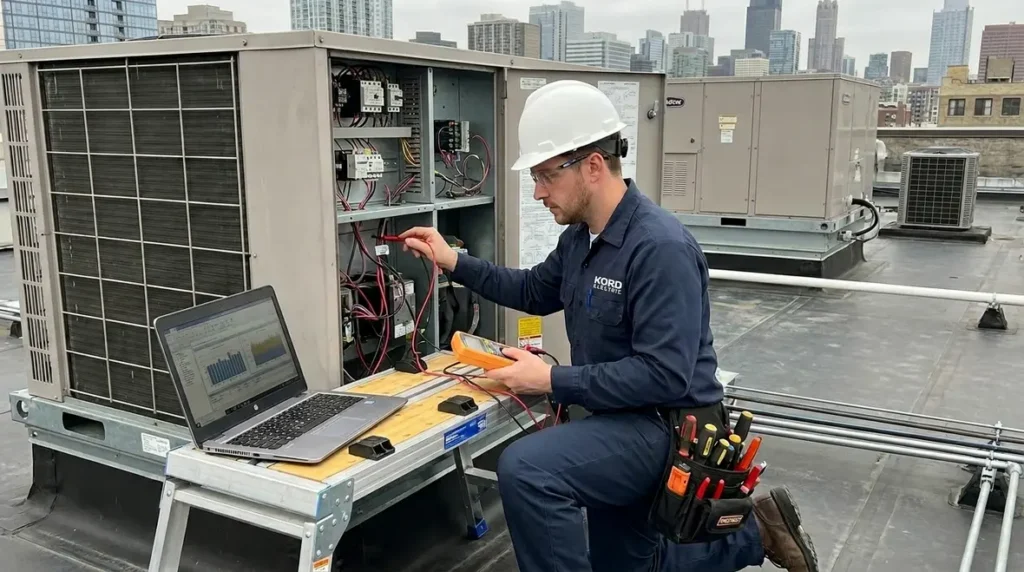
Our team at Kord Electric uses a structured approach during commercial electrical load testing. That means we do not just measure one number and call it a day. Instead, we test multiple items that together paint a clear picture of performance under load. Then, we document what we find and explain it in a way your team can act on.
Here is what our technicians focus on, based on the facility and equipment:
- Load balance across phases, because one phase carrying more current than the others can overheat equipment
- Voltage drop under demand, since excess drop can stress motors, lighting systems, and sensitive controls
- Current draw on key feeders and panels, so we can confirm the system matches expected operating levels
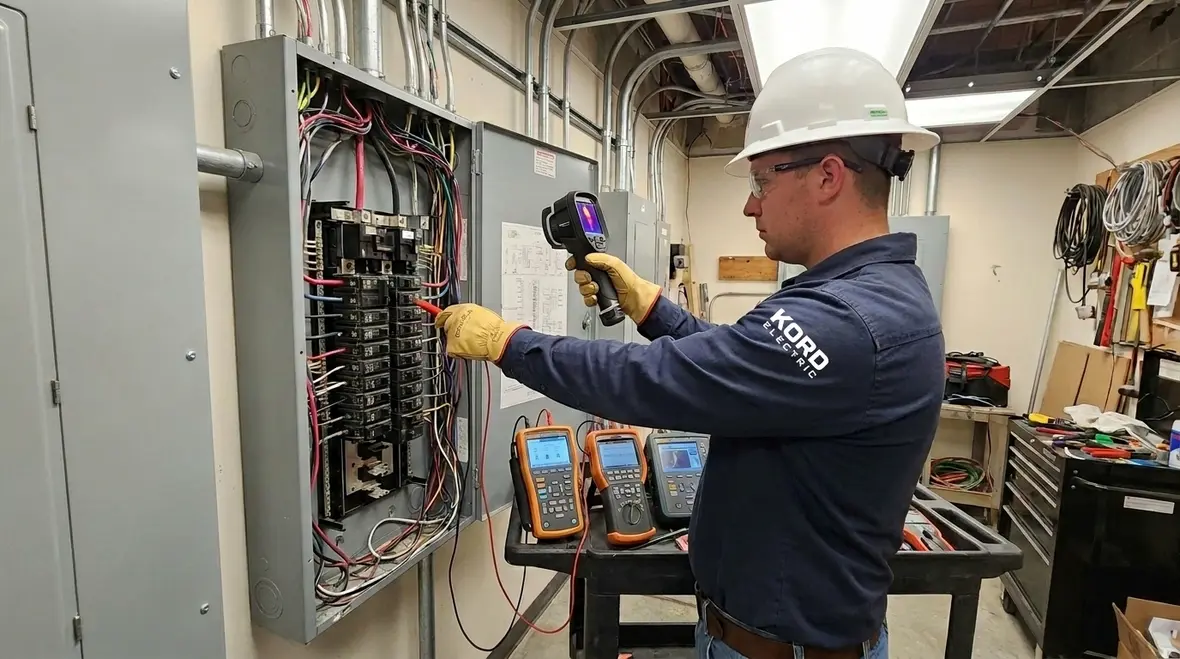
- Temperature and connection health checks where appropriate, because heat is often the first symptom
- Protective device behavior, since breakers and fuses must respond correctly during abnormal conditions
- System stability during peak periods, so your equipment sees steady power instead of surprises
And importantly, our expert service staff helps facility managers understand what the results mean. After all, a graph without context is like a movie without subtitles. The numbers matter, but the explanation matters just as much.
Load testing and voltage behavior in commercial and industrial power
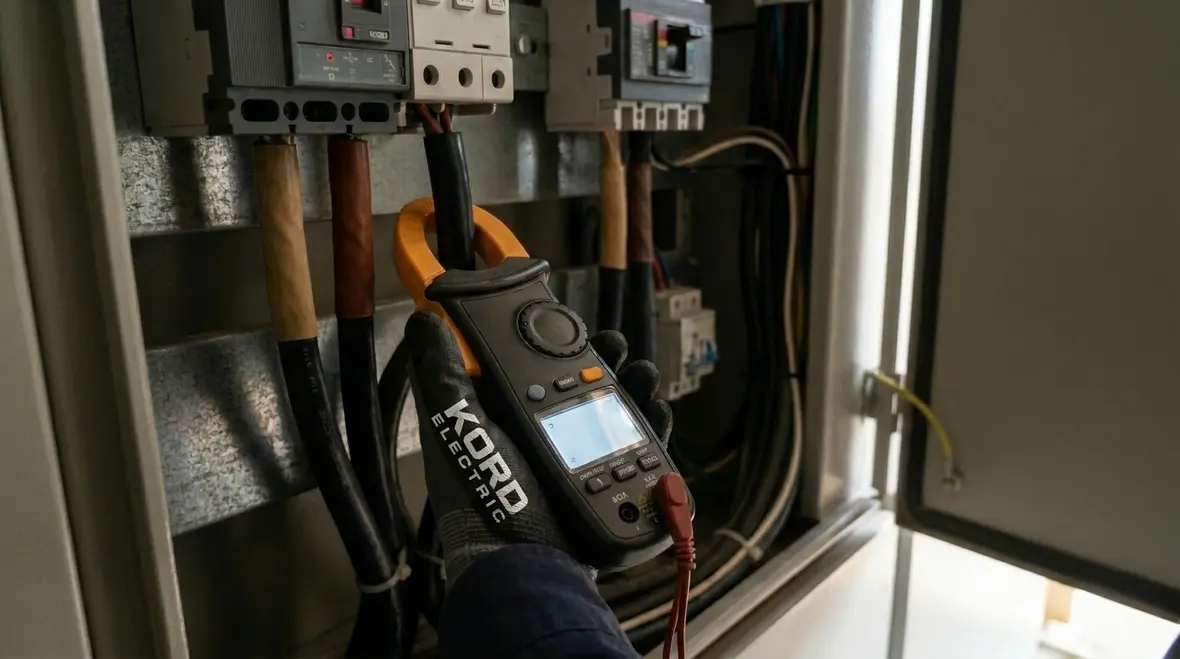
Electrical issues rarely stay in neat boxes. One day, a facility experiences dimming lights and equipment restarts. The next, a motor trips more often than it should. Then, operations staff blame maintenance, maintenance blames operations, and everybody waits for the next “mysterious” failure. However, power quality problems often show up during load changes and demand peaks, which is exactly where load testing earns its keep.
If you have ever asked why voltage behaves differently when the building is busy, the answer often connects to the way the system reacts under load. Kord Electric references this reality in our guidance on voltage fluctuations in commercial and industrial settings, where we discuss how demand, system impedance, and equipment condition can contribute to unstable voltage. When voltage fluctuates, motors can run less efficiently, drives can fault, and lighting can cause complaints that management cannot ignore.
Therefore, we treat load testing as a safety tool and a performance tool. We confirm the electrical system can handle peak loads without excessive voltage drop or unstable behavior. In addition, we help teams link the test results to operational symptoms, so repairs target the root cause instead of the loudest symptom. That is how we save you from the “fix it until it stops complaining” approach, which is popular in movies and disastrous in electrical maintenance.
How expert technicians reduce risk before failures happen
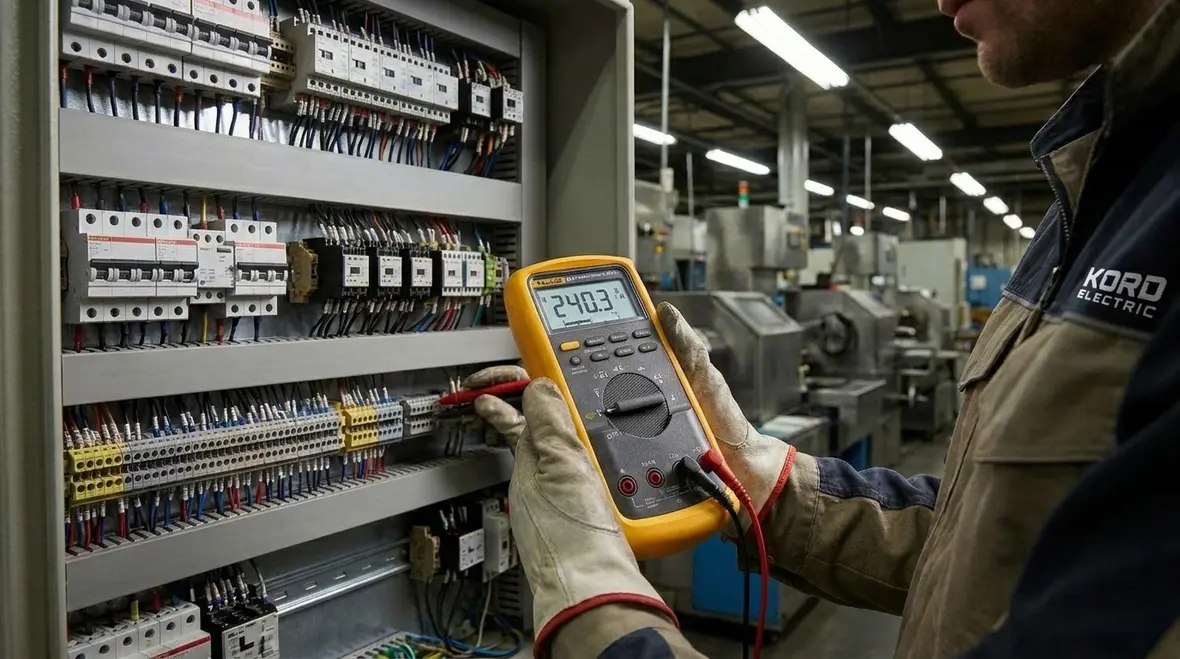
In our work with commercial and industrial facilities, we see the same pattern: problems often start as small inconsistencies. A connection that runs slightly hotter. A phase that carries slightly more current. A feeder that shows a higher than expected voltage drop. Then, the issue grows, and it grows quietly. Meanwhile, your facility schedule keeps marching forward, like a train with no conductor.
To counter this, our technicians use careful prep and clear measurement practices. First, we align the test plan with your facility’s equipment and operating schedule. Next, we run measurements at meaningful load conditions, because testing a system at low demand tells a partial story. After that, we compare findings to safe operating expectations and equipment requirements.
Then our expert service staff explains what we see, what it could mean for safety, and what steps we recommend. We keep the communication direct and practical. If an item needs attention, we say so. If the system performs well, we say that too. Nobody benefits from vague reports that feel like fortune cookies. We aim for clarity your team can use.
Planning commercial load testing schedules that fit operations
A smart load testing plan protects safety without disrupting your business. Since Kord Electric focuses only on commercial and industrial facilities and major property buildings, we design schedules around real property realities such as tenant needs, production windows, and peak demand hours. We also coordinate so the facility can operate while we conduct tests, whenever that fits your risk profile and equipment constraints.
Many organizations benefit from load testing when:
- equipment ages and maintenance history shows mixed results
- major upgrades happen, such as panel changes, transformer replacements, or added capacity
- recurring power issues appear, like nuisance trips, voltage complaints, or overheating reports
- your insurance or compliance process requests documented electrical performance
- the facility experiences changes in occupancy, production shifts, or seasonal loads
Additionally, we recommend pairing load testing with routine inspection and targeted corrective work. That creates a cycle of prevention rather than reaction. It also helps your team prove diligence. In the real world, “we were proactive” matters when stakeholders ask hard questions.
For many organizations, commercial electrical load testing becomes a natural extension of broader reliability planning. Facilities that already invest in structured programs like electrical preventive maintenance can fold load testing into their existing inspection and reporting cycles, strengthening both safety and uptime across the property.
Featured FAQ about commercial electrical load testing
Conclusion: protect the people, the process, and the power
Commercial and industrial facilities cannot afford electrical surprises. Through our commercial electrical load testing, Kord Electric helps others confirm safe performance under real demand, reduce overheating risk, and address power quality issues before they grow teeth. If your property runs busy hours, has aging equipment, or faces voltage and reliability concerns, we can help you build a prevention plan. Contact us today to schedule a load testing visit and get a clear, actionable report from our expert service staff.
If your facility is already working through voltage complaints, nuisance trips, or unexplained shutdowns, pairing commercial electrical load testing with targeted services like voltage fluctuation diagnostics and repair and ongoing electrical preventive maintenance creates a stronger safety net. Together, these services help protect people, stabilize processes, and keep critical power systems ready for real-world demand.
For teams ready to build a longer-range strategy around reliability, uptime, and safety, Kord Electric also supports structured planning through services like commercial and industrial electrical maintenance programs, lighting upgrades, and even EV charging infrastructure. Each project is designed to work alongside your existing systems, not against them, so every upgrade moves your facility toward safer, smarter power.