Commercial Electrical Load Testing Services
At Kord Electric, we treat commercial electrical load testing like a calm, professional checkup for a building that never really sleeps. We run controlled tests to confirm the electrical system can handle real operating demand, not just the numbers on a nameplate. Then we document what we find, explain it in plain language, and recommend the next steps that keep people safe and operations steady. After all, a facility can look fine on the surface while hidden stress builds behind the panels. And yes, electricity loves surprises the way a horror movie loves jump scares, only nobody here wants to watch that at work.
Because our technicians and expert service staff focus only on commercial and industrial facilities and major property buildings, our approach stays practical, site aware, and built for the realities of your load profile.
Why commercial electrical load testing keeps facilities safer
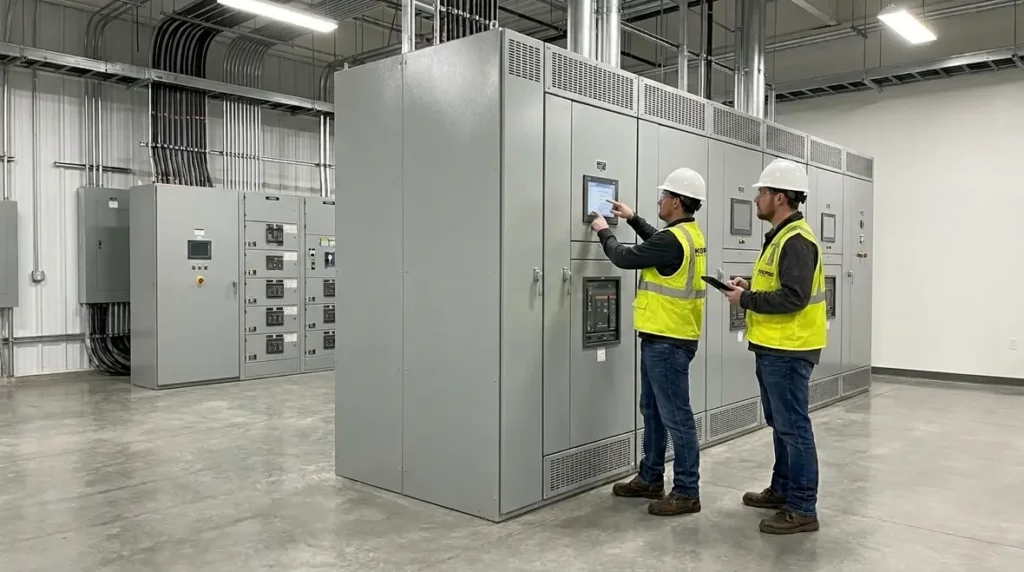
Every business depends on power quality, dependable capacity, and safe distribution. However, safety risks often show up when equipment operates under load, not when it idles. As a result, commercial electrical load testing matters because it reveals how components behave at the exact time they carry current. This includes panels, feeders, transformers, bus bars, switchgear, and connected loads.
When current increases, weak connections can heat up. Likewise, insulation can degrade faster under stress. In addition, overloaded conductors can create elevated temperatures that shorten equipment life. We do not guess. We test.
Our team explains the process with the same steady patience we use during a site walk. While others speak in codes and acronyms, our technicians translate what happens and why it matters. That means you and your team understand where risk is coming from, and you can plan repairs before small problems become big incidents.
And if you ever wondered whether load testing is necessary for “only a few months” or “just this one building,” consider this: electricity does not care about your schedule. It only cares about physics.
How load testing works in the real world
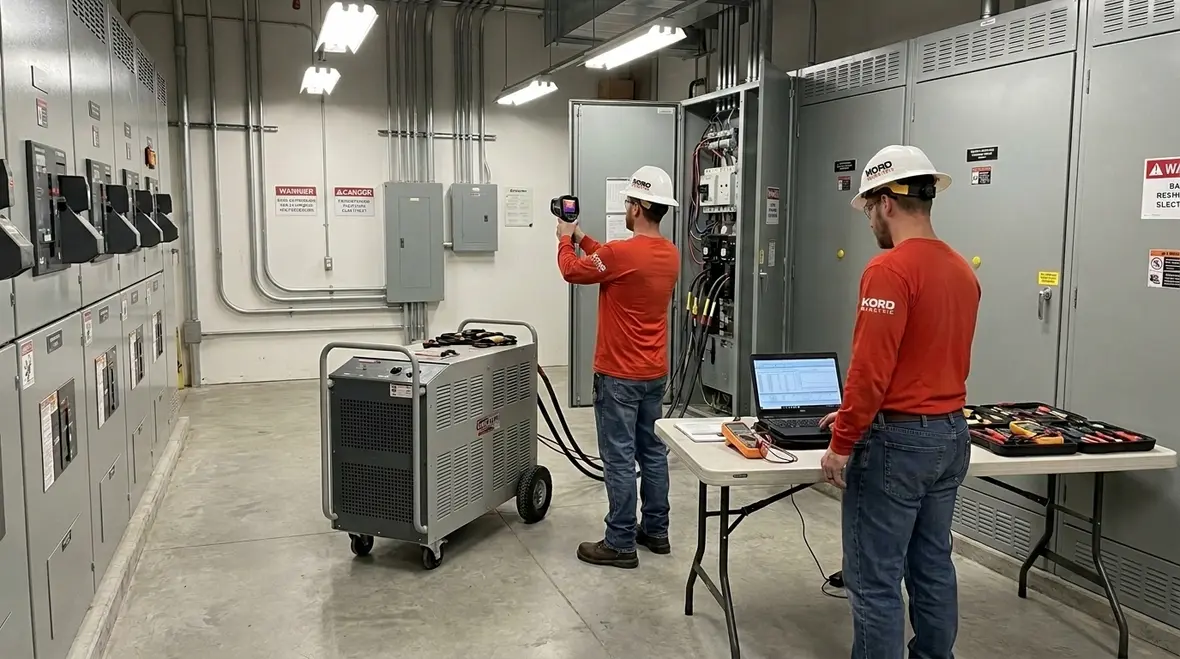
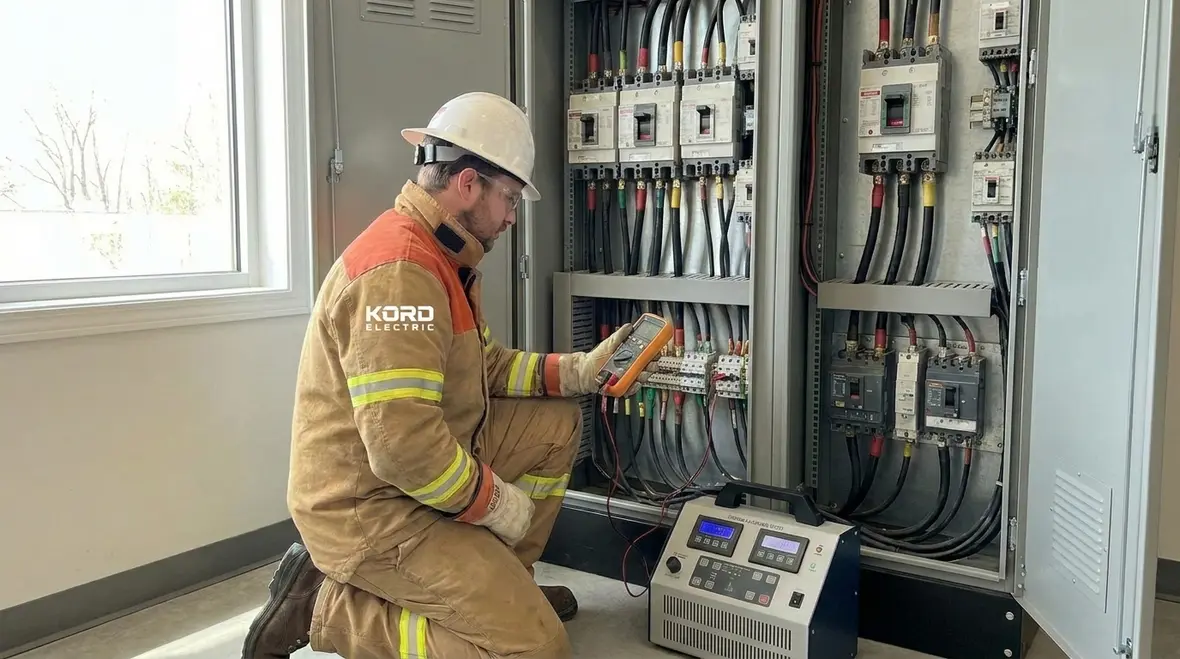
We start by understanding your facility’s normal operating conditions. Then we align the test plan with your equipment type and your duty cycle. After that, we apply load in a controlled manner and measure performance across the system.
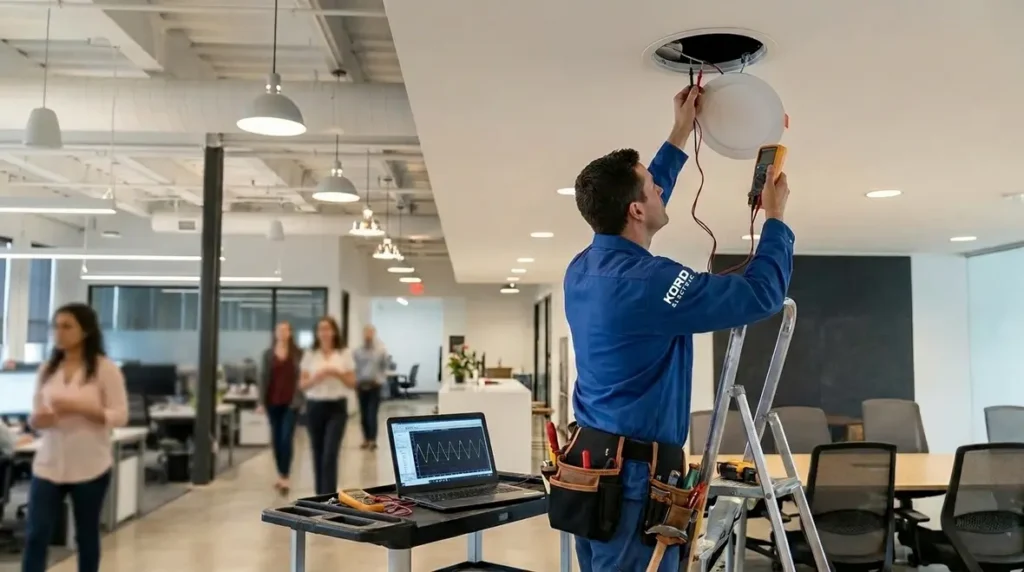
Depending on the situation, we may evaluate load distribution, identify voltage drops, check stability during demand changes, and verify that protective devices respond correctly. We also watch for signs that the system cannot maintain performance when multiple loads start at once. Think of it as testing how the building handles a full staff meeting, when everyone decides to turn on their laptops, printers, and probably a coffee machine.
To keep things clear, our expert service staff reviews the test objectives on site, and we explain the key measurements as the work proceeds. That approach reduces surprises and builds confidence with facility managers and electrical decision makers.
Finally, we compile a report that supports maintenance planning, budgeting, and safety improvements. In other words, you get results you can act on, not a mystery stack of numbers.
Voltage fluctuations and what they do to commercial systems
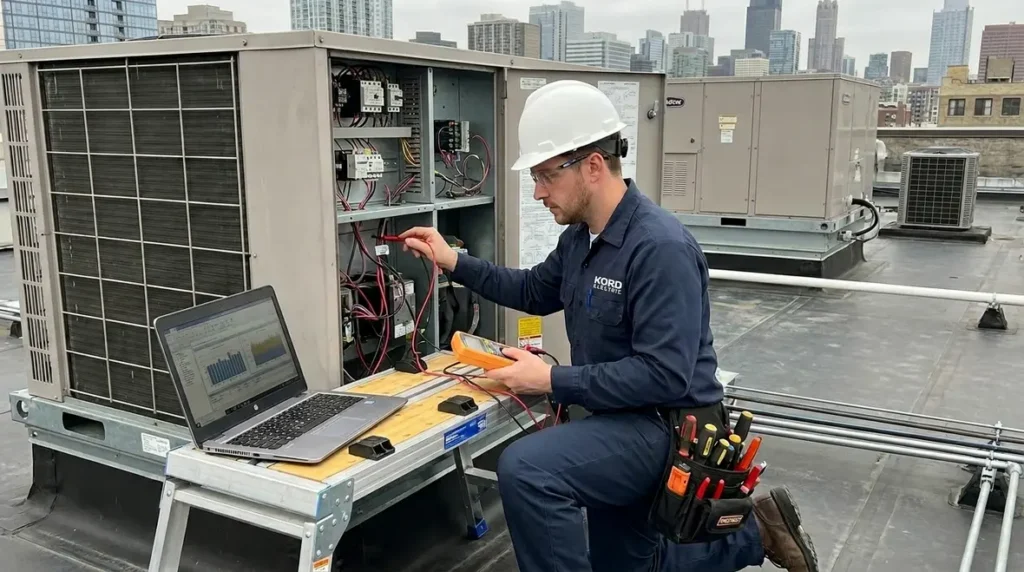
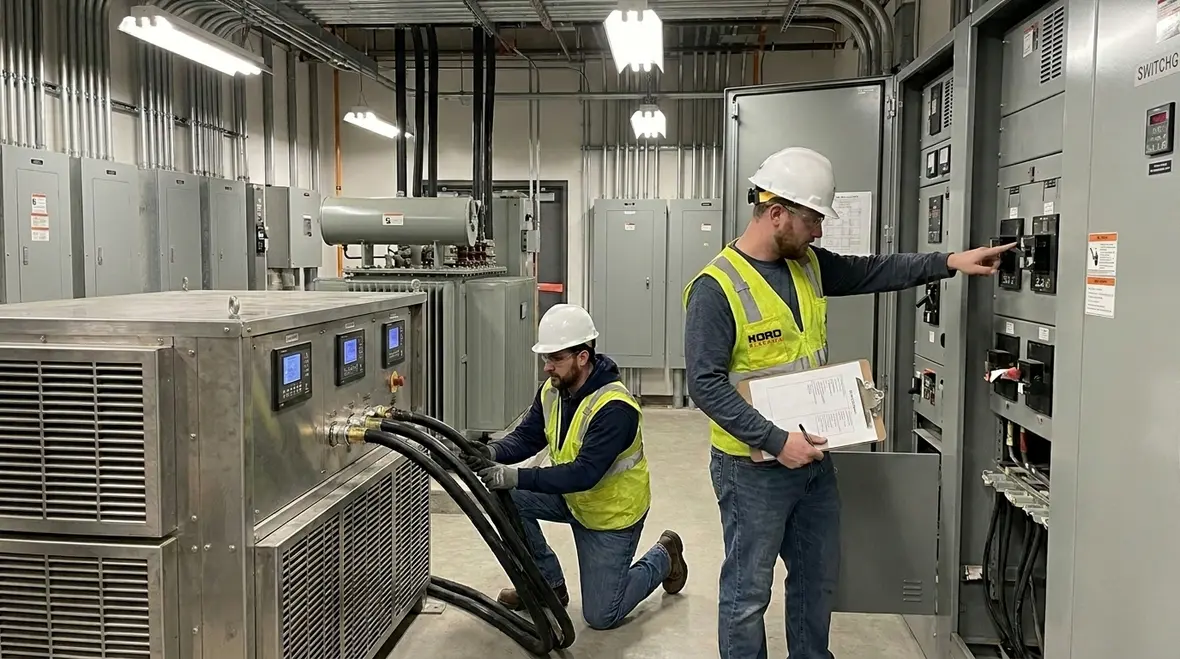
Even when the utility supply looks acceptable at a glance, your internal system can still experience instability. For commercial and industrial buildings, voltage fluctuations can show up during motor starts, large HVAC cycling, process changes, or emergency power transitions. Over time, that instability can stress sensitive equipment and create additional heat in distribution components.
As outlined in our article on voltage fluctuations in commercial and industrial settings, these variations can affect everything from motors to controls. If you have ever seen equipment behave “weirdly” during peak times, voltage fluctuations often sit at the root cause. We see this frequently in major property buildings where tenants add load, remodel spaces, or expand operations.
Here is the key point: load testing helps confirm whether voltage behavior worsens under real demand. Therefore, we do not treat voltage quality as a separate topic. Instead, we assess how your system responds when it is actually working hard.
When our technicians identify issues, they explain the cause and the most likely impact, such as increased stress on connections or control instability. Then we recommend targeted steps, which might include tightening connections, correcting load imbalances, upgrading distribution elements, or improving voltage regulation strategy.
What we measure to find hidden risk
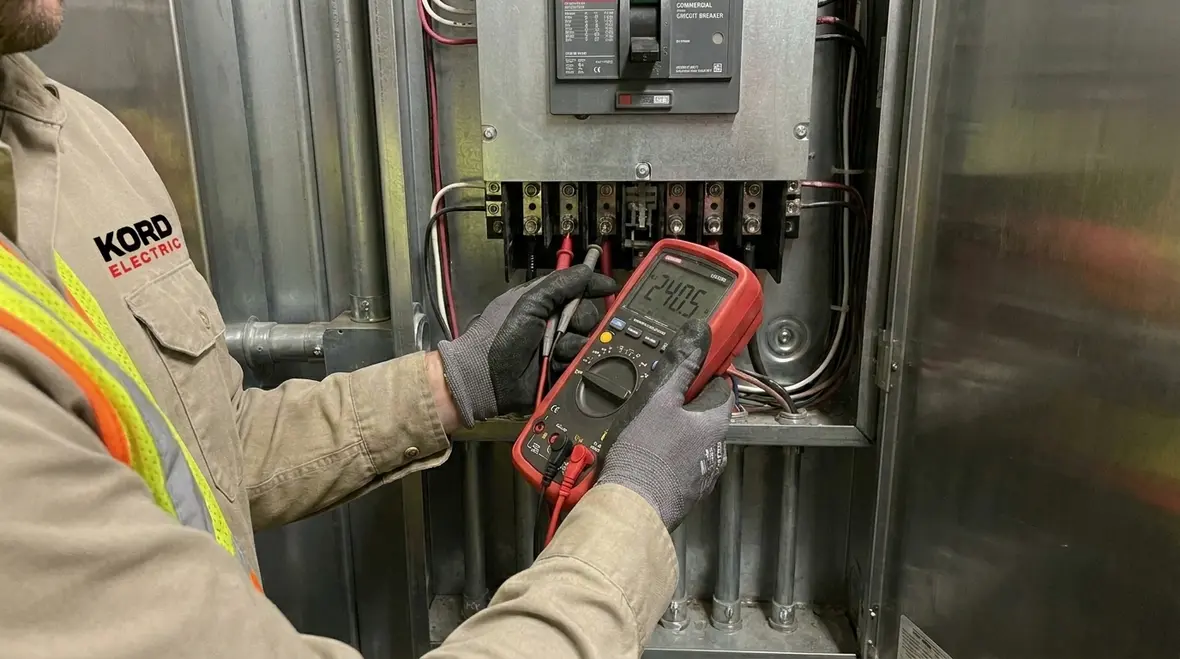
Many facility teams want to know what load testing actually looks for. We measure performance indicators that connect directly to safety, reliability, and long term health of electrical equipment. And because we serve commercial and industrial facilities, we focus on what affects operations, not what sounds fancy.
During testing and evaluation, we typically analyze conditions such as:
- Voltage drop under load, since excessive drop can lead to overheating and poor device performance
- Current draw and load balance, because uneven load can overload specific components
- Thermal risk signals by identifying stress patterns and heat related concerns during demand
- Protective device behavior, since protective coordination should work as designed when demand rises
- System response during start up events, because motors and large loads can trigger instability
In addition, we often combine results with on site observations, previous maintenance records, and equipment age. That helps us explain risk in business terms: what may fail first, what may cost more later, and what actions prevent downtime. And yes, we keep the tone professional, but we do not pretend the work is fun. It is more like removing a ticking clock from your electrical room.
To make the analysis easy to review, we summarize findings in a clear format and discuss priorities with your team in plain language. Then you can align decisions with your operational calendar.
Potential issue |
What load testing helps confirm |
Loose or degraded connections |
Overheating risk under real current demand |
Uneven loading |
Load imbalance that can stress bus bars, breakers, and feeders |
Poor voltage regulation |
Voltage behavior when major equipment starts and cycles |
Common failure points in commercial and industrial buildings
Buildings rarely fail because everything is “bad.” Instead, they fail because a few weak points get pushed harder than they should. Consequently, our technicians look closely at areas that repeatedly experience stress in commercial and industrial environments.
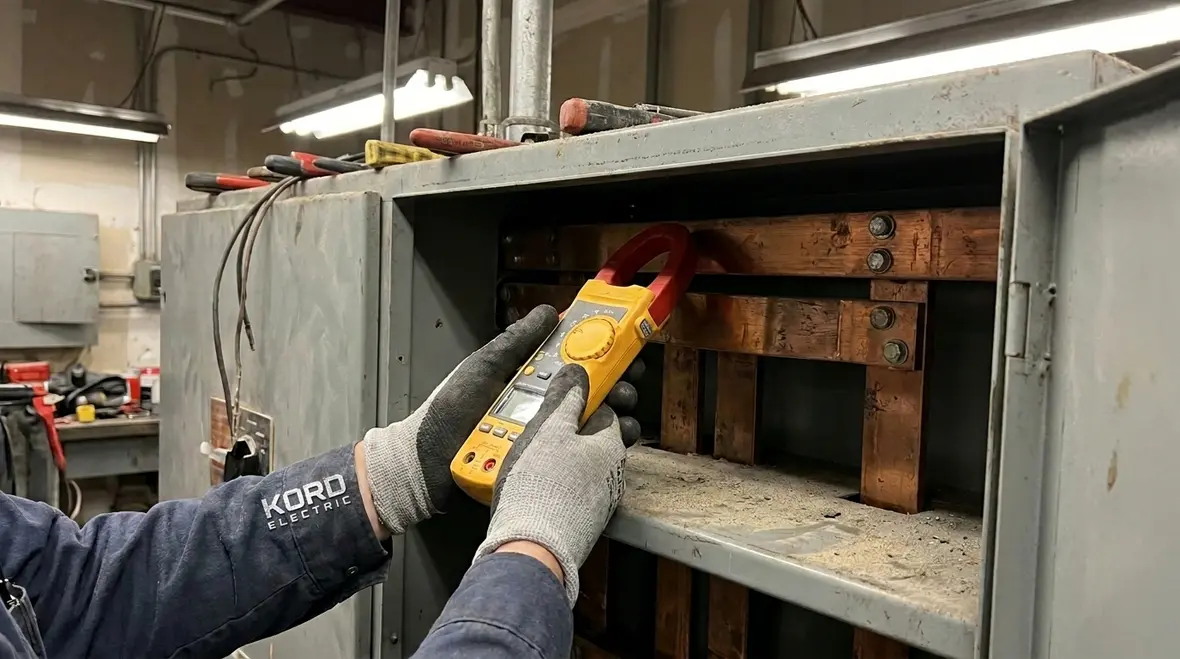
One common failure point is older distribution gear, where connections, contact points, or insulation condition can change over time. Another is feeders that carry fluctuating demand from multiple floors, process zones, or tenant areas. Also, load growth without corresponding electrical upgrades can gradually move the system closer to its limits.
During renovations, teams sometimes relocate panels, add circuits, or modify equipment. Then, even small changes can impact overall load behavior. We see this often in major property buildings where occupancy changes and service expansions happen over months or years.
Our expert service staff helps clients understand the “why” behind the findings. They explain what the test results mean, and they connect those results to likely operational impacts. That clarity helps teams make smarter maintenance and upgrade decisions without guesswork.
And for the record, we do not blame anyone for past choices. Electricity is patient, but it is not forgiving. So we focus on improving safety now.
Planning a load testing schedule that fits business needs
When we plan testing, we do not treat every facility the same. We consider operating hours, critical systems, seasonality, and the likelihood of load swings. Then we align test timing to reduce disruption while still capturing real performance.
In practical terms, we help clients decide when to test and what triggers a retest. Common triggers include major equipment additions, transformer or switchgear work, noticeable equipment issues, or evidence of voltage instability. After major changes, testing verifies that the electrical system still meets expectations under current conditions.
We also recommend an approach that fits ongoing risk reduction. As equipment ages, load testing becomes more valuable, because it exposes how performance shifts over time. Therefore, the goal is not a one time “check the box” moment. Instead, we build a consistent safety and reliability routine.
Our technicians explain options during the planning phase and set expectations clearly. In addition, we document outcomes so you can share results with stakeholders, maintenance staff, and decision makers.
If you want a simple analogy, think of it as periodic health screenings for your power distribution. Nobody waits until they feel symptoms. They test early, act early, and keep everyone running.
FAQ about commercial electrical load testing
Call Kord Electric for dependable testing and safer power
If you manage a commercial or industrial facility, you already know one truth: electrical risk does not advertise itself. It shows up when the building works hardest. Kord Electric provides commercial electrical load testing with careful planning, clear explanations from our technicians, and practical recommendations that support safety and ongoing operations. Contact us to discuss your facility’s equipment, load profile, and priorities. Then we will schedule testing that fits your site, capture real results, and help you move forward with confidence.
For facilities that want a broader strategy around reliability, commercial electrical load testing also pairs well with structured electrical preventive maintenance programs. Together, they help reduce unplanned outages, extend equipment life, and support safer decisions about upgrades, expansions, and compliance across your portfolio.
Whether you are planning a focused testing project or building a long term reliability plan, our team is ready to help you evaluate risk, prioritize improvements, and keep essential systems online.
Explore our commercial and industrial lighting installation services to see how we support safe, efficient power distribution and lighting performance across large properties, campuses, and industrial facilities.