Commercial Electrical Panel Load Balancing Guide
Commercial buildings run on a simple promise: power must show up on time, at the right voltage, and in the right place. That is exactly where commercial electrical panel load balancing steps in. When the load spreads evenly across phases and circuits, equipment runs cooler, breakers trip less often, and downtime stops feeling like a monthly tradition. At Kord Electric, our team treats this like a serious job, not a guessing game. And yes, our technicians explain it clearly, because nothing is more frustrating than hearing, “We think it’s fine,” right before a freezer starts acting like it is possessed.
What commercial electrical panel load balancing actually does
Commercial electrical panel load balancing is the practice of distributing electrical demand so no single phase gets crushed while the others coast. In most three phase commercial systems, loads like lighting banks, HVAC equipment, motors, elevators, and plug circuits can pull power unevenly. Over time, that imbalance grows as tenants change layouts, maintenance crews swap equipment, and businesses add new processes.
Instead of letting one phase carry the bulk of the building’s hunger, we measure and correct the split. Then we adjust circuit assignments, update panel schedules, and verify results with targeted testing. As a result, current draw evens out, thermal stress drops, and the electrical system behaves like a well run team instead of a group project where one person does all the work. Our expert service staff guides property managers and facility leads through each step, so they understand what changed and why it matters.
Why load imbalance causes real damage in commercial systems
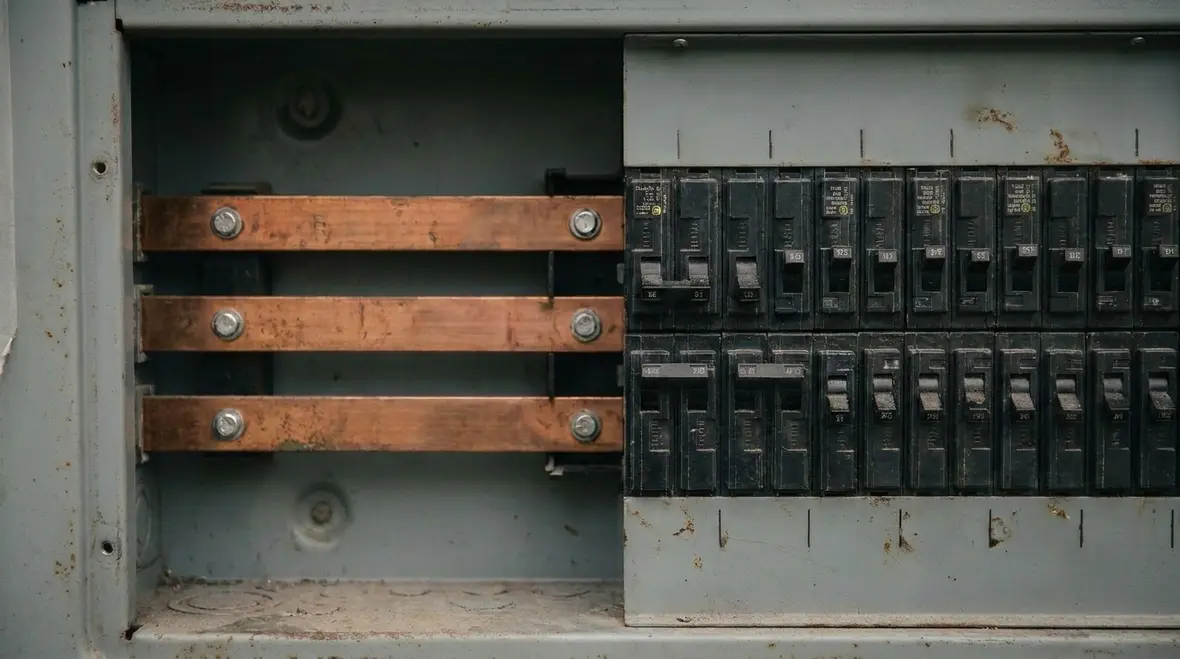
Many people only notice electrical problems after something trips. However, commercial electrical panel load balancing focuses on what happens before failure. When one phase runs hotter than the rest, conductors age faster, insulation life decreases, and connections can loosen. Eventually, you get nuisance trips, voltage drops, equipment alarms, and power quality complaints that make your maintenance team look like detectives with no clues.
Moreover, imbalance can create more than heat. It can raise neutral currents on certain setups and increase the risk of overheating at terminations, especially where loads connect through long runs or older panels. In industrial and major property buildings, where motor loads and large HVAC systems cycle throughout the day, these effects compound quickly. In short, you do not just “balance wires.” You protect uptime.
At Kord Electric, we also account for how tenant work affects distribution. For example, a suite remodel might add new refrigeration, fast charging stations, or upgraded lighting. Therefore, even if the system started balanced years ago, it can shift without anyone realizing. Our technicians walk through the history, the equipment profile, and the panel mapping, so corrections actually match how the building operates.
This proactive thinking ties directly into broader reliability strategies. Facilities that pair balancing work with structured electrical preventive maintenance gain the advantage of catching hidden issues while loads are being measured and adjusted. Combining both approaches helps protect uptime instead of chasing failures after they show up.
How our technicians measure load and find the imbalance
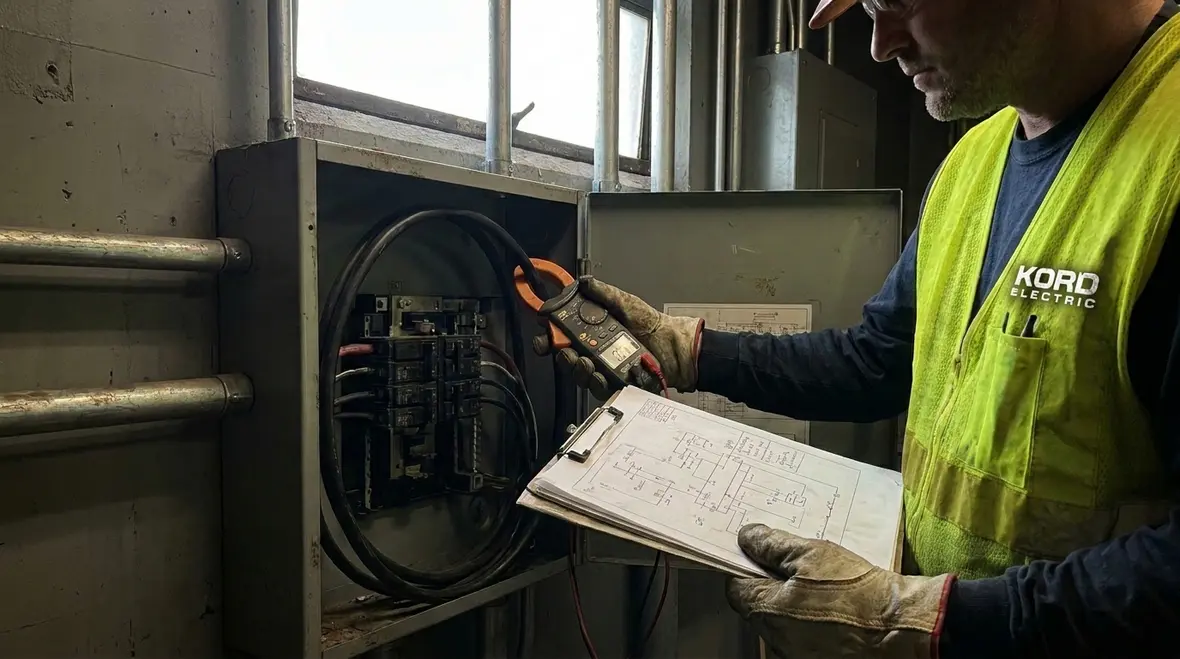
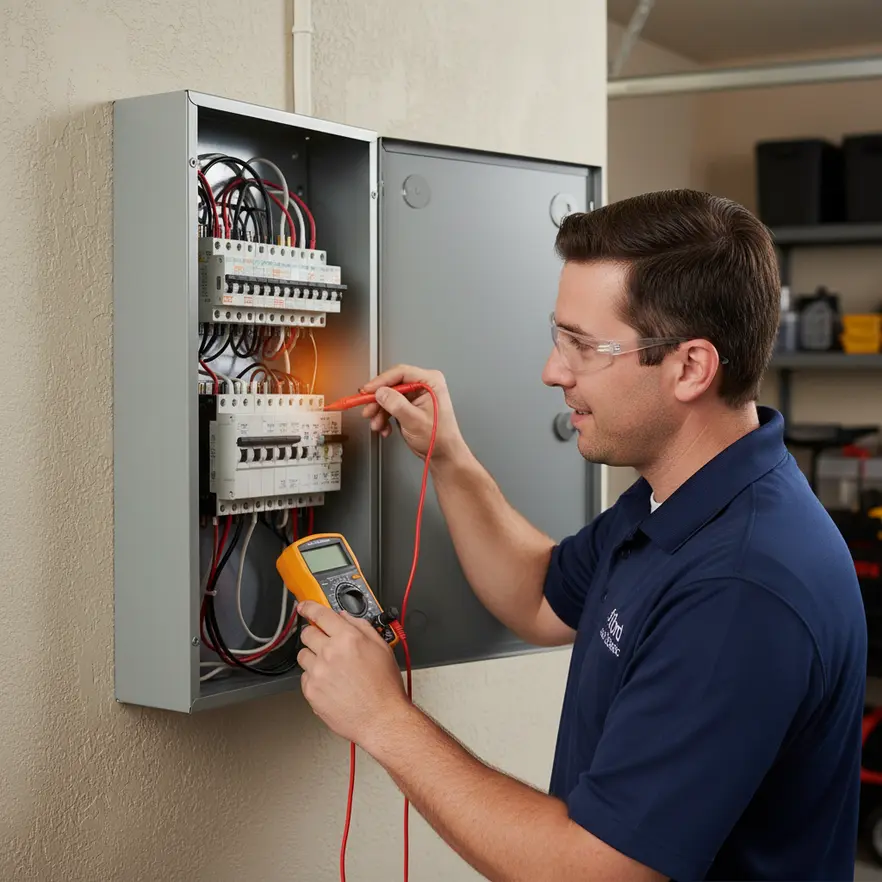
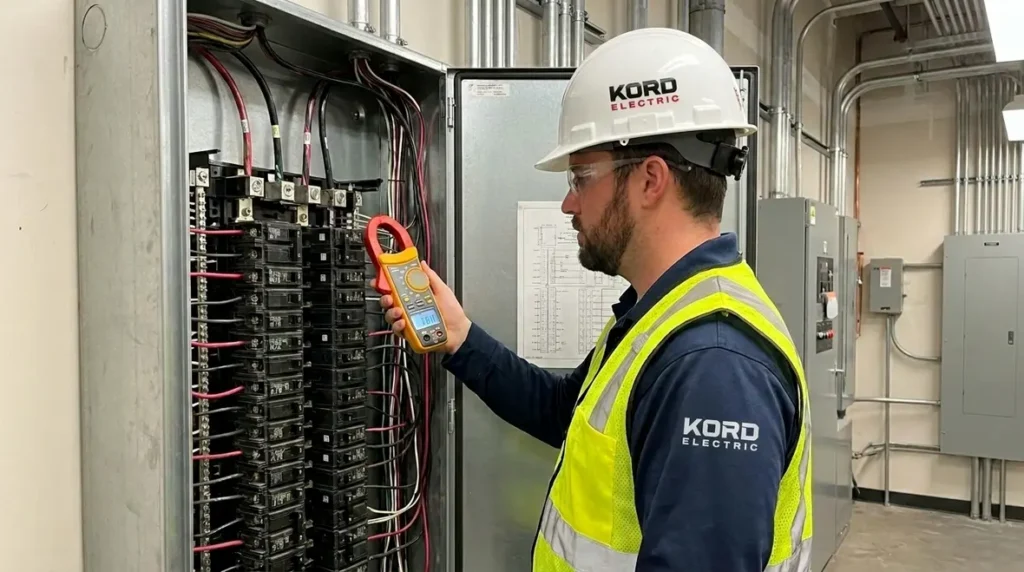
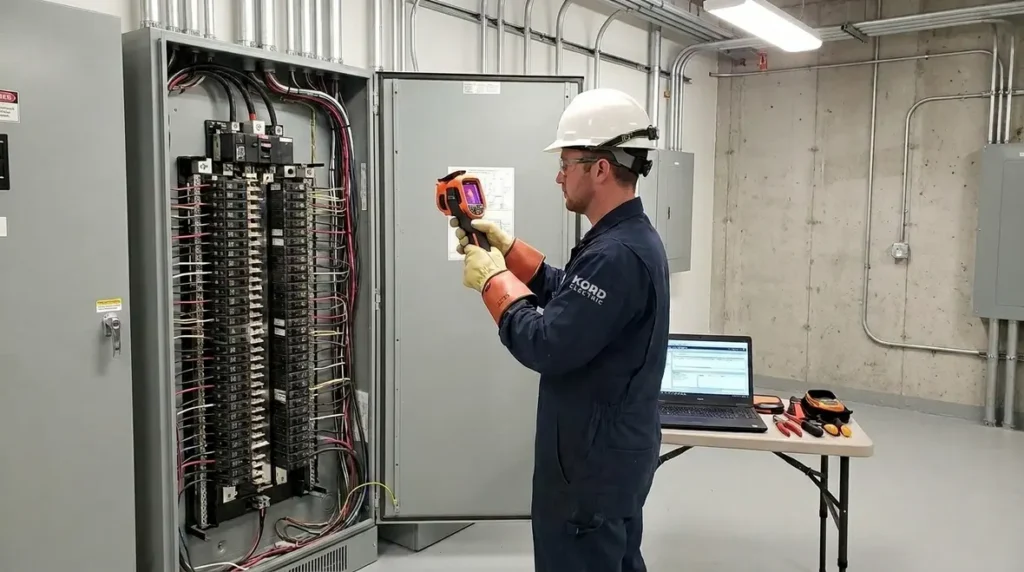
We do not rely on guesses or one time visual checks. First, our team collects data from the panels and feeders. Then we look at current on each phase during typical operating conditions, not just at night when everything is asleep. After that, we identify which circuits and areas contribute most to the imbalance.
Next, we compare field readings to existing documentation. Too often, panel schedules and labeling drift away from reality, because work gets done quickly, and updates do not always get recorded. Even a small labeling mismatch can lead to chasing the wrong circuit. So, our expert service staff verifies circuit behavior and confirms what each breaker actually feeds.
Finally, we recommend a balanced plan and implement it carefully. If the building is active, we coordinate with facility teams to avoid surprises. We also document changes so future maintenance teams do not inherit a mystery. In other words, we treat panel work like a controlled process, not a last minute patch. If someone tells you balancing is “just moving a breaker,” they have not seen enough real commercial setups to know better.
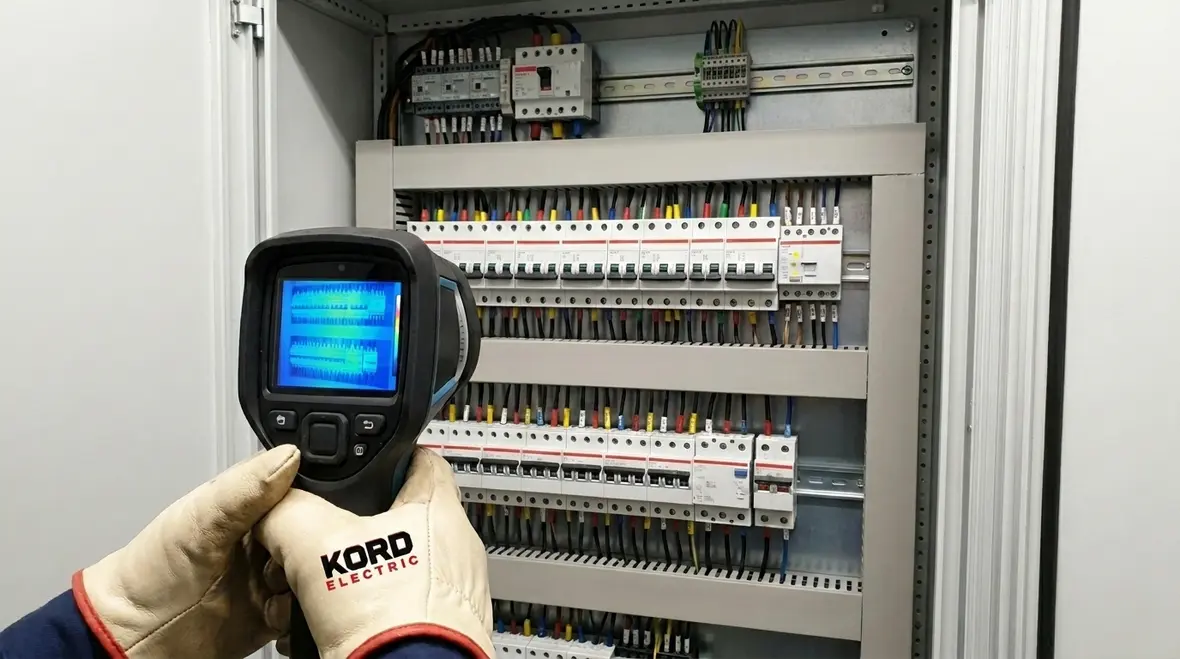
During this process, we also keep an eye on issues that look a lot like panel imbalance but turn out to be broader voltage instability. When we see signs of flicker, sensitive equipment resets, or unexplained swings under load, our technicians may recommend deeper testing based on our experience with voltage fluctuations in commercial and industrial facilities. That way, you do not solve half the problem and leave the real culprit untouched.
What impacts balancing in industrial and major property buildings
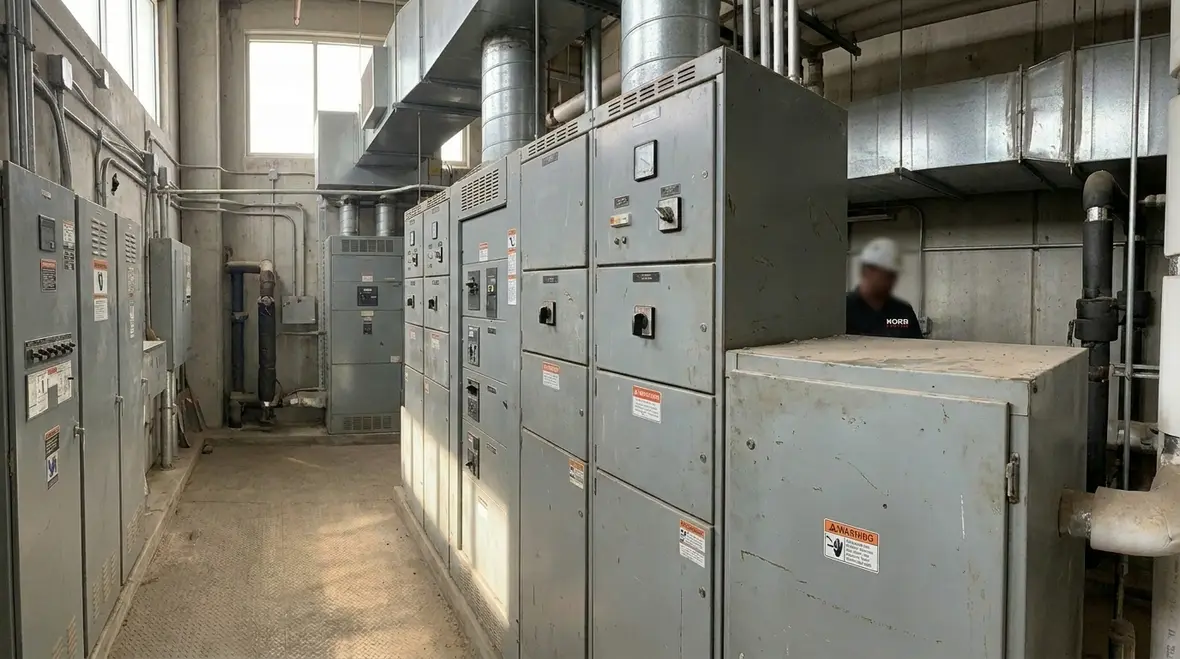
Commercial and industrial electrical systems rarely stay still. Even so, certain factors drive imbalance faster than others. Seasonal HVAC loads often change, tenant occupancy swings, and production lines shift schedules. Additionally, lighting retrofits can alter distribution because new LED drivers sometimes behave differently than older fixtures.
Motor loads also play a big role. Motors start and stop, and during starting surges they pull more current than steady state operation. Therefore, if multiple motor loads land on the same phase, the imbalance becomes visible during peak events. Elevators, exhaust fans, and pumps can also tilt the distribution if they are not grouped thoughtfully.
Then there is the human factor. We mean that politely, but still honestly. Equipment gets added during renovations, subpanels get tapped, and circuits get repurposed. As a result, the electrical system slowly drifts away from the original design intent. Kord Electric targets major property buildings and industrial facilities because these changes are common and the cost of getting it wrong can be high.
In busy facilities, smart balancing also intersects with future projects. For example, when teams explore EV infrastructure or kitchen upgrades, they quickly learn that existing panel capacity and phase distribution will shape what is possible. It is the same story whether the project involves new charging stations, a heavy commercial kitchen, or another power hungry process: the panel needs to be ready before the new load arrives.
Common signs a building needs load balancing support
Buildings often give signals before they fully complain. A facility manager might notice frequent breaker trips, recurring nuisance alarms, or uneven heating in cabinets. Staff may report flickering lights near one end of a facility, or HVAC units that cycle more often than expected. Sometimes equipment runs, but performance feels “off,” like a baseline problem that never becomes a clear single fault.
Other signs include hot panel interiors, discolored breaker handles or bus bars, repeated neutral issues, and unusual smell around electrical rooms. If measurements show one phase consistently higher than the others, then imbalance is likely a contributing cause. However, the key is not just recognizing symptoms. It is connecting them to the distribution data and correcting the source.
Our technicians at Kord Electric help teams sort these clues quickly, because time matters. Instead of taking random steps, we evaluate the electrical pattern, confirm where the load concentrates, and then implement commercial electrical panel load balancing in a way that reduces stress and improves reliability.
Facilities that already suspect wider system issues often find it useful to combine balancing with a broader look at hidden electrical risks in commercial buildings. Warm panels, buzzing gear, and unexplained breaker trips are rarely random events. When you connect the dots between imbalance, aging equipment, and quiet failures, the path to a stable system becomes much clearer.
Implementation steps Kord Electric uses for balanced performance
When our team performs load balancing for commercial and industrial facilities, we follow a structured approach that protects operations. First, we review one line diagrams, panel schedules, and equipment lists. Then we collect load data during real usage patterns. After that, we map circuits to phase load so changes have a clear target.
Next, we plan switching and sequencing. Some facilities can tolerate changes during scheduled maintenance windows, while others need careful coordination around production or tenant operations. Therefore, we communicate the plan to property and facility stakeholders before work begins. We then execute circuit moves with proper verification, and we re test to confirm the results.
In addition, we update labeling and documentation. That matters because balanced systems still need clear records. If future work happens, correct panel schedules help maintain balance instead of undoing it. Finally, we provide a summary of what we adjusted, what we measured before and after, and how to monitor the building going forward.
And if you are thinking, “Will this fix everything,” we will answer honestly. It will not magically fix a broken compressor or a bad control board. However, it strongly reduces electrical stress that makes problems more frequent. It is like changing the tires before the road gets dangerous. Not glamorous, but it saves you.
Because balancing work touches panels, feeders, and high value equipment, it fits naturally into commercial and industrial electrical maintenance plans. When these programs include periodic checks on phase loading and panel conditions, facilities gain a running snapshot of how their systems change over time. That long view makes it much easier to plan upgrades before capacity or code issues force the conversation.
How load balancing supports future upgrades and expansion
Balanced panels do more than keep today’s operations stable. They also set the stage for tomorrow’s upgrades. When a facility wants to add fast chargers in the parking lot, expand a commercial kitchen, integrate solar, or reconfigure production space, the first question is simple: can the existing system support it?
Accurate commercial electrical panel load balancing gives you that answer in detail. It reveals where phases still have room to grow, which panels are already running close to their comfort zone, and where strategic upgrades create the most flexibility. Instead of guessing at capacity, facility leaders can plan with real numbers and clear priorities.
In some cases, a balancing project is the natural first step before major work like rewiring aging commercial electrical systems. In others, it clears the way for focused projects, whether that means commercial EV charging, new production equipment, or upgraded lighting that rides on existing distribution. In every case, a well balanced system makes the next project safer, smoother, and easier to justify.
For properties throughout the region, it also helps to know that there is a trained commercial team within reach. Kord Electric’s dedicated Los Angeles County electrical services support commercial and industrial buildings that cannot afford guesswork when it comes to uptime, safety, and expansion.
FAQ about commercial and industrial panel balancing
Ready to stabilize power for your facility?
Kord Electric helps commercial and industrial property teams improve reliability through careful commercial electrical panel load balancing. We measure real loads, correct phase distribution, update documentation, and verify results after work is complete. If your panels run hot, breakers trip, or electrical complaints keep returning, it is time to stop guessing and start balancing with a team that does this every day. Contact Kord Electric today to schedule an assessment and bring steadier power to your building.
For facilities that want a long term approach, balancing work often becomes one part of a broader reliability strategy that can include preventive maintenance, voltage stability support, and planned upgrades. That combined perspective gives you more than a one time fix. It gives you a roadmap for keeping power steady as the building evolves.