
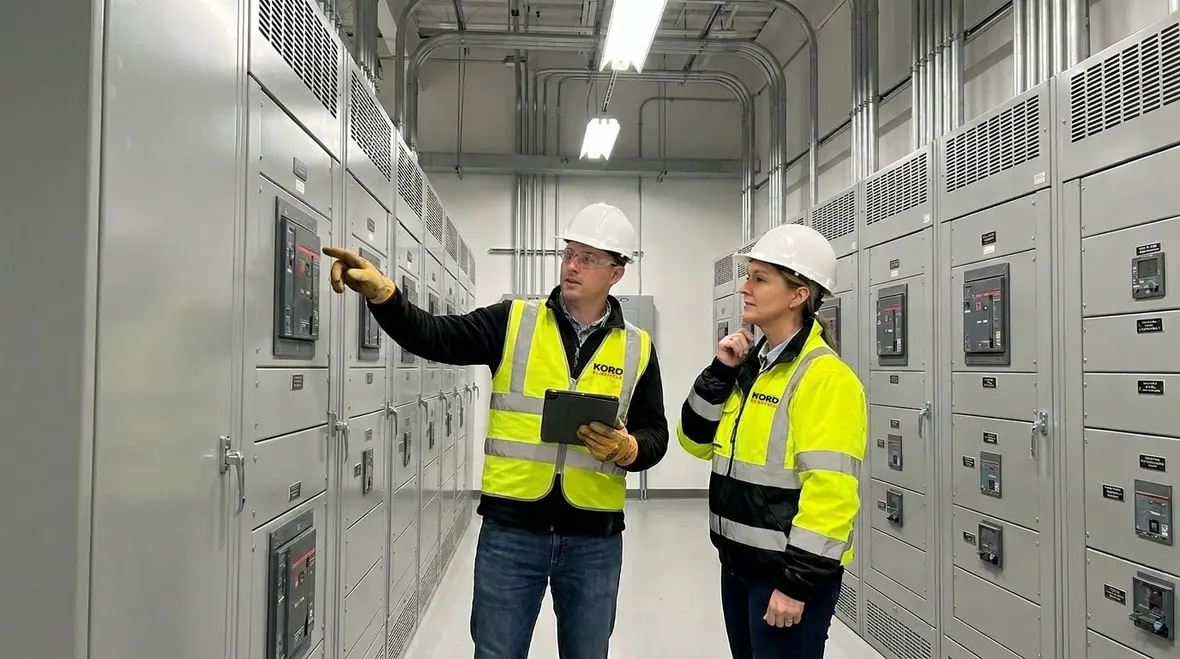
Critical Electrical Equipment Lifecycle Management
In commercial and industrial facilities, critical electrical equipment life cycle management does not mean a box gets checked and everyone goes home. Instead, we treat it like a dependable system: plan it, inspect it, service it, upgrade it, and retire it before it becomes a costly surprise. Because when switchgear, panels, switchboards, and bus systems fail, the impact does not stay on one floor. It rolls through operations, safety, data, and budgets. At Kord Electric, our approach is built for major property buildings and facilities that cannot afford downtime, guesswork, or “we will look at it later.” And yes, we make sure later does not show up wearing a fake mustache like a villain from a crime show.
What does lifecycle management really mean for electrical assets?
Critical electrical equipment life cycle management means we manage the full journey of each asset from the day it is installed until it is replaced. We do not rely on memory or rough timelines. Instead, we match maintenance actions to real condition and real risk. That is how we help owners and facility teams avoid both premature replacement and unexpected breakdowns.
In practice, we start by defining the asset inventory and its role in power reliability. Then we set performance targets, such as thermal stability, breaker operation confidence, and acceptable fault clearing behavior. Next, we align tasks to the asset type and usage history. Over time, we use service results to refine the plan. So, even when equipment ages, our decisions stay grounded in data, not hope.
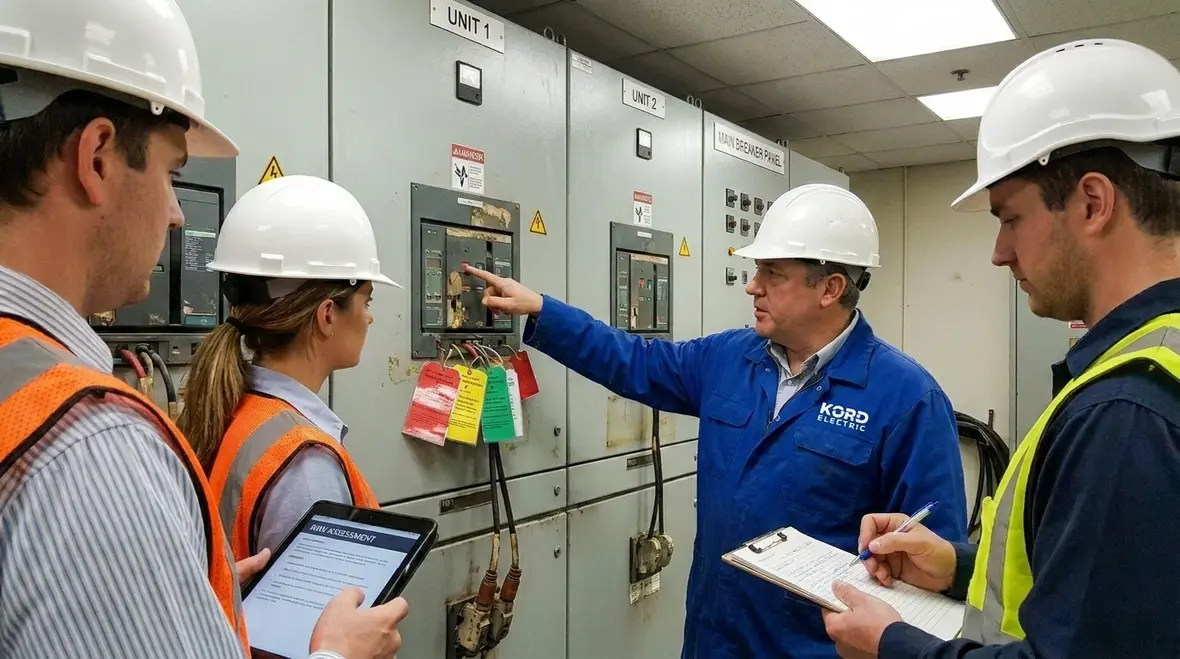
Our technicians and expert service staff walk facility teams through what we find and what it means. We explain in plain terms, not in jargon meant for a test. And when someone asks, “How serious is this?” we answer honestly, then we outline clear options with priorities.
Where do failures begin in switchgear, panels, and related systems?
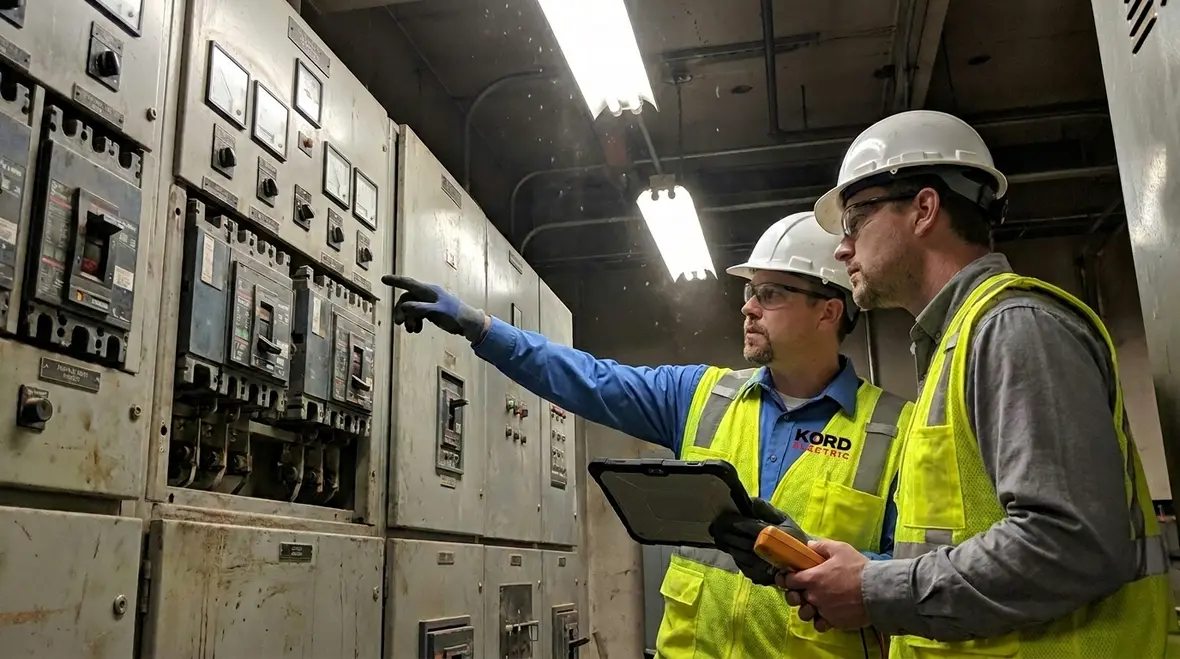
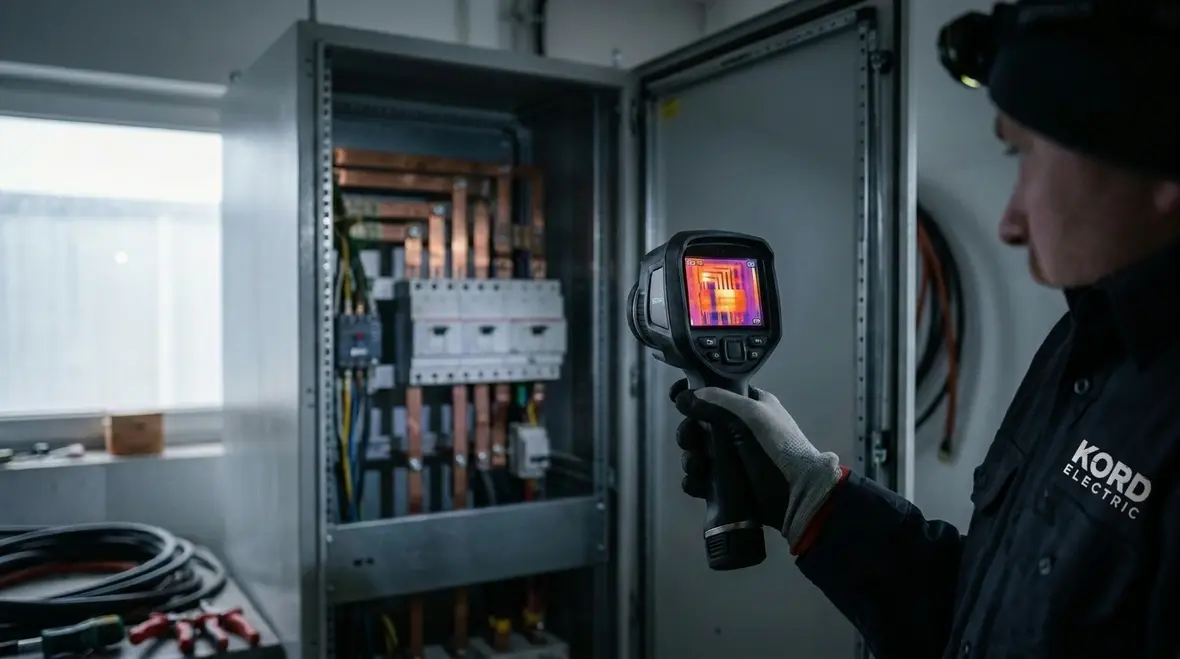
Most electrical trouble starts long before a dramatic event. Over time, heat, moisture, vibration, and electrical stress quietly degrade components. Then the system begins to misbehave in small ways. For example, a panel may show signs of loose connections, contamination, or abnormal wear on terminations. Meanwhile, a switchgear lineup may develop hotspots due to uneven contact pressure or aging insulation.
Because facility operators want steady power, we focus on the areas that commonly drift first. We look at connections and terminations, because they can loosen and create resistance. We also check insulation and internal cleanliness, since dirt and moisture reduce performance and can raise the risk of tracking. And we monitor breaker performance, since aging mechanisms can slow operation or reduce reliability during a fault.
If a facility team thinks “it is still working,” we respect that. However, we also point out that electrical systems do not announce their retirement date. They simply start costing more to keep stable. Our expert service staff helps teams spot those trends early, before the day arrives when the building becomes an unwilling extra in a disaster movie.
How NFPA 70B guides a practical maintenance plan
NFPA 70B gives a structure for preventive maintenance, inspection, and testing practices. We use it as a foundation, then we refine it using site conditions, operating schedules, and asset history. That is important, because a major property building in a coastal area does not behave like one in a dry inland region. Likewise, a facility running heavy cycles needs a tighter approach than equipment in steady service.
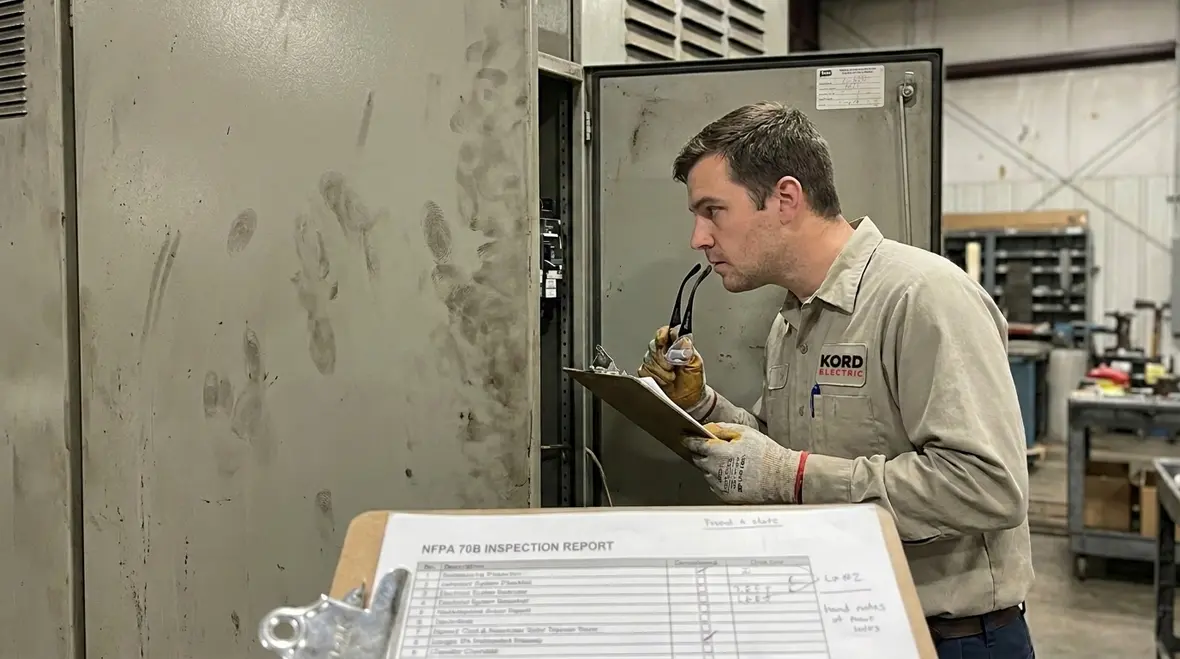
When we service electrical panels and switchgear, we do not treat maintenance as a vague idea. We build a plan around tasks and outcomes. For instance, we schedule visual inspection, mechanical checks, and tests that confirm condition. We also document what we find, so owners can track trends and make better decisions.
Our team supports this process by using consistent service methods and clear reporting. In our work, we often reference the same maintenance logic covered in our article on NFPA 70B electrical panels and switchgear maintenance, because it aligns with how we keep commercial and industrial equipment dependable. And yes, we do explain the plan step by step with our technicians’ field perspective, so leadership understands both the “what” and the “why.”
How we build a risk based lifecycle strategy for major properties
A strong plan ranks assets by consequence, not just by age. We identify which electrical equipment supports critical loads like life safety systems, process equipment, critical communications, data rooms, and essential HVAC. Then we evaluate probability of failure using condition indicators and operating history.
Once we understand that risk, we decide on the right mix of actions. For higher consequence assets, we may increase inspection frequency and add targeted tests. For lower consequence areas, we still maintain them, but we avoid unnecessary disruption. This is where lifecycle management becomes a business decision, not just a technical one.
We also think about how downtime affects operations. Therefore, we coordinate service windows, parts lead times, and possible temporary power strategies when required. Additionally, we plan upgrades before obsolescence creates emergency procurement. If a component is no longer supported, we prepare early. That way, we do not scramble while the facility schedule stares back at us.
When our expert service staff meets with owners, we translate risk into priorities. We show what needs attention first and what can wait. And we keep the tone professional, because the only surprise in a major property should be how quickly power stabilizes after a well planned service.
What should inspections and testing include across the equipment lifecycle?
Inspections and testing must do more than “look good.” We structure them to catch hidden problems before they grow. Then, we document results so the plan learns over time.
For panels and switchboards, we focus on common failure paths. We inspect for signs of overheating, corrosion, moisture intrusion, and contamination. Next, we verify mechanical operation and examine connection integrity. We also evaluate any indicators from prior service activity, such as known weak terminations or repeated breaker issues.
For switchgear, we go deeper because the consequences can be serious. We check condition of bus connections, assess internal cleanliness, and verify breaker functionality. We also review any operational alarms, maintenance history, and observed performance. Moreover, we apply a consistent method so comparisons across time remain valid. That consistency matters because electrical systems often change subtly.
After service, we provide clear reporting. We explain findings in practical terms and recommend next steps. And our technicians take time to answer questions. We do not treat your staff like spectators at a power show. We involve them, because better decisions happen when people understand what is happening inside the gear.
When do upgrades and replacements become the smarter move?
Replacement is not always the answer, and upgrading is not always urgent. The best move depends on condition, performance, code requirements, and future operational needs. Therefore, we evaluate assets using both technical data and business constraints.
We recommend upgrades when equipment no longer meets performance expectations, when safety margins shrink, or when parts availability becomes a liability. We also consider technology improvements that help reduce failure risk and support better monitoring. However, we do not push upgrades just to sell them. We align recommendations with facility goals and maintenance capabilities.
We also plan retirement carefully. Some assets can run longer with targeted repairs and improved connection integrity. Other assets need earlier retirement because hidden deterioration will likely return. Our expert service staff helps owners understand the tradeoffs, so decisions feel confident, not rushed.
In short, critical electrical equipment life cycle management should move from reactive to planned action. We aim to shift decisions from “what broke” to “what will fail next,” with enough lead time to keep operations stable.
FAQ
Our next step: keep power dependable with a lifecycle plan
If your facility runs on electrical reliability, you need more than routine checklists. Kord Electric builds critical electrical equipment life cycle management strategies that reduce surprise failures and support stable operations in commercial and industrial settings. We inventory assets, evaluate risk, align maintenance to standards, and communicate findings in plain language with our technicians and expert service staff. Contact us to review your current condition, maintenance history, and priorities. Then we will map a practical plan that fits your building schedule and protects your business.
If you manage facilities across Los Angeles County and want support beyond a single project, our broader Los Angeles County electrical services coverage helps keep your critical assets aligned with the same lifecycle strategy across multiple sites.
For teams that need ongoing help with inspections, testing, and service coordination, Kord Electric’s dedicated electrical maintenance and inspection services give you a practical way to keep lifecycle planning and day-to-day work connected, so the equipment that powers your operations receives the attention it needs before problems grow.


