Commercial Electrical Panel Maintenance Plans for Businesses
Commercial Electrical Panel Maintenance That Keeps Business Running Smooth
At Kord Electric, we focus on Commercial Electrical Panel Maintenance for commercial and industrial facilities and major property buildings. We do it because electrical panels do not care about your busy schedule, but they absolutely respond to how you maintain them. When panels run hot, loosen up, or collect dust over time, the risk grows quietly. Then one day it is lights out, motors stuck, and everyone suddenly becomes an electrical engineer on YouTube. That is not a fun plot twist.
Our approach starts with best practices that technicians and our expert service staff explain in plain language. Even when the work feels technical, we keep it calm, clear, and practical. Next, we lay out the habits that reduce failures, extend equipment life, and help you meet safety expectations without turning your facility into a science fair.
How We Set a Maintenance Plan That Actually Fits the Facility
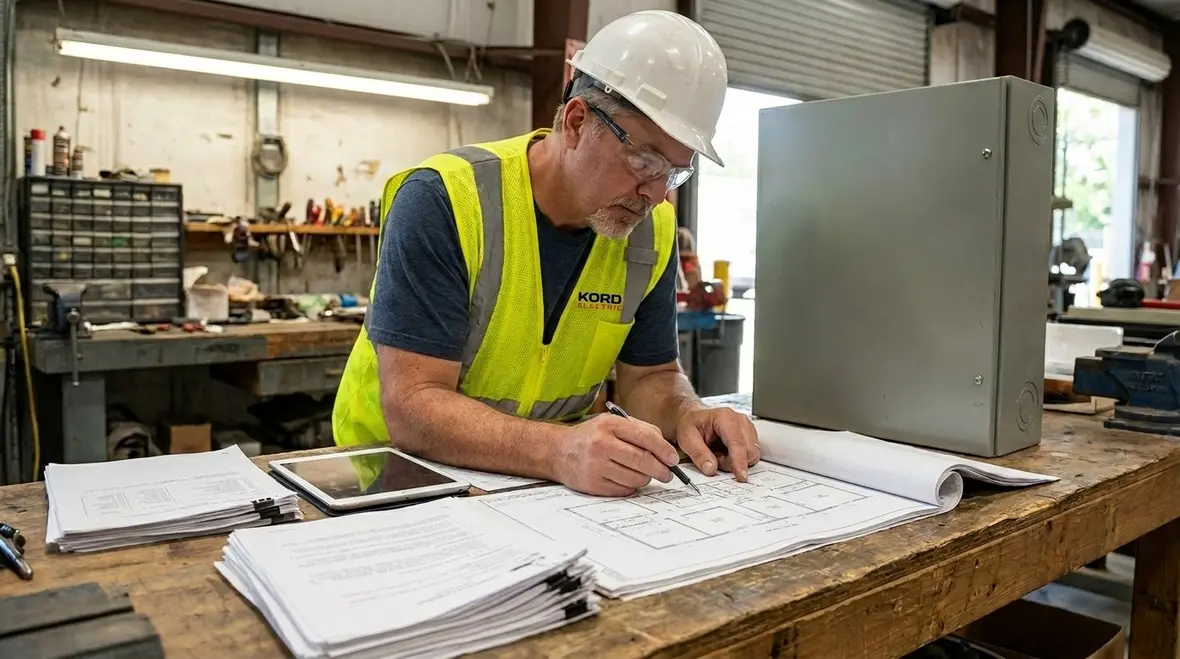
Every building has a personality. One facility has heavy HVAC cycling all day. Another runs production equipment that adds vibration. Therefore, the right Commercial Electrical Panel Maintenance plan depends on load patterns, operating hours, and how many circuits share the same bus. We build plans for commercial and industrial environments, not homes, and we tailor them to the way your site behaves.
First, we review panel schedules, equipment lists, and past service records. Then, we identify critical loads, like refrigeration, life safety systems, access control, and emergency power interfaces where applicable. After that, we schedule inspections so they fit around operations. In other words, we do not stop your work just because the calendar says it is time.
Our technicians also look at environmental factors. High humidity, airborne dust, and corrosive fumes accelerate wear. If your facility sits in a tough setting, we recommend more frequent checks. And yes, we will tell you when a “quick look” is not enough. Like a smoke detector that “seems fine,” panels can fail without much warning.
Because panels sit at the center of your distribution system, a thoughtful maintenance plan also ties into broader upgrades. For facilities planning deeper improvements to feeders or distribution equipment, pairing Commercial Electrical Panel Maintenance with a coordinated project, such as a rewiring cost review for commercial electrical systems, helps align downtime, budgets, and long term reliability.
What Technicians Inspect Inside the Panel Without Guessing
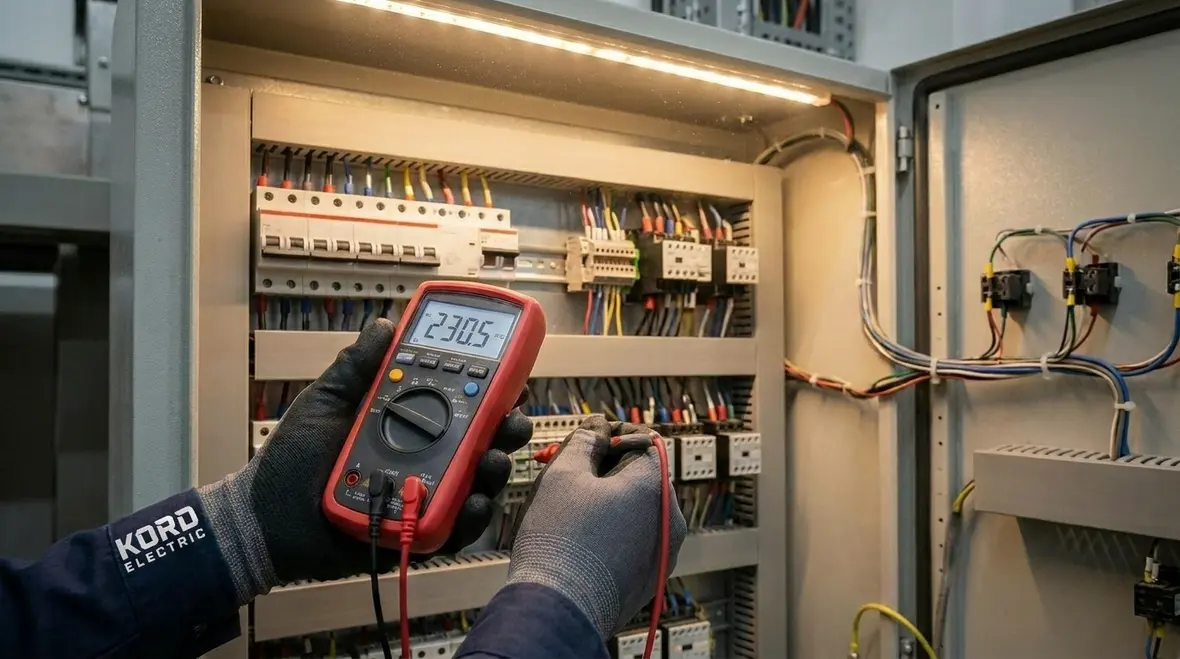
Best practices mean nothing if they depend on guesses. So our expert service staff uses a systematic inspection routine that supports Commercial Electrical Panel Maintenance and safe decisions. We start with visual checks, then move to measurements and functional verification based on what we find.
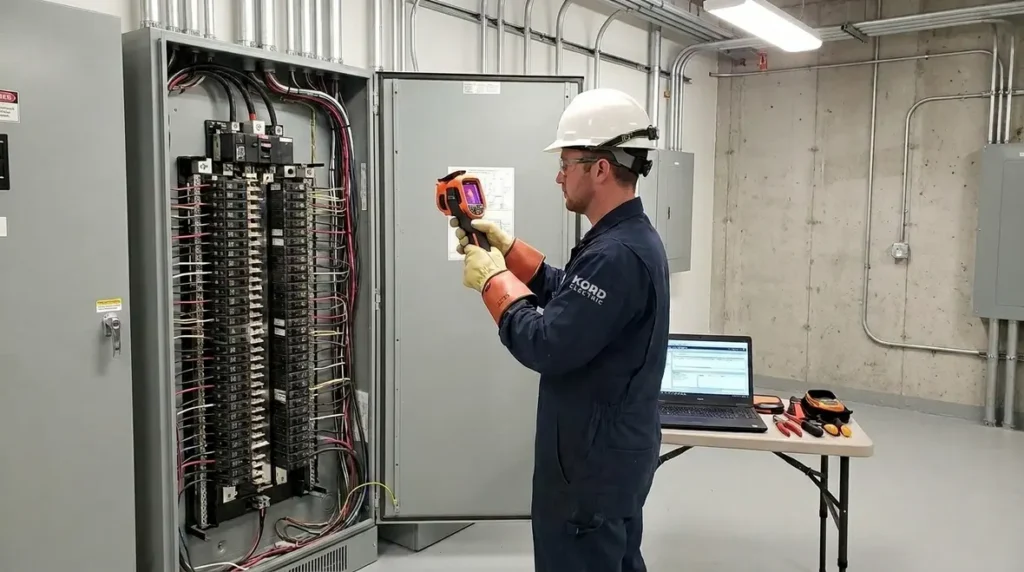
Technicians typically inspect for signs of overheating, discoloration, and insulation breakdown. We check for loose terminations, corrosion, and dust buildup that can trap heat. We look for damaged breakers, pitted bus bars, and signs of moisture. If a component looks stressed, we treat it as a priority.
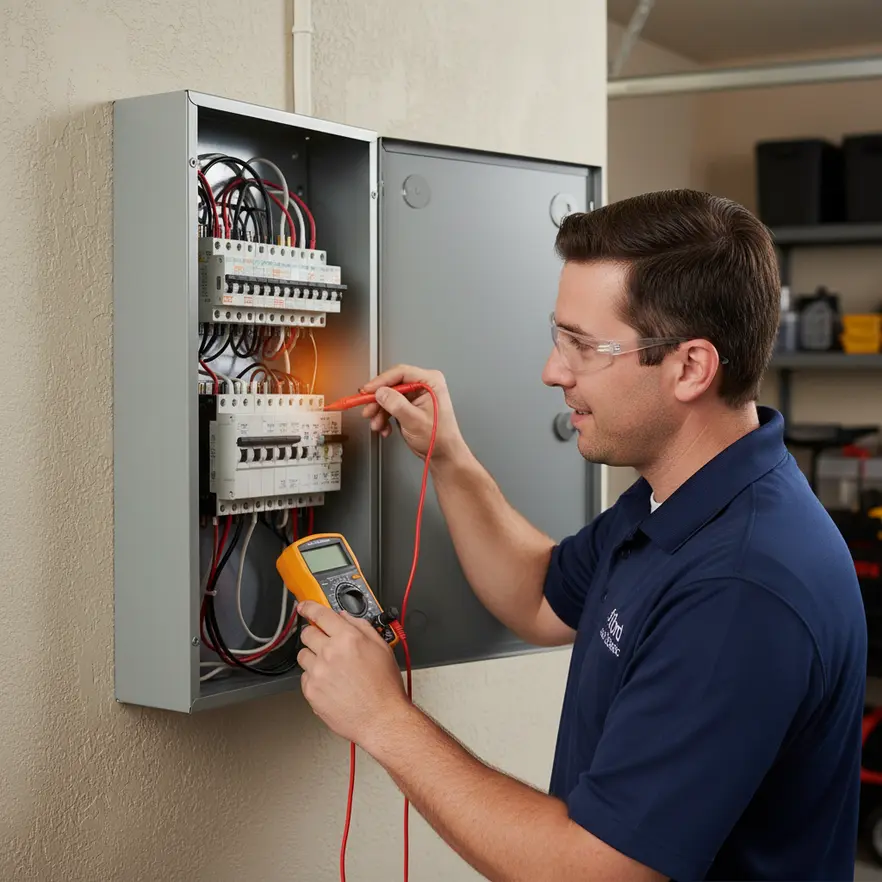
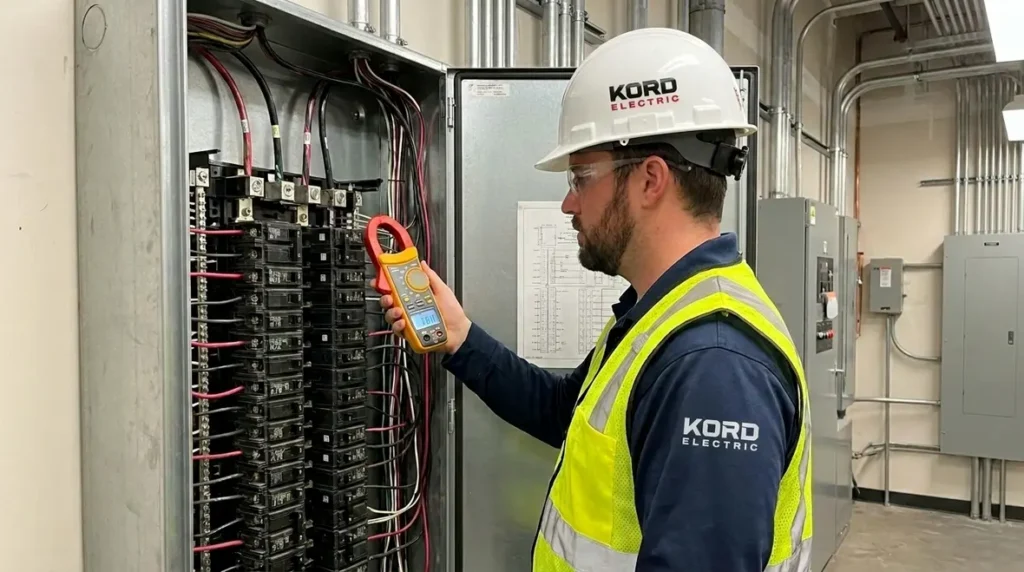
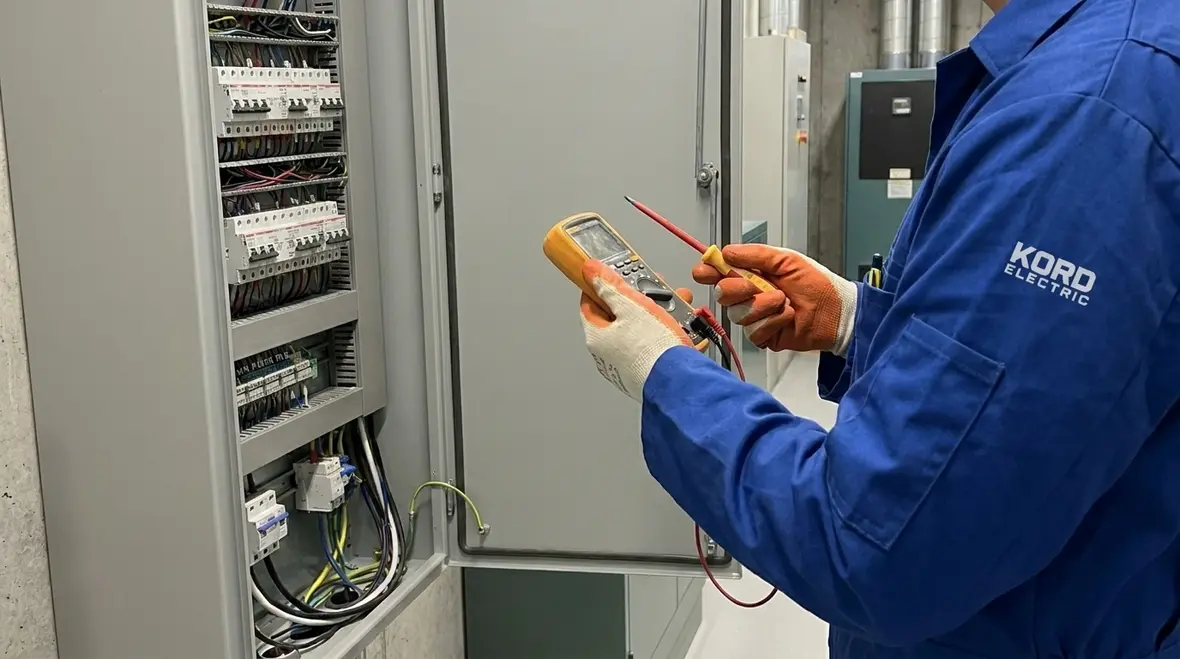
Then we verify performance with proper tools. We measure incoming conditions and check for abnormal voltage imbalance, when applicable. We evaluate current loading patterns and compare them against expected values. We also check labeling accuracy and circuit organization. A mislabeled breaker is like a wrong exit sign in a fire drill. It can look harmless until it matters.
Throughout the process, our team documents findings so others can act with confidence. That matters in major property buildings where multiple vendors and building staff share responsibility. When we finish, you know what we saw, what it means, and what we recommend next. For property managers who want an even deeper understanding of how panels fit into the bigger picture, resources like our commercial electrical systems for modern buildings guide help connect panel maintenance to overall system health.
Why Heat, Loose Connections, and Moisture Drive Most Panel Problems
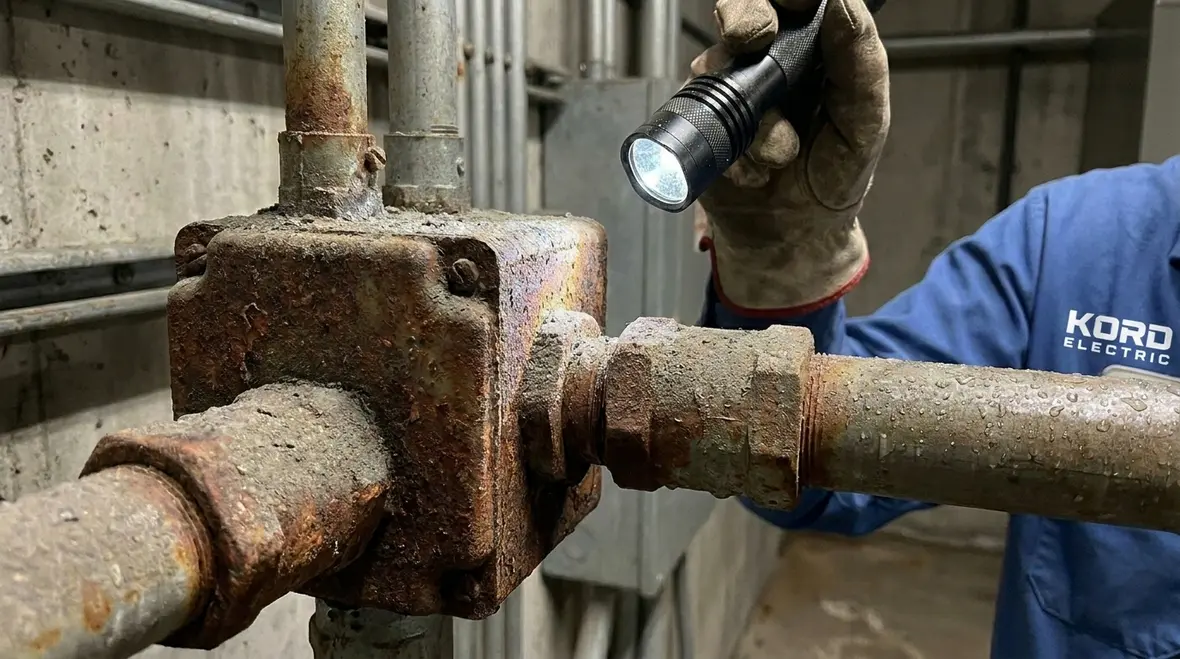
If electricity had a daily routine, it would wake up, run warm, and then slowly build trouble through heat and resistance. Over time, loose connections raise resistance. Resistance raises heat. Heat degrades insulation. Therefore, many failures start with things that look small at first.
Moisture accelerates corrosion on metal parts and affects contact surfaces. Dust and debris can also increase insulation leakage and create hot spots. In industrial spaces, vibration from motors and mechanical systems can loosen components over time. So, technicians pay attention to mounting security, cable entry points, and strain relief.
Here is the practical part: best practices for panel care include not only tightening connections when needed, but also verifying torque standards during service. We do not “tighten until it feels right.” We follow spec-based torque procedures and use correct tools. And if we find repeated looseness, we investigate the cause, not just the symptom.
We also consider cable condition. Damaged insulation at termination points can create long term problems. So our technicians look at the whole path, from conduit entry to breaker contact points, because that is where reliable performance begins. In coastal or high-moisture regions, pairing Commercial Electrical Panel Maintenance with broader coastal protection strategies, similar to those used in Santa Monica electrical safety for coastal properties, helps panels stand up to tough environments over time.
Testing and Records That Support Safety and Service Continuity
Commercial and industrial sites need consistency, especially when operations run daily and uptime matters. Our approach to Commercial Electrical Panel Maintenance includes testing that goes beyond a basic inspection. We prioritize methods that match the panel type, age, and risk level.
We document torque checks, readings, and component condition. In major property buildings, this record becomes a reference point for future work. When another contractor shows up years later, the building manager should not have to start from zero. With solid records, decisions get faster, and repeat problems become easier to prevent.
Our expert service staff also focuses on safety workflows. Panels need safe access, clear lockout and tagout procedures where required, and careful coordination with facility operations. We work in a way that protects people and equipment, and we keep communication active so downtime stays minimal.
Additionally, we review breaker usage. Some breakers operate lightly for years while others run near their limits. Therefore, we flag overloaded circuits and recommend load balancing when the electrical design allows it. That reduces stress and helps extend the life of bus bars, breakers, and terminations.
Testing and documentation also support inspections and compliance. When it is time to upgrade equipment or adjust loads, having a clear maintenance history helps align work with standards such as NFPA 70, the national electrical code. For those planning future projects, our article on understanding NFPA 70 for 2026 shows how code changes influence commercial panel work, distribution systems, and long term planning.
How We Handle Repairs, Upgrades, and Replacement Decisions
Maintenance is not only cleaning and tightening. Sometimes, the best move is repair. Other times, the smartest option is upgrade. We guide commercial and industrial customers through decisions using a clear, evidence based approach. No drama. No vague promises. Just what we see and what it means.
When panels show severe corrosion, cracked components, or recurring heat damage, we recommend corrective action. If the panel design no longer supports the facility’s load needs, we plan upgrades. For example, additional distribution capacity or improved protective devices can reduce stress on existing components. And in major property buildings with growing tenant loads, upgrades can prevent future bottlenecks.
We also consider standardization. When parts match specifications and labeling stays accurate, future Commercial Electrical Panel Maintenance becomes simpler. That reduces time during service visits. And yes, it saves your team from hunting for “the breaker that probably does it.” Nobody deserves that kind of scavenger hunt.
Our technicians explain options in plain terms, including risks of delay. Then, we coordinate with facility leadership about timing, shutdown windows, and staged work when possible. We keep the process orderly, because commercial work runs on schedules, not surprises.
If an upgrade touches major systems, from production equipment to kitchen infrastructure, we make sure panel decisions match downstream needs. That might include coordination with projects like commercial kitchen electrical upgrades and wiring so your distribution, appliances, and branch circuits work together instead of competing for capacity.
Featured Checklist for Routine Panel Care in Commercial Spaces
Facility teams play an important role between service visits. While only qualified technicians should open and test panels as needed, your internal practices reduce risk. Here is a checklist that supports Commercial Electrical Panel Maintenance without turning staff into electricians.
- Keep the area dry and clean: remove dust buildup and protect panels from moisture intrusion
- Monitor for odors and heat: if you smell burning or notice unusual warmth, report it immediately
- Watch breaker trips: repeated tripping signals a problem, not a personality quirk
- Maintain clear access: panels need room for safe operation and inspection
- Verify labeling: circuit labels should match actual loads, especially after tenant changes
- Track changes: document equipment additions or process changes that affect electrical load
When your team reports early warning signs, our technicians can respond faster and more precisely. That usually means less disruption and lower total repair cost. It is boring in the best way. Boring keeps the lights on.
Frequently Asked Questions
Ready to Protect Your Electrical System This Quarter?
When a commercial panel fails, it rarely waits for a convenient time. Kord Electric helps your team run smoother through smart, scheduled Commercial Electrical Panel Maintenance, careful inspections, and clear repair or upgrade guidance. Our expert service staff explains findings without the jargon, coordinates with your operations, and documents everything so you stay in control. If you want fewer surprises and stronger electrical reliability, reach out to us today to schedule an assessment for your facility.
If your building is also experiencing issues like frequent trips, flickering lights, or unexplained equipment behavior, pairing panel maintenance with a broader electrical review can be the next wise step. Kord Electric’s Electrician Cost LOS guide for commercial facilities walks through how preventive programs, upgrades, and long term planning fit together. When you are ready to move from reactive fixes to a structured Commercial Electrical Panel Maintenance strategy, our team is prepared to help.
For facilities that need a focused, service-level partner rather than just a one-time project, exploring Kord Electric’s dedicated commercial electrical services is a smart next step. From panel evaluations and ongoing preventive maintenance to upgrades, rewiring, and emergency support, our commercial electrical team builds plans that match your operations instead of interrupting them.
Connect with our commercial electrical specialists to discuss a Commercial Electrical Panel Maintenance roadmap that fits your facility’s size, risk profile, and long term goals.