Commercial Electrical Panel Safety Audit Guide
At Kord Electric, we start with a simple idea: a periodic electrical panel safety audit helps prevent failures before they turn into outages, smoke, or expensive downtime. In fact, our experts run a careful check of commercial electrical panels and switchgear using the right maintenance mindset, because we have seen what happens when small issues grow teeth. If a panel has been working fine for years, that does not mean it will keep doing the same thing next summer. And yes, we know what some folks say: “The lights are on, so it must be fine.” That is the kind of logic that makes electricians roll their eyes and the rest of the building call us after the damage is done.
In this article, a member of our service team explains what we inspect, why it matters, how we follow best practices, and how property managers can build a plan that keeps power safe for commercial and industrial facilities and major property buildings.
Why power risks rise over time in commercial buildings
Commercial and industrial spaces face higher electrical stress than many people expect. Over time, heat cycles, dust, vibration, and changes in usage all add up. Even if a facility stays “stable” operationally, loads shift when tenants expand, equipment gets added, or production schedules change. Consequently, the panel that served the building last year may struggle this year.
We treat an electrical panel safety audit as a time based safeguard. While the building waits for the next inspection, the panel quietly collects wear. Connections can loosen slightly. Components can drift out of spec. Insulation can dry out. Corrosion can start where moisture finds a path. Then one day the system “works,” but it works with stress you cannot see until it is too late.
That is why our technicians speak plainly when they meet your team. They explain how the electrical panel’s job changes as the building changes. And they do it with the calm confidence of people who would rather prevent a problem than brag about fixing it.
What we check during an electrical panel safety audit
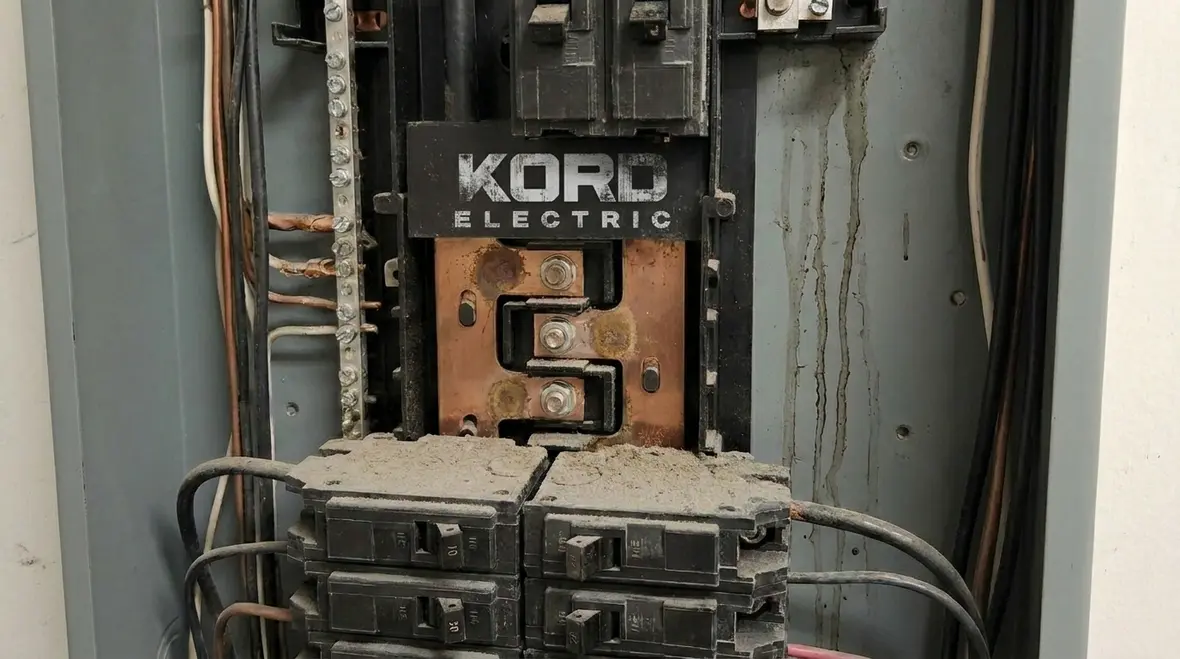
When our experts conduct a safety audit, they focus on the parts that commonly fail under real world conditions. To do that, we do not just look for obvious damage. We verify condition, function, and safety across the panel and its supporting parts.
Here is the core of what our service team reviews, based on standard maintenance thinking described in our Kord Electric guidance on NFPA 70B electrical panels and switchgear maintenance.
- Visual inspection of enclosures, doors, and cable entries for signs of wear, dust buildup, staining, or corrosion
- Condition of bus bars and connections including signs of overheating, discoloration, or loose hardware
- Inspection of breakers, fuses, and switches to confirm they appear intact and function as intended
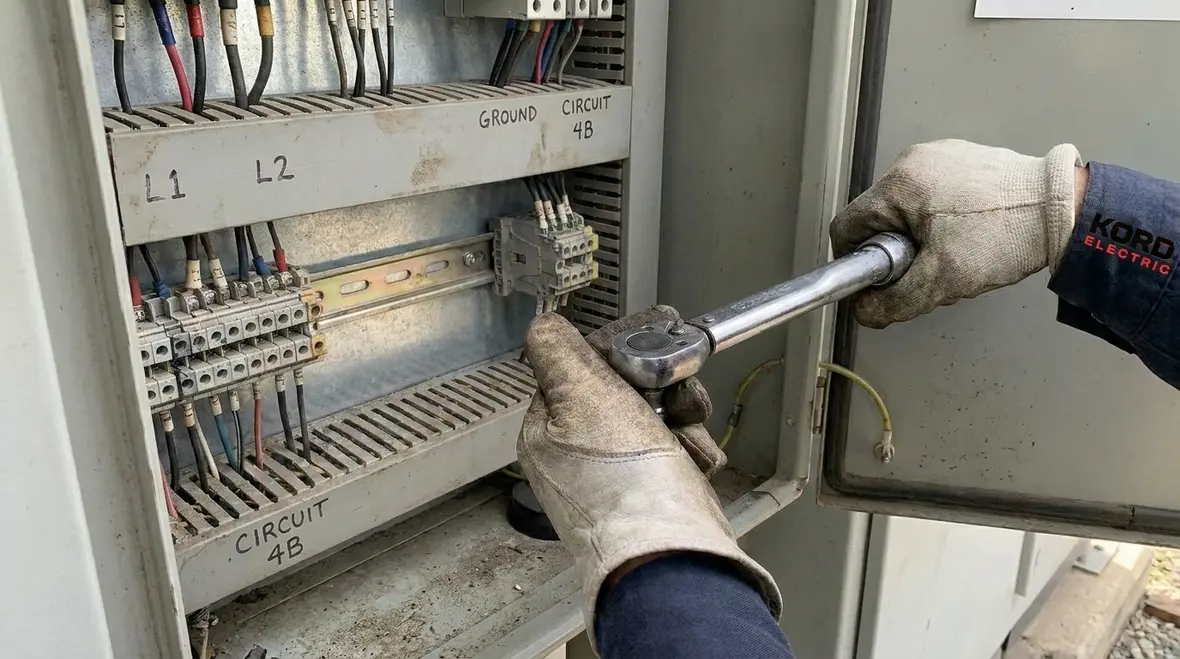
- Checking for proper torque and connection integrity where appropriate, since small looseness can create large heat
- Verification of label accuracy and system clarity so staff can shut down the right circuits without guessing
- Assessment of cooling and ventilation paths to reduce heat stress during normal operation
- Review of protective device coordination so nuisance trips do not hide bigger faults and safety stays clear
In addition, we pay attention to what the building records can tell us. Therefore, if a panel has a history of trips, alarms, or short events, we treat that as a signal, not background noise.
How a safety audit reduces downtime and hidden damage
Commercial owners and facility managers care about one thing above all: uptime. A periodic electrical panel safety audit protects it by catching issues that might not stop the system today, but could fail it tomorrow.
For example, a connection that loosens can create heat. That heat slowly weakens insulation and damages nearby parts. Then, instead of a simple fix, you may face a replacement job, wiring repairs, and a long outage window. Meanwhile, the cost is not only the electrical work. It includes lost productivity and sometimes the cost of emergency response, which is never a budget line anyone enjoys.
Also, small problems can look “normal” to untrained eyes. A breaker might still turn on, a switch might still switch, and the lights might still glow like they are in a TV commercial. Yet inside, the panel can be building risk. By the time heat marks or repeated trips become obvious, the damage often already advanced.
Our technicians guide the audit results into a clear path. Then your team can schedule repairs before failures force a rushed, expensive response. In other words, we help you trade surprise for planning.
Compliance, planning, and documentation that help your team
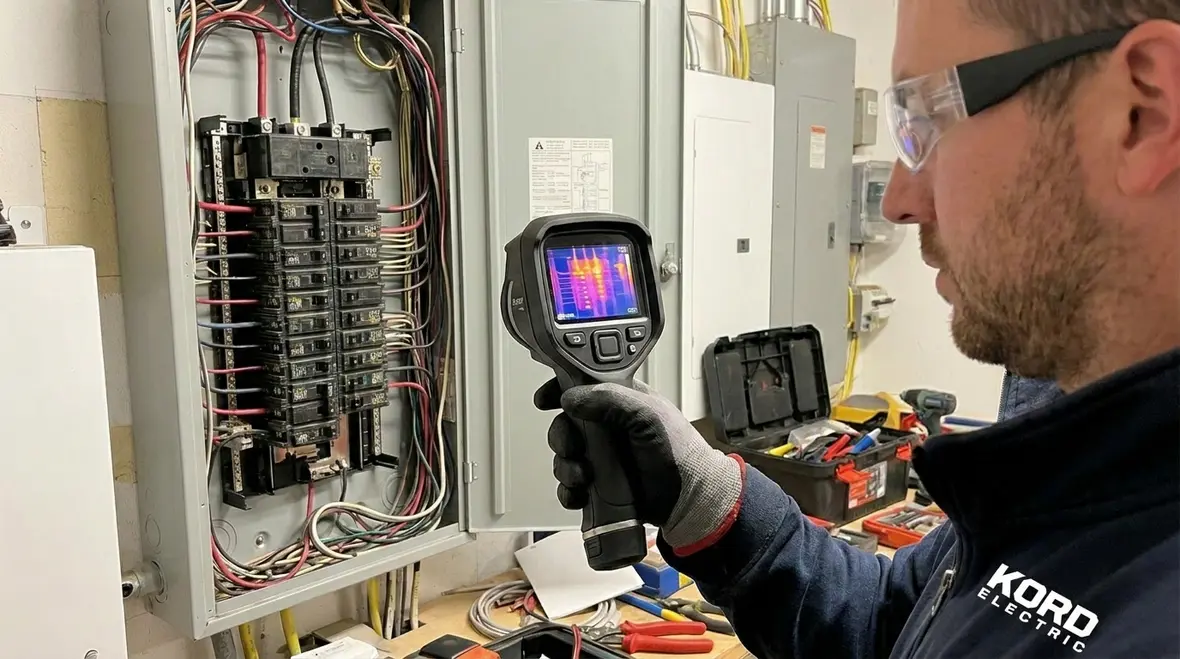
Property owners do not just need safe equipment. They need evidence that they managed risk. During a safety audit, we build a documented record that supports your maintenance program and helps you stay organized across sites.
However, the paperwork should not become a paperweight. Instead, it should translate into actionable work. We explain findings in business terms: what we saw, what it could lead to, and what we recommend next. Then we help facility leaders understand timelines and urgency.
Just as important, our service staff coordinates with how your building runs. Therefore, for major property buildings, we can plan work windows around loading schedules, critical operations, and tenant needs. Nobody wants the power down during peak business hours. If that joke sounds familiar, it is because most facilities have lived it.
We also bring practical context. Many issues tie back to long term maintenance choices, not just one “bad component.” With that in mind, we help your team set a repeatable cycle of inspections so your panel does not rely on luck.
How often should a commercial panel safety review happen
The right schedule depends on equipment type, building activity, and operating conditions. Still, a periodic electrical panel safety audit often earns its place on a planned calendar, not an emergency call list.
In general, facilities with heavy loads, frequent tenant changes, high dust, or harsh environments should plan more frequent review. When equipment runs hot or operates under unstable conditions, it accumulates wear faster. Likewise, older panels or switchgear can need earlier attention, especially if they have unknown maintenance history.
Our technicians help teams choose a schedule that fits. We start by understanding your building: usage patterns, known issues, and any history of alarms or trips. Then we recommend an audit frequency and a maintenance cadence that matches your risk level.
And if someone in management asks, “Can we wait?” we respond with the same calm clarity each time: waiting increases the chance of finding problems when they already caused downtime. It is like driving with a check engine light on and hoping the engine stays calm. Usually it does not.
Dual column checklist for a safe maintenance program
To make it easy for commercial and industrial sites to move from good intentions to real action, we use a practical checklist approach. Below is a simple view of what to plan and what to verify.
|
Planning items |
Verification items |
|
|
While this checklist stays simple, the work behind it should never be rushed. Instead, we recommend that facility teams work with our expert staff to keep safety and reliability consistent across major property buildings.
FAQ: electrical panel safety audit for commercial facilities
Get a clear plan for your panel’s next safe season
Commercial and industrial equipment does not warn you with dramatic music before it fails. It just fails, and then your team scrambles. Kord Electric helps you avoid that outcome with expert, scheduled inspections and an electrical panel safety audit approach built for real building conditions. Our technicians explain findings in plain language, document what matters, and recommend next steps your team can actually follow. If you manage a major property building and want safer power with fewer surprises, contact Kord Electric today and book your next review.
To extend the impact of each electrical panel safety audit, many facilities also connect the findings to a broader electrical preventive maintenance program. That way, small issues uncovered in the panel do not just get noted once; they feed into a long term maintenance strategy that protects equipment, uptime, and safety across the entire facility.
If your commercial or industrial site is already seeing unexplained trips, voltage complaints, or “warm to the touch” gear, pairing an electrical panel safety audit with services like targeted voltage troubleshooting and preventive maintenance can help stabilize performance before problems spread across your system.
When you are ready to move from worry to a clear plan, Kord Electric can align your electrical panel safety audit with ongoing preventive maintenance visits, NFPA 70B guided practices, and repair work scheduled around real operating windows. That combination keeps risk managed and gives your team a calm, predictable way to care for the systems that power everything else.
For facilities that cannot afford downtime as a surprise, integrating your electrical panel safety audit into a structured service plan is one of the simplest, most practical ways to protect people, equipment, and operations.