Commercial Electrical Panel Safety Warning Signs
At Kord Electric, we take commercial electrical panel safety seriously, because in real facilities a panel can fail quietly, then all at once. Others may ignore the warning signs until lights flicker, breakers trip, or equipment starts acting “creative,” like a sitcom character who forgot their lines. We work with commercial and industrial facilities and major property buildings, and we have seen how overloaded panels turn routine operations into expensive downtime. In this guide, we help property leaders spot the early signals, understand what causes them, and choose the right steps to protect people, assets, and uptime. And yes, we explain it in plain language, because nobody should need an electrical engineering degree to run a building.
Overloaded panel symptoms in commercial buildings: what we should notice first
When commercial loads rise, an electrical panel can feel the pressure long before it fails. First, we watch for operational patterns, because those patterns tell us more than a guess ever will. Then we compare what the building uses today versus what it was designed to handle.
Common warning signs include repeated breaker trips, warm or hot panel surfaces, and discolored wiring at accessible points. In addition, facilities may notice dimming lights during start up of HVAC units, pumps, elevators, or compressors. If that happens, we treat it as a real clue, not a “temporary mood swing.”
We also look for strange behavior that people sometimes normalize. For example, a panel that makes buzzing sounds, shows a burning smell, or has flickering electronics during peak demand should trigger a safety response right away. At Kord Electric, our technicians and expert service staff explain what we find and why it matters, so the team can act quickly instead of waiting for another “warning” that comes with smoke.
Heat, smell, and sound: early danger cues our technicians explain
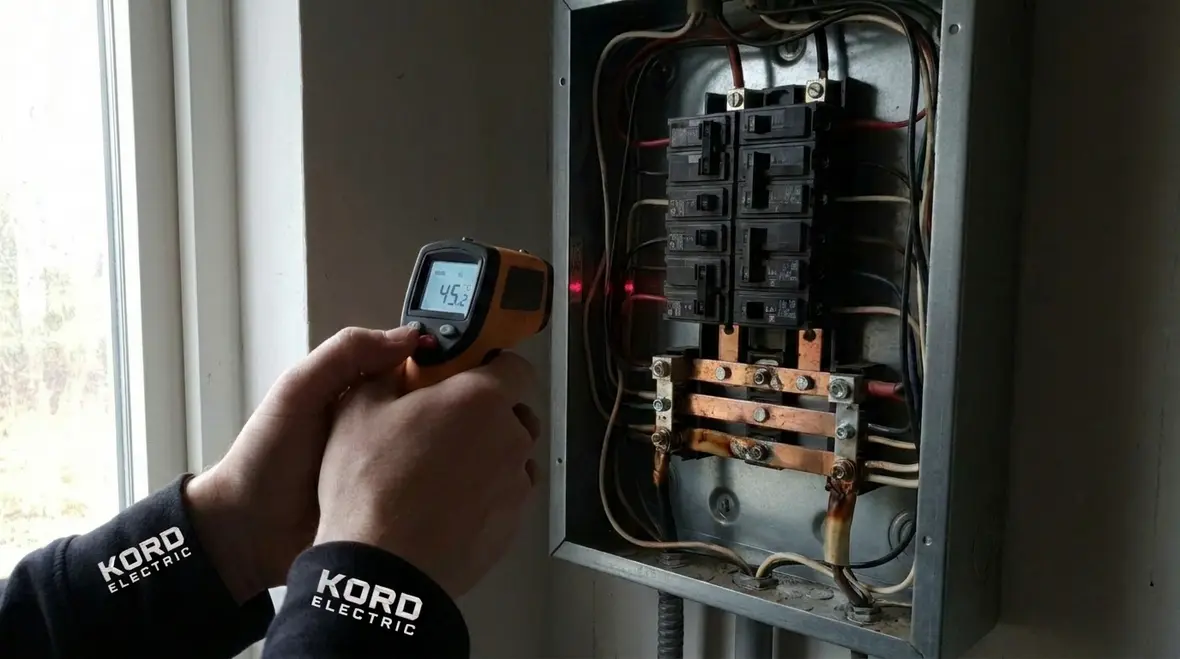
Let’s talk about the senses, because they often catch issues before tools do. Overload creates heat, and heat changes materials. As a result, components loosen, insulation ages faster, and connections can fail under load.
Our expert staff typically begins by checking panel temperature, signs of arcing, and any visible damage around bus bars, breakers, and terminations. We also ask building operators whether any odors show up during shift changes, lunchtime equipment start ups, or seasonal system ramp ups. If someone says they smell something “electrical,” we listen like it is a fire alarm in slow motion, because that is exactly what it can become.
Now, for the sound. Panels under stress may produce a crackling or buzzing noise, particularly during load peaks. That noise can indicate poor connections or arcing. Therefore, we do not treat it like background noise from a working building. We treat it like a signal that the panel is no longer operating within safe conditions.
We also confirm whether the building’s electrical layout matches modern usage patterns. For example, if a building’s load has changed since the original design, the panel may now handle a mix it was never meant to support. In that case, we use testing and field observations to guide next steps.
How overloaded panels happen in modern commercial buildings
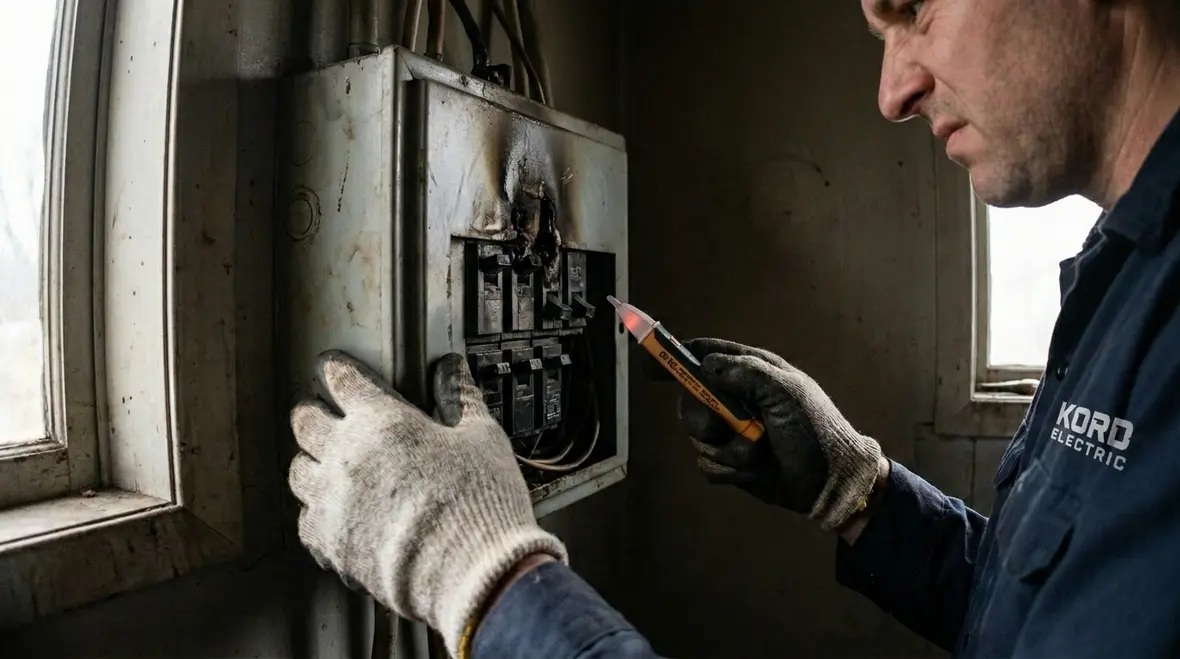
Most overloaded panel issues do not appear out of nowhere. They usually build up over time, and then management notices only after disruptions begin. First, equipment upgrades increase demand. Then renovations add outlets, data gear, new lighting controls, and sometimes new production machines.
Additionally, load diversity often changes. Older buildings may run loads with predictable patterns, but modern operations bring more sensitive electronics and variable-speed drives. As a result, current draw can fluctuate and spikes can happen when multiple systems start within the same window.
We also see the “inventory problem.” Facilities add temporary equipment for events, construction phases, or seasonal programs. If nobody updates the panel load plan, those temporary loads can become permanent in practice. Sooner or later, the panel reaches its limits.
Our team reviews the building’s electrical systems for modern work and growth. The approach aligns with the way commercial electrical systems for modern buildings must function today, especially when they serve multiple floors, multiple tenants, and shared mechanical equipment. We help clients connect the dots between usage and panel capacity, because guesswork wastes time and money.
Why breaker trips and voltage swings often point to panel stress
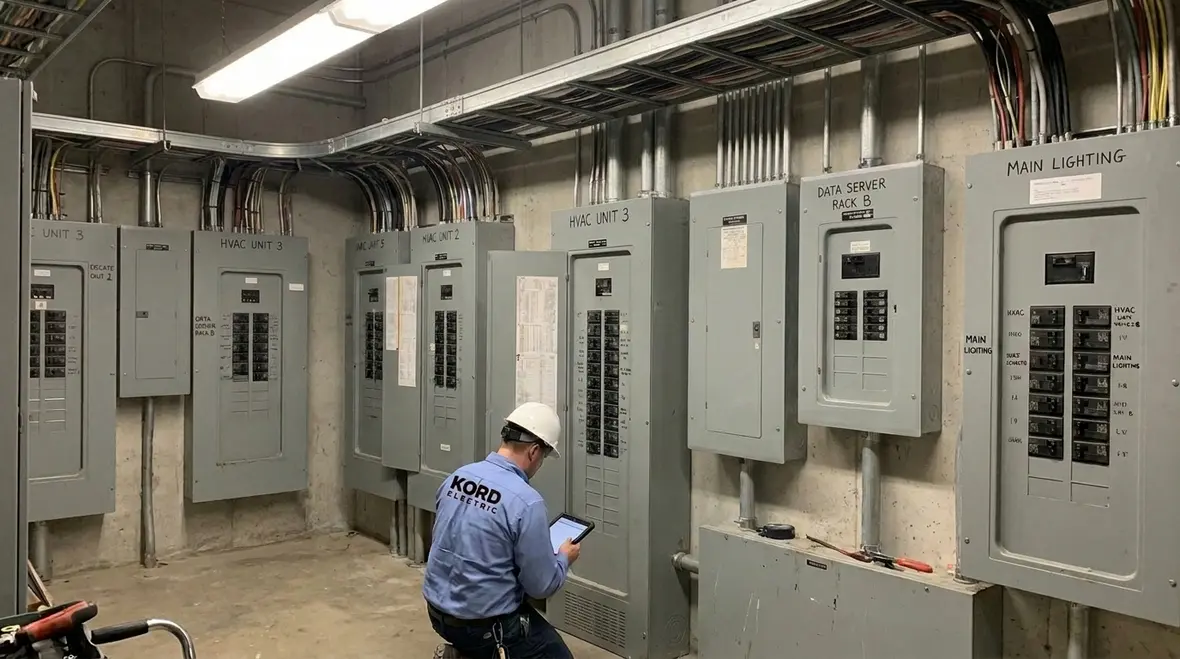
Breakers do not trip for entertainment. They trip because the system detects conditions that threaten safe operation. Therefore, repeated trips often mean the panel is carrying too much load, or the load distribution is unbalanced.
Also, when panels get stressed, voltage can sag during peak demand. That sag can trigger nuisance trips, reset sensitive equipment, and reduce performance in HVAC and industrial controls. If a building uses VFDs, controls, or other electronics, low voltage can feel like the equipment is “glitchy,” even when the real cause is electrical strain.
Next, we consider how the facility is wired. Improper sizing, aging components, and loose terminations can raise resistance at connections. And when resistance increases, heat increases. So the panel becomes a self-reinforcing cycle of stress.
In many cases, the panel may not only be overloaded. It may also have hot spots due to poor load balance or aging breakers. For that reason, we do not just reset breakers and move on. We investigate the pattern, check protective devices, and confirm whether the panel bus and terminations show stress.
To keep the process calm and effective, our technicians and expert service staff explain findings step by step, using building-friendly terms. We translate test results into practical actions, because a satisfied facility manager should not need a power-point deck to make good decisions.
What to do during an overload investigation without causing more risk
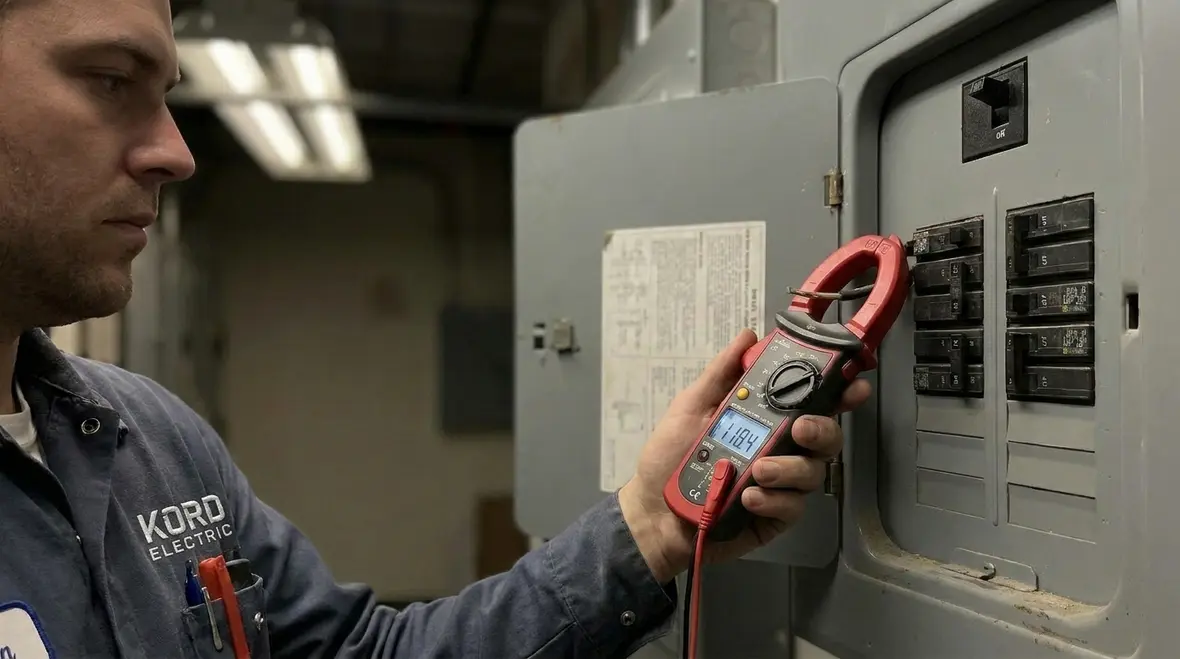
When a warning appears, our goal is to respond fast while protecting the facility. First, we stop the guessing. Second, we avoid risky “quick fixes” like bypassing protections or swapping parts without identifying the cause. That is how electrical problems turn into electrical hobbies, and we are not here for that.
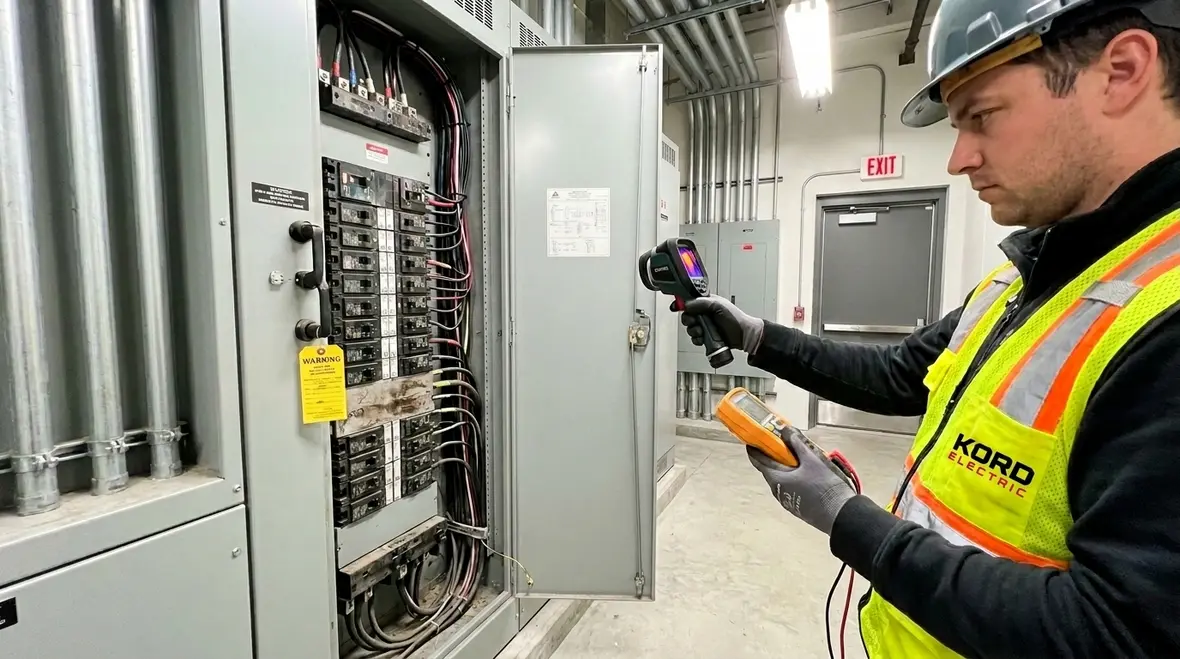
We typically begin with a site walk and a safety review. Then we gather information about equipment schedules, recent upgrades, and any changes in usage. After that, we inspect the panel for physical clues like overheating, discoloration, or loose connections.
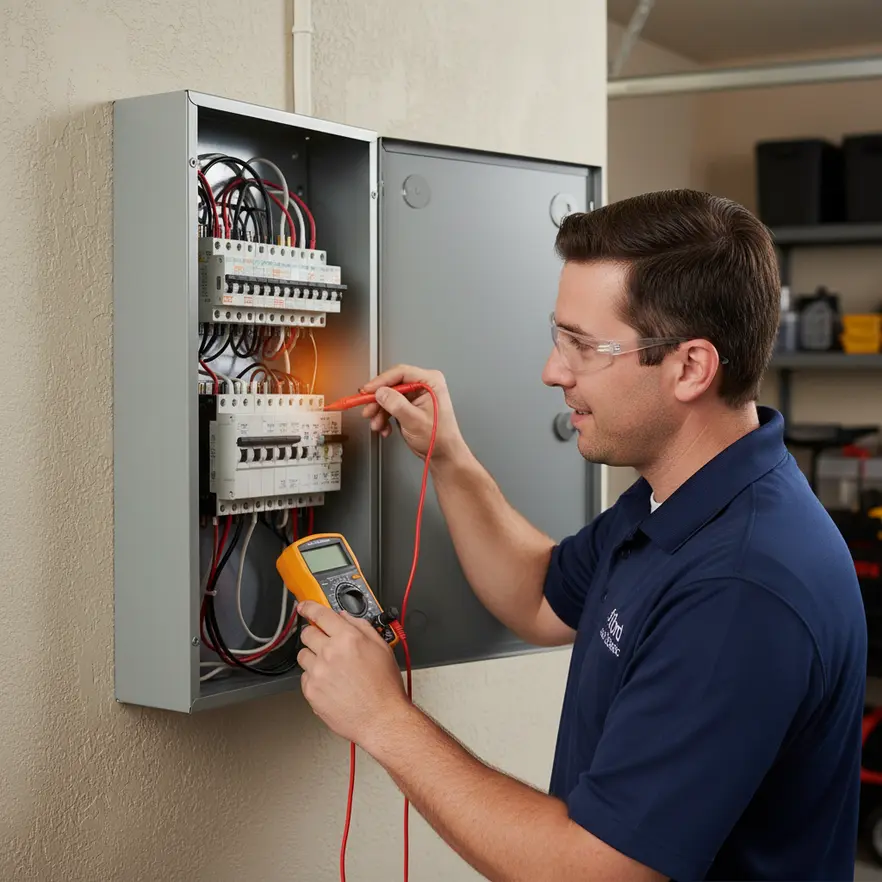
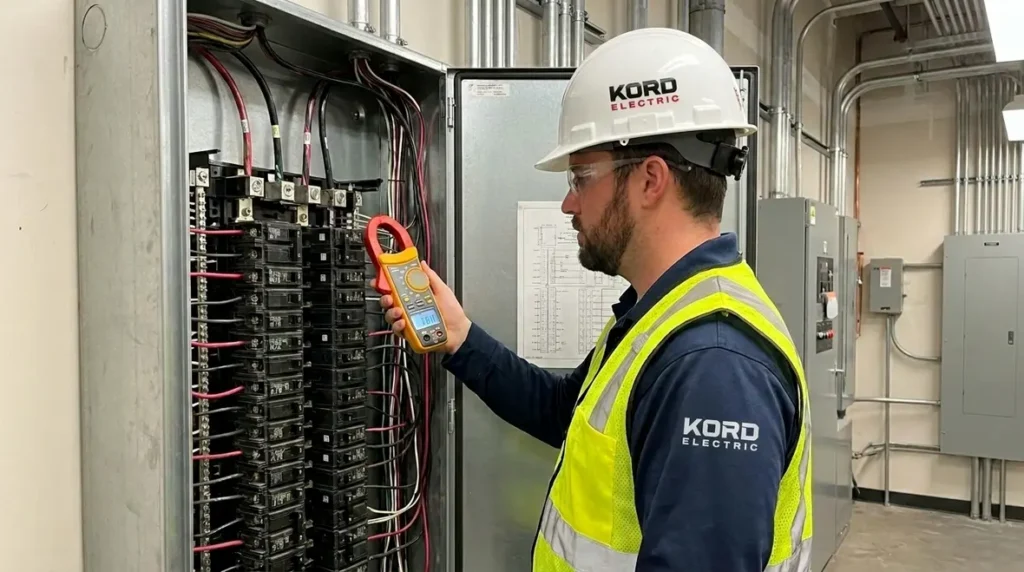
Next, we perform electrical testing where appropriate, because readings help confirm whether the panel is overloaded, whether connections need attention, or whether protective devices are mismatched to the load profile. If we find signs of arcing or unsafe conditions, we prioritize panel safety steps immediately.
Then we plan corrective actions. That plan may include tightening and verifying connections, replacing damaged components, redistributing loads across circuits, or upgrading the panel and related equipment for the current demand. In some cases, we also help clients adjust the facility’s load management approach so the system runs smoothly during peak operations.
Our commercial and industrial focus matters here. We design solutions for reliability, uptime, and code compliance across major property buildings, not for one-off residential convenience.
Upgrade and prevention steps that protect uptime for major properties
Prevention starts with clarity. We help building teams understand where the load comes from and where it goes. After that, we align capacity with actual demand. If a building has expanded, added tenants, added production, or upgraded mechanical systems, we treat the panel as a living system that must grow with the property.
Some upgrades reduce risk right away. For example, we may replace aging breakers or correct connection issues that create heat under load. Additionally, we can add capacity by increasing panel size or adding supplemental distribution where appropriate, while keeping the system organized and safe.
Also, we recommend load balancing across phases. Balanced loads reduce stress on bus bars and help avoid one area carrying the majority of current. That matters because overload often hides behind “it seems fine” until peak times reveal the truth.
Then there is the monitoring layer. Where facilities benefit from it, we support strategies that track demand and help teams plan around peak loads. That way, staff can schedule equipment starts and maintenance more intelligently, rather than letting the building “decide” when it wants to overload.
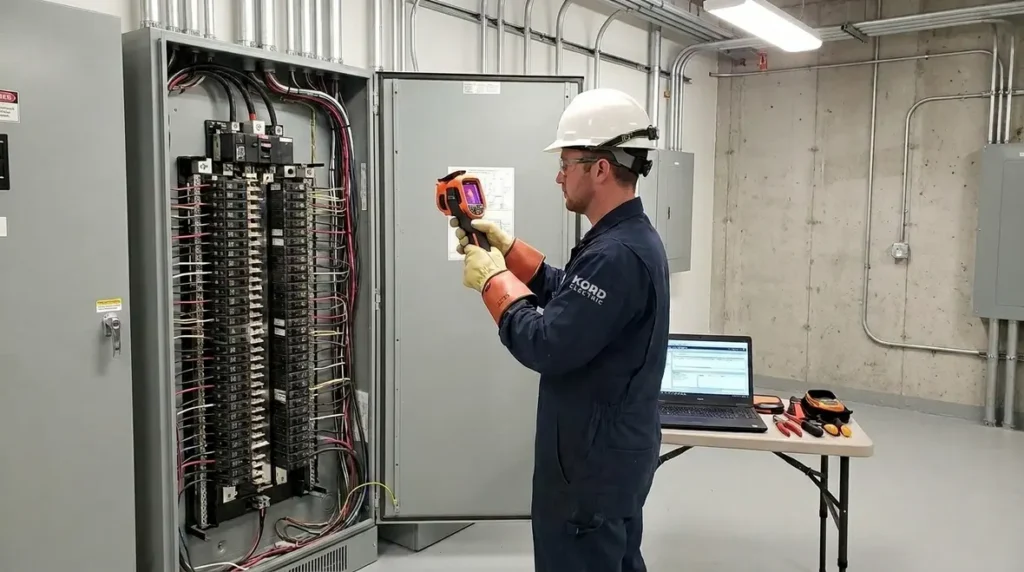
Finally, we build service plans. Routine inspections, thermographic checks when appropriate, and verification testing help catch issues early. Our technicians and expert service staff do not treat maintenance as a box to check. We treat it as a way to protect people, keep operations steady, and help reduce emergency repairs.
If your facility is ready to move from reactive repairs to a structured strategy, our electrical preventive maintenance programs align commercial electrical panel safety with long term reliability and compliance across demanding properties.
FAQ: commercial electrical panel safety for overloaded panels
Ready to protect your facility from panel overload?
If you suspect overload, do not wait for the next flicker or the next nuisance trip to become a bigger problem. At Kord Electric, we serve commercial and industrial facilities and major property buildings, and our technicians explain your options clearly, then act with safety and speed. Call us for an on-site evaluation and a practical plan to restore stability, protect your assets, and support dependable uptime. Your building runs on power, and we help make sure it runs on the right kind of power.
For facilities that need ongoing support beyond a single repair, our team can also align panel remediation work with structured commercial and industrial electrical maintenance plans, helping property leaders move from reactive fixes to a long term roadmap for safer, more reliable power.
When your investigation reveals deeper issues—such as aging distribution equipment, recurring voltage swings, or expansion that pushes existing gear to its limits—our voltage fluctuation repair services and panel-focused upgrades provide a direct path from warning signs to a stable, code-compliant system that matches how your building operates today.
If your property is also planning new EV charging, lighting, or mechanical upgrades, coordinating those projects with your panel safety strategy can prevent surprises later. Our EV charger installation services are designed with load studies, panel capacity, and future scalability in mind, so that the “next big project” strengthens your infrastructure instead of quietly overloading it.