Commercial Electrical Preventive Maintenance Guide
Commercial Electrical Preventive Maintenance That Keeps Your Site Steady
When Kord Electric builds a commercial electrical preventive maintenance plan, we do it like we are protecting more than equipment. We are protecting uptime, safety, and the kind of predictable operations every major property manager wants. In the first visit, our team listens, inspects, and measures risk, then we schedule the right checks at the right time. After that, we document everything so others can understand it without cracking a single technical textbook. And yes, our technicians explain what they find in plain language, because nobody enjoys learning electrical terms the hard way, like finding out the hard way when a breaker decides to retire early. In this guide, we share the essential checklist we use across commercial and industrial facilities and major property buildings.
1) The planning steps that make maintenance actually work
Even the best checklist fails if the program starts with guesswork. First, we confirm the facility’s electrical layout, including main distribution, panels, transformers, switchgear, ATS units, UPS systems, generators, and any critical loads. Then we align the inspection schedule with actual operating patterns. For example, facilities with frequent high-demand cycles need checks that match the stress profile, not a one size fits all calendar.
Next, we set roles and response expectations. Our expert service staff typically defines what counts as an immediate safety issue, what can wait for a planned downtime window, and what needs trend monitoring. This approach keeps decisions clear when the warehouse lights flicker like a bad sitcom. We also record baseline conditions at the start so later findings make sense and do not turn into “mystery symptoms.”
2) Safety and compliance checks we do before anything else
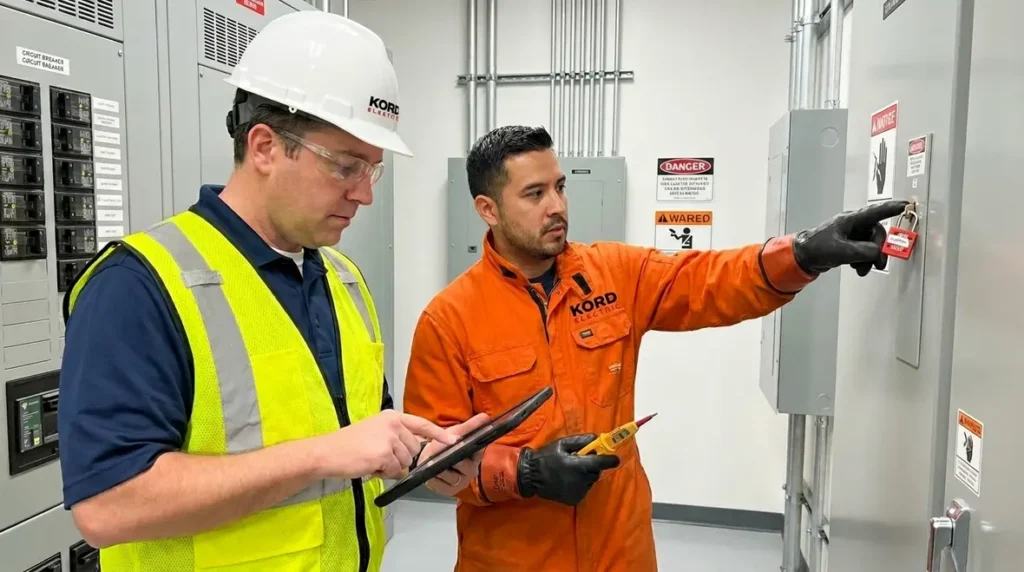
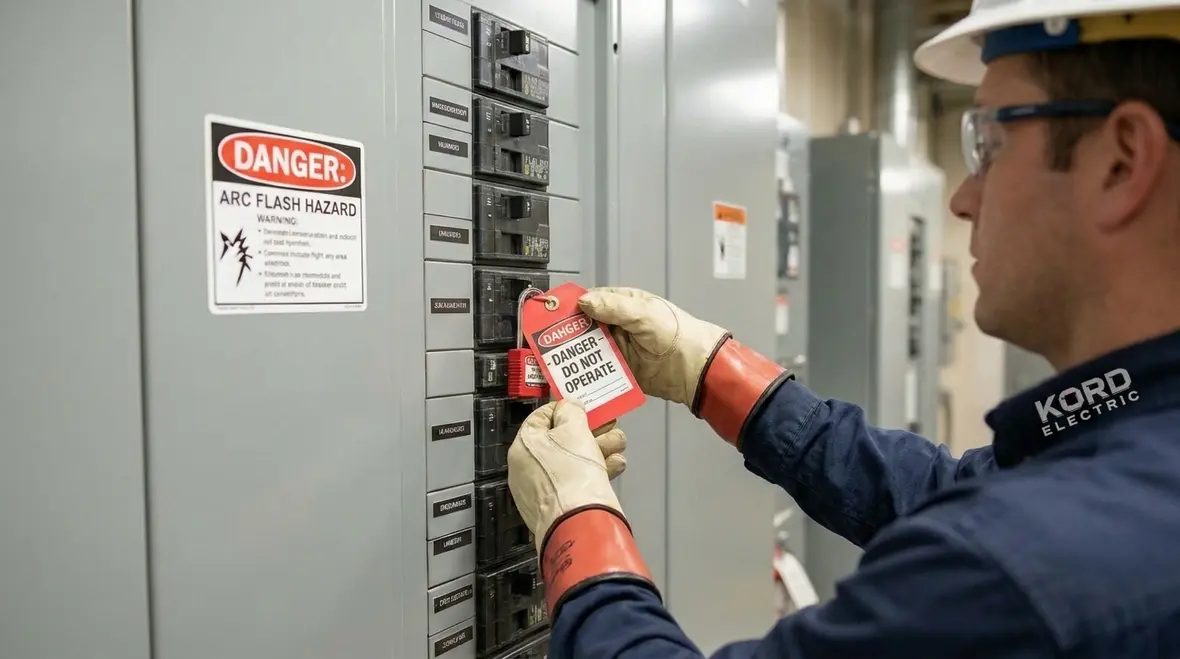
Commercial sites hold complex hazards, so we start with safety first. Our preventive maintenance includes verifying lockout tagout procedures, checking labeling and arc flash markings where required, and reviewing access controls around switchgear, panels, and battery rooms. Then we inspect for physical hazards like corrosion, water intrusion, loose covers, and blocked ventilation.
Because many major property buildings share common systems, we also confirm interlocks and guard covers are in place and functional. Additionally, we test critical alarms and confirm the facility’s staff knows where shutoffs are and how they respond. As we move through the checklist, we keep an eye on signs of overheating such as discoloration, burnt odor, and damaged insulation. If a connection is failing, it usually tells the truth before it breaks.
3) Visual inspection points that catch the “small” problems early
Visual checks are not glamorous, but they stop expensive failures. We examine terminations at breakers, bus bars, lugs, and neutral connections for looseness, heat stress, and missing torque marks. We also look for signs of moisture around conduit entries, deterioration around cable glands, and abnormal staining near terminations. Even a modest stain can signal a bigger issue under the surface.
Then we verify that panel interiors remain clean and properly ventilated. While dust alone does not always mean disaster, dust plus heat can become a slow fire story. We also confirm that conductors and grounding connections show no corrosion or mechanical stress. In addition, we check that cable routing stays within safe bend limits and that penetrations maintain proper sealing.
4) Electrical performance tests that prevent outages
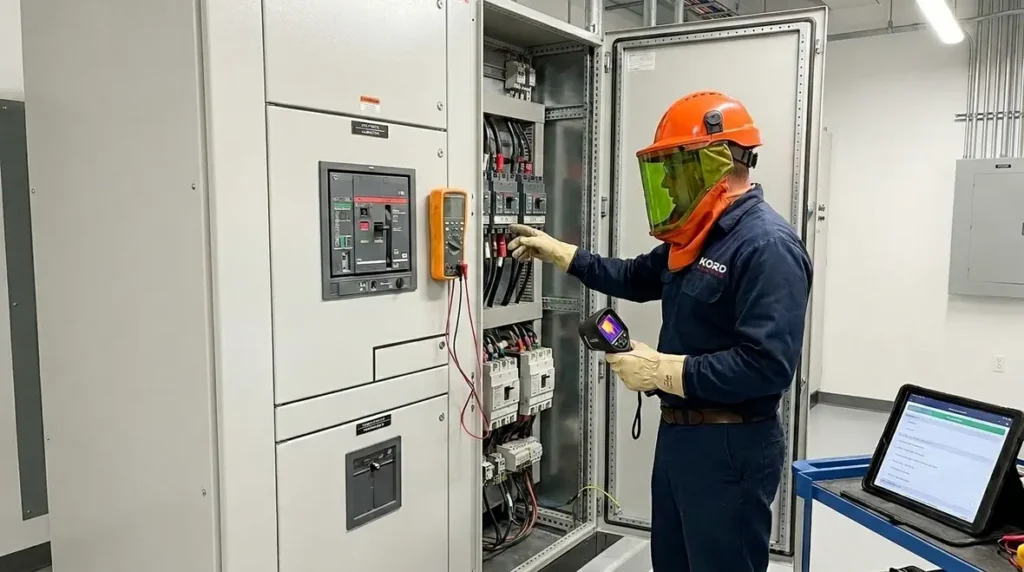
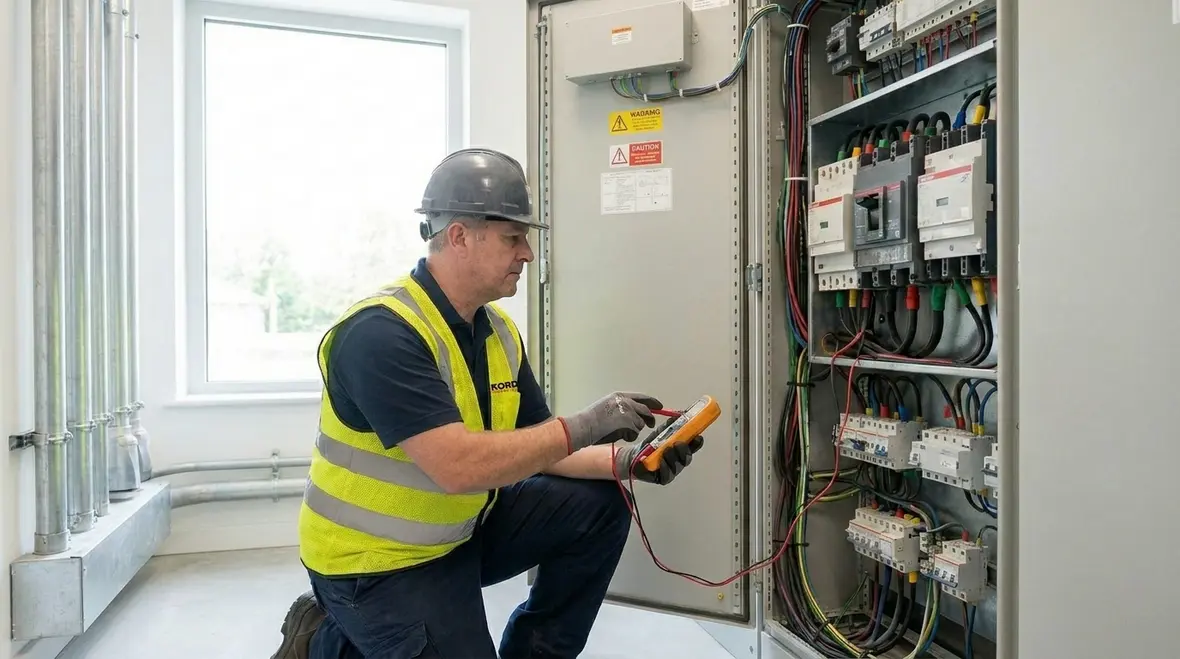
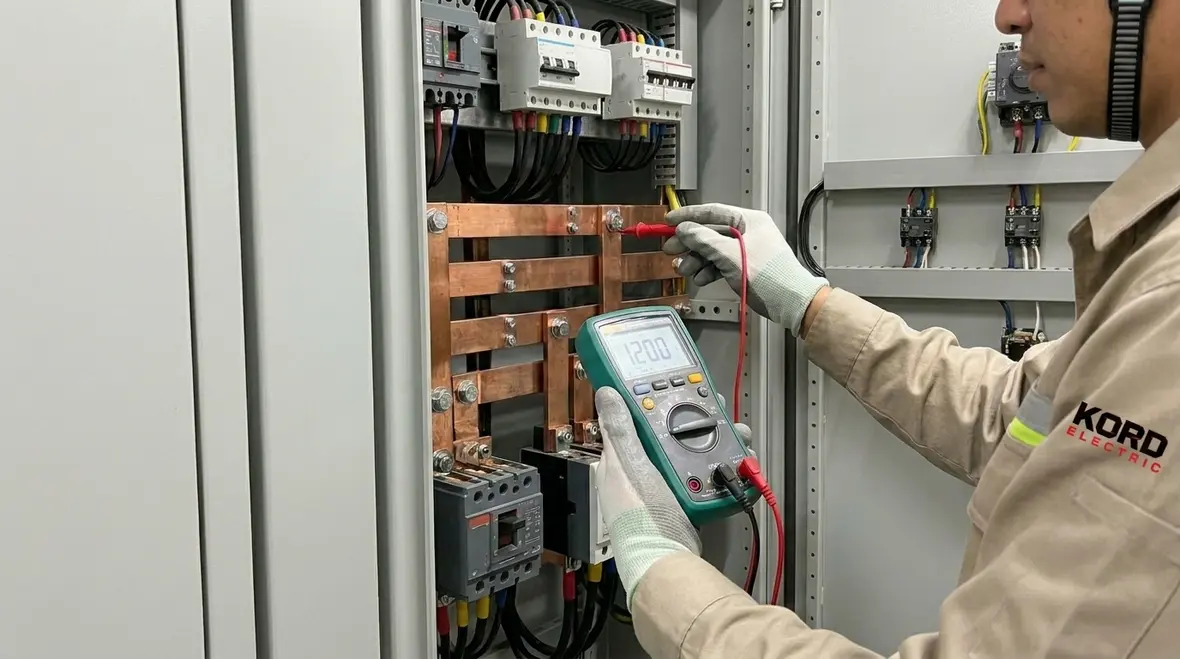
Once visual checks finish, we move to performance testing. Our commercial electrical preventive maintenance approach includes measurements that reveal problems before they turn into downtime. We typically perform load and voltage checks, verify phase balance, and confirm that protective devices operate within expected ranges.
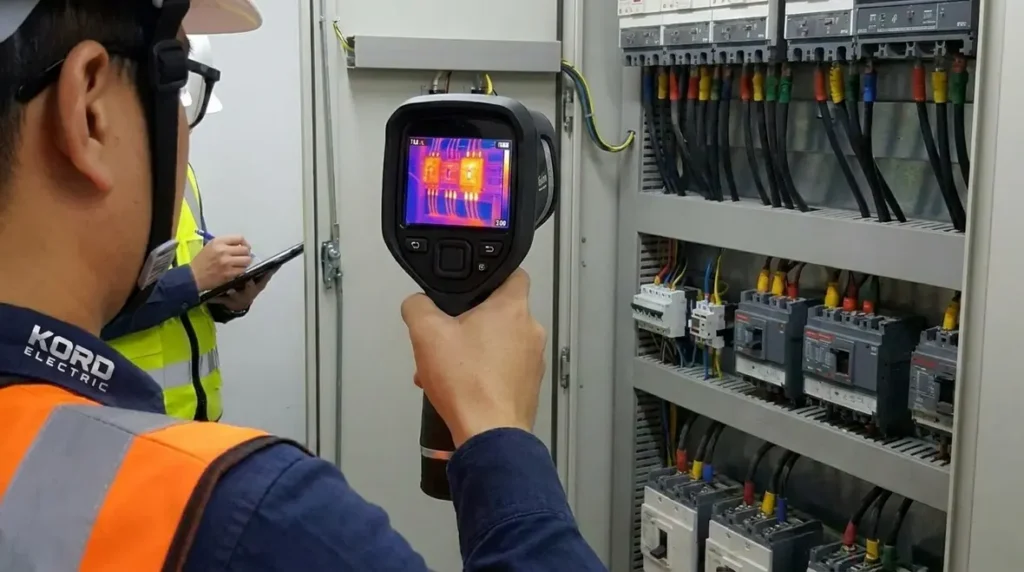
Next, we use thermal imaging to find hot spots on connections, breakers, and bus sections. If something runs warmer than it should, we identify the source and document the condition. After that, we test insulation resistance and evaluate the health of critical circuits, especially where moisture, age, or frequent switching is present. We also check grounding and bonding to reduce the risk of nuisance trips and unsafe voltage on enclosures.
Because a major property building contains many shared circuits, we also test critical pathways feeding life safety systems, security, elevators, communications, and other mission loads. We do not treat every panel the same. We prioritize what keeps tenants operating and what keeps people safe.
5) Torque, tightening, and replacement criteria our technicians follow
Connections fail when they loosen, and they loosen for reasons. Heat cycles, vibration, and poor installation history can all play a part. For that reason, Kord Electric includes inspection driven tightening and torque verification. Our technicians do not simply “tighten everything.” Instead, they follow a criteria based approach that respects equipment condition, manufacturer guidance, and the needs of the specific commercial environment.
We also watch for worn components. For example, we evaluate breaker condition, inspect switchgear doors and mechanisms, and verify that contact surfaces do not show harmful wear patterns. If a device shows early signs of degradation, we recommend repair or planned replacement during an appropriate shutdown window. That is how we reduce the odds of an unplanned service call that interrupts a morning workflow like a pop quiz nobody studied for.
In addition, we address aging conductors and damaged cable jackets where they show stress. When we find early deterioration, we advise repair before the problem spreads. This keeps your distribution system healthier over time.
6) Documentation, reporting, and trend tracking your team can use
A checklist without documentation is just paperwork theater. We keep reports clear and useful for facility managers, property teams, and safety stakeholders. After each visit, our expert service staff provides findings organized by priority, location, and circuit impact. We include photos when it helps, and we show the difference between “monitor” and “repair now.”
Then we trend results across service intervals. Thermal images, insulation resistance data, and repeat visual findings allow us to spot patterns. For instance, if one connection grows warmer each cycle, we know it is not a one time anomaly. Likewise, if a panel shows consistent labeling gaps or repeated moisture issues, we recommend corrective actions that match the root cause.
Finally, we schedule the next actions in a way that makes business sense. We help others align work with tenant schedules and operational demands. In major property buildings, that planning matters as much as the work itself.

7) How we build a preventive maintenance schedule for major buildings
Different electrical systems need different rhythms. We help commercial and industrial facilities set a schedule that matches risk and usage. Critical switchgear, life safety feeds, and high demand distribution areas typically require more frequent review. Meanwhile, less stressed systems can follow a longer interval, with trend monitoring keeping an eye on changes.
We also consider seasonal effects. Summer heat can reveal problems that winter hides. Therefore, we often time thermal checks to capture real operating conditions. We also account for new construction, tenant improvements, or equipment additions, because adding load can shift stress across the system.
As a result, we build schedules that maintain reliability instead of just performing tasks. And yes, when schedules feel tight, we explain tradeoffs clearly so others can plan their downtime like grown ups, not like characters in a TV drama who always wait until the last ten minutes.
For property teams that want a broader view of how maintenance ties into long-term reliability, Kord Electric’s electrical preventive maintenance programs outline structured service plans, thermal inspections, and documentation designed specifically for commercial and industrial environments.
FAQ: Commercial electrical preventive maintenance
Commercial electrical preventive maintenance that earns trust
At Kord Electric, we deliver more than checklists. We deliver a steady program built for commercial and industrial facilities and major property buildings, with testing, clear documentation, and technician explanations that reduce confusion. If you want fewer surprises and more dependable operations, reach out to us today. We will review your site needs, discuss system risks, and propose a preventive maintenance plan that fits your schedule. Call Kord Electric now and let’s keep your electrical system running with calm confidence.
If your facility is ready to pair commercial electrical preventive maintenance with targeted projects, services such as recessed lighting installation or emergency electrical services can be integrated into a broader roadmap. That way, upgrades, repairs, and risk reduction all move in the same direction instead of happening as isolated one-off events.
For organizations that want an even more structured approach, Kord Electric’s commercial and industrial electrical maintenance plans help coordinate recurring inspections with long-term investments. By combining routine electrical preventive maintenance with strategic upgrades, property teams can protect uptime today while preparing their systems for future load growth and technology changes.