
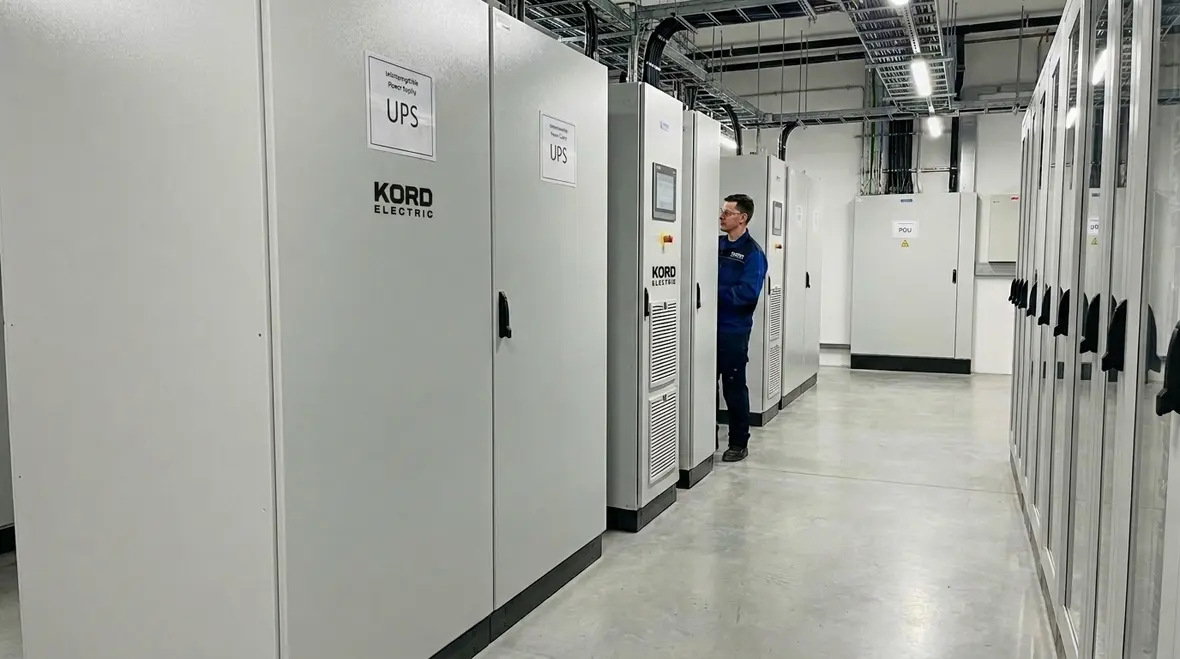
Data Center Power Redundancy Design Guide
At Kord Electric, we help commercial and industrial facilities build data center power redundancy that stays steady when the unexpected shows up. Because in a modern data hall, “unexpected” never waits politely at the door. It arrives like a pop quiz, except the quiz can trip your production and make your SLA look like modern art. We design systems so that power keeps flowing through maintenance events, component faults, and utility issues. And even more importantly, we make sure people can understand what the system is doing, long before a problem turns into a fire drill.
In this guide, our expert service staff and technicians explain resilient strategies in plain terms. They walk through how we plan, build, test, and document redundancy so your teams trust the system when it matters most. Finally, we share practical design choices for today’s servers, switchgear, and energy requirements.
Plan for resilience before you pick a topology
When others jump straight to “A or B feeds” they often forget the real goal: resilience that matches your risk, your uptime goals, and your operational reality. First, we assess what can fail and how it affects your workloads. Then, we translate that into design rules.
Our technicians start with a clear set of inputs, such as:
- Criticality tiers for IT loads, including backup and ramp loads
- Utility reliability, including known outage patterns and repair times
- Maintenance windows and how often staff can take equipment offline
- Expected growth for racks, power density, and cooling changes
- Operational skill level of the onsite team that will respond to alarms
Next, we map the failure modes. For example, a breaker trip, a control power loss, a bus fault, or a generator transfer failure can create very different outcomes. Therefore, redundancy should protect the right things, not just “everything in general.” In other words, we design like adults, not like people stacking LEGO towers on a trampoline.
Build redundancy around the entire power path
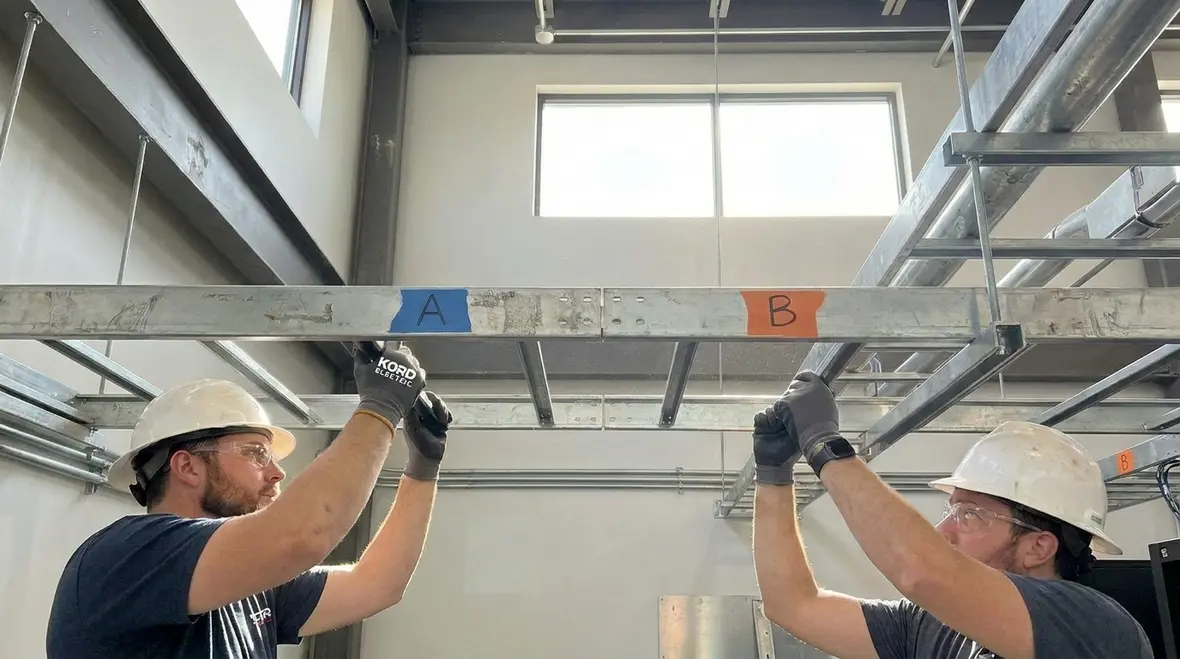
To make power resilience real, we treat the whole chain as one system, not a set of independent parts. A stable data hall depends on utility intake, medium voltage switchgear when applicable, transformers, switchgear, UPS modules, PDUs, distribution, and transfer devices. If one link fails without a safe path, your redundancy becomes a slogan, not a solution.
Accordingly, we design multiple layers so that a single fault does not become a full outage. We typically focus on these layers:
- Utility intake with separation between sources, when available
- Transformers and switchgear with safe isolation and planned transfer paths
- UPS configuration that supports ride through and controlled transfers
- Generator and transfer logic with proven sequencing and stable control power
- Critical distribution that prevents a downstream problem from collapsing upstream power
Then we coordinate protection settings and interlocks. That means we make sure protective devices clear faults while other paths stay stable. In practice, this includes attention to selectivity and coordination, so a short circuit does not trip more than it must. Meanwhile, controls and automation get their own review, because control failures can be the quiet villain in a power system drama.
If you want to see how this connects to the bigger electrical picture, you can explore our companion guide on data center infrastructure design in Data Center Electrical Infrastructure Essentials, where we walk through how switchgear, distribution, and protection all support uptime together.
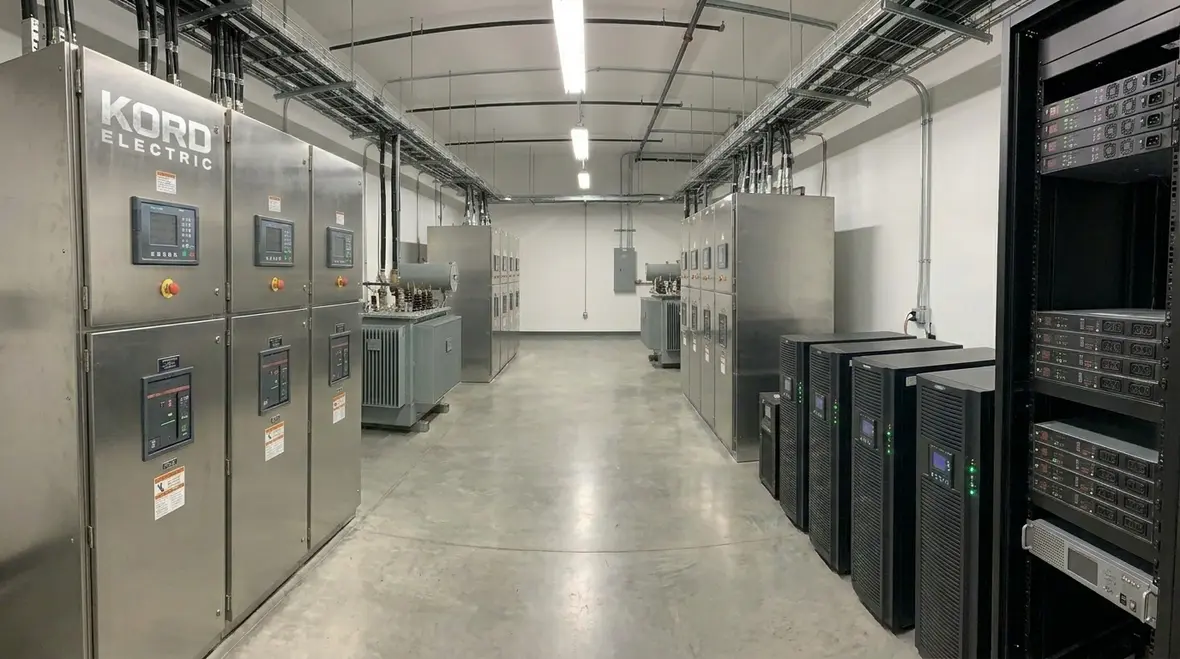
Separate A and B paths with real electrical discipline
Many drawings show two paths and call it redundancy. However, our team ensures separation is physical, electrical, and functional where it counts. We reduce shared risk by separating raceways, panels, bus sections, and control circuits. We also limit shared components that can create common mode failures.
Our expert service staff emphasizes that separation does not only mean “two copies.” It also means:
- Distinct routing for critical conductors where feasible
- Independent protective devices where design permits
- Control power independence so control circuits do not drop together
- Clear transfer logic that avoids unsafe backfeed or ambiguous states
- Proper labeling so field staff can act fast during alarms
Additionally, we confirm that bypasses and maintenance modes maintain the intended reliability level. This is where many systems quietly drift into “works on paper” territory. Therefore, our technicians review operational diagrams with the teams who will run the facility. We want the real world to match the one-line.
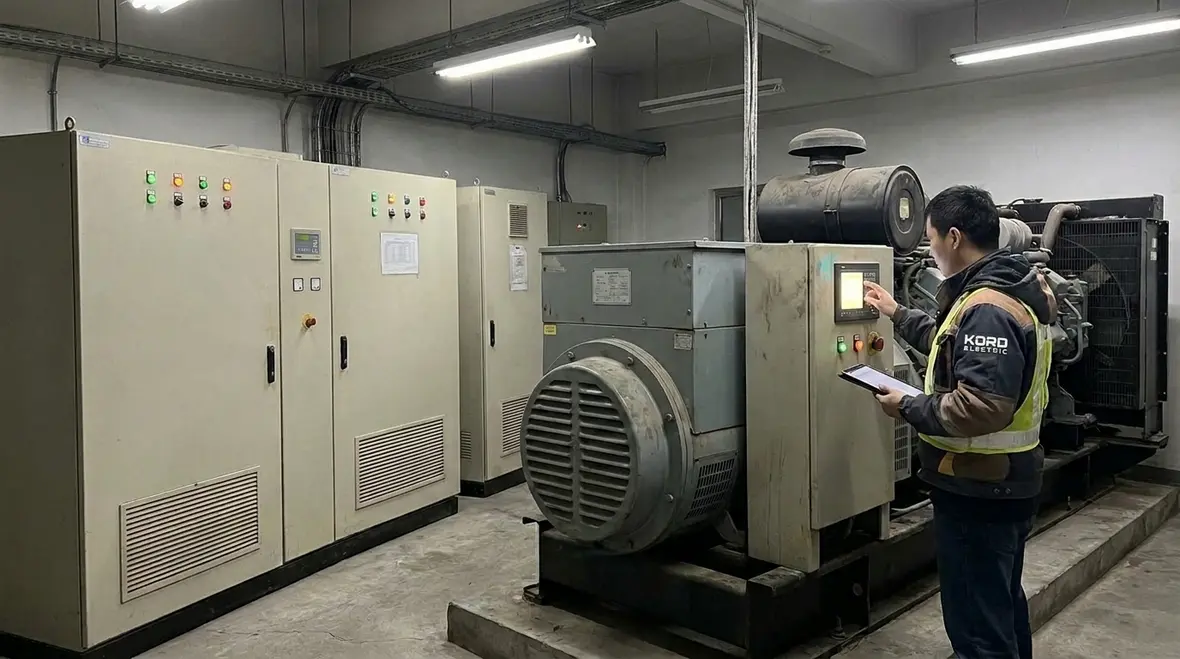
UPS and generator strategy that actually holds uptime
In commercial and industrial facilities, UPS and generators play different roles. So we align them. First, UPS handles the short, violent moments. It bridges ride through during transfers and short utility disturbances. Then generators cover longer events, provided they start quickly and run reliably under load.
When others treat UPS and generator as separate boxes, they miss the timing chain. Our approach connects the dots: we ensure the transfer sequence has stable control logic and the UPS communicates with switchgear and generator controls. As a result, the system transfers without surprises.
We also focus on capacity planning, because undersizing creates a slow grind into failure. We review:
- Load profiles across day, night, and peak events
- UPS runtime needs based on realistic transfer times
- Generator fuel and run time under actual load conditions
- Starting and loading that avoids voltage dips and instability
- Heat and ventilation that supports generator and UPS performance
And yes, we test the behavior with commissioning plans that do not rely on hope. Hope is not a testing method. It is also not a generator control mode. If a control cabinet had a personality, it would still fail without proper settings and validation.
For a deeper look at how UPS, transfer schemes, and redundancy interact across the full system, you can pair this guide with Data Center Electrical Requirements for Uptime, which walks through the electrical performance targets that keep data halls online.
Commission, test, and train like downtime costs real money
After installation, resilient systems only matter if they perform as designed. Therefore, we treat commissioning and testing as part of the design, not a final paperwork step. Our technicians build test plans tied to each credible event. Then we verify operation in safe steps.
Commissioning should include:
- Functional checks for transfers, interlocks, and alarms
- Load bank testing where appropriate for UPS and generators
- Protection coordination validation so faults isolate correctly
- Metering and monitoring review for clear, actionable data
- Control logic verification for stable sequencing under faults
Next, we train the people who will respond. Our expert service staff explains system behavior during normal operation and during fault events. We also help staff interpret alarms without panic. If your operators cannot explain what is happening, your redundancy cannot protect the business, even if the hardware is perfect.
Design for maintainability without breaking redundancy
Resilience is not only about faults. It is also about maintenance. If operators must shut down critical power to service equipment, then redundancy loses value. So we design for safe maintenance paths and planned isolation.
We commonly address maintainability through thoughtful equipment layout, service bypass schemes where applicable, and clear isolation steps that keep at least one reliable path available. We also confirm that components like batteries, fans, breakers, and sensors can be serviced without confusing the transfer logic.
In addition, we reduce operational risk with procedures and documentation that match the actual site. Meanwhile, we support change control. When someone “just swaps a control module,” we want the system settings and logic to remain aligned with the design intent.
Finally, we remind clients of a simple truth: a system that can be maintained safely is a system that can be trusted. And trust is what keeps uptime steady, even when the calendar insists on maintenance windows.
For maintenance teams who want an actionable checklist to pair with redundancy planning, our Data Center Electrical Maintenance Checklist article walks through how inspections, testing, and documentation all support long-term reliability.
How we measure success in modern redundancy designs
In our work, we do not measure success by whether the one-line looks impressive. We measure it by whether the facility maintains power through credible events with controlled behavior. That includes operational performance, safety, and predictability for the onsite team.
Therefore, our team sets success criteria early and aligns them with your operational goals. We look for:
- Stable transfer behavior under utility loss and restoration
- Correct fault isolation so one event does not cascade
- Clear alarm hierarchy that points staff to the right action
- Operational documentation that teams can use under stress
- Capacity headroom for near term growth and load swings
If these items fail, your redundancy becomes a mystery box. And nobody likes mystery boxes, especially when the mystery is, “Why did we lose power?” If that sounds like a villain origin story, we can help prevent it.
FAQ
Ready to strengthen your power resilience with Kord Electric?
If your facility relies on steady uptime, it deserves more than generic drawings. We at Kord Electric help commercial and industrial properties design, commission, and validate resilient power plans that keep critical loads running. Our technicians and expert service staff explain the system clearly, test it thoroughly, and align it to how your team actually operates. If you want redundancy that holds up under real events, contact us today for a site review and next step plan.
If you are planning a new build, major upgrade, or portfolio-wide reliability review, our broader services for Data Center Electrical Distribution Design for Reliability and Commercial and Industrial Electrical Maintenance Plans can help you align redundancy, distribution, and maintenance into one consistent strategy.
For facilities that need project-level support and field execution, explore our related service offerings on Kord Electric’s commercial and industrial electrical services, where our teams turn design intent into reliable, well-documented installations.


