Commercial Electrical Panel Troubleshooting Tips
Commercial Panel Trouble: Start With Proven Electrical Panel Troubleshooting Tips
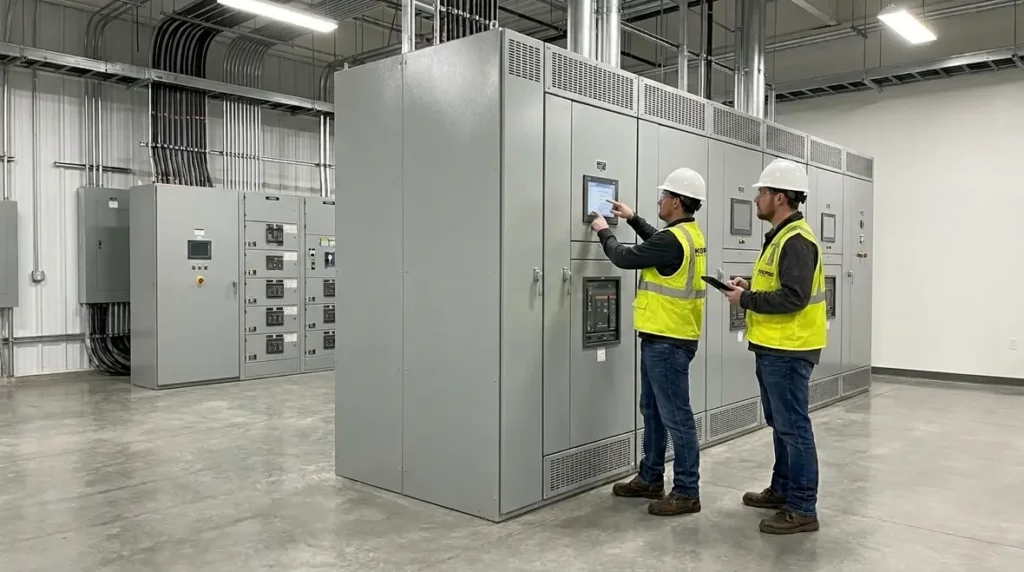
When a commercial electrical panel starts acting “creative,” we step in with clear electrical panel troubleshooting tips from the first moment. Our technicians begin by confirming basic safety conditions, checking for heat, smell, and discoloration, then verifying breaker behavior and load patterns. After that, we trace the issue methodically, because guessing wastes time and money. Meanwhile, property managers often think problems appear overnight, but aging equipment rarely gets the memo. In many cases, the warning signs show up slowly, like a villain monologuing before the dramatic scene. At Kord Electric, our expert service staff explains what they find in plain language, so others on site can make smart decisions fast.
Why Aging Panels Fail in Commercial and Industrial Buildings
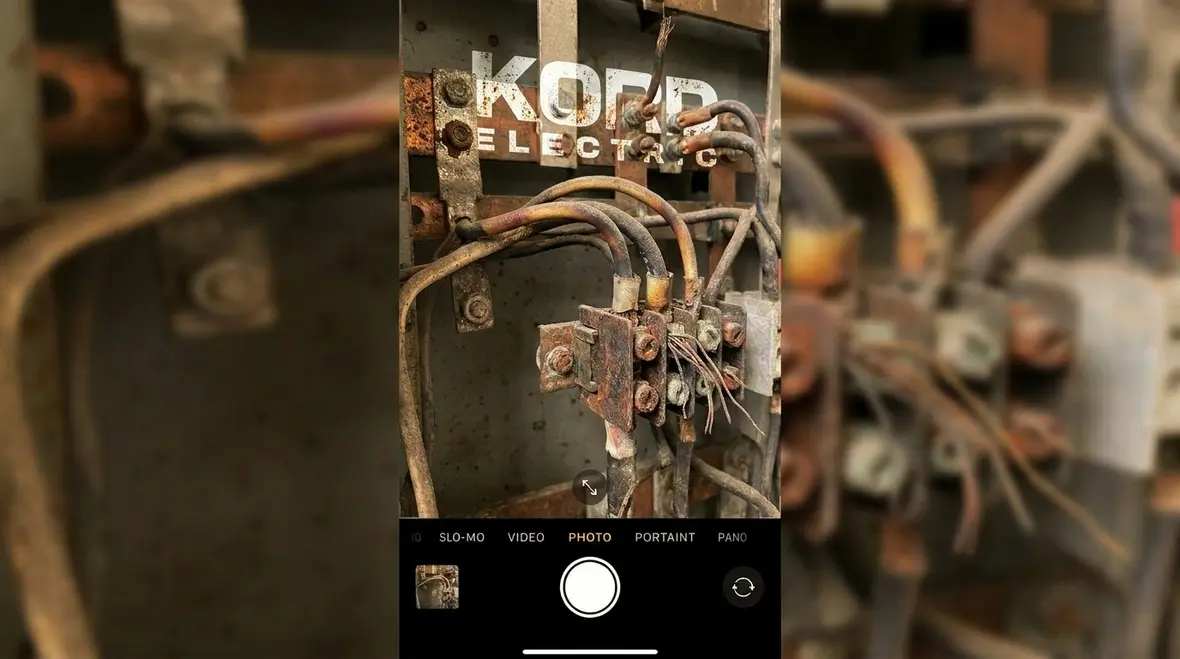
Third person field notes often read the same way: “Everything was fine last quarter, then production slowed, lights dimmed, or a breaker trips again.” However, those symptoms usually come from normal wear paired with harsh use. Over time, bus bars loosen, terminations oxidize, and insulation ages from heat cycling. In commercial and industrial facilities, where equipment runs longer hours and power demand swings, those issues grow faster.
Additionally, poor ventilation inside cabinets can trap heat. So can overloaded circuits that quietly exceed design limits. Then, the panel does not fail like a light switch. Instead, it shows up as hot spots, nuisance tripping, intermittent power drops, or grounded faults that appear and disappear. Kord Electric technicians treat those clues like evidence, not vibes.
Quick Safety Checks Our Technicians Do First

Before anyone touches anything, our crew focuses on safety, because electrical work is not a “try and see” hobby. First, we confirm the panel cover condition, inspect for water intrusion, and look for signs of arcing. Next, we verify that the area meets lockout and tagout requirements and that the right person has authority to proceed. If the cabinet feels warm or shows scorch marks, we do not treat it casually. We also check for correct labeling, because unclear circuit identification creates delays and mistakes.
Then we prepare for the diagnostic work. We isolate loads where needed, monitor behavior, and record breaker actions. Our expert service staff explains the step plan to building staff, so others understand why we slow down at the beginning. That reduces frustration and prevents the classic “everyone watches while we guess” scenario. In other words, we handle it like a professional job, not like a sitcom.
How We Diagnose Hot Spots and Loose Connections
When a panel ages, connection problems often become the main character. Loose terminations can create resistance, and resistance creates heat. As heat cycles repeat, the situation worsens. Therefore, our troubleshooting process targets the most likely culprits first: terminations, bus connections, and breaker contact areas.
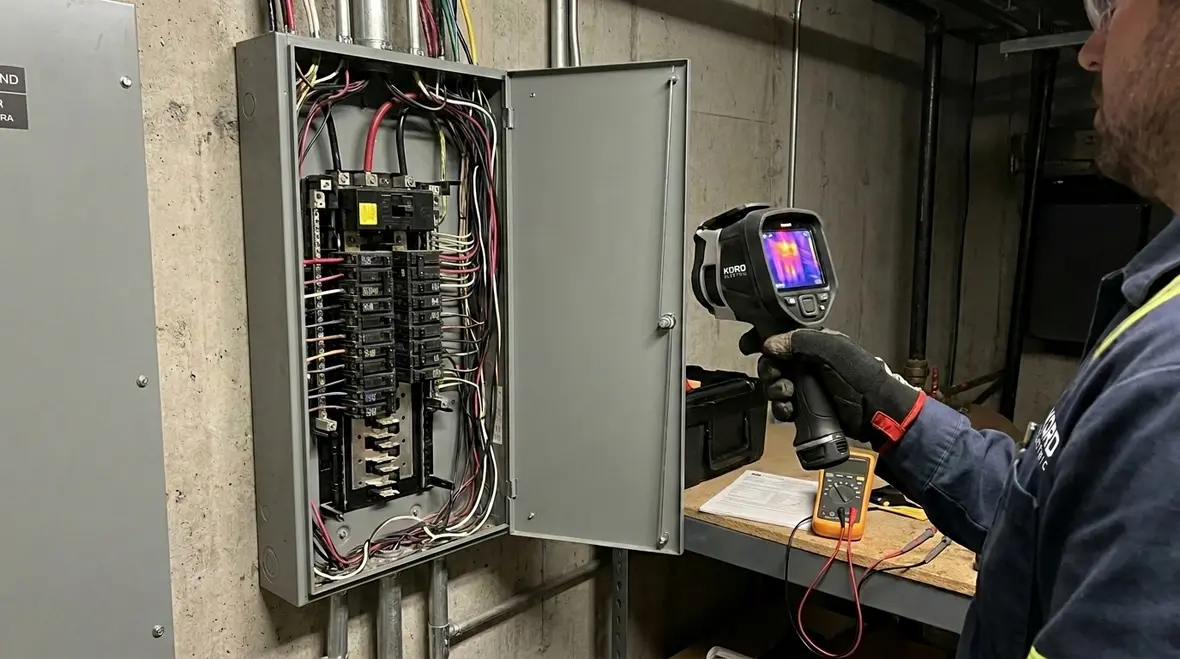
We use visual and thermal checks to locate abnormal temperatures. If a breaker or bus section runs warmer than surrounding components, we treat it as priority evidence. After that, we examine torque integrity and conductor condition. Worn conductors, brittle lugs, and oxidation can all contribute to poor contact. Even when a breaker does not trip, heat can still be building, like pressure in a soda can that has been ignored for too long.
At Kord Electric, we also review load history. For example, if a manufacturing line was upgraded but the panel schedule stayed the same, the panel may now carry higher current than before. That change can reveal a weak connection that used to survive. Our technicians explain what the evidence means, and they outline options that fit commercial budgets and operating timelines.
Breaker Tripping, Nuisance Faults, and Ground Issues
Breaker trips in commercial buildings often look random, but they usually follow a pattern. Sometimes the trip happens only during specific shifts, startup cycles, or large equipment start events. That timing tells us where to look. We check for overload conditions, short circuits, and ground faults. We also verify breaker type and calibration status because aging components can drift from their original behavior.
Then we consider power quality. Bad connections and deteriorating insulation can increase leakage paths. Harmonics from drives and other modern loads can also stress components not designed for today’s profile, especially if panels never received updates. As a result, a breaker might trip even if the “nameplate” load seems acceptable. Our expert service staff helps facility teams understand that difference, so they do not waste time chasing the wrong equipment.
We also test for proper grounding and bonding practices. If grounding is incorrect or missing, nuisance trips and fault indicators can become more common. And if moisture or contamination has entered, insulation resistance can drop. Troubleshooting then becomes a blend of electrical measurements and smart site observations.
Thermal Imaging and Metering: What We Track and Why
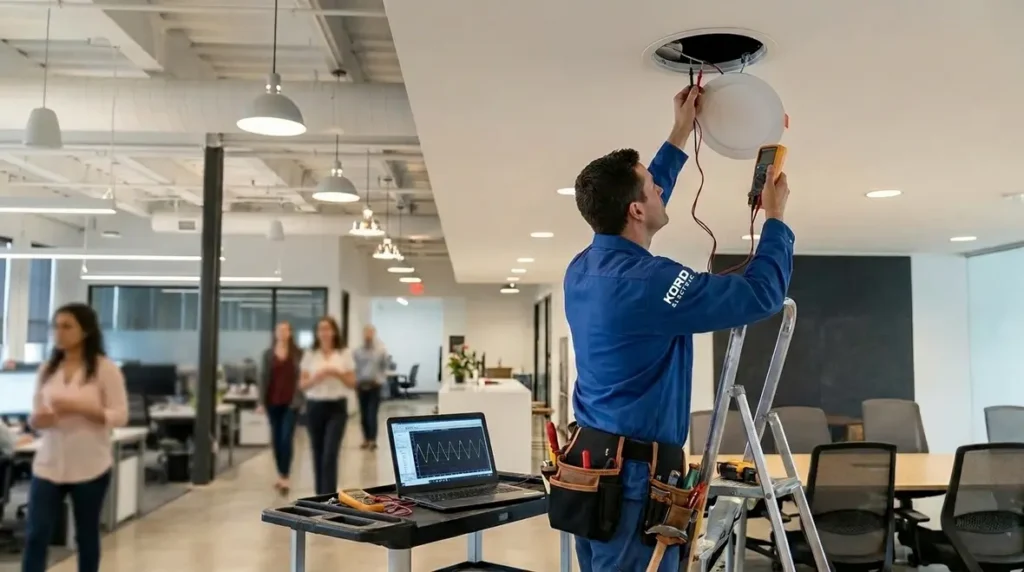
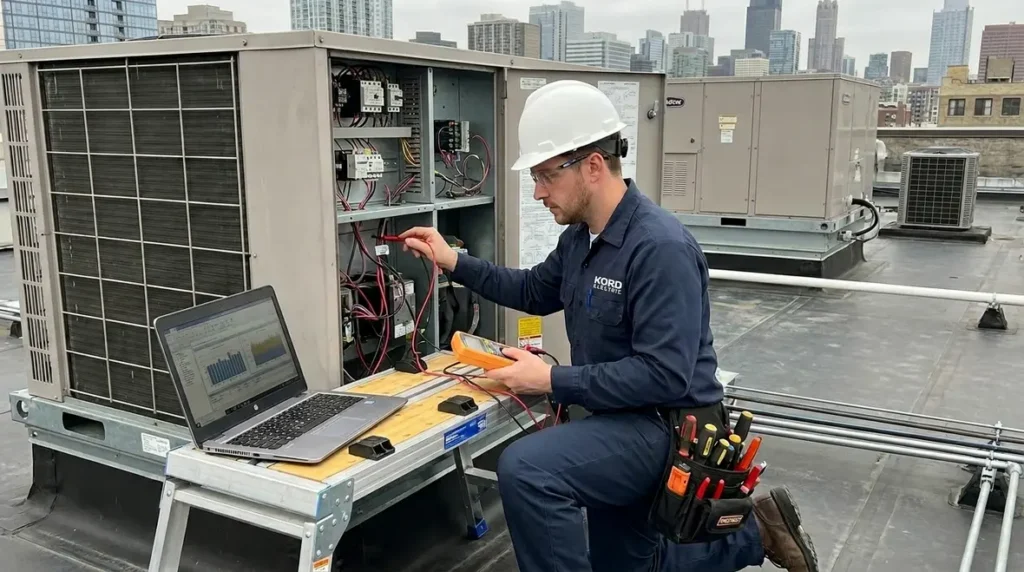
For thorough electrical panel troubleshooting tips, metering and documentation matter. We measure key values and compare them across phases and breaker groups. If one phase shows consistently higher load current or fluctuating readings, we treat that as a sign of imbalance or a circuit issue. We also watch trends rather than single readings, because some problems show up only under specific loads.
Thermal imaging helps us confirm where heat collects, but we do not rely on it alone. We connect the thermal evidence to circuit design and load behavior. That is how we avoid false conclusions. In the real world, a panel can run warm because of general demand, or because of a specific defective termination. Metering and thermal checks together separate the two.
Below is one of the ways we present findings to clients, so decision makers can act quickly.
| Finding | What It Usually Means |
Hot lug or breaker area |
High resistance connection, oxidation, or loosened termination |
Uneven phase temperatures |
Load imbalance, wiring issues, or phase-specific degradation |
Intermittent fault indicators |
Moisture contamination, insulation aging, or intermittent contact |
Frequent nuisance trips |
Overload profile changes, power quality stress, or breaker drift |
Fixes That Reduce Recurrence in Major Properties
Once we identify the source, we focus on repairs that prevent the problem from coming back. For many aging panels, that means reworking terminations, replacing worn breakers, and correcting labeling and circuit documentation. We also check upstream and downstream components. A panel can expose a problem, but the cause may sit elsewhere in the system, like a relay or feeder connection.
We also help property teams plan next steps without disrupting operations more than necessary. That means scheduling work during appropriate windows, sequencing repairs, and coordinating with facility staff who manage equipment downtime. Our technicians do not just fix the symptom and move on. They explain why the repair works and what to watch for after service.
Finally, we recommend improvements based on risk. In commercial and industrial settings, that can include better ventilation, load balancing updates, and upgrades that support current demand. It is not “upgrade for the sake of upgrades.” It is upgrade because the building’s electrical reality has changed, and equipment must keep up.
For properties that keep pushing capacity or expanding operations, pairing these repairs with structured electrical preventive maintenance helps catch new issues early, before they turn into costly downtime.
FAQ
Ready for Calm, Clear Panel Diagnostics? Call Kord Electric
Others can reset breakers and move on, but that approach rarely keeps commercial systems stable. At Kord Electric, our technicians and expert service staff deliver electrical panel troubleshooting tips that lead to real fixes, not repeated callbacks. If your facility sees nuisance tripping, hot spots, or power quality concerns, we can inspect, diagnose, and recommend next steps that fit your operation. Contact us today, and we will bring order back to your panel the way a good conductor brings rhythm back to an orchestra.
If your building is growing, modernizing, or simply overdue for attention, our team can also support broader upgrades and service work across your property. From targeted diagnostics to full-system improvements, our Los Angeles County electrical services keep panels, feeders, and critical equipment working together the way they should.