Commercial Electrical Panel Upgrade Requirements California
Kord Electric helps commercial and industrial facilities across California stay safe, compliant, and ready for growth. When a building needs more power, the commercial electrical panel upgrade requirements california rules matter, because we see what happens when businesses try to “make it work” with outdated gear. The right upgrade protects people, reduces downtime, and keeps inspections from turning into a surprise season finale. Now, in this article, we lay out what facilities should expect, what our expert technicians explain on site, and how property teams can plan the work without guesswork. We also reference the warning signs we regularly see in Los Angeles, because electrical problems rarely arrive quietly. They arrive like a horror movie: slowly, then all at once.
Commercial Electrical Panel Upgrade Requirements California: what triggers an upgrade?
In most commercial and industrial settings, a panel upgrade starts when electrical demand climbs or when existing equipment shows wear. Even when owners feel everything is “still running,” we look at the full system, not just the visible load. And because California compliance expects safe, properly rated equipment, the upgrade process often begins after a careful assessment, not a hunch. Our technicians and expert service staff then walk the decision through, step by step, so your team understands what we find and why it matters.
Typically, upgrades get triggered by these realities:
- Service capacity limits when panels, feeders, or busbars run near their rated amperage
- Frequent breaker trips that hint at overload, aging components, or poor coordination
- Outdated equipment such as panels that do not meet modern safety practices for commercial use
- Physical damage like corrosion, loose terminations, or signs of overheating
- Code-driven changes tied to new tenant improvements, load additions, or system modifications
In other words, the upgrade is not only about “getting bigger.” It is about restoring safe operation, matching capacity to the actual load, and doing it in a way inspectors can verify. Our team has seen plenty of cases where a building was working, but only because the system was running like it had a bad attitude and a borrowed time limit.
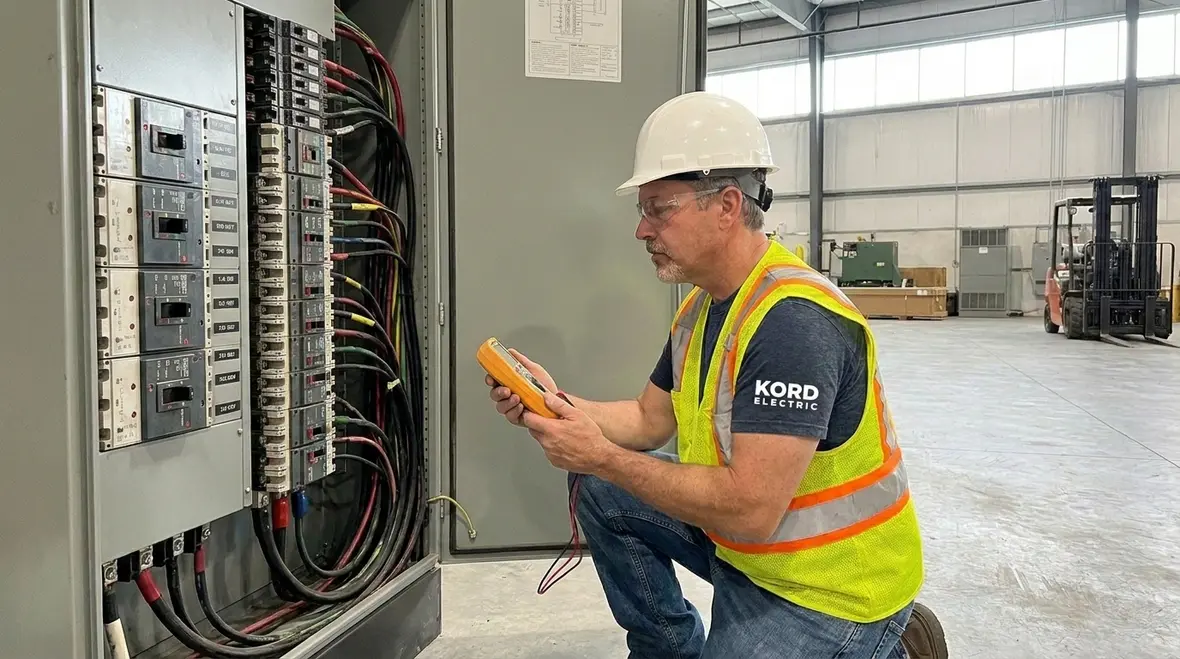
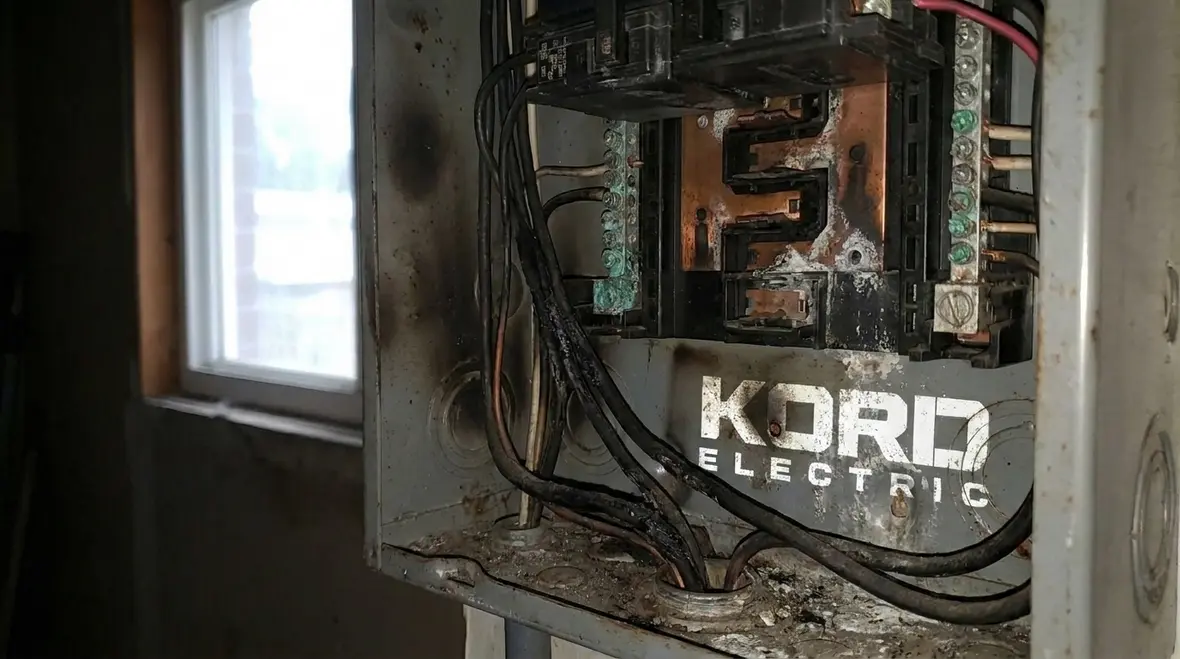
Common warning signs we see during Los Angeles commercial panel checks
Our service staff often uses the same warning-sign approach we outline in our Los Angeles panel upgrade guidance. When facilities ignore those signals, problems tend to escalate. And when they escalate, the cost usually rises too. So, we help owners catch issues early and plan upgrades before the building learns a new definition of “surprise.” For a deeper dive into red flags, you can also review our related article on commercial panel upgrade Los Angeles warning signs, which walks through the patterns we see in the field.
Here are signs that frequently show up during commercial electrical panel inspections:
- Burn marks, melted insulation, or scorched bus connections
- Breakers that feel loose or do not reset reliably
- Warm panels detected by touch or thermal indicators, especially after normal business hours
- Rust and corrosion around enclosure seams, latches, or conduit entries
- Aluminum wiring issues that show improper terminations or oxidation at connections
- Loose neutral or grounding problems that cause nuisance trips or strange voltage behavior
To be clear, we do not guess. We measure, we trace, and we document. Then, we explain in plain business language what needs to change. That way, the decision team does not have to translate electrical speak like it is an international spy film. We keep it calm, clear, and focused on safety and compliance.
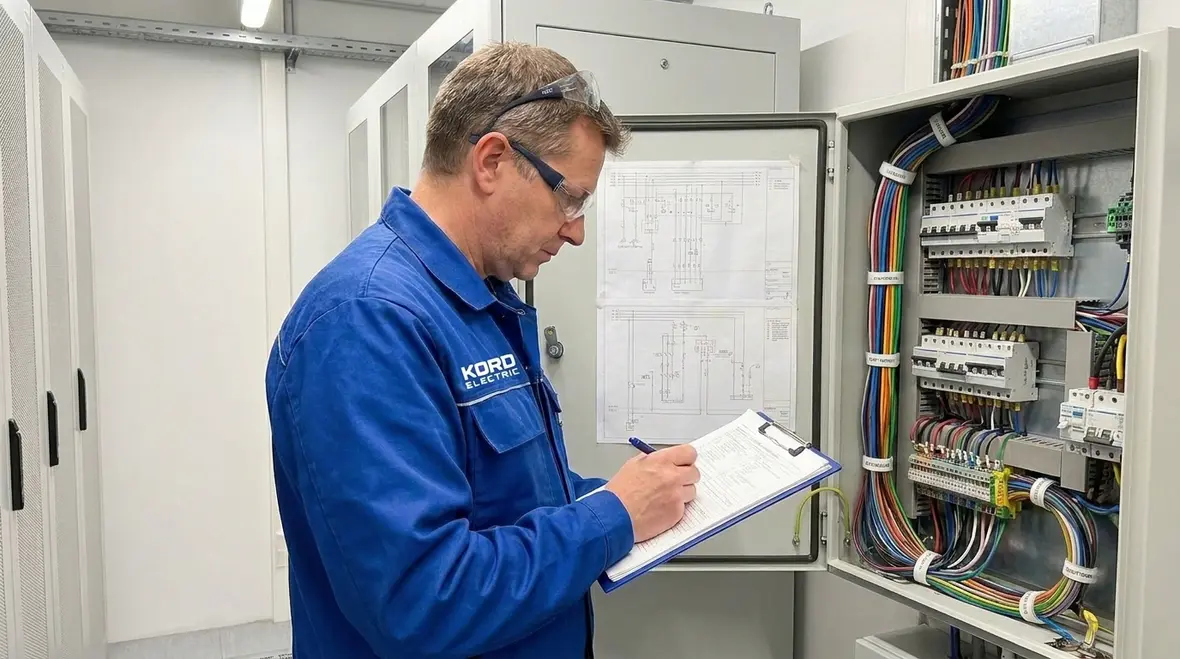
How our expert service staff plans a compliant upgrade
When Kord Electric handles a commercial electrical panel upgrade, we build a plan that matches the building’s electrical reality. First, we review load needs and the current setup. Next, we evaluate safety risks, connection condition, and system balance. Then, we coordinate the upgrade so the facility maintains continuity as much as practical.
Here is how our technicians typically approach the job:
- Site assessment to identify panel condition, feeder routing, and any visible deterioration
- Load evaluation to match panel capacity to actual equipment, HVAC, kitchen loads, compressors, and tenant improvements
- System coordination to ensure breakers and protection devices work together instead of fighting each other
- Wiring and termination review to reduce heat risk and prevent loose connection problems
- Upgrade scope definition for the panel, breakers, labeling, and any needed upstream work
- Documentation so the property team has clear records before inspection
And because commercial and industrial buildings rarely operate on “perfect schedule,” we also plan around business operations. As a result, we often stage work, schedule outages during low-load windows, and coordinate with site managers. We keep the work organized, and we explain every key step. That is how we help businesses avoid delays that feel like office conference calls that never end.
California compliance essentials for commercial and industrial facilities
Compliance in California for commercial electrical upgrades depends on safety standards, proper equipment ratings, correct installation methods, and safe protection. However, the practical goal is simple: a system that operates without dangerous heat, reliable protection, and proper labeling and access. Our expert service staff makes sure the upgrade supports that goal, and we explain how the requirements affect the actual install.
In real terms, these essentials guide upgrades for major property buildings and industrial sites:
- Correct panel rating based on service size, load forecast, and permitted connected loads
- Adequate protection so circuit breakers interrupt faults safely
- Proper grounding and bonding to control fault current paths and reduce shock risk
- Safe conductor terminations that prevent overheating and arcing
- Enclosure and accessibility aligned with commercial expectations for safe maintenance
- Clear labeling so staff and inspectors can identify circuits without guesswork
Additionally, when buildings add tenants or upgrade equipment, the electrical system often needs updates to keep up. Even when a panel looks “fine” from across the room, the installation still has to support the building’s current and future use. So, we treat the upgrade as a system project, not a single box swap. For facility teams that want to understand the bigger picture, Kord Electric also provides resources like our electrical service panel capacity evaluation guide, which explains how demand, safety margins, and future plans come together.
Costs, downtime, and planning: what facility managers should ask
Owners and facility managers often worry about two things: the budget and the business interruption. Both concerns make sense, because no one wants to close a plant floor or shut down a storefront for a project that drags on. Therefore, Kord Electric focuses on planning that reduces downtime and controls scope.
When we prepare upgrades, we also help teams ask the right questions. A good planning conversation sounds like this, and our expert technicians explain the answers clearly:
- How much of the building must shut down, and for how long
- Which circuits we will isolate first to keep critical loads running
- Whether upstream components need replacement, not just the panel
- How we will test the system after the upgrade to confirm safe performance
- What documentation we will provide for compliance and record keeping
- How we will label new circuits so staff can manage them
Also, we tell clients what surprises often cause delays, such as missing information, unclear load data, or discovery of deteriorated connections during removal. Then, we address those items early. It is like prepping for a storm: you do not wait until the rain hits the roof to start looking for a bucket. You prepare, you act, and you keep the building steady.
Upgrade steps in plain language, from inspection to safe turn on
Most commercial and industrial panel upgrades follow a logical path. We keep that path organized so your team knows what happens when, and why. Our technicians explain the process as it unfolds, so you do not have to rely on vague updates that sound like a weather report.
Typically, the workflow looks like this:
- Inspection and testing to identify current conditions and measure key electrical values
- Design and equipment selection to match capacity and protection needs
- Permitting and coordination aligned with the facility schedule
- Installation and replacement of panel components and any required upstream work
- Terminations and verification to confirm safe connections and correct wiring
- System testing to validate breaker operation, grounding, and performance
- Labeling and closeout with documentation for the building records
Finally, we turn the system back on carefully and verify performance. That is where “it looks installed” becomes “it is safe and ready.” Our approach keeps the process calm and controlled, even when the building runs under pressure.
Do small upgrades still qualify for compliance?
Yes, sometimes a partial upgrade supports safe operation and compliance, especially when only specific circuits or components need correction. However, in commercial and industrial facilities, small changes can expose a bigger issue. Therefore, our expert service staff reviews upstream connections, protection strategy, and total service capacity. If the system has hidden risks, we recommend a scope that truly fixes the problem, not just covers it.
What happens if a tenant adds major electrical load?
When new equipment enters the building, it often changes the electrical balance. As a result, the existing panel may no longer support the load safely. We evaluate the added demand, then we design an upgrade plan that protects the facility and supports inspection requirements. It is better to plan early than to chase breaker trips later.
FAQ
Next steps with Kord Electric
Commercial electrical panel upgrades should protect people, support safe operations, and meet inspection expectations without drama. At Kord Electric, our technicians and expert service staff assess the real electrical condition, explain the findings in plain language, and plan a compliant upgrade for commercial and industrial facilities and major property buildings. If you are seeing warning signs or planning new equipment, call us to schedule an evaluation and get a clear scope, timeline, and path to safe service. Let us handle the power, so your business can keep moving forward.
If your facility is in or around Los Angeles County and you are mapping out long-term improvements, you can also explore our broader Los Angeles County electrical services, which cover everything from commercial maintenance and troubleshooting to larger infrastructure upgrades. And when your building is already showing clear limits in capacity, our article on upgrading commercial electrical service capacity offers additional context on how panel work fits into a bigger reliability strategy.