Electrical Safety Inspection Checklist Guide
Electrical Safety Inspection Checklist for Facility Managers: what we check first
Facility managers live with a simple truth: electrical problems rarely announce themselves with a polite email. That is why we start every visit with an electrical safety inspection checklist facility manager can actually use, one that connects quick observations to real risk. In our approach, we use clear steps, and we document what we find so others on site can act fast. Then, just like a good TV plot twist, we follow the evidence, not the guesswork. Our technicians and expert service staff explain each finding in plain language, so you do not need a degree in power distribution to understand why a condition matters.
How we set the inspection scope for commercial and industrial buildings
We do not treat every property the same, even when the building type looks similar on paper. First, we confirm the site use, the hours of operation, and the critical loads that keep things running, such as life safety systems, process equipment, and security networks. Next, we map where work can happen safely, because we plan for shutdowns and access needs before we ask anyone to move a cable tray at 2 p.m.
Then we line up the inspection checklist with your maintenance records. If your electrical preventive maintenance plan exists, we review it and look for patterns: repeated trips, hot spots, nuisance alarms, or recurring water intrusion near enclosures. Finally, we align our findings with your facility goals, such as compliance support, uptime protection, and faster troubleshooting when something acts up.
And yes, if you have ever had a breaker trip “for no reason,” we know that feeling. The “no reason” breaker usually has a reason, it just did not bother to tell anyone.
What our electrical walkdown includes before we touch a panel
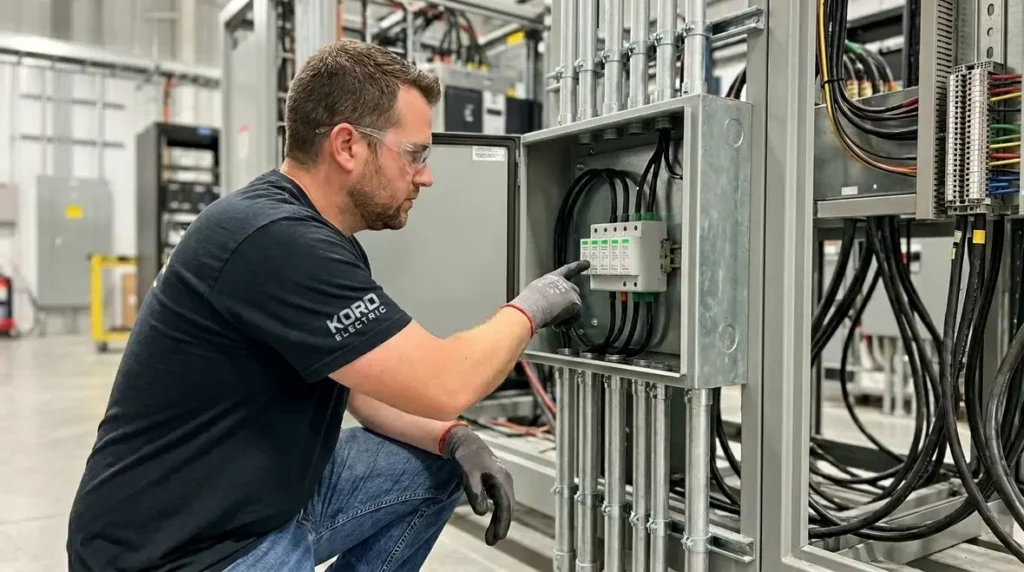
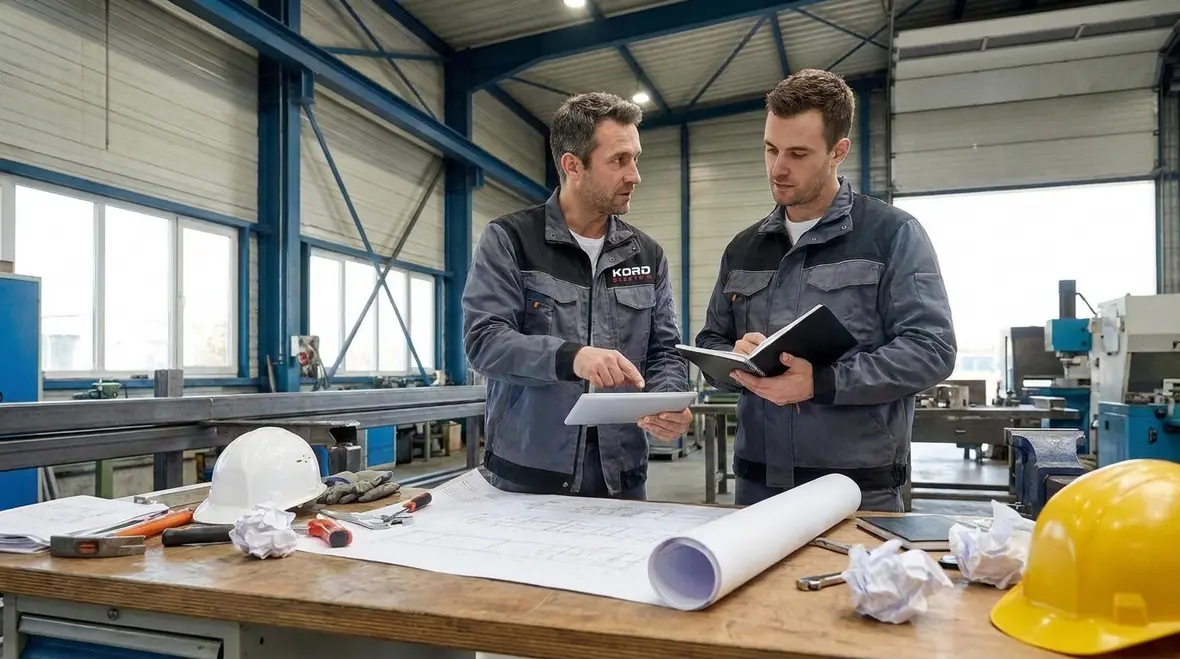
Before we open anything, we start with a structured walkdown. We observe the environment, because moisture, dust, chemical exposure, and temperature swings change the way equipment behaves. We look for signs of overheating, like discoloration, warped covers, or unusual odors. We check for loose labels and missing identification, because “maybe this is the right breaker” is not a strategy.
Next, we verify physical conditions that often get overlooked. We confirm barriers and covers are in place, and we check cable entry points for damage. We also inspect grounding and bonding points for corrosion or physical breaks. Then we check the condition of conductor insulation in accessible areas and look for any improper connections, including mismatched terminations and stressed cable supports.
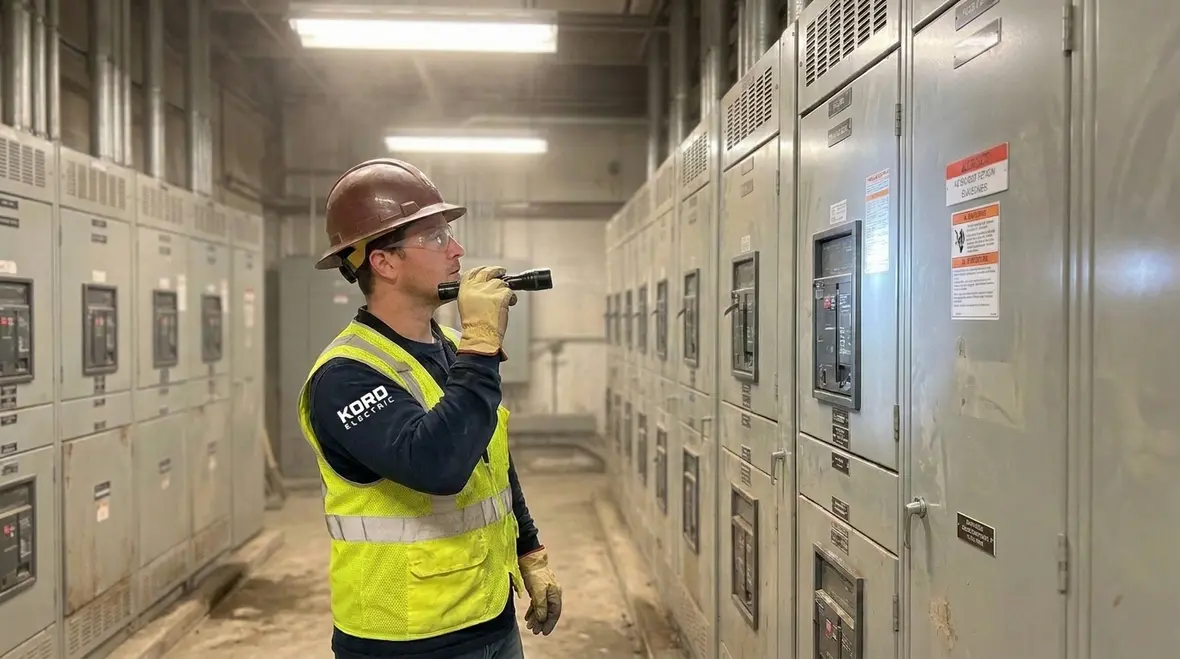
After that, we move to the electrical rooms and equipment areas and verify that access is safe. That means adequate clearance, safe lighting, and no blocked egress paths. If a room is crowded with stored items, we flag it, because safety is hard to maintain when nobody can get to the equipment fast.
Panel and breaker safety checks we perform with clear documentation
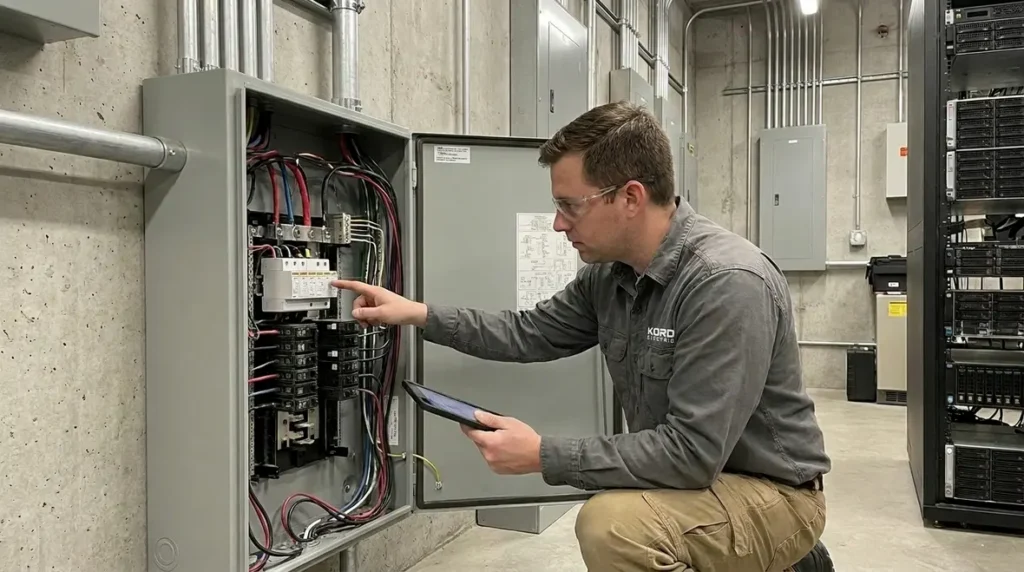
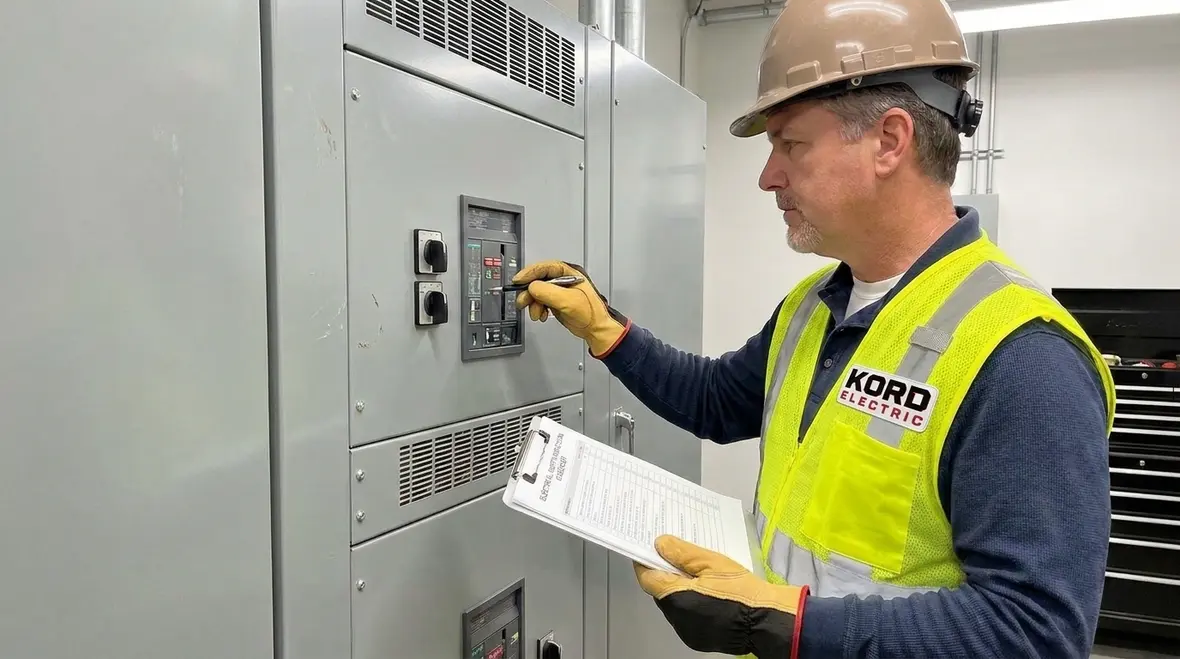
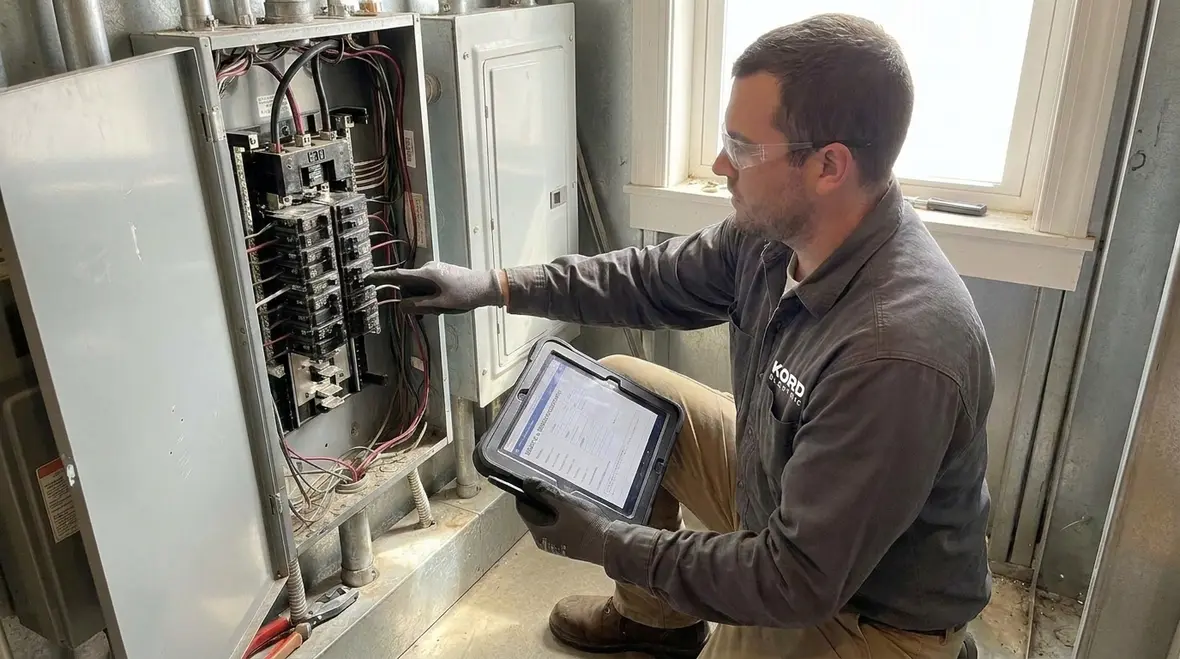
When we inspect enclosures, we treat them like they matter, because they do. We verify labeling and circuit directories, and we check that covers and doors close properly with no gaps. Then we inspect torque related conditions to the extent safe and allowed, and we note any signs of arcing or mechanical wear. We also check for missing knockouts, wrong conduit fittings, or damaged gaskets that can invite water and dust.
At the breaker level, we confirm proper seating and check for overheating signs on contact points and terminations when visible. We review alarm history and protective device behavior. And importantly, we do not just record issues. We connect each issue to risk and recommend actions in order of urgency so facility teams can plan without chaos.
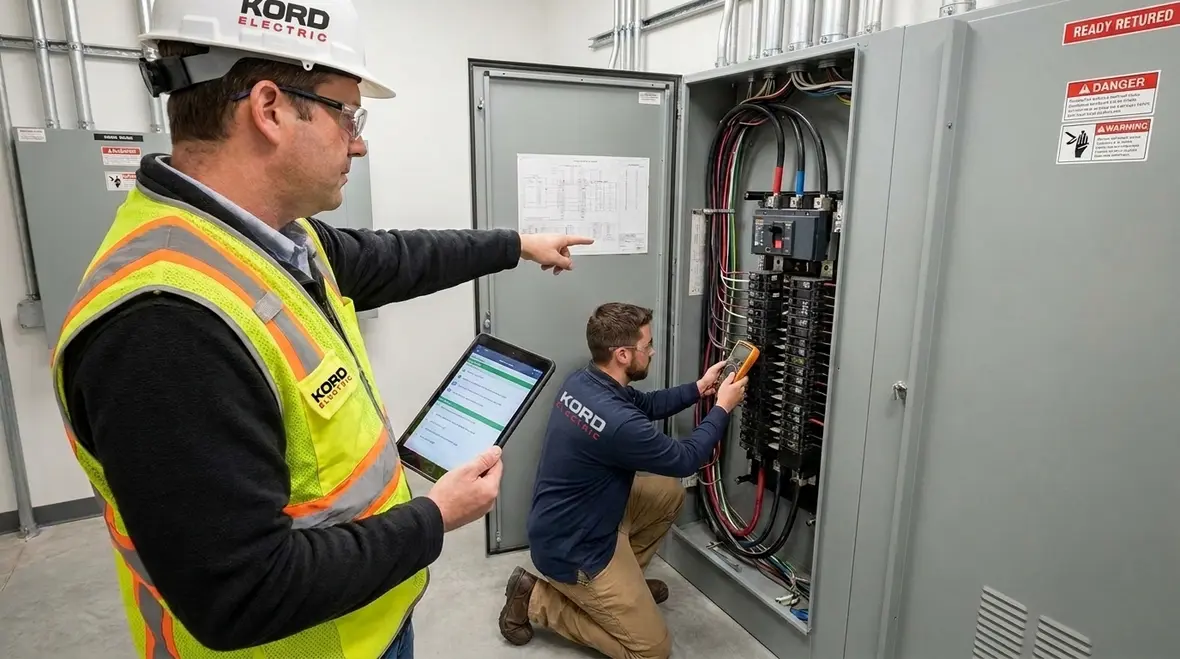
Our technicians and expert service staff walk the facility manager through what they see. So instead of “replace the breaker” we say “here is the observed condition, here is how it can fail, and here is the best next step for this building type.” That explanation saves time and keeps everyone focused on real work, not vague worries.
Testing and preventive maintenance practices that reduce failure risk
We combine visual inspection with practical testing aligned to your system. Depending on the property and equipment, we may verify insulation condition, review coordination for protective devices, and check measurements that help spot degradation early. We also focus on components that frequently cause downtime: bus connections, lugs, terminations, and critical distribution segments.
Just because a system powers up does not mean it stays safe under load. Therefore, we look at how the electrical system performs across operating conditions and seasonal changes. We also consider how long equipment has run without corrective action. And we pay attention to cable routing and supports, because damaged supports turn normal vibration into long term stress.
In line with our preventive maintenance approach, we emphasize scheduled care, careful recordkeeping, and consistent follow through. You can see how we structure preventive maintenance here: electrical preventive maintenance. We keep the process calm and methodical, because hurried work turns small problems into expensive ones.
Life safety, power quality, and compliance support for major properties
Commercial and industrial facilities carry responsibilities that do not allow guesswork. We focus on life safety related loads and systems so they stay reliable when it counts. We also review power quality concerns that can cause equipment issues, such as abnormal voltage conditions, harmonic distortion, or grounding faults. When power behaves badly, everything downstream suffers, including controls, drives, and sensitive devices.
We also support compliance needs by making findings easy to review. Our documentation includes what we inspected, what we observed, and what we recommend next. Facility teams need clarity for scheduling repairs, coordinating contractors, and keeping management informed. We help others on site understand the “why” behind our recommendations, so maintenance decisions feel practical, not mysterious.
And look, power quality myths are everywhere. Some folks blame “bad luck.” Others blame “the building.” We blame the evidence, because evidence does not lie. Faulty connections, degraded insulation, and loose terminations do not get better on their own. They get worse with time, like unfinished customer service emails that sit in the drafts folder.
For facilities that want to connect day-to-day inspections with a broader strategy, pairing this electrical safety inspection checklist with structured programs like Kord Electric’s commercial and industrial electrical maintenance plans helps keep reliability, safety, and documentation aligned over the long term.
Using the results: how facility staff can act quickly after the report
The inspection is only half the job. The other half is making the next steps obvious. We help facility managers categorize findings by urgency, based on safety risk and the likelihood of failure. Then we suggest a practical repair path that fits operations, such as sequencing work during planned downtime, coordinating with other trades, and targeting the highest impact components first.
We also make sure your team can read the recommendations without translating them from “electrical professional to normal human.” Our expert service staff explain each action, and they highlight what can wait, what should be scheduled soon, and what requires immediate attention. That approach protects uptime and reduces rework.
To keep the loop tight, we encourage follow up on critical items and confirm whether repairs resolved the condition. After all, an inspection that does not lead to action is just a very expensive bedtime story.
If your portfolio includes multiple facilities across Los Angeles County, coordinating this work with Kord Electric’s broader Los Angeles County electrical services can help standardize how inspections, repairs, and preventive maintenance fit together from site to site.
FAQ
Need the next inspection scheduled for your facility?
If you manage a commercial or industrial property, do not wait for an electrical problem to prove how expensive it can be. Kord Electric brings a calm, thorough, evidence driven electrical safety inspection process built for major buildings, and our technicians explain findings in plain language. We document conditions clearly, prioritize action items, and support preventive maintenance so your team can plan without guesswork. Contact us today to schedule an inspection and protect uptime, safety, and compliance.
When you are ready to connect your inspection results to long term reliability, we can also help you align them with programs like electrical preventive maintenance so that future service, testing, and documentation all work from the same playbook.
For facilities across Los Angeles County and surrounding areas, our dedicated commercial and industrial service offerings make it easier to tie inspections, repairs, and upgrades into one coordinated plan, instead of juggling multiple vendors and disconnected reports.