Commercial Electrical Preventative Maintenance Plan
Why every commercial property needs a Preventative Electrical Maintenance Plan
At Kord Electric, the same pattern appears again and again. A commercial building runs smoothly, then one small electrical issue turns into downtime, repairs, and stressful weeks. That is exactly why Kord Electric builds its work around a commercial electrical preventative maintenance plan benefits approach. With steady inspections, the team catches wear before it becomes failure, reduces surprise costs, and keeps critical systems safer for people and operations. And yes, while electricity never sleeps, neither does this team. Expert service staff schedules preventative checks the way a good manager watches the calendar, not the way someone checks it after the party is already over.
Third person, because this is business, but the intention is simple: when Kord Electric supports a major property building or industrial facility, the goal is to help others protect uptime, protect compliance, and protect budgets. Now let’s explain how that works in real life.
How preventative electrical maintenance prevents expensive downtime
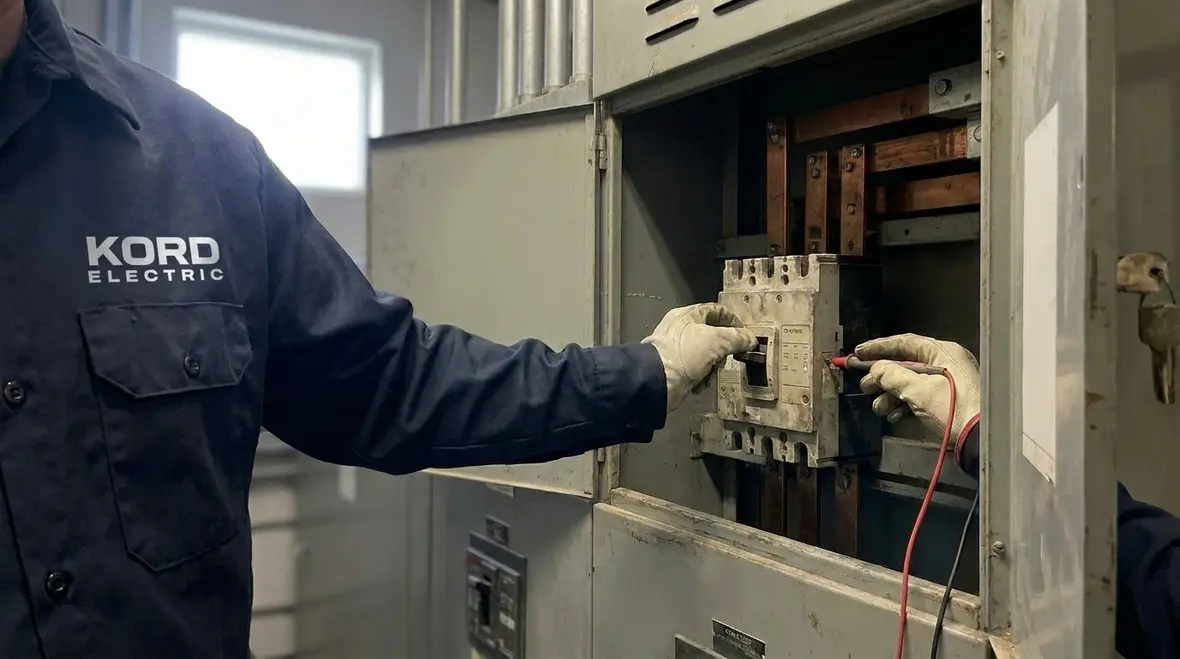
Commercial and industrial facilities rely on electricity to keep everything moving, from HVAC and refrigeration to elevators, manufacturing equipment, and data systems. Therefore, when something fails, the impact spreads quickly. A tripped breaker can halt production. A worn connection can heat up until it causes a fault. A neglected panel can turn minor corrosion into major repairs.
Preventative work does not rely on luck. Instead, Kord Electric technicians inspect components while they are still behaving normally. They document conditions, note early warning signs, and recommend targeted fixes. As a result, facility teams avoid the classic “run it until it breaks” strategy, which is popular only in action movies. In the real world, that approach costs more than it should.
So, the focus stays on the parts that quietly degrade over time: terminations, breakers, bus bars, conductors, switchgear components, and grounding systems. Also, protective devices are verified to operate as intended, not as a rumor. This helps keep power quality stable and reduces interruptions.
What expert technicians check during a preventative visit
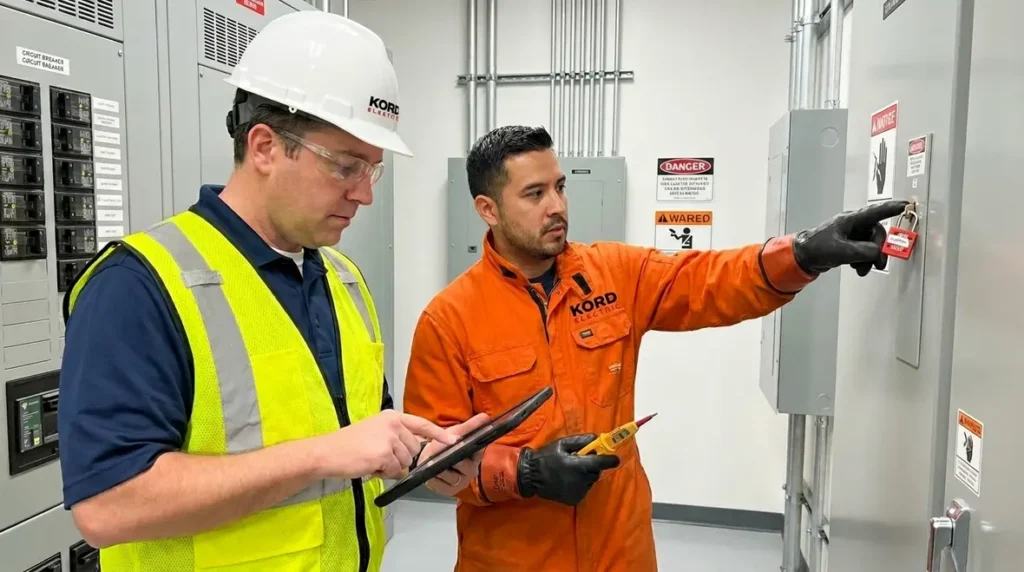
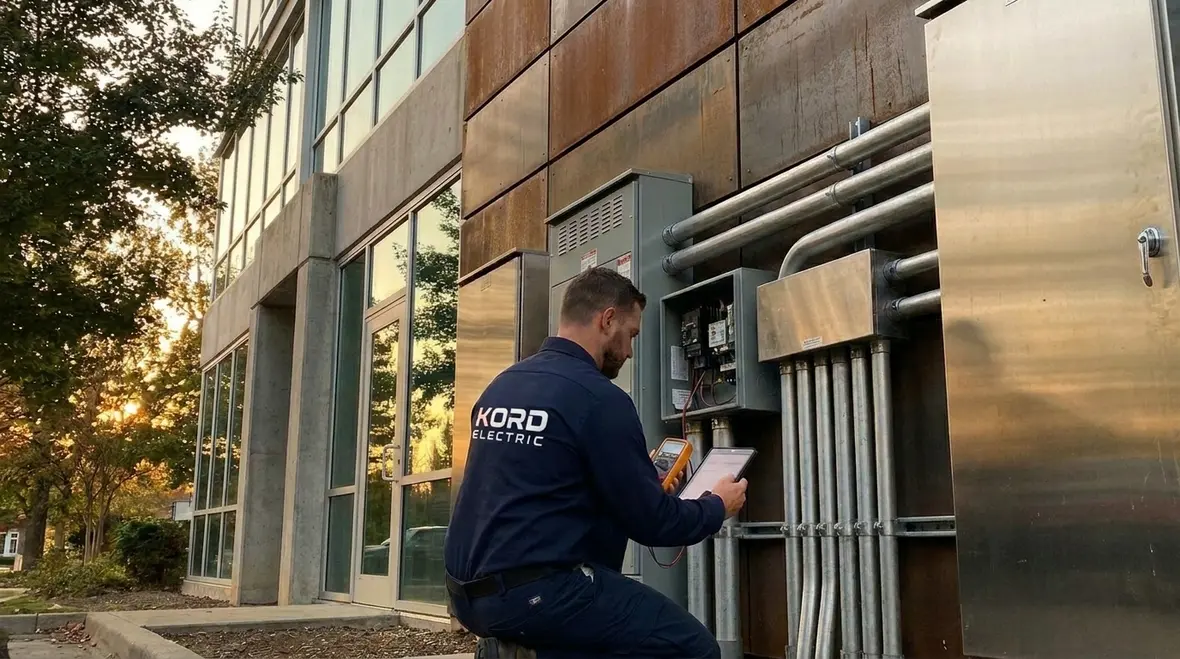
In the field, Kord Electric’s expert service staff does not treat preventative maintenance as a checklist for the wall. They treat it as a real system review. That means they look closely at the electrical distribution path, from incoming service through panels, to the loads that depend on it.
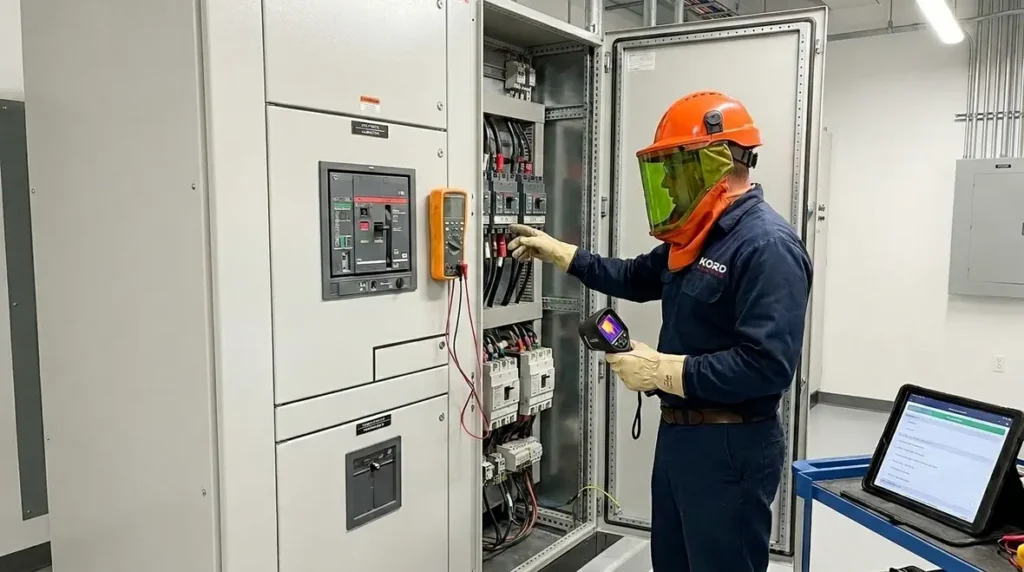
Depending on the site, a typical preventative maintenance visit can include inspections and testing such as:
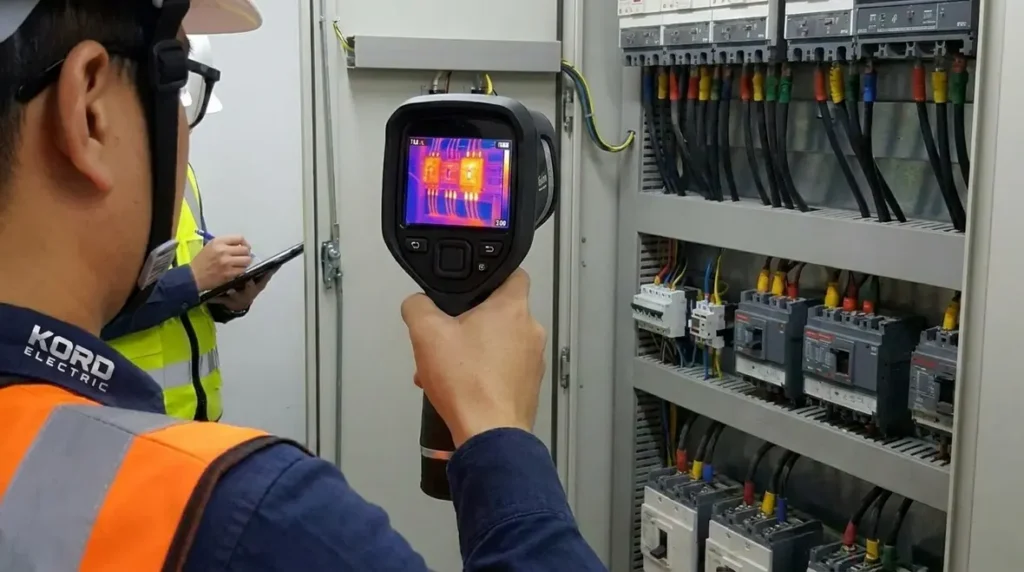
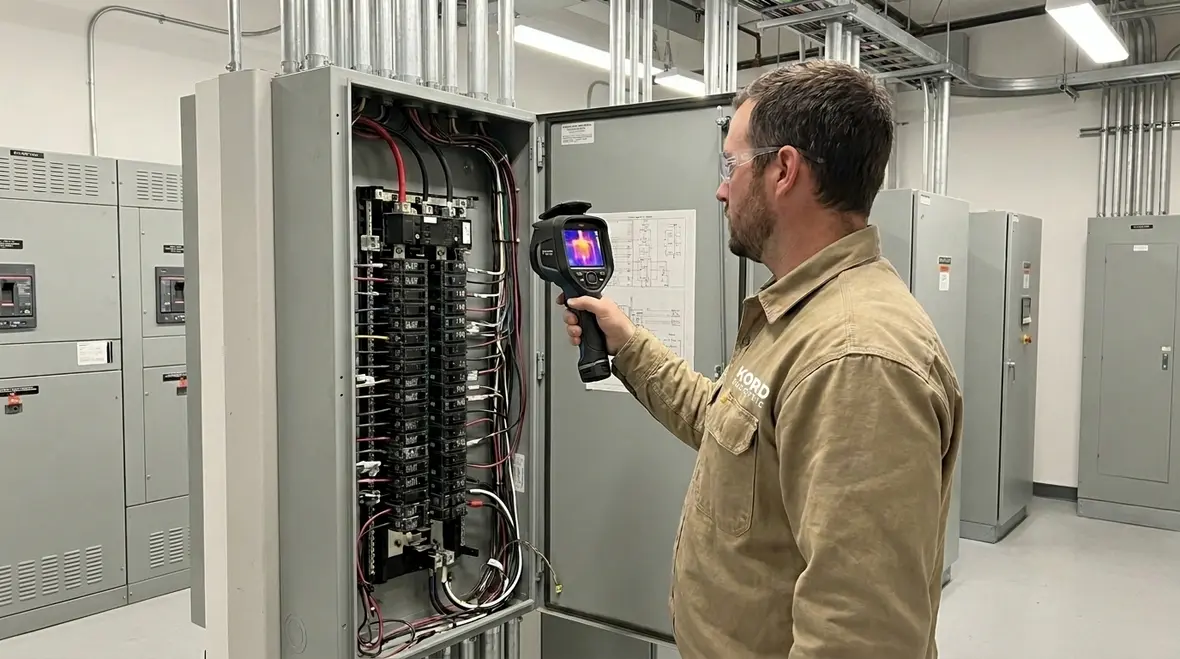
- Visual inspections of panels, switchgear, and control cabinets for signs of overheating, loose hardware, corrosion, and wear
- Connection checks to reduce risk from loose terminations and damaged conductors
- Load and power condition review where appropriate, so issues show up before they break
- Protective device verification to confirm breakers and safety equipment work correctly
- Grounding and bonding assessment to support safety and stable operation
- Documentation so leadership can plan repairs with confidence
Moreover, findings are explained in plain language. Others on site should not have to translate reports like it is a sci fi script. Technicians walk teams through what they found, what it means, and what to address next. Then they help schedule repairs in a way that fits operational needs, which is how you avoid production pauses and irritated supervisors.
For facilities building a long-term strategy, this visit often connects directly to structured programs like Kord Electric’s Electrical Preventive Maintenance, where inspections, testing, and documentation are organized into a repeatable plan instead of one-time fixes.
Risk, safety, and compliance in major property buildings
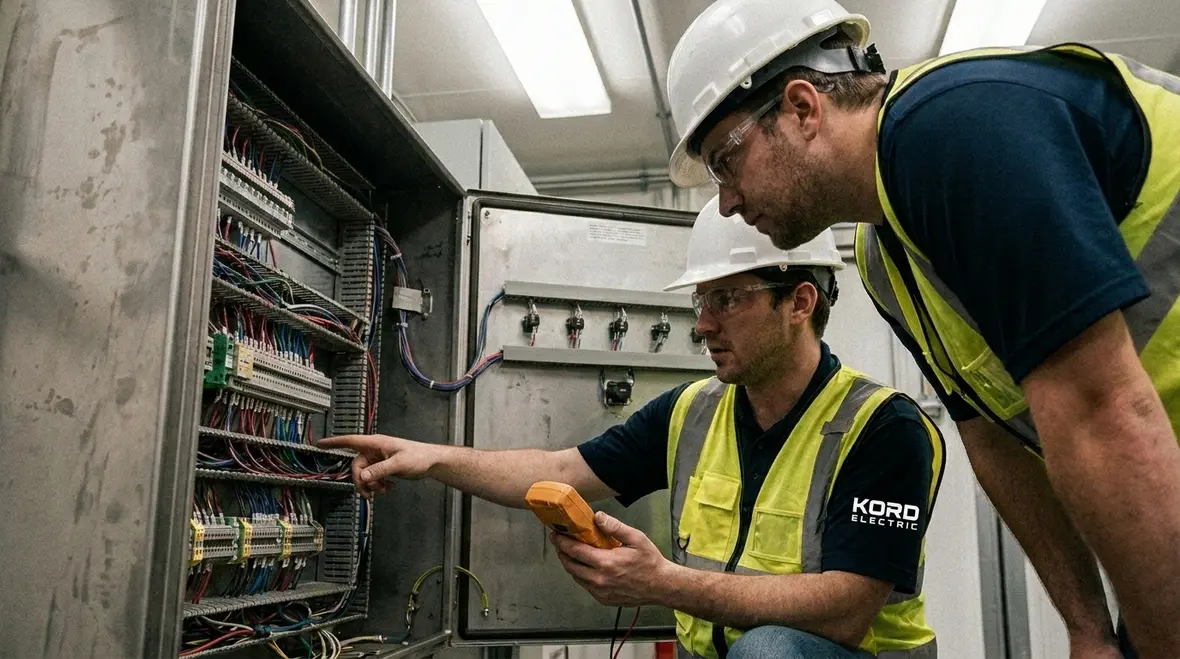
Safety comes first, and electrical risk grows quietly when maintenance stops. In commercial and industrial settings, the stakes are higher because equipment cycles, loads change, and electrical systems run hard. Therefore, a preventative plan matters for both people and operations.
When systems are evaluated, technicians look for hazards that often lead to shock risk, fire risk, and equipment damage. Over time, insulation can degrade, connections can loosen, and dust or moisture can build up in ways that reduce safety margins. If anyone has ever watched a flickering light and thought, “It’ll probably be fine,” they already know how that story ends. The point is: “probably” does not lead the decisions.
Also, many facility teams need to show due diligence. A structured preventative electrical maintenance plan supports responsible management and helps others respond faster when issues appear. Kord Electric helps keep records clear and actionable, so a building team can demonstrate that electrical systems receive ongoing attention.
And because every building is different, the plan is aligned to the facility, the equipment, and the operating schedule. That is how a preventative program becomes practical, not theoretical. For some properties that already rely on complex systems and modern infrastructure, this often pairs naturally with broader strategies like commercial and industrial electrical maintenance plans that target system longevity across the entire site.

Power quality, equipment life, and why stability matters
Electrical maintenance is not only about preventing total failure. It is also about keeping performance steady. In many commercial and industrial environments, equipment does not tolerate constant changes in power. Voltage sags, imbalances, and electrical noise can stress motors, shorten equipment life, and create “mystery” faults that appear and disappear.
When Kord Electric supports a preventative electrical maintenance plan, the work helps reduce those hidden issues by focusing on distribution health. Connections that heat up slightly can trigger bigger problems later. Corrosion can interrupt flow in intermittent ways. Worn components can create unstable conditions over time.
As a result, preventative work can help equipment run longer and more consistently. That means fewer callouts for problems that seem like they happen randomly. Also, stable electrical systems support a smoother environment for sensitive operations such as controls, communications, and industrial processes. In other words, the equipment stops acting like it is trying to prank the maintenance crew.
How to plan preventative maintenance so it fits operations
The best plan is the one that works with your schedule. For major property buildings and industrial facilities, operations cannot simply pause for “a little inspection.” Therefore, Kord Electric plans around uptime, critical loads, and site access.
The process starts with learning how the facility operates. Then an inspection rhythm and service steps are recommended that match system needs. After that, repairs are coordinated so fixes happen when they cause the least disruption.
Because electrical systems vary, the plan also adapts as conditions change. If a site experiences higher loads, new equipment, or increased environmental exposure, technicians help others update the approach. That keeps the preventative electrical maintenance plan benefits real over time, not just on day one. And yes, the plan gets better as the data improves. Electricity appreciates consistency. Facility managers do too.
To support this approach, Kord Electric’s preventative program emphasizes routine checks and clear documentation, so others can make decisions with real information rather than guesses. Over time, this ties directly into structured services like their ongoing Electrical Preventive Maintenance, giving facilities a repeatable roadmap instead of a collection of one-off service calls.
Commercial electrical preventative maintenance plan benefits that protect budgets
Money always matters. Nobody runs a commercial or industrial facility on hope and vibes. Therefore, the commercial electrical preventative maintenance plan benefits show up in three places: fewer emergency repairs, better planning, and reduced downtime.
First, preventative work catches issues before they grow. A small problem in a panel becomes a major repair only when it gets ignored. Second, facility teams can plan corrective work so costs do not spike unexpectedly. When repairs happen with clear timing, purchasing and labor scheduling stay controlled.
Third, reduced downtime protects revenue. When a critical system goes down, the losses stack fast. Production stops. Services get delayed. Even if downtime feels “brief,” the operational ripple can last longer than anyone expects.
Additionally, a steady maintenance program helps protect insurance and safety reviews. While requirements vary, responsible maintenance records help demonstrate a proactive approach to electrical risk. In a world where everyone is busy, that proactive mindset is a competitive advantage.
For organizations that want those benefits to compound year after year, partnering with a provider that offers structured programs—such as Kord Electric’s dedicated Electrical Preventive Maintenance services—helps turn individual site visits into a long-term budget protection strategy.
FAQ
Conclusion: take control before electricity takes control
Here is the truth: electrical systems fail when wear stacks up, not when someone is watching. Kord Electric helps commercial and industrial facilities stay ahead with a preventative approach designed to reduce downtime, improve safety, and support smarter budgeting. If you want experts who inspect carefully, explain clearly, and plan work around your operations, the team is ready to help. Contact Kord Electric today to discuss your facility and create a preventative maintenance plan that keeps power steady and problems small.
For facilities that are ready to connect preventative planning with broader improvements, Kord Electric also delivers services such as Electrical Preventive Maintenance along with project-based upgrades and commercial lighting solutions. Together, these offerings create a path from reactive repairs to a comprehensive, long-term strategy for electrical reliability.
If your building is preparing for modernization, a retrofit, or a targeted upgrade, pairing a preventative maintenance plan with related services like recessed or high-efficiency lighting installation can help you capture more value from every project while keeping systems safe and compliant over time.
To explore how a commercial electrical preventative maintenance plan can align with your next upgrade or renovation, you can also review related services like Kord Electric’s recessed and commercial lighting installation offerings, which are designed to work hand-in-hand with structured electrical maintenance for long-term reliability and performance.