
Upgrading Electrical Infrastructure for Workplace Safety
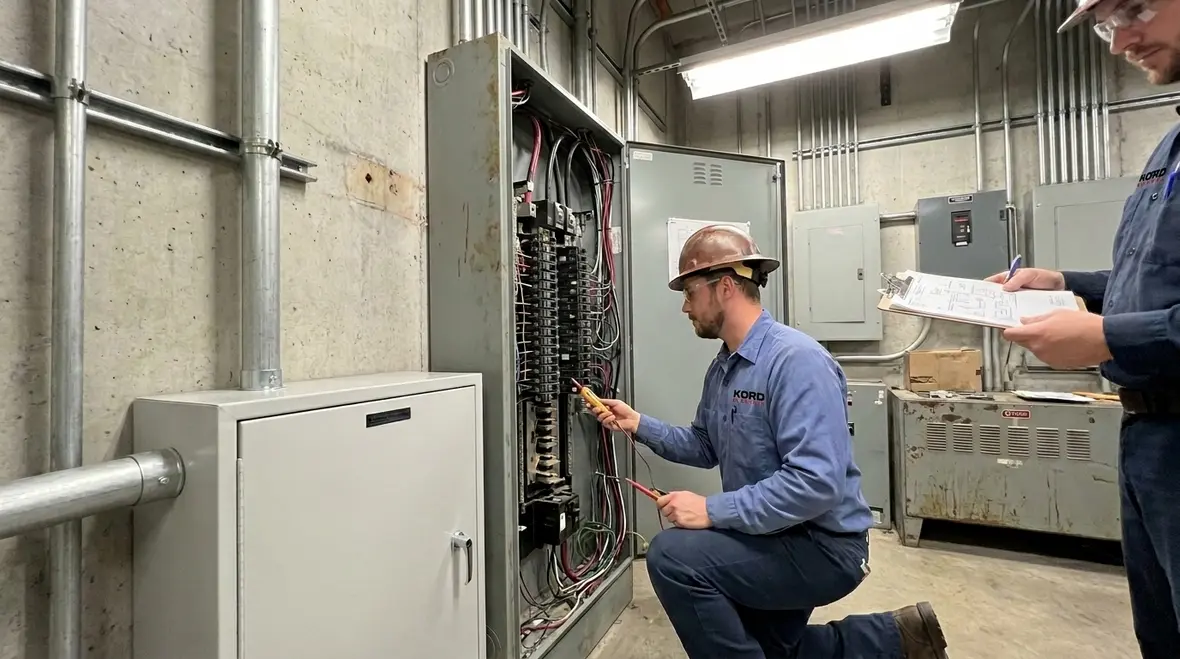
Upgrading electrical infrastructure for workplace safety starts as a business decision, not a panic button. When a commercial or industrial facility gets older, the electrical system quietly turns into a risk. Overheating parts, weak circuits, outdated panels, and poor grounding can raise the chance of fire, downtime, and costly repairs. At Kord Electric, we help property owners and managers reduce those risks while improving daily output. In this article, our expert service staff explains what to upgrade, why it matters, and how to plan it without slowing operations. Yes, we know downtime is like a bad Netflix season. Nobody asked for it, and everyone complains. Yet with a smart plan, you can upgrade with care and stay productive.
Why upgrading electrical systems reduces risk and boosts output
Commercial sites live on schedules. If lighting flickers, equipment trips, or power quality drops, workers lose time and businesses lose money. Meanwhile, electrical faults rarely arrive with a siren. Instead, they build up through wear, loose connections, moisture, corrosion, and heat. As a result, upgrading electrical infrastructure for workplace safety protects people and equipment while keeping the site running as designed. It also supports productivity because stable power means fewer interruptions, smoother starts for motors, and steadier performance for sensitive loads like computers, controls, and communication systems.
Our technicians often tell clients: you do not wait for smoke to plan fire safety. Likewise, you do not wait for repeated breaker trips to improve the electrical system. First, we inspect how the facility uses power. Then, we match upgrades to real loads and real conditions. And when the system is right, it feels invisible in the best way.
Where problems show up in commercial and industrial buildings
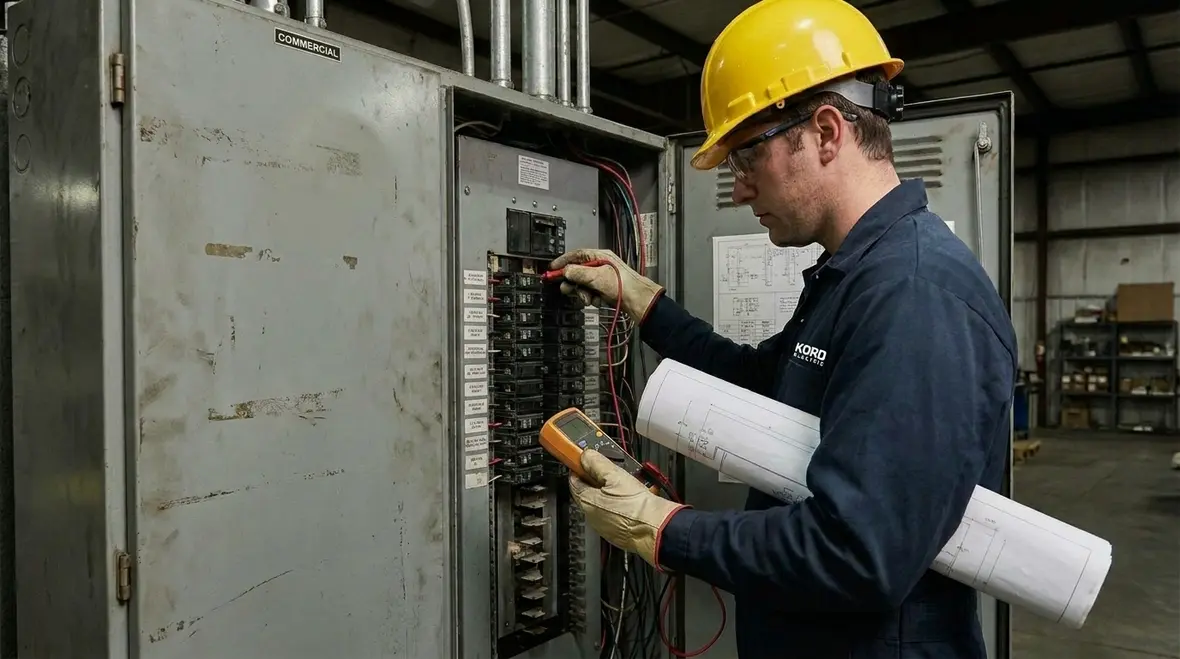
When others think about electrical upgrades, they picture new lights and maybe a shiny panel. In practice, the most common concerns hide in the components people touch the least. That includes feeders, switchgear, busbars, grounding systems, and older wiring methods that struggle under current demand. So, even if the building “works,” it might not work safely or reliably.
Our expert service staff typically sees these issues during field checks:
- Panels and switchgear with age related wear, damaged labels, or unclear circuit identification
- Service capacity that no longer matches tenant growth, equipment additions, or HVAC changes
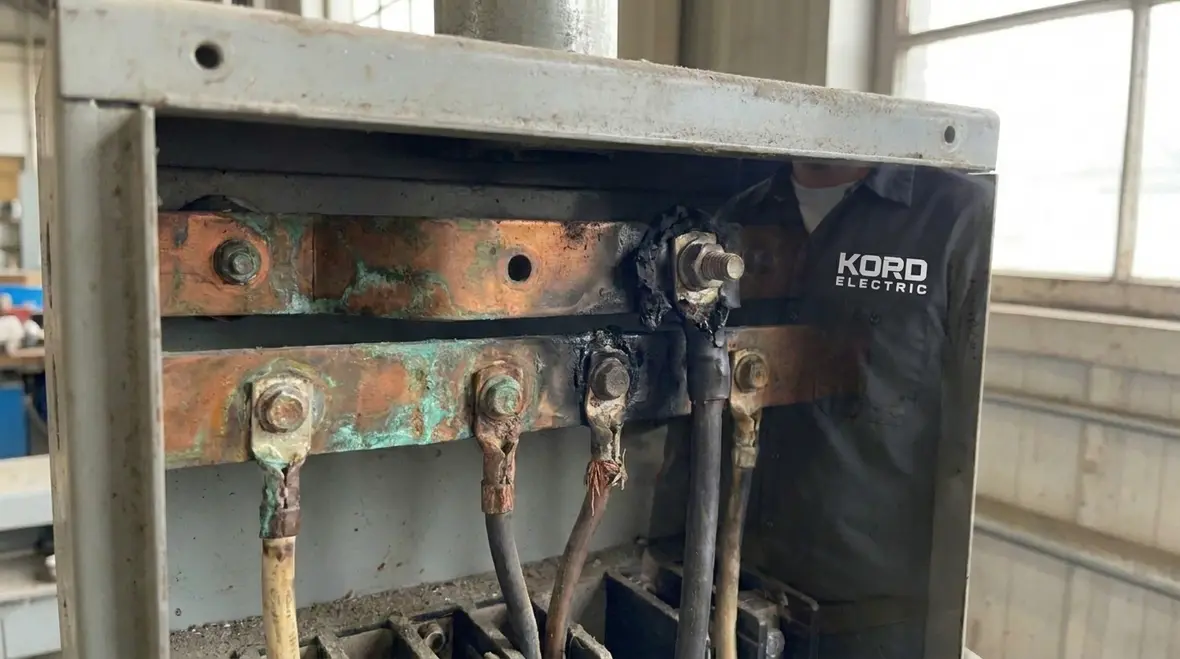
- Loose terminations and worn connections that create heat and voltage drop
- Grounding and bonding gaps that raise the chance of shocks and nuisance trips
- Lighting and controls that draw poor power or create unstable output for the rest of the electrical system
- Cables in harsh areas that show signs of moisture, abrasion, or insulation breakdown
Then, once the root issues show up, the math becomes clear. A facility that runs on unstable wiring pays for it every day in maintenance time, shortened equipment life, and unexpected interruptions. Upgrading before failure tends to cost less than fixing emergencies, and it keeps morale from taking the hit. Nobody wants to watch a production line stop like it is stuck on a loading screen.
How we plan upgrades that keep your facility running
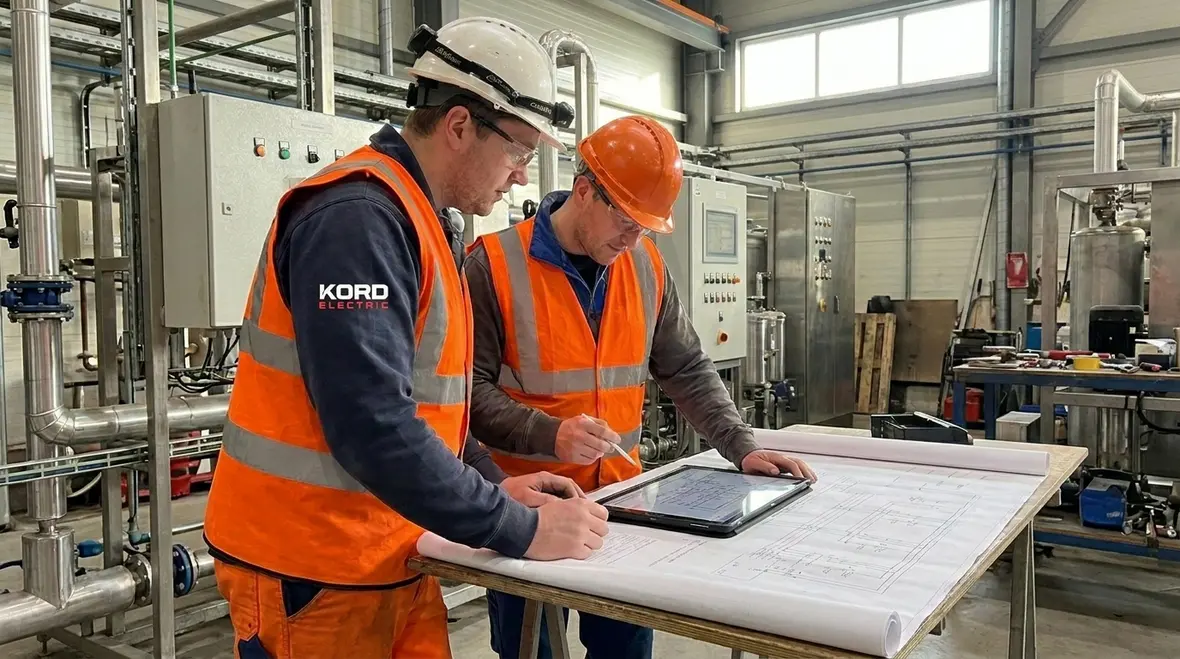
Commercial and industrial upgrades need careful scheduling. Otherwise, the work disrupts operations, and the project turns into a multi week headache. We take a different approach. First, Kord Electric maps loads and power flow so upgrades align with how the building actually runs. Next, we build a phased plan that reduces risk to critical processes. For example, we can isolate sections, reroute power when needed, or schedule work during planned windows.
Our technicians also use clear documentation. That means the facility team knows what changes, what stays online, and what to expect. Plus, we help clients understand the logic in plain language. If we tell a manager that a circuit needs attention, we explain what we found and what it changes. This keeps decisions grounded instead of emotional, which is great because upgrades should not feel like choosing a car alarm system at 2 a.m.
Finally, we coordinate with other trades when the job involves major lighting or power system changes. We also verify that safety devices work as intended, and that labeling, testing, and commissioning match the project scope. As a result, upgrades land cleanly and perform as planned.
Lighting, controls, and power quality: the hidden connection
Lighting upgrades often lead the conversation, and for good reason. In workplaces, lighting affects comfort, safety, and error rates. Yet lighting also ties into power quality. If the electrical system struggles, lighting controls can behave unpredictably, and sensitive equipment can see voltage dips. That is why we treat lighting as part of the bigger electrical picture rather than a standalone upgrade.
Many clients ask about cost and timelines. The commercial lighting upgrade cost guide on our blog helps explain the factors that shape pricing, such as fixture type, control strategy, installation scope, and existing wiring conditions. Then, our team translates those factors into your reality on site. If the facility needs rewiring, panel work, or new controls integration, we say so early. That is how we prevent surprises that make people say “we thought it would be simple.”
In practice, a modern lighting and controls approach can support energy savings and stability, but it must also match electrical capacity and wiring health. When we align the lighting plan with upgrading electrical infrastructure for workplace safety goals, you get better illumination and a system that does not fight itself.
What it takes to upgrade safely in a real facility
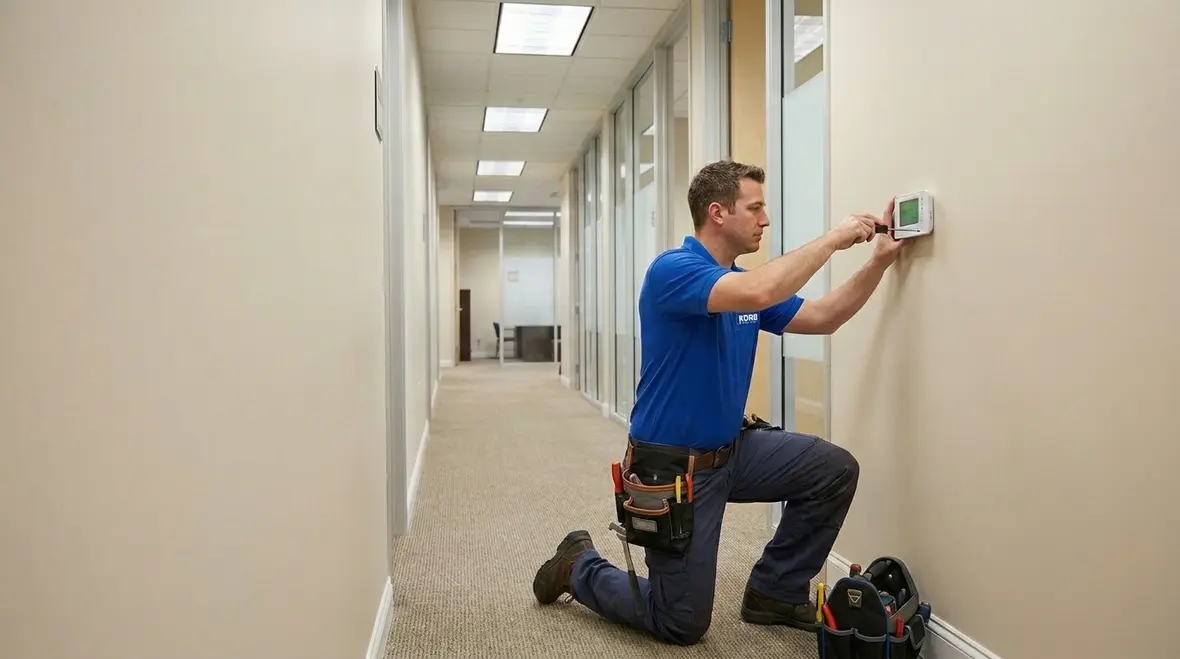
Safe work needs more than good tools. It needs a process, and it needs people who follow it. At Kord Electric, our expert service staff approaches each upgrade with a focus on containment, verification, and compliance. We plan for safe access to panels, safe lockout and testing, and controlled transitions between old and new systems.
During installation, we verify proper connection quality and conductor routing. We confirm protective devices work correctly, and we test key system performance so the facility does not inherit new faults. Then, we document findings and updates so your team can maintain the system with confidence. That matters in large buildings where no one person remembers everything. (And honestly, if someone claims they remember every breaker number from memory, we assume they are either a superhero or they are not responsible for the outage.)
For facilities with sensitive operations, we also consider how upgrades affect power stability. That may include addressing voltage drop, improving grounding and bonding, and ensuring switchgear and feeders support the load profile. In the end, the goal is simple: keep staff safe and keep operations steady.
Costs and payback: what owners should watch
Cost depends on the size of the facility, the condition of existing wiring, and the scope of what needs replacement. Some sites only need targeted circuit work and panel improvements. Others need bigger work like switchgear upgrades, new feeders, or control integration. Therefore, a smart estimate starts with an on site evaluation, not a guess.
From the commercial lighting cost planning perspective, our blog guide highlights common drivers like fixture selection, controls features, labor scope, and whether older wiring limits what can be installed. Then, we expand the conversation to include the electrical side of the house. Because if the system cannot safely support the improved lighting layout, the upgrade stalls or creates a new maintenance burden.
When clients compare options, we help them do it fairly. We look at:
- Safety improvements, including fault risk reduction and reliable protective device operation
- Operational impact, such as time to complete work and the effect on production schedules
- Maintenance needs, including how often staff will have to troubleshoot or replace components
- Energy performance, including control features and load management
As a result, the best projects tend to balance upfront spend with long term reliability. And yes, sometimes the lowest quote costs the most later. That is the kind of plot twist we would like to avoid.
FAQ for commercial electrical upgrades
Ready for a safer, steadier power system?
When others wait for failure, the facility pays in downtime, repairs, and safety risk. Kord Electric helps commercial and industrial teams upgrade with a plan that protects people and supports daily output. Our technicians inspect first, explain what they find, then build phased upgrades that fit real schedules. If you want lighting and electrical improvements that hold up over time, contact us for an on site assessment. Let’s turn that unstable system into a reliable one, before it turns your day into an emergency.
If you are planning larger-scale changes, pairing upgrading electrical infrastructure for workplace safety with structured electrical preventive maintenance and professional lighting installation services can extend system life, stabilize power, and keep your facility ready for future growth.
For properties that need help balancing power quality with safety and uptime, our team also resolves issues like voltage swings and nuisance trips as part of a broader upgrade strategy, so your panels, feeders, and lighting systems all pull in the same direction instead of competing for stability.


