Commercial Electrical Reliability Audit Benefits
Why Regular Commercial Electrical Reliability Audits Pay Off Quickly
When people talk about a commercial electrical audit, they often picture paperwork and fluorescent lights judging them from above. We get it. Still, the real value shows up fast: improved safety, fewer unplanned outages, better power quality, and clearer plans for upgrades. In other words, commercial electrical audit benefits hit the bottom line because reliability affects everything from production schedules to customer trust. At Kord Electric, we focus on commercial and industrial facilities and major property buildings, because that is where small electrical problems turn into expensive downtime.
And yes, our technicians explain what they find in plain language. Not in “electrical fortune cookie” language, but in a way your operations team can act on. So others can stop guessing, start prioritizing, and protect equipment before it fails.
What We Measure During a Reliability Audit
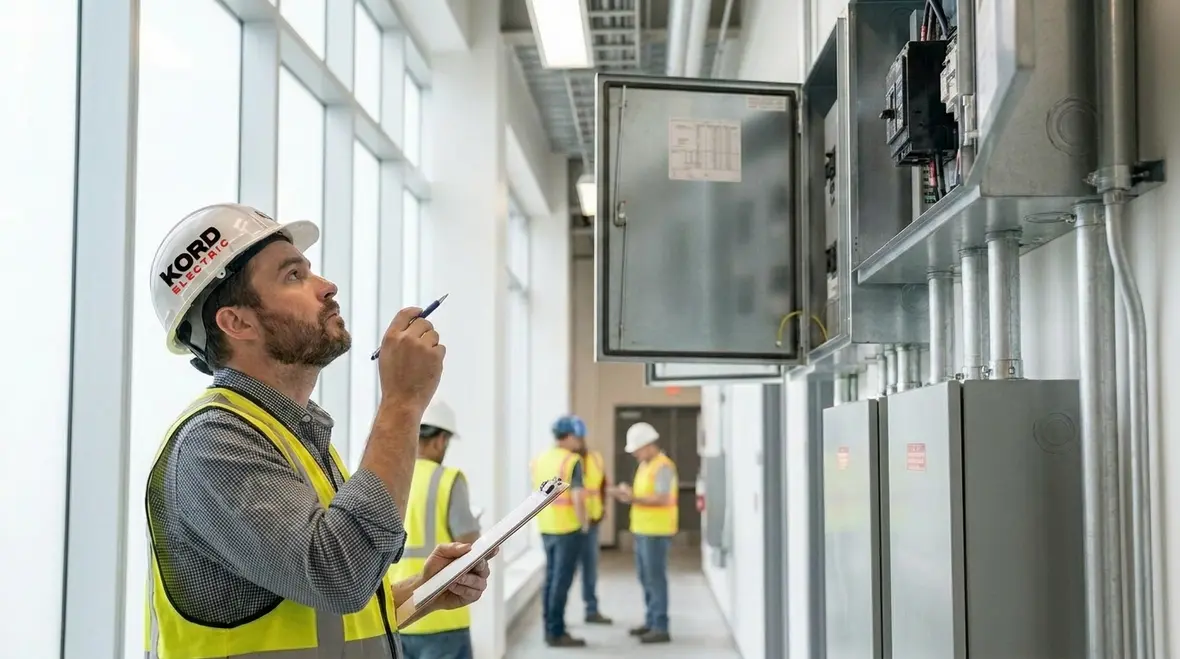
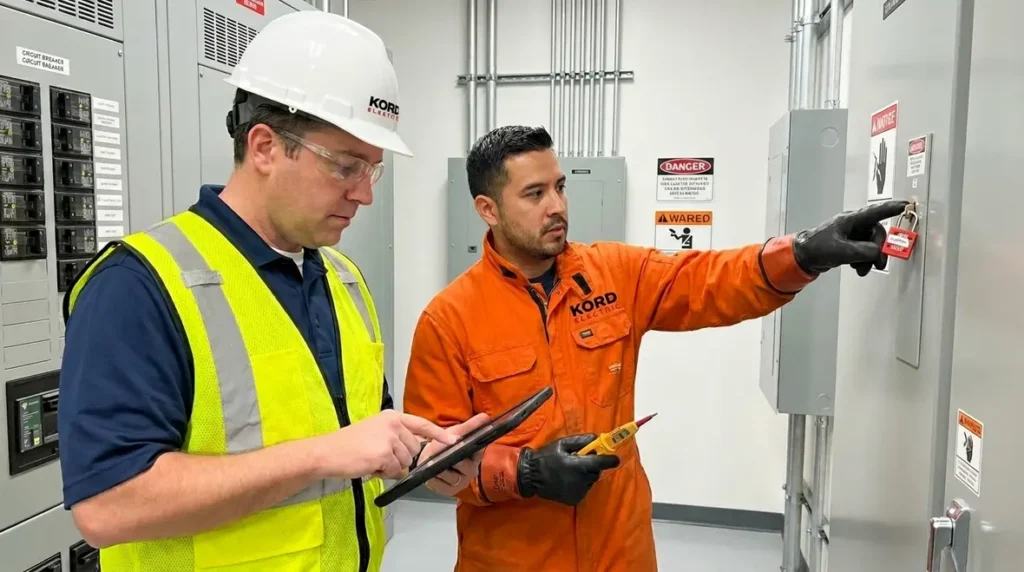
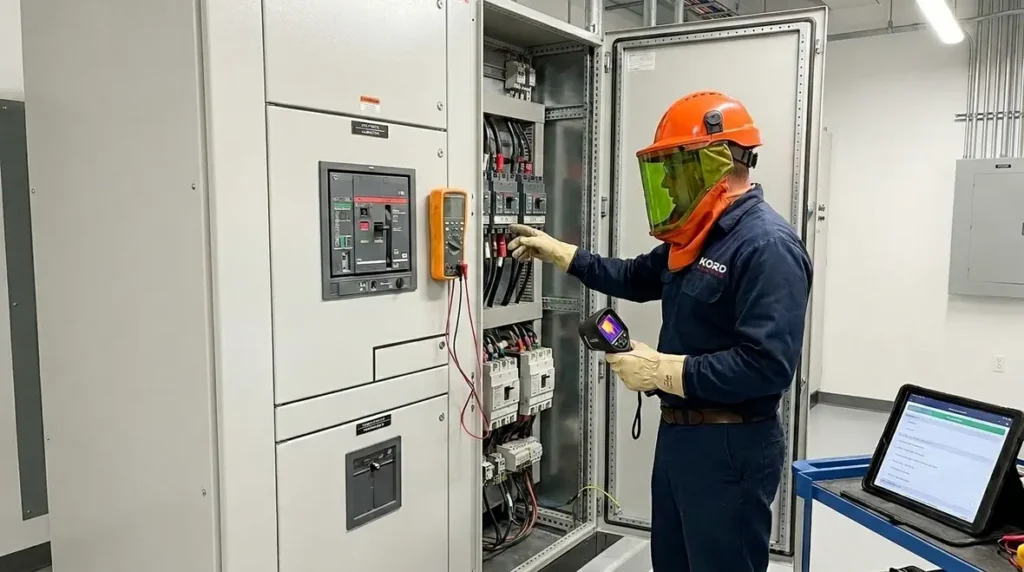
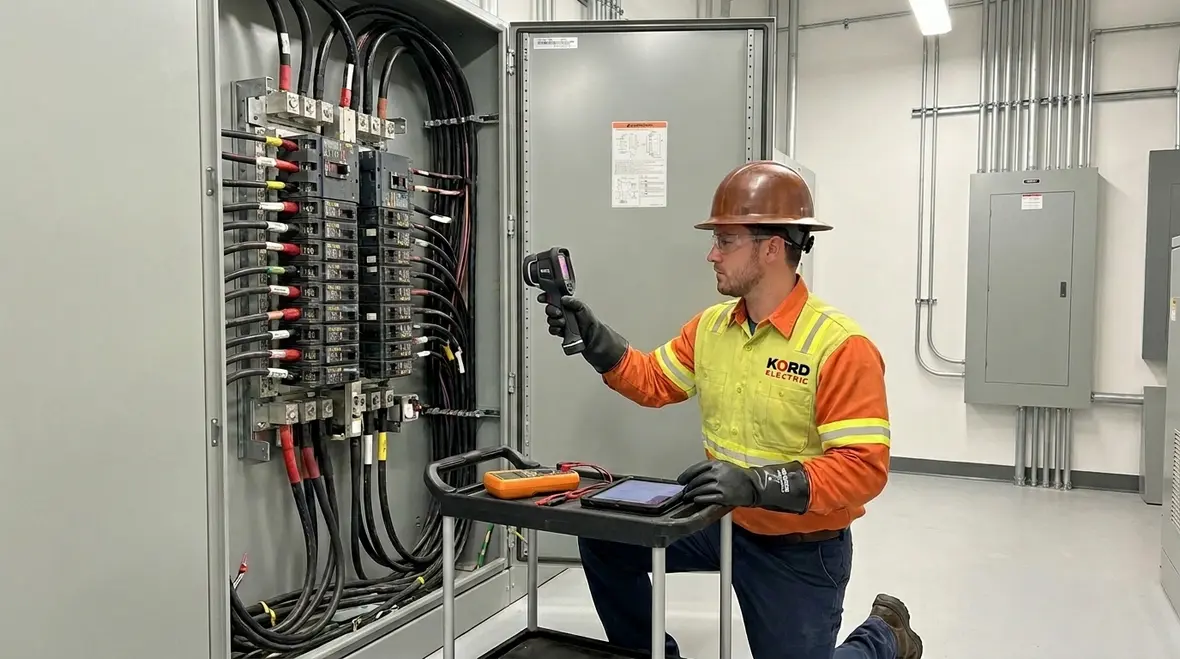
During a regular reliability audit, we do not treat electricity like a mystery novel. Instead, we check the system like a mechanic checks an engine: look for wear, measure performance, and track patterns over time. Our expert service staff begins by reviewing your facility’s operating history, maintenance records, and any events that caused interruptions. Then we move to field measurements and visual inspections.
To stay practical for commercial and industrial sites, we focus on the components that usually drive outages and rising operating costs. That includes distribution panels, switchgear, motor control centers, transformers, feeders, grounding and bonding paths, and protective devices. We also examine load behavior and how the facility responds under real conditions. As a result, we can connect “what we see” with “what happens next.”
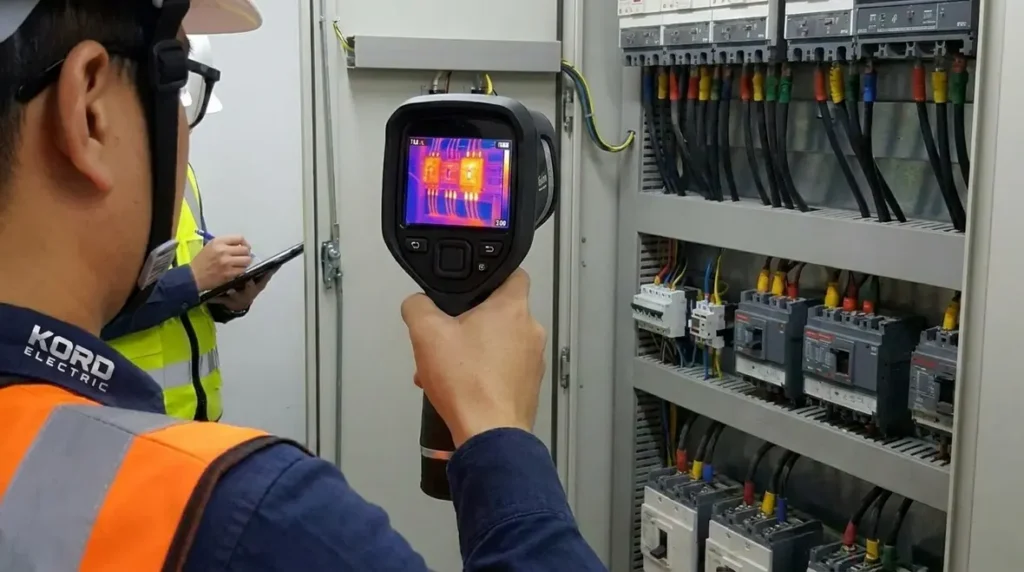
In plain terms, we measure and document issues such as loose connections that heat up, insulation that has aged, imbalanced phases that wear equipment, and protection settings that may not coordinate. Then we build a reliability picture, not a random list of fixes.

Connecting reliability audits to broader maintenance strategy
A reliability audit often becomes the front door to a structured maintenance program. Many commercial and industrial facilities use audit findings to shape or refine their electrical preventive maintenance schedule, aligning inspections, testing, and upgrades with real-world risks instead of guesswork. When an audit documents how components behave under load and where stress concentrates, maintenance plans stop being generic and start being targeted, which is exactly what complex power systems need.
This kind of targeted approach pairs naturally with ongoing electrical preventive maintenance that keeps critical systems in check between audits. By combining both, facility leaders can see how today’s conditions compare with last year’s data, which circuits show early warning signs, and where investments will deliver the most commercial electrical audit benefits over time.
How Reliability Audits Reduce Downtime and Spare Costs
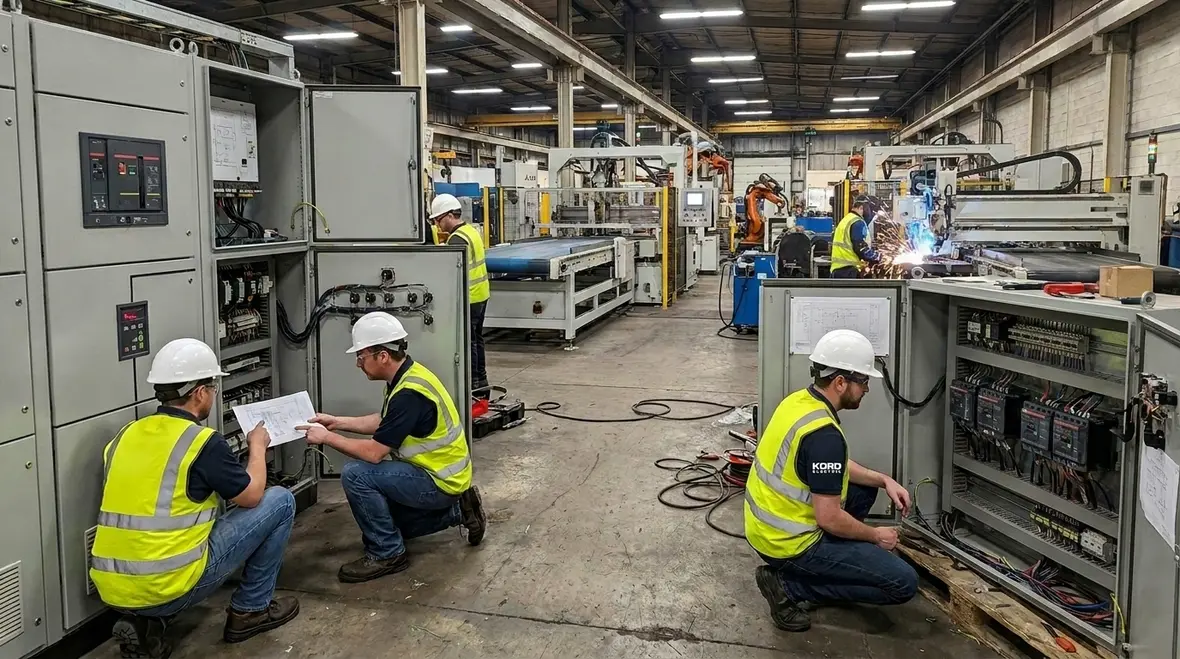
In commercial buildings and industrial plants, downtime rarely stays small. First, a fault trips a breaker. Then equipment stalls. After that, operations lose time and teams scramble. Finally, emergency service carries overtime and parts rush fees. Regular commercial electrical reliability audits break this cycle.
Here is how: we identify problems early, while they are still manageable. For example, our technicians can find overheating at terminations before it turns into a failure that shuts down a critical process. We also help facilities avoid repeat trouble by checking why the issue appeared in the first place, not just resetting a device and hoping for the best. (Hope is a great strategy for sports and birthdays, not electrical systems.)
Additionally, audits support smart spare planning. Instead of buying whatever someone remembers from last year, we help you understand what components are most likely to fail based on measured conditions and historical trends. As a result, maintenance budgets stretch farther, and you spend on repairs that prevent major losses.
From emergency repairs to planned reliability
Without regular reliability audits, emergency calls become the default playbook. A breaker trips, production halts, and suddenly everyone is racing the clock. With a scheduled audit, those same weak points reveal themselves quietly in test results and inspection notes, not through a facility-wide outage. That means your team can fix issues during planned windows instead of losing entire shifts to unexpected shutdowns.
Better still, when audit findings feed into your spare parts strategy, shelves stop filling with random breakers and contactors “just in case.” Instead, you stock the parts that actually protect uptime, informed by data from your own equipment. Over time, that shift alone can deliver measurable commercial electrical audit benefits in both reliability and budget control.
The Business Case: ROI You Can Defend in a Meeting
Let us talk ROI with the respect it deserves. Most reliability programs succeed because they prevent avoidable costs: lost production time, emergency call premiums, damage to connected equipment, and higher insurance scrutiny. Still, we also support direct savings through more efficient system operation.
When we perform a commercial electrical reliability audit for a major property building or an industrial facility, we translate findings into actions with costs and priorities. We help your decision makers compare two paths: do nothing and manage failures as they arise, or act early and reduce the probability of disruption. Then we align improvements with the facility’s risk profile.
Our process often leads to payback in the form of fewer incidents and more stable power performance. Moreover, better reliability can improve asset life, which delays expensive replacements. In short, we do not sell audits as a “nice-to-have.” We show how scheduled reliability work protects the equipment you already paid for.
Linking audits to capital planning and upgrades
For many facility and asset managers, the hardest part of justifying upgrades is moving from “we think something might fail” to “here is the evidence, the risk, and the return.” Reliability audits bridge that gap. Findings document how equipment behaves under load, where thermal stress or imbalance appears, and which areas fall furthest behind current standards. That detailed snapshot makes capital planning conversations far more concrete.
When those conversations include not only replacement costs but also the financial impact of likely failures, the commercial electrical audit benefits become hard to ignore. Instead of arguing about whether to budget for an upgrade, leadership can see how much downtime, overtime, and emergency response spending they stand to avoid, and how improved reliability supports tenant retention, production schedules, and long-term asset value.
What Changes After the Audit: A Clear Plan, Not a Drawer Full of Reports
We know what happens when a report lands in a file. Nothing changes. That is why Kord Electric builds audits that lead to decisions. After our technicians finish on site, our expert service staff walks your team through findings in a structured way, so operations, facilities, and leadership can understand the risk and the options.
Then we deliver an actionable plan. This includes recommendations by priority, recommended timelines, and the expected impact on reliability. Because commercial and industrial facilities differ, we tailor guidance to your actual loads, critical processes, and access limitations. For instance, a facility may require staged work to avoid shutting down during peak production windows.
Furthermore, we help you set up repeatable maintenance actions. This matters because reliability depends on habits as much as equipment. When the right inspections happen at the right intervals, small issues do not get time to grow legs and run away.
Turning findings into repeatable reliability routines
A strong reliability program does not end when the audit report is delivered. It matures as your team turns recommendations into standard practice. We often see the biggest gains when facilities build checklists, inspection rounds, and seasonal tasks directly from audit findings. That way, the issues uncovered once do not quietly reappear two years later.
By using a commercial electrical reliability audit as the baseline, facilities can benchmark future performance, track how many findings have been resolved, and measure reductions in unplanned outages and emergency calls. Over time, that record becomes one of the most compelling proofs of commercial electrical audit benefits you can bring into a budget or renewal meeting.
How Reliability Audits Improve Power Quality and Equipment Life
Electrical problems often hide in plain sight. A transformer may still “work,” but it can run hotter than it should, which shortens its lifespan. Motors may start, but performance can drift as voltage stability and phase balance degrade. Meanwhile, sensitive equipment in major property buildings can suffer from disturbances that do not always trigger immediate failures.
Our audit approach includes reviewing conditions that influence power quality and equipment stress. We look at how the facility operates under load, how devices protect themselves, and whether the electrical system remains within healthy parameters. Then we recommend targeted improvements that reduce stress on motors, switchgear, and distribution components.
As these stresses drop, equipment typically lasts longer and consumes less energy in wasteful scenarios. Also, better coordination between protective devices can reduce the spread of faults, which limits damage and restores operations faster when something does go wrong. Think of it like giving your electrical system a calm, well-trained referee instead of a panic crowd.
Power quality, compliance, and modern commercial systems
Modern commercial electrical systems must juggle sensitive electronics, automation, high-efficiency drives, and life safety systems, all while staying aligned with evolving standards. Reliability audits give you a clearer view of how close your system operates to its comfort zone. Voltage imbalance, harmonics, and poorly coordinated protection can quietly erode both compliance margin and equipment life.
By pairing audit findings with guidance rooted in current codes and best practices, your team can correct issues before they lead to nuisance trips, data loss, or accelerated wear. Over time, those improvements show up as longer equipment life cycles, smoother operations, and fewer “unexplained” glitches in building systems that rely on stable, clean power.
Frequently Asked Questions
Make the Next Audit the One That Pays Back
If you want reliability that holds up under real operating pressure, we help you plan it, measure it, and improve it. At Kord Electric, our technicians and expert service staff deliver commercial electrical audit benefits through scheduled audits that reduce downtime, lower emergency risk, and extend equipment life for commercial and industrial facilities and major property buildings. Do not wait for the next outage to start your budget. Contact us now to schedule a reliability audit and build a plan you can defend in any meeting.
If your facility is ready to turn audit findings into ongoing protection for critical systems, it may also be time to explore a structured electrical preventive maintenance program that keeps panels, switchgear, and distribution equipment in top shape between audits. Together, reliability audits and preventive maintenance create a stable foundation for long-term system health and fewer unpleasant surprises.
For organizations that want to move from reacting to outages toward a calm, predictable electrical strategy, partnering with a team that understands commercial power systems, risk, and long-term asset performance is key. Whether you manage a single major property building or a portfolio of industrial facilities, a focused reliability audit can be the moment where electrical infrastructure stops being a mystery and starts being a managed asset.
To see how audit-driven recommendations translate into ongoing protection, explore how dedicated electrical preventive maintenance services can support your commercial and industrial facilities year-round.