Resilient Emergency Backup Power for Facilities
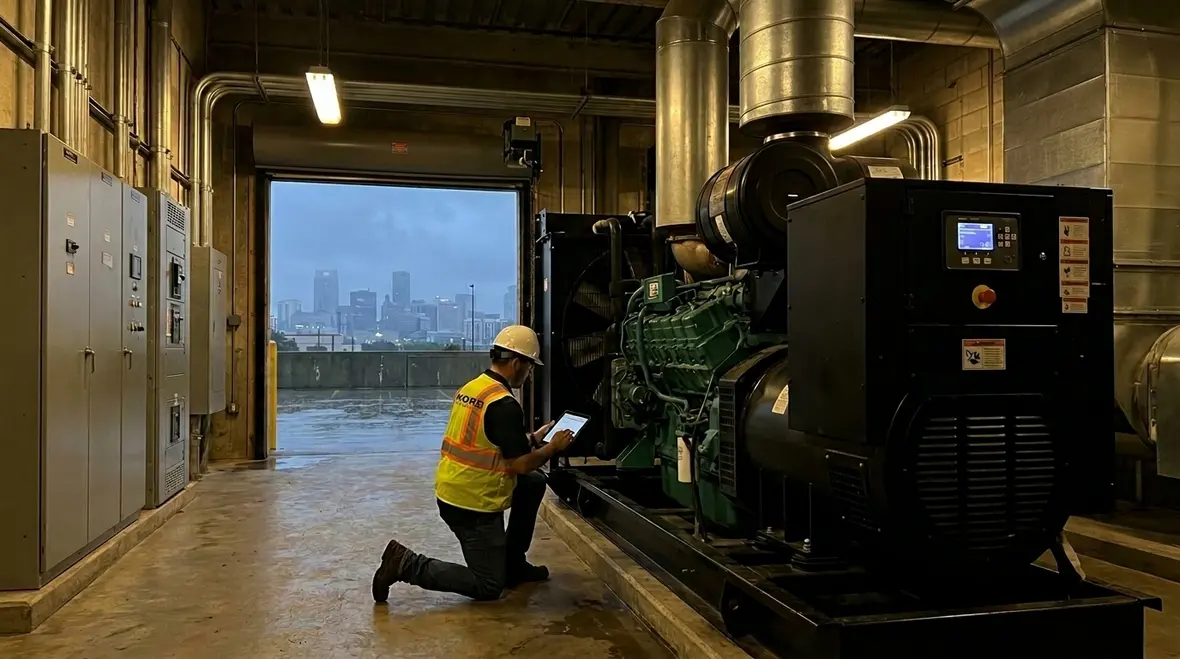
Kord Electric helps commercial and industrial facilities and major property buildings build resilient emergency backup power systems that keep lights on, equipment running, and operations steady when the grid does not cooperate. We plan, install, and maintain systems with one goal in mind: reliability under real conditions, not just on a test day with perfect weather. And yes, others can treat backup power like a checkbox. We treat it like a business lifeline. In this guide, our experts explain how we design backup power that handles long outages, sharp starts, and the kinds of failures that show up when people least want them.
What does “resilience” mean for backup power in commercial buildings?
For commercial and industrial facilities, resilience means the system keeps working through stress, not merely during calm conditions. Therefore, we build around three ideas: availability, survivability, and recoverability. Availability focuses on how quickly power returns. Survivability focuses on what happens when components fail, because parts do fail. Recoverability focuses on how fast the facility returns to normal once power stabilizes.
Next, we look at the real load profile, not a guess. Offices may need steady HVAC and data power. Manufacturing floors may need process controls, pumps, and motors. Hospitals are a different universe, and major property buildings still carry complex demands across lobbies, elevators, security, and life safety systems. When Kord Electric designs emergency backup power systems, we map critical loads, noncritical loads, and restart priorities so the system does not choke like a bus full of tourists trying to take one exit.

How we assess load, critical circuits, and runtime requirements
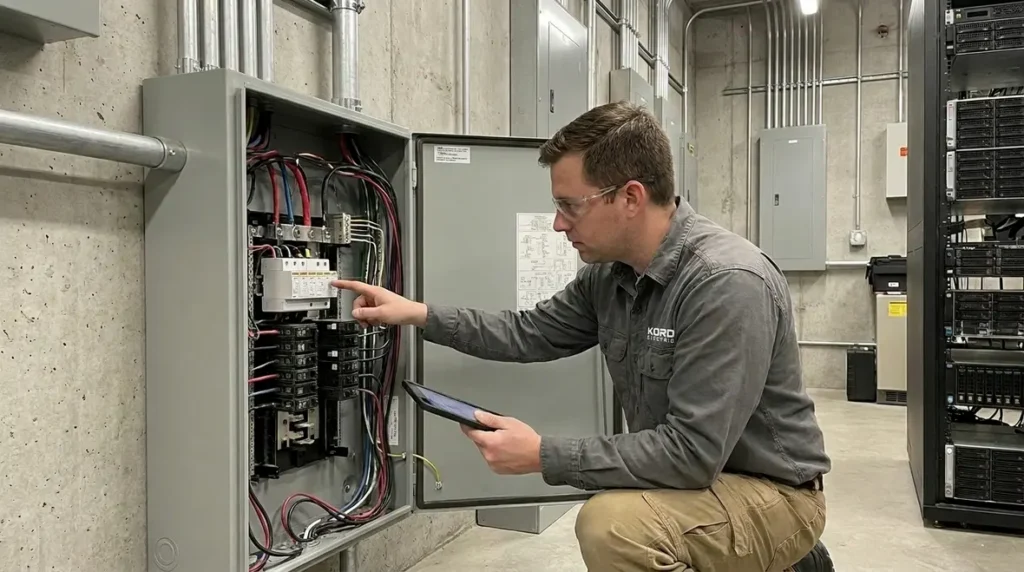
Every facility has a different definition of “critical.” So we start by doing a careful review of connected loads. Then we separate those loads into tiers based on how they affect safety, operations, and compliance. For example, we often prioritize life safety loads and controls first, then refrigeration, communications, and essential building systems. After that, we may allow a delayed transfer for lower priority loads so the system can ramp without a power surge that makes breakers act dramatic.
Our technicians, along with our expert service staff, explain the process in plain language during walkthroughs. They do not just say, “This needs power.” They show what needs power and why, including how starting currents affect generator sizing. Also, they help facility managers understand that runtime is not only about fuel volume. Runtime depends on demand, load mix, ambient conditions, and how the system handles transfer and stabilization.
To make the plan practical, we model different outage timelines and include a strategy for peak loads. Then we confirm the solution with performance targets and contingency planning. It is the difference between “it should work” and “it will work, even when conditions get messy.” For facilities that also want to uncover hidden weak points in their electrical infrastructure, our team may align this planning with broader electrical risk reviews similar to those described in our guide to hidden electrical risks in commercial buildings, so critical loads are protected at both the system and component level.

Designing system architecture for dependable transfers
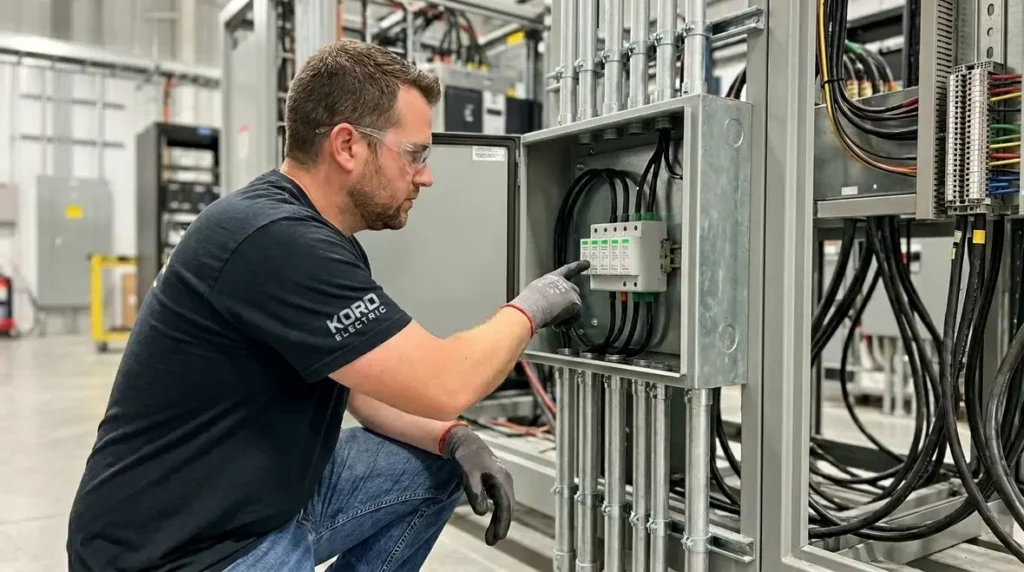
A backup power system lives and dies by transfers. First, we decide how power will switch from utility to backup. Then we choose the best transfer method for the facility’s critical equipment. Some sites need fast transfer for sensitive electronics. Other sites can accept a brief interruption but need stable voltage afterward. Our team evaluates these needs with the facility’s equipment list and control systems in mind.
Next, we design the architecture to prevent common problems, like upstream nuisance trips or overstressed switching gear. We also coordinate with protective devices so the generator does not “fight” the facility. In other words, we want cooperation, not conflict. If the utility drops, the system should detect it cleanly, start the generator, synchronize as needed, and transfer power in a controlled sequence.
After the transfer design, we look at distribution. We ensure that critical circuits receive power through the correct panels and branches. Then we confirm that the system can support start-up of key motors and pumps, since those inrush currents can surprise even confident operators. This is where our technicians earn their reputation, because careful sequencing avoids real-world bottlenecks. When needed, we coordinate transfer design with broader distribution strategies similar to our approach in data center electrical distribution design for reliability, applying that same discipline to commercial and industrial facilities that depend on uptime just as much as a server room does.
Fuel, ventilation, and maintenance planning that lasts through outages
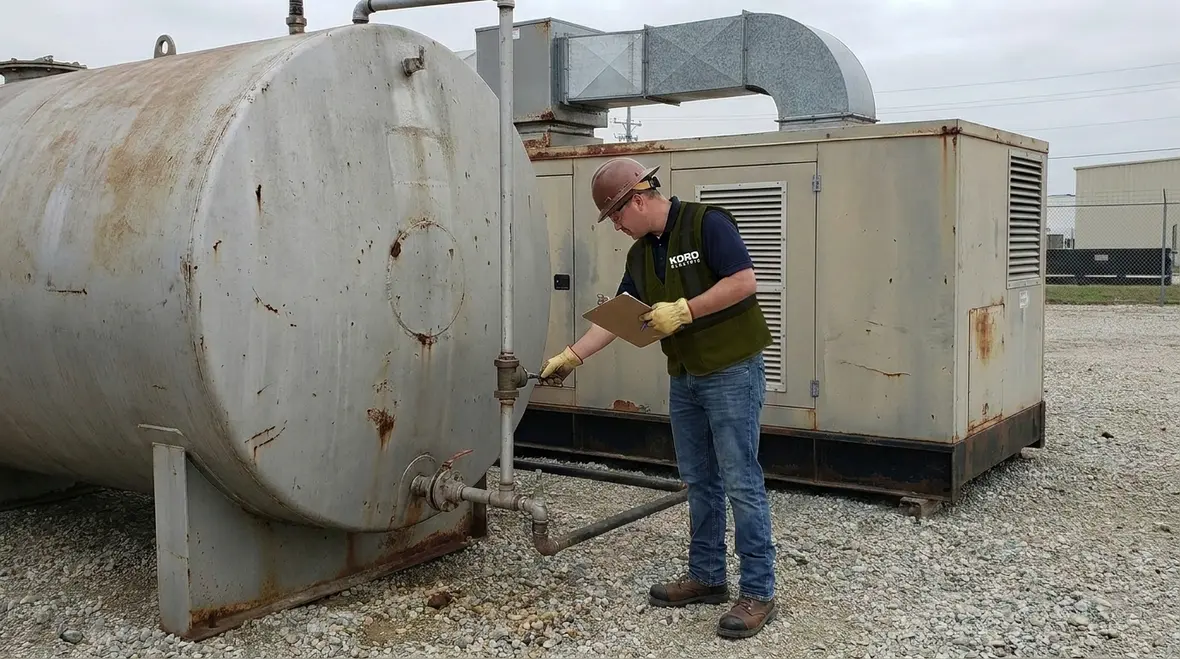
Many facilities focus on the generator itself and forget the rest, which is like buying a parachute and skipping the harness. Kord Electric treats the full package: fuel storage strategy, ventilation and exhaust considerations, and long term maintenance planning.
For fuel, we consider tank sizing, fuel quality controls, and the operational realities of your site. Then we evaluate delivery access and storage constraints. We also address how the system behaves during extended outages, because diesel conditions change over time and temperature. Good planning reduces risk during the exact hours when people stop thinking clearly.
Ventilation and exhaust need careful attention as well. We design to keep safe air movement and compliant discharge paths. Also, we confirm that the placement supports required clearances and service access. Maintenance planning ties everything together. Instead of a vague schedule, we build a plan tied to load testing, inspections, and component health. Our expert service staff explains what will be checked, why it matters, and how it helps reduce downtime. We often align these plans with structured maintenance frameworks like those highlighted in our overview of NFPA 70B electrical panels and switchgear maintenance, so your emergency backup power systems do not run on hope between outages.
And yes, we schedule maintenance like adults, not like “we will get to it after the next outage.” That approach saves money and protects operations.

Testing, monitoring, and training so staff know what to do
Resilience comes from more than hardware. Therefore, Kord Electric includes a testing approach and monitoring support that helps facilities detect issues before they cause failures. We set up routine exercises that confirm transfer performance, load stability, and system response. Then we log results so trends become visible over time.
Monitoring matters because subtle problems show up early. A generator may start, but voltage stability could drift. A transfer device may behave slowly under certain conditions. Fuel quality issues may begin quietly. Our team helps facilities watch the right data and understand what it means in everyday terms. For sites already dealing with nuisance trips or strange voltage swings, we often tie monitoring into a broader strategy similar to what we use in our voltage fluctuation repair services, so emergency backup power systems and utility feeds work together instead of pointing fingers at each other.
Training completes the circle. When our technicians walk facility staff through the system, they explain start sequences, alarm meanings, and operational steps during events. They also share best practices that align with real workflows. For example, they help teams understand how to confirm critical loads, how to avoid overloading during startup, and when to escalate to service support.
Because in the real world, emergency response requires calm decisions. Our goal is to make those decisions easier, not harder.
What choices affect cost and performance most in backup power projects?
Commercial and industrial budgets matter, and Kord Electric respects that. However, cost choices can either protect performance or quietly undermine it. The biggest drivers often include generator capacity, transfer design, distribution layout, and fuel strategy. We help clients weigh tradeoffs and avoid “cheap now, expensive later” outcomes.
Next, we discuss how load tiering can improve performance. When a facility only powers what it must, the system can maintain stability longer and reduce stress on components. Also, we review start-up sequencing for motor loads so the generator does not stumble during the first minutes of an outage. If the system handles those moments well, the entire emergency backup power system becomes more dependable.
We also consider redundancy and scalability for major property buildings with future expansions. If tenant loads grow, the facility may need expansion capacity or updated control strategies. By designing with the full lifecycle in mind, we reduce future disruptions and keep compliance aligned with the facility’s current operation. When needed, we mesh this planning with code and safety guidance, including the role that NFPA 70 and the National Electrical Code play in governing emergency and backup power systems for commercial buildings.
In short, we focus on smart decisions that protect the facility’s uptime, not on guesswork dressed up as a quote.
FAQ about emergency backup power for commercial facilities
For facilities with unique equipment and strict operational demands, Kord Electric reviews your load list and transfer requirements so your plan matches reality, not optimism. And if you have already experienced outages that did not go as planned, our field teams can perform a deeper review of standby performance and failure modes similar to the investigations described in our article on emergency power failures in commercial buildings.
Final words and next step with Kord Electric
When outages hit, commercial and industrial facilities need backup power that behaves like a professional: predictable, stable, and ready. Kord Electric builds and maintains emergency backup power systems with careful load design, dependable transfer architecture, and ongoing service that protects uptime. If you want a plan you can trust, we will walk your facility through the assessment and explain the options our technicians recommend. Contact Kord Electric today to schedule a review and get your next emergency plan off paper and into action.
If your facility is already dealing with unstable power, nuisance trips, or unexplained shutdowns, you can also explore our dedicated service options for emergency electrical services. Paired with well designed emergency backup power systems, these services help keep your operation steady during both planned work and unexpected events.