
Commercial Electrical Safety Audits for Facilities
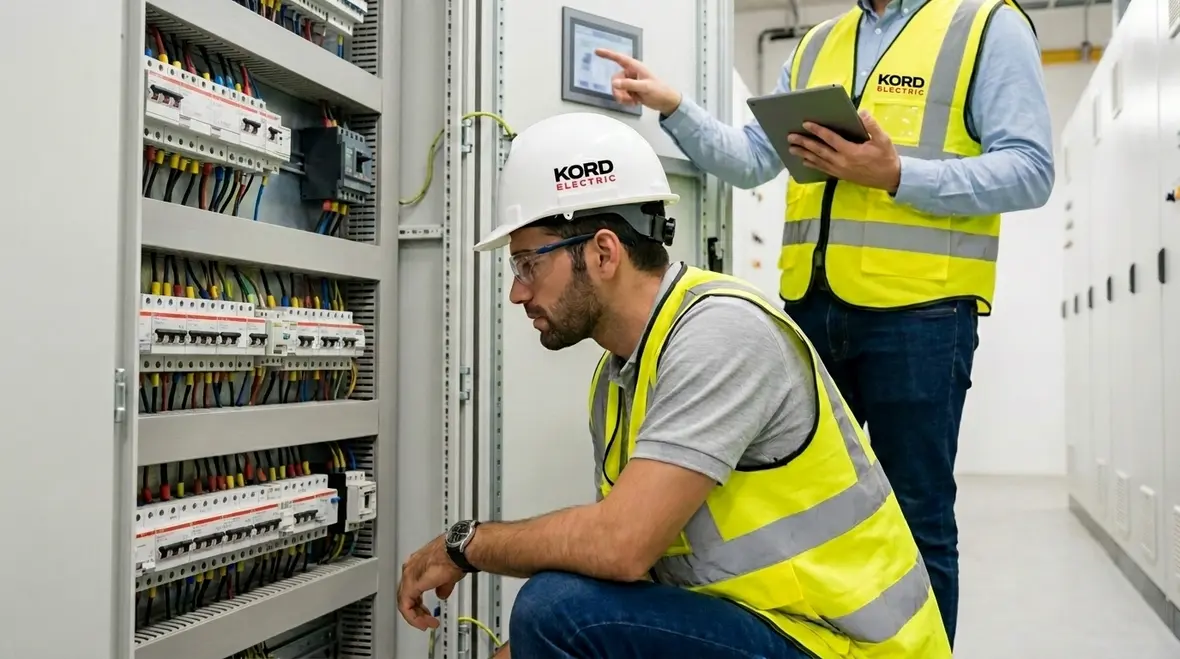
Kord Electric helps commercial and industrial facilities stay dependable with our commercial electrical safety audits. Early on, we focus on the real risks: damaged wiring, loose connections, overloaded circuits, missing labels, and electrical panels that look fine until they do not. Then, we document what we find, we explain the “why,” and we recommend fixes that match how your facility actually operates. Because yes, electricity can be dramatic, but it should not be surprising.
In this article, others learn why routine electrical safety audits matter, how our technicians and expert service staff guide teams through the process, and what a smart audit looks like in the real world of warehouses, offices, factories, and major property buildings.
What Routine Electrical Safety Audits Protect in Real Facilities
In a commercial or industrial setting, electrical systems work around the clock, under load changes, and through constant movement of people and equipment. Routine electrical safety audits protect more than “safety” as a word on a poster. They protect production time, tenant comfort, and asset value. They also protect the people who walk past switchgear, step into service corridors, and handle maintenance tasks every day.
Routine audits help us spot problems before they become outages or injuries. For example, a small issue like a loose terminal can create heat. That heat quietly grows over time. Then the failure arrives like a bad plot twist you did not ask for. And if you think a problem will wait until “after the busy season,” we have bad news. Electricity does not follow your calendar.
As we perform our commercial electrical safety audits, we focus on visible and hidden risks. We look for defects you can see, like worn insulation, corrosion, and damaged conduit. We also check for risks you cannot always spot, like connection quality and abnormal conditions. This combination matters because many failures start small and then accelerate.
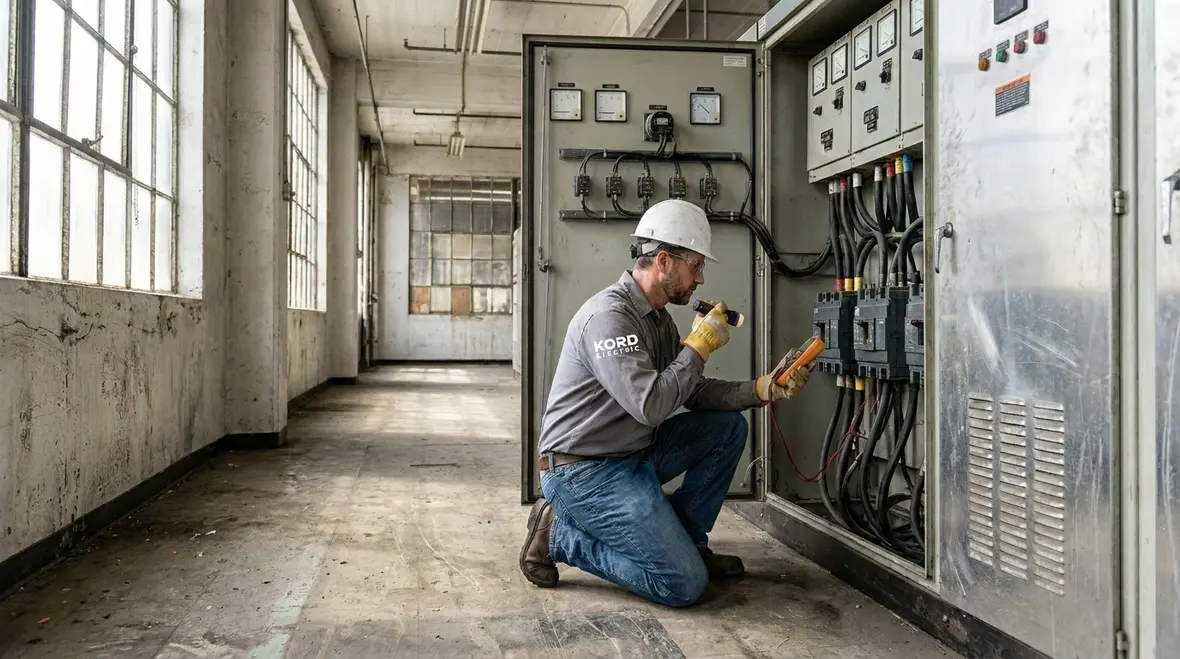
For facilities that want to connect these audits with broader compliance, Kord Electric’s guide to NFPA 70 explains how code expectations shape commercial installations and everyday decisions across panels, conductors, and overcurrent protection. That context helps teams understand why “almost correct” does not count when safety and uptime are on the line.
How Our Technicians Explain Findings Without the Mystery
Some companies hand over a report and walk away. That is not how we work at Kord Electric. Our technicians and expert service staff explain what we find in plain language. We translate technical issues into practical outcomes for facility managers, maintenance leaders, and safety teams.
For instance, we may show how a correction changes safe operation and reduces wear on equipment. Then we outline the next steps in the order that makes sense for operations. Instead of vague advice like “inspect further,” we provide a clear path. That way, others can schedule work during planned downtime, coordinate with stakeholders, and prevent repeat problems.
Additionally, we help teams understand how audit results connect to day-to-day behavior. If a maintenance team regularly repositions equipment, they need to know what that can do to cables and terminations. If contractors frequently add devices, we help you verify that changes follow safe standards. In other words, we do not just find issues. We help people prevent the next wave.
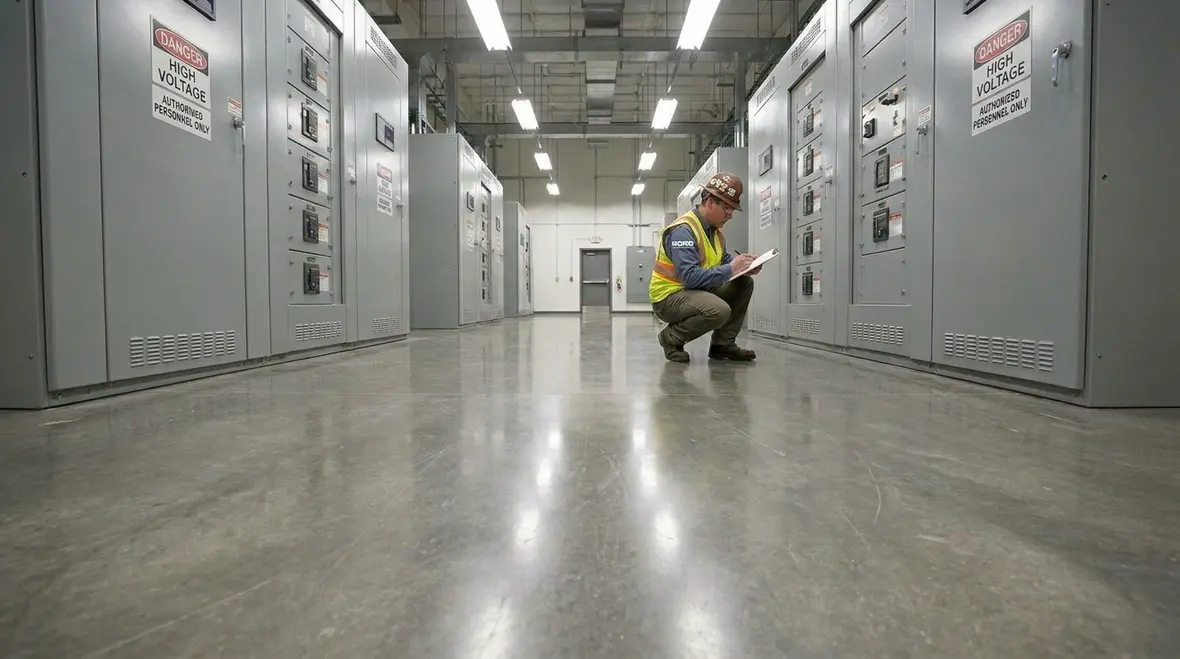
When a facility wants to connect audit results to longer-term planning, our articles on commercial electrical compliance and GFCI protection in California provide extra clarity on how day-to-day decisions align with code expectations and inspection outcomes.
Commercial Electrical Safety Audits Reduce Unexpected Outages
When people discuss “electrical safety,” they often think of hazards only. Yet safety and reliability move together in real facilities. Poor connections, damaged components, and wrong protective settings can lead to both unsafe conditions and unplanned shutdowns.
Commercial electrical safety audits help us identify early warning signs that cause nuisance trips, voltage dips, and intermittent equipment faults. Then we address root causes. For example, if a panel shows repeated breaker trips, we do not just reset and move on. We examine why the trips happen. Often the cause involves connection integrity, heat buildup, or equipment that draws more current than the system expects.
Furthermore, routine testing and inspection support consistent performance across seasons and operating patterns. If your facility changes load during peak periods, we make sure the electrical system remains fit for that reality. And if you have expansion plans, we can align audit recommendations with how growth will impact power demand. In short, we help keep the lights on and the process running.
For teams that want to turn fewer surprises into a plan, pairing commercial electrical safety audits with structured electrical preventive maintenance creates a continuous feedback loop between findings, scheduled work, and long-term reliability.
What a Strong Audit Includes for Industrial and Major Property Buildings
A strong audit does not treat every facility the same. It takes into account the building type, equipment layout, and how the site runs. In major property buildings, electrical systems often serve shared infrastructure, multiple tenant loads, and complex switching arrangements. In industrial facilities, systems may handle motors, conveyors, specialty machinery, and frequent changes in production.
So, we build our approach around what matters most to your site. Our commercial and industrial focus shapes the audit scope, which commonly includes visual inspections of panels, switchgear, grounding points, and wiring paths. We also evaluate labeling, access, and safe operating conditions. We review protective devices and identify conditions that suggest aging or improper installation.
Then, we document findings in a way that helps people act fast. We categorize issues by urgency and impact, so others can prioritize repairs that prevent safety risk and downtime. Also, we consider how your team will maintain and monitor the equipment after corrections. That part is often overlooked. However, a repair without a follow-up plan can become a repeat event. We help prevent that.
In larger campuses or coastal locations, these audits often intersect with broader safety planning, including corrosion risks, tenant responsibilities, and code-driven improvements that keep both shared infrastructure and individual spaces aligned with current standards.
Why Missed Repairs Become Costly Safety Problems
Facilities often delay fixes due to busy schedules and limited downtime. We understand that pressure. However, some electrical defects do not stay “small” when ignored. Heat, looseness, moisture, and repeated stress can worsen over time.
When others postpone repairs, they usually underestimate the chain reaction. A connection that heats can degrade insulation. Degraded insulation can increase leakage current. That can cause protective devices to respond more often or fail under demand. Meanwhile, the visible parts may look “mostly okay,” which leads people to keep working without realizing the risk has risen.
Routine audits interrupt that cycle. They help facility teams act before defects grow into emergency repairs. And emergencies cost more. They also disrupt operations in ways that planned maintenance does not. We would rather help you plan a safe repair window than show up after the system has already burned through your peace of mind.
Also, there is a compliance side to consider. Many facilities need documented attention to keep safety programs solid. Routine auditing supports that process with clear findings and recommended actions. In other words, audits support both safety culture and practical risk management.
How Often Should Facilities Schedule Safety Audits
There is no one-size plan that fits every facility. Still, routine electrical safety audits usually work best on a schedule that matches risk level, equipment age, and operational demands. Facilities with heavy industrial loads, frequent equipment changes, or older electrical infrastructure often need more frequent reviews. Facilities with newer systems and steady operations may need a different rhythm, but they still benefit from regular checks.
We help others select an audit cadence that makes sense for their site. We look at factors like how the building uses power, how maintenance teams operate, and whether past findings indicate recurring trouble. Then we align recommendations to what teams can manage without disrupting production or tenant operations.
If your facility experiences major changes, like equipment upgrades, panel additions, or tenant buildouts, an audit becomes even more valuable. Changes can shift loads and alter safety conditions. So, it is smart to reassess after the work, not just before it. As a result, you keep the electrical system aligned with how the site actually operates today.
For facilities across the region, especially those operating in and around Los Angeles, pairing regular audits with regional support such as Los Angeles County electrical services helps ensure local conditions, inspection practices, and real-world load demands all stay in sync.
Featured FAQ
Below are some common questions facility teams ask when they consider commercial electrical safety audits for their buildings.
Conclusion: Let’s Schedule the Next Safety Check
Routine electrical safety audits keep commercial and industrial facilities safer, steadier, and less expensive in the long run. At Kord Electric, our technicians and expert service staff explain findings clearly and help teams turn recommendations into action. If you want fewer surprises, more reliable operations, and better protection for people and equipment, we should talk. Contact Kord Electric to schedule an audit for your commercial or industrial facility, and let us help you stay ahead of the next electrical “plot twist.”
To connect audits with a broader reliability plan, many facilities blend commercial electrical safety audits with ongoing preventive maintenance, targeted troubleshooting, and regional support services tailored to how their buildings actually run, day and night.
If your operations are based in or around Los Angeles, dedicated Los Angeles County electrical services from Kord Electric provide a direct path from findings to fixes, backed by technicians who understand local codes, industrial timelines, and the everyday realities of keeping complex facilities powered safely.


