
Commercial Electrical Safety Upgrades for Business
Essential Electrical Safety Upgrades We Install for Small Businesses
When we look at commercial electrical safety upgrades for small businesses, we do not treat it like a box-checking exercise. We treat it like the difference between “it worked last time” and “it will keep working when conditions change.” In our experience, the right safety upgrades protect people first, then equipment, then your uptime, and finally your budget. And yes, we know that sounds like the order of priorities in every business training deck ever created. However, unlike those decks, we actually install the fixes.
In the sections ahead, our team explains practical upgrades that reduce shock risk, limit fire growth, improve fault handling, and make electrical systems easier to maintain for commercial and industrial facilities and major property buildings only.
Start With a Safety Baseline: What We Measure First

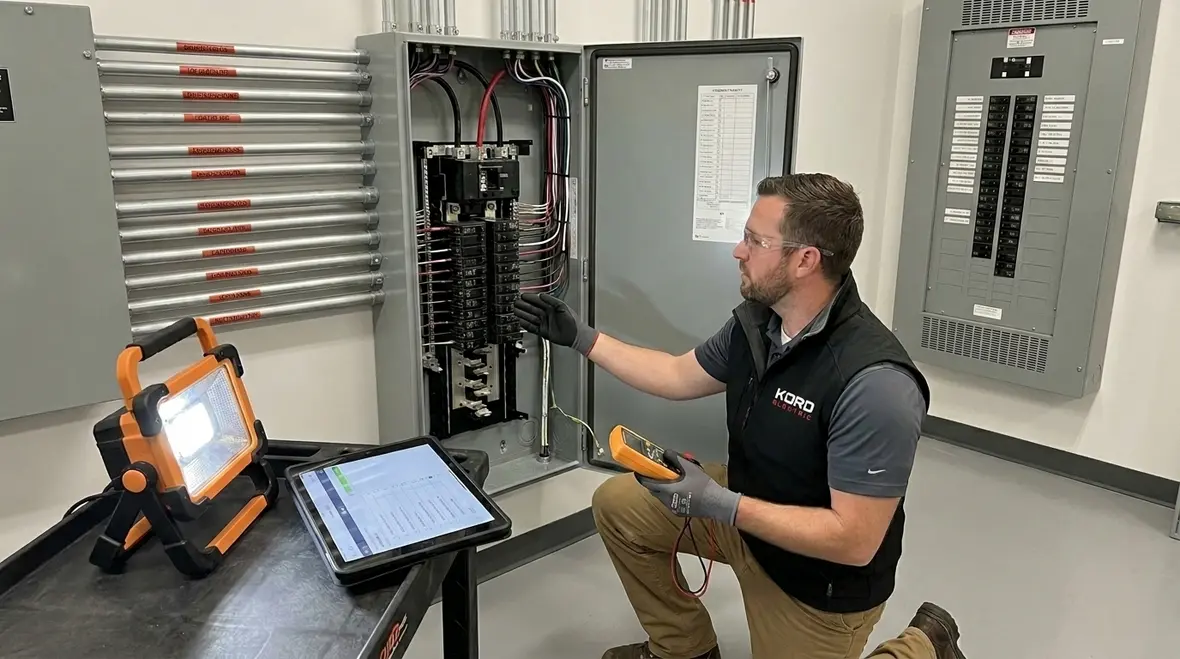
Before we recommend upgrades, we assess how your power system behaves during normal operation and during problems. That means we review distribution layouts, panel labeling quality, conductor sizing, grounding design, and protection settings. Then we look for weak points that show up in real life, like loose terminations, worn insulation, and equipment that was upgraded in pieces without updating the upstream protection.
Our technicians and expert service staff take time to explain what they find, not just what they fix. For example, when a building has multiple tenants, the electrical one-line and panel schedules often look like a mystery novel. Therefore, we verify circuit intent, identify what each breaker actually serves, and document changes in plain language that maintenance teams can use.
Next, we prioritize the safety baseline around three areas: shock prevention, fire prevention, and reliable fault clearing. If the system cannot clear a fault fast enough or safely enough, the upgrade plan becomes less about “prettier wiring” and more about life safety.
Upgrade Protection: Breakers, Grounding, and Fault Clearing
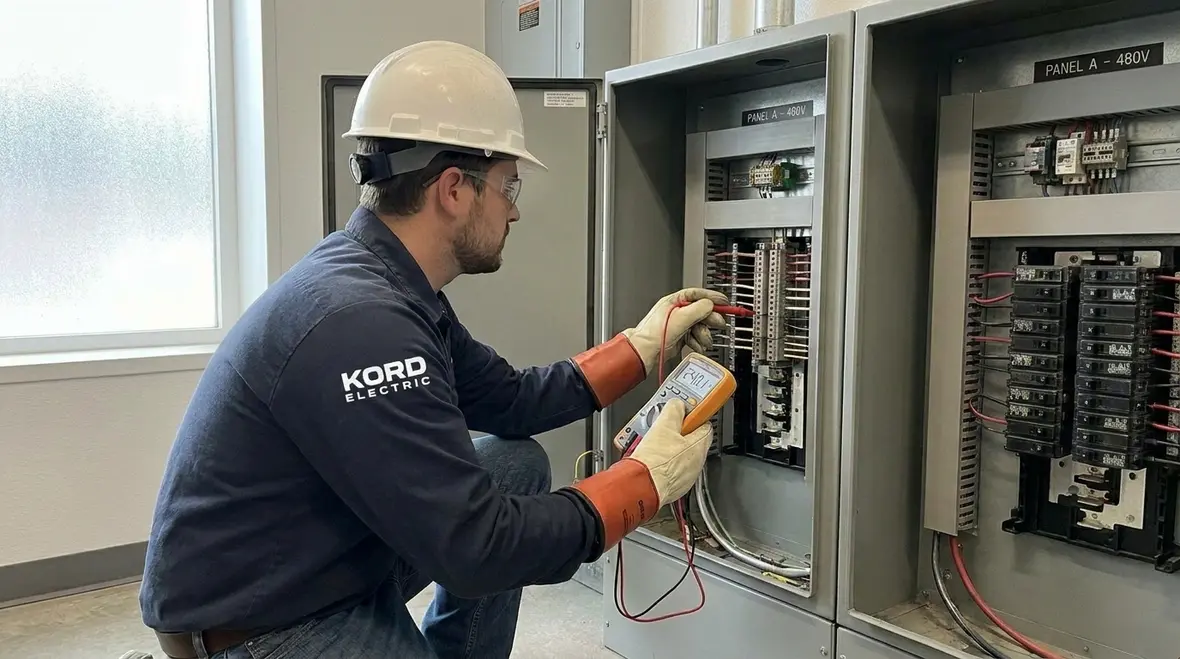
In commercial spaces, safety depends on protection working the way it is supposed to. We focus on breaker performance, proper coordination, and grounding continuity so faults clear cleanly instead of escalating into fires or damage that takes months to recover from.
First, we check whether protection devices match the load type. Some systems need the right sensitivity for equipment and wiring behavior. Then we confirm that grounding pathways remain continuous across panels, raceways, and equipment frames. Without solid grounding, fault current does not return as expected, and fault clearing can fail to happen on time.
We also pay attention to selective coordination, which means upstream and downstream protective devices work like a well rehearsed team. When a problem occurs in one area, only the closest device should trip. Otherwise, a fault in a small circuit can knock out entire floors, which is not exactly “business continuity,” it is just chaos with a better logo.
And if you are thinking, “We already have breakers,” we agree. Breakers are great when they are properly sized, tuned, and installed. We ensure they are.
Improve Panel and Connection Safety for Real-World Wear
Panels and connections are where many hazards hide, because they live under cover, behind doors, and inside the routine of “we will check that later.” Yet later comes faster than anyone plans. Over time, heat cycles loosen terminations, dust builds in equipment, and moisture finds weak seals.
Our technicians inspect and service incoming services, main breakers, bus bars, and feeder connections. We look for signs of overheating, contamination, and mechanical stress. Then we correct issues by tightening connections to proper torque specs, replacing worn components, and improving labeling so maintenance teams can act quickly during an emergency.
Just as importantly, we review cable management and segregation practices. When wiring routes blend in ways that increase heat buildup or expose conductors to damage, the risk rises. So we adjust routing and protection where needed, while keeping the building’s operational needs in focus.
In a commercial and industrial facility, the goal is not to stop every activity. The goal is to reduce hidden risk without disrupting critical operations longer than necessary.
Strengthen Surge and Transient Protection for Uptime
Many owners treat power quality like a background issue, but transients and surges can quietly damage control systems, sensors, and business-critical electronics. We recommend surge protection where it matches the building’s risk profile, including the points where sensitive loads connect to power distribution.
When our expert service staff explains these upgrades, we keep it practical. We explain that spikes can come from utility switching, nearby equipment starts, lightning exposure, and even internal motor cycles. Therefore, surge protective devices help clamp harmful voltage events and reduce the chances of repeated failures.
We also verify that surge devices integrate with existing grounding and protection design. If the electrical system cannot safely route energy to ground, surge protection becomes less effective. So we align the upgrade plan with the rest of the fault clearing strategy.
And yes, we have seen equipment fail “out of nowhere.” Usually it was never out of nowhere. It was just out of your measurement range until the damage accumulated. Like a bad plot twist in a superhero movie, it only looks random after it happens.
Build a Safer Electrical Infrastructure in Data Rooms and Equipment Areas
In major property buildings and commercial sites, safety upgrades often land where electronics concentrate: data rooms, telecom closets, generator transfer areas, and equipment bays. These spaces demand disciplined electrical infrastructure because a small issue can affect many systems at once.
Our approach aligns with the core principles we cover in our data center electrical infrastructure essentials guidance. We emphasize dependable distribution design, proper bus and feeder protection, clean and documented cabling, and safe routing that reduces stress on conductors. Additionally, we focus on correct labeling and maintenance access so staff can perform inspections without improvising.
We also coordinate upgrades with other systems, such as monitoring, emergency power, and heat load. Even though these topics overlap in real life, we handle them as part of one electrical safety strategy, not separate projects that never quite sync.
To keep it calm and clear: when electrical rooms are organized, protected, and easy to maintain, you reduce both hazard and downtime. That is the part people tend to overlook until they have a problem. Then suddenly everyone becomes a “data room person.”
Documentation, Training, and Ongoing Inspections That Actually Help
Safety does not end at installation. It continues through documentation, training, and recurring inspection. We help commercial facilities create a usable electrical record set, including updated one-lines, panel schedules, and notes from test results. Then we guide facility teams on how to interpret what the data means.
Our technicians explain operating procedures so maintenance teams know what to check and what not to touch during normal tasks. We also help refine lockout and verification steps so staff reduce risk when isolating equipment.
Next, we support an inspection cadence that matches building usage and load intensity. Some systems show early warning signs faster than others, especially in buildings that run many motor cycles, HVAC changes, or high duty equipment.
Finally, we encourage measured upgrades over time instead of emergency-only fixes. When we phase work, we keep operational impact controlled and align spending with safety outcomes, not just urgency.
Frequently Asked Questions
For owners who want to go deeper on risk reduction in larger properties, our overall approach aligns closely with the strategies we outline in our broader safety resources, including topics like hidden electrical risks and commercial and industrial electrical maintenance plans. When you combine smart maintenance with targeted commercial electrical safety upgrades, you build a safer and more predictable electrical environment over time.
If your facility is located in Southern California and you need a partner who understands complex buildings, our team can also support broader project scopes, from lighting and distribution improvements to reliability planning. You can explore how we support regional properties through our dedicated Los Angeles County commercial electrical services to see how safety upgrades fit into larger modernization plans.
Call Kord Electric for a Safety Upgrade Plan
We at Kord Electric help commercial and industrial facilities reduce risk with well planned upgrades that protect people, equipment, and uptime. If you want a clear baseline assessment and a practical path to safer power distribution, contact us. Our technicians and expert service staff explain the findings in plain terms, then we install the commercial electrical safety upgrades that match your building and your operating reality. Reach out today and let us handle the heavy lifting before the next electrical “plot twist.”
Whether you are addressing specific issues like nuisance tripping and unexplained shutdowns or planning larger improvements that align with initiatives such as lighting retrofits, commercial kitchen power upgrades, or solar panel integration, our commercial specialists build a roadmap that keeps safety at the center. The result is an electrical system that is easier to maintain, easier to expand, and better prepared for the unexpected.


