Prevent Electrical System Downtime in Commercial Buildings
Proactive Prevention Starts Before the Lights Flicker
At Kord Electric, we focus on preventing electrical system downtime by planning ahead, testing early, and fixing small problems before they grow teeth. We work with commercial and industrial facilities, and major property buildings, where downtime does not just “interrupt operations” but can quietly erase profits. When others wait for failure, we treat your electrical system like a high value asset that needs steady care. Because in the real world, outages rarely arrive with a warning label. They show up like a surprise pop quiz, except the consequences hit your production line, your elevators, your life safety systems, and your team’s confidence.
Third person perspective, but the mindset is ours: we build proactive strategies that reduce risk, shorten repair time, and keep power stable under real load conditions. And yes, our technicians explain things in plain language, because nobody should need a decoder ring to understand a breaker.
Why Critical Downtime Happens in Commercial and Industrial Buildings
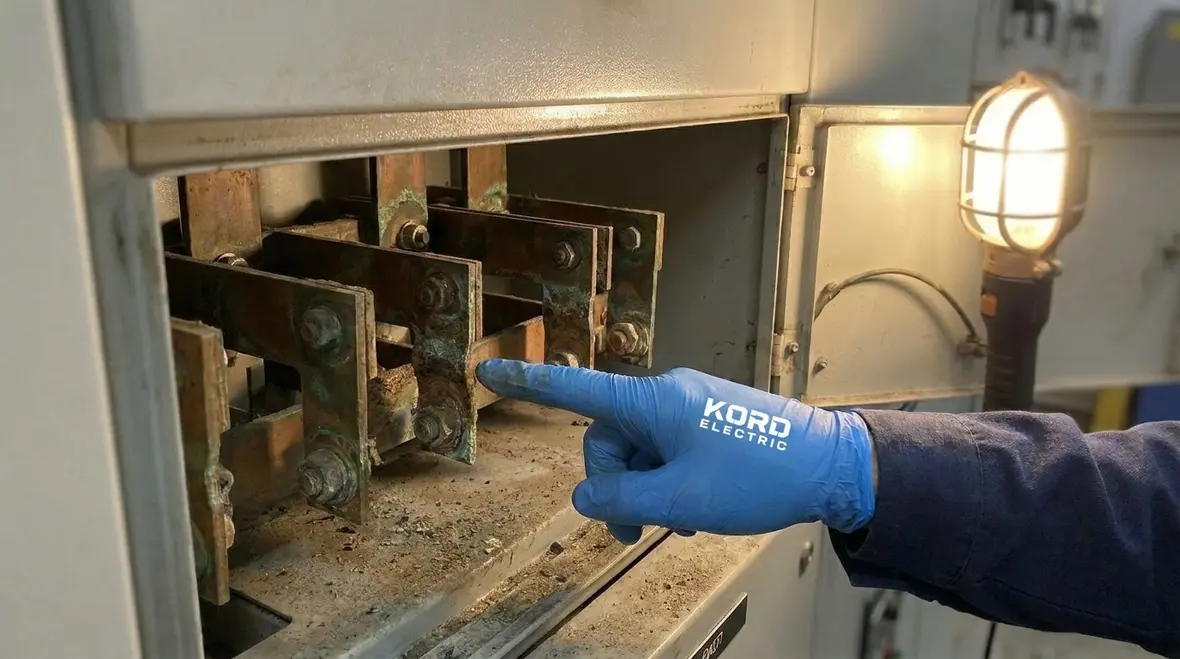
In commercial and industrial facilities, critical system downtime usually follows predictable patterns. First, equipment ages, but the real issue often starts earlier with degraded components. Next, minor faults accumulate until they trigger a protective device that trips, locks out, or escalates into a wider problem. Meanwhile, operational pressure keeps teams from scheduling downtime for inspections, so the system loses opportunities for early correction.
So, the path to failure is not random. It is a chain reaction driven by heat, vibration, moisture, harmonics, wrong load profiles, and maintenance gaps. Additionally, facilities that add new tenants, equipment, or expansions often change the electrical demand. Even if the building “feels fine,” the electrical system experiences stress. Then, when weather hits or when a peak load arrives, the weakness finally shows itself.
At Kord Electric, our service staff walks site leadership through these causes in a steady, no panic tone. We show what we find, why it matters, and what the next step should be, so decision makers can act with clarity instead of guesswork.
Risk Mapping and Load Planning That Prevents the Chain Reaction
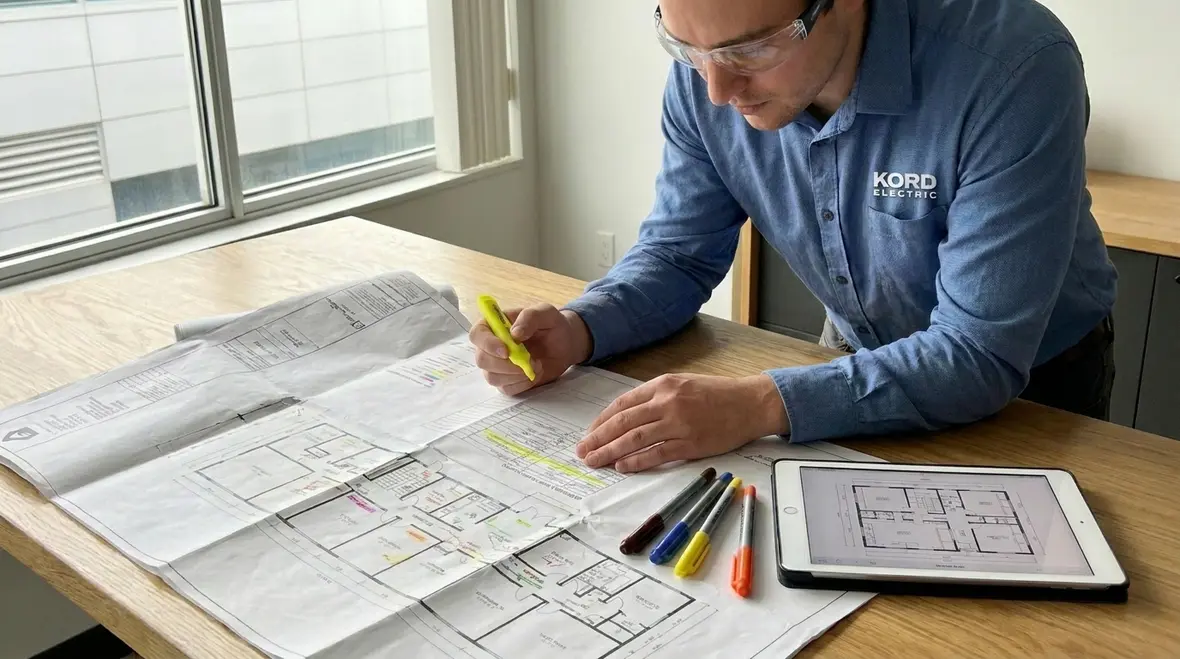
One of the strongest ways to prevent electrical system downtime is to map risk and plan load like a pro, not like a hope and a prayer. We begin by reviewing one line diagrams, historic event logs, and utility data, then we organize the system into critical zones. Those zones usually include switchgear, transformers, UPS systems, emergency power feeds, and life safety loads for major property buildings.
Then we validate the load story. We compare expected loads to actual demand patterns during daily and seasonal peaks. If the facility has production changes or tenant activity, we account for that too. After that, we look for imbalance, oversized or undersized components, and conditions where harmonics can overheat neutral conductors or trip sensitive equipment.
As we do this, we also plan maintenance windows and spare strategy. For example, we consider which components should have replacement options ready, and which test results indicate you should schedule downtime before the next surge event. In short, we help others build an electrical plan that stays practical under business reality, not just on paper.
Testing, Inspections, and Trending Data That Catch Problems Early
Inspections alone do not prevent failure. Testing with consistent methods and tracking results over time does. Kord Electric uses a proactive approach that turns maintenance into measurable outcomes. We focus on trends in temperature rise, insulation health, contact wear, and protective device behavior.
For switchgear and feeders, we prioritize data that shows deterioration before it becomes an incident. For example, we look at thermal performance and insulation condition through proper field testing. We also verify settings and coordination of protective devices, because improper coordination can allow a small issue to spread. Moreover, we evaluate how the system responds during simulated or controlled conditions, depending on what the building can safely support.
Our technicians do not just hand over reports. They explain the findings in plain terms, then they connect those findings to outcomes: what could fail, how it fails, and what maintenance step lowers the probability. That way, operations teams can plan confidently, and facility managers can fund what matters most.

Preventive Maintenance That Focuses on Critical Components
Preventive maintenance should not feel like checking boxes for the sake of it. We prioritize the components that drive uptime for commercial and industrial operations. Think of it like guarding the doors during a busy night, not repainting every hallway just because it looks dull.
Our proactive work typically includes inspection and service planning for the following critical areas, matched to the building’s risk level and operating schedule:
- Switchgear components and protective device conditions
- Transformers, cooling systems, and signs of thermal stress
- UPS systems, battery health, and power conditioning performance
- Emergency and life safety power transfer pathways
- Grounding and bonding integrity for stable fault protection
- Busbar connections and torque verification where applicable
In addition, we coordinate maintenance with operations so the site stays productive. When we need to schedule work, we explain the impact in advance. And if there is ever an urgent event, our emergency electrical services support is available, including the type of guidance and response outlined on our emergency page at https://kordelectric.com/emergency-electrical-services/. Because sometimes the best plan still meets the real world, and the real world likes to make things interesting, like a sitcom that will not stop running.
Training, Work Practices, and Human Error Proofing
Even with strong hardware, people create outcomes. We help reduce downtime risk by supporting good work practices, clearer procedures, and technician coordination. For major property buildings and industrial facilities, we help teams understand how to handle energized work boundaries, lockout and tagout steps, and safe test practices.
Additionally, we promote operational communication. If a facility plans equipment additions, we encourage early electrical review. Then, we update the load story and verify that protective devices still coordinate correctly. That prevents a common problem where new machinery shifts demand and causes nuisance trips during peak operation.
Finally, we support knowledge transfer. Our expert service staff shows technicians and facility leads what the system is doing and why it matters. When people understand the “why,” they take better care of the “what.” And that reduces the odds that a small mistake triggers a larger outage.
Emergency Readiness That Reduces Downtime When Plans Fail
No proactive program eliminates every risk. Equipment can fail, utilities can experience issues, and weather can surprise everyone. However, preventing electrical system downtime also means preparing for fast recovery when the worst happens.
We help facilities build an emergency readiness posture that supports quicker restoration and smarter troubleshooting. That includes defining response priorities, confirming where critical loads connect, and ensuring key documentation is accessible. We also discuss how to isolate faulted sections safely and how to verify power quality after restoration. In other words, we help others avoid the classic move of “flip it back on” and hope the system behaves.
When emergencies occur, Kord Electric supports commercial and industrial facilities with experienced response and practical guidance. To see how we approach emergency support, you can reference our emergency services. Calm recovery matters. We aim for it, because panicked decisions rarely protect equipment or people.
For facilities that want an even more structured approach to preventing electrical system downtime, pairing readiness planning with dedicated programs like electrical preventive maintenance services for commercial and industrial properties helps keep critical assets protected under real-world conditions.
And for organizations across the region that need a broad, capable partner, Kord Electric’s Los Angeles County electrical services provide a scalable path to reliable power, safer operations, and fewer surprises as buildings expand, add tenants, or modernize aging infrastructure.
FAQ
| Proactive Step | Downtime Risk Reduced |
| Testing and trending | Hidden deterioration and nuisance trips |
| Protection coordination review | Escalating faults and wider shutdowns |
| Emergency readiness planning | Slow troubleshooting and unsafe restart attempts |
Call Kord Electric and Keep Power Stable
If your facility runs on uptime, then proactive planning is not optional. Kord Electric helps commercial and industrial leaders reduce risk through load planning, critical testing, and preventive maintenance that protects the systems your business depends on. Our technicians explain findings clearly, and our service team supports both long range prevention and fast recovery when something goes wrong. Contact us today to schedule an assessment and build a plan that supports reliable power, safer operations, and fewer surprise outages.
Whether you manage a major property building, campus, or industrial facility, aligning your strategy with services like 24/7 emergency electrical support and structured maintenance programs gives your team a dependable path for preventing electrical system downtime instead of reacting to it.