Commercial Electrical Service Upgrade Signs
Kord Electric often gets the same question in different outfits: “Is our facility really outgrowing its power?” Most teams only notice when the lights flicker, equipment trips, or bill shock hits like a villain who skips the monologue. In the first 100 to 150 words, the practical signs show up fast: frequent breaker trips, voltage dips, overheating panels, dimming during peak hours, and rising energy costs that do not match production growth. When these issues appear together, the building starts acting like it is tired. And honestly, no one wants to run a commercial or industrial operation on “maybe the power will behave today” energy.
In this article, we explain how facility growth drives electrical stress, what an upgrade really means, and how our technicians guide commercial electrical service decisions with calm clarity. We also share a cost perspective from our Commercial Lighting Upgrade Cost Guide, because planning budgets should feel more like chess than like roulette.
Power strain shows up in everyday electrical behavior
When a commercial or industrial facility grows, the electrical system often grows late, like a sales team trying to keep up with demand using last year’s spreadsheets. Over time, demand increases across HVAC, motors, loading docks, refrigeration, data rooms, and lighting. Then, the system starts to show strain in ways operators can’t ignore.
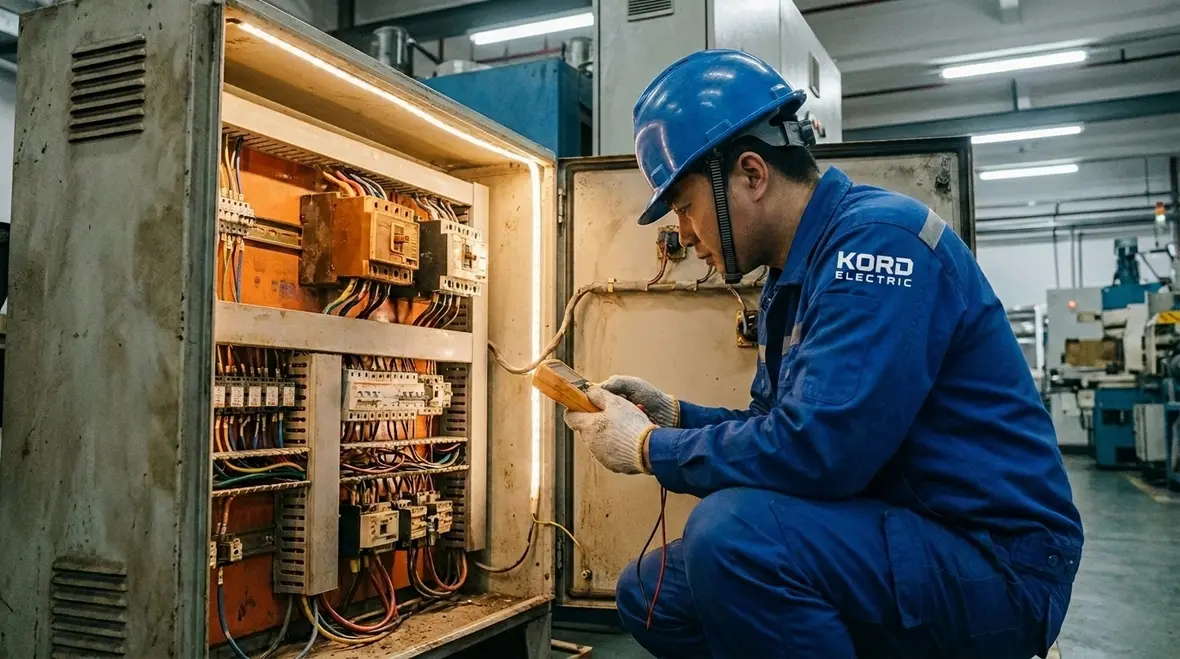
Here are the most common signs that point to a commercial electrical service upgrade is needed. First, circuit breakers trip more often, especially during shifts change or lunch rush. Next, staff sees lights dim when equipment starts, like forklifts, compressors, or large pumps. After that, panels feel warm, fans inside enclosures run longer, or you notice unusual buzzing. Finally, maintenance logs grow, and troubleshooting takes longer. That is not just an inconvenience; it is a reliability risk.
Our technicians at Kord Electric treat this as a systems problem, not a “swap a part and hope” situation. Because a building is a network, and electrical components do not fail in isolation. They fail as a chain reaction, much like a sitcom character stepping on the wrong stair and triggering a scene everyone pretends is fine.
How capacity limits develop as buildings expand
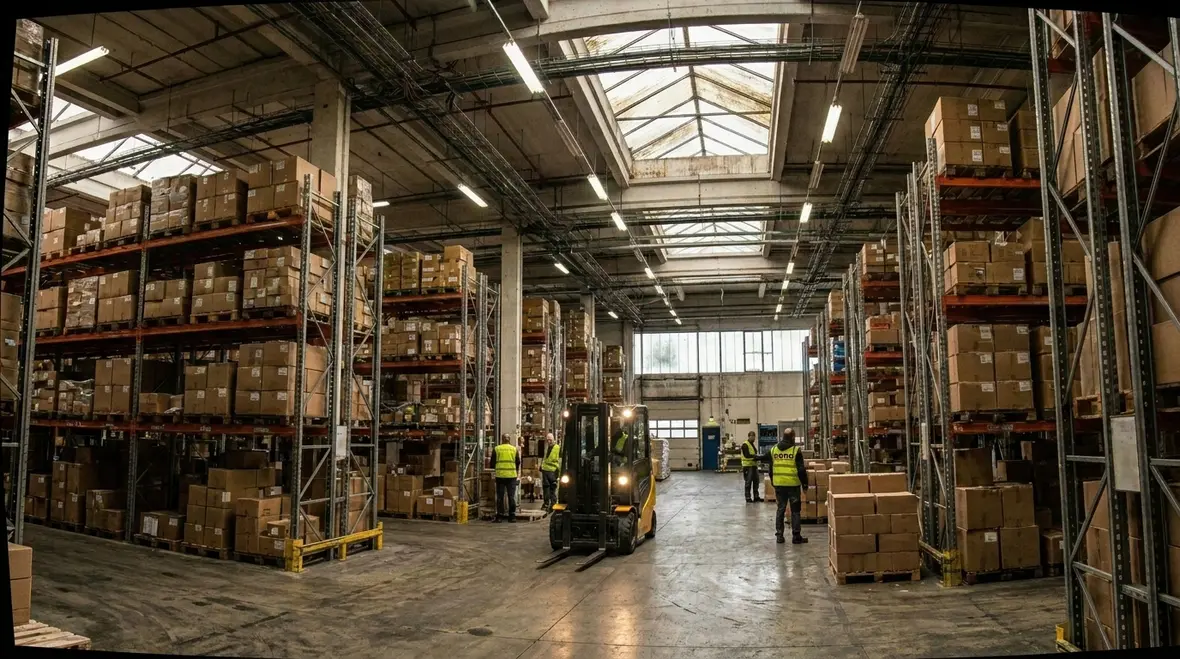
Commercial electrical service upgrade needs often surface when the facility adds load faster than the electrical design can handle. For example, a warehouse may add racking and increase motorized equipment. A manufacturing line may add new drives and controls. An office tower may upgrade tenant improvements, then add servers, charging stations, or more tenant lighting. Even “small” changes matter when they stack.
As demand climbs, several things happen. Conductors heat up. Voltage drops under load. Protective devices operate closer to their limits. Meanwhile, older equipment loses efficiency, and the system becomes less forgiving. If the building uses outdated wiring methods or undersized distribution, the problem escalates without warning.
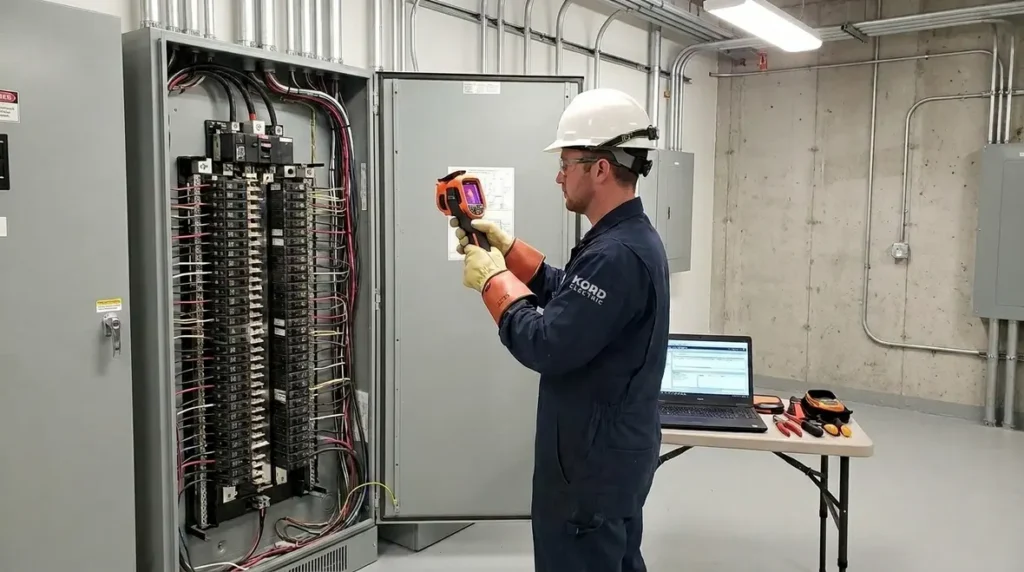
In many cases, the electrical room becomes a quiet hotspot. So, even if operations feel normal, the system works harder than it should. And when it works harder, it costs more. Electricity gets wasted as heat, and the facility pays twice: once in energy bills, and again in maintenance time. That is why we encourage facilities teams to review power capacity before issues become “emergencies with lights.”
Electrical safety and reliability risks that catch managers off guard
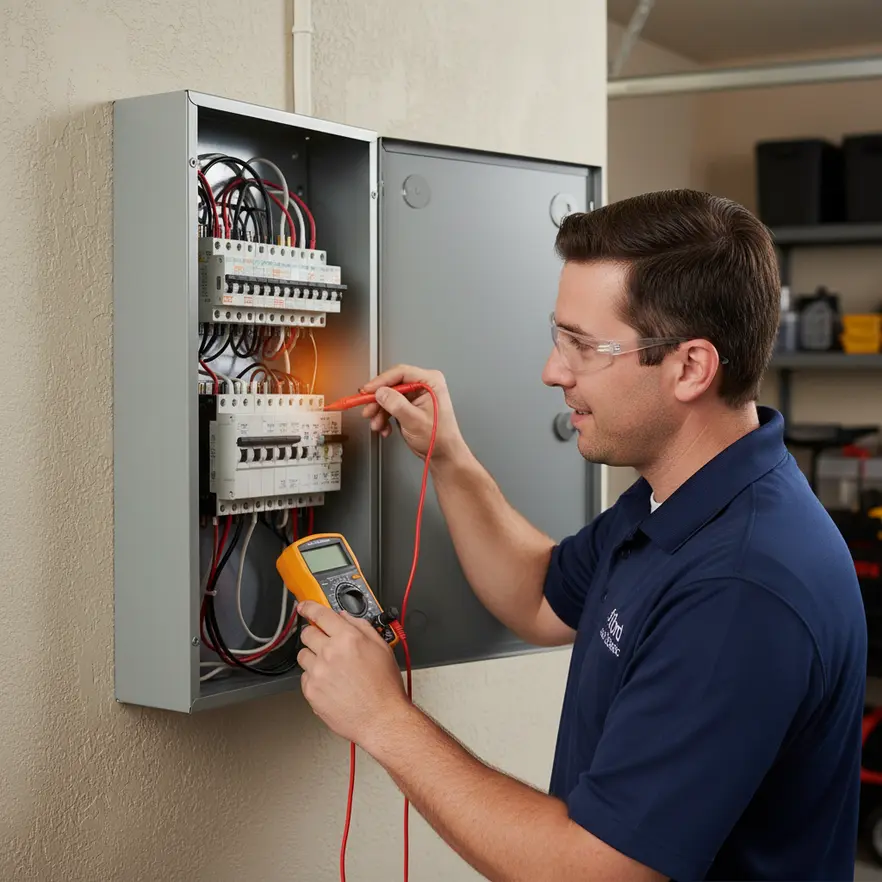
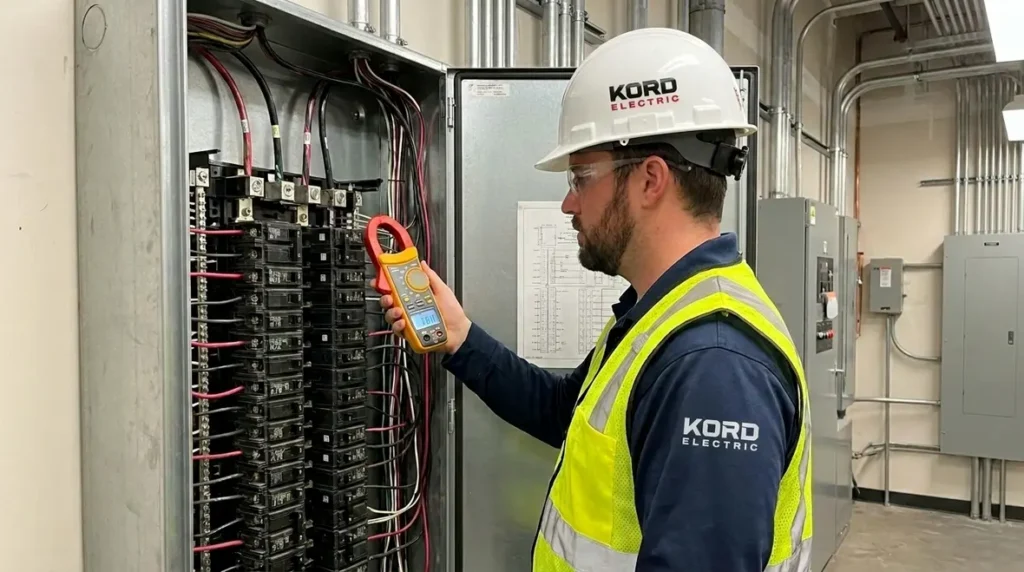
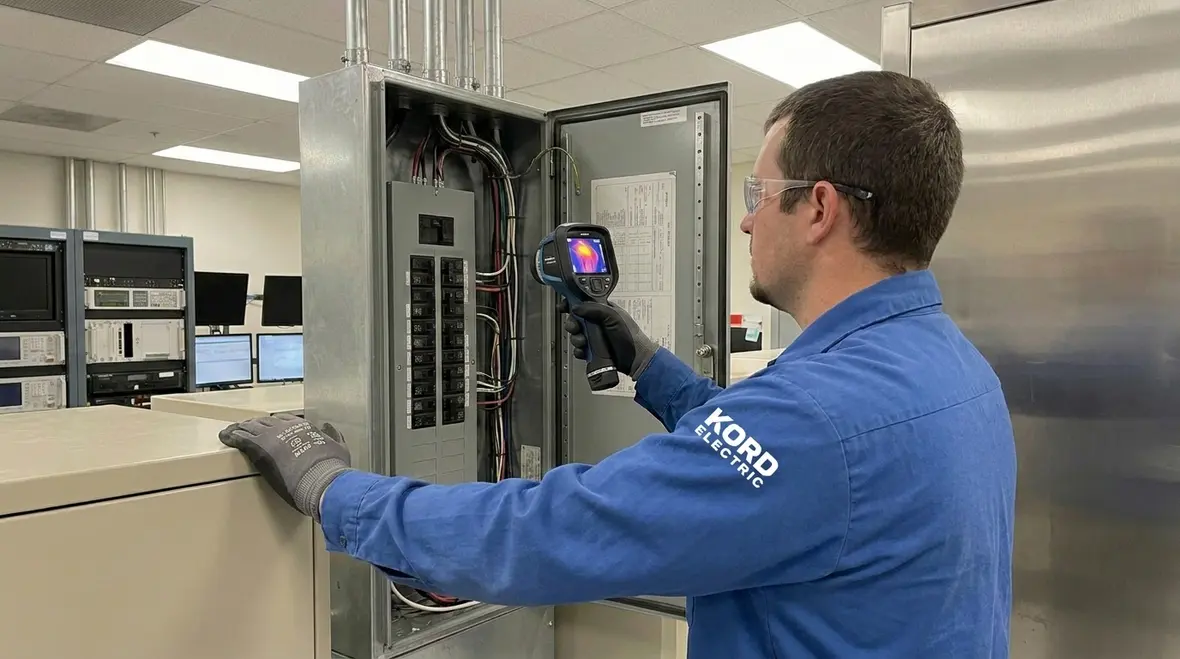
Reliability issues are annoying. Safety issues are expensive. Therefore, when facilities show repeated trips, hot panels, or inconsistent power quality, Kord Electric helps teams evaluate the risk level. We do not guess, because guessing in electrical work is how problems multiply.
When a building struggles with voltage stability, equipment can behave unpredictably. Drives may overheat. Motors may run less efficiently. Controls can reset. Additionally, poor power quality can create harmonics, which distort current and stress transformers and neutral conductors. That leads to premature aging, even if the equipment still “runs.”
Next, consider the protective system. If breakers operate too late or too early, it can reveal undersized ratings, worn components, or outdated selectivity. Our technicians check whether the protection strategy still matches today’s loads. Then they confirm whether grounding and bonding meet current safety expectations. In short, we aim to restore order to the building, like a conductor leading an orchestra before someone starts playing jazz in a classical performance.
Lighting upgrades can relieve load and improve performance
Lighting often becomes the first obvious upgrade, and it can also reduce electrical stress. LED retrofits lower wattage, improve control options, and support dimming or occupancy strategies. As a result, the building draws less power during peak operations, which can reduce voltage dips. Yet, we do not treat lighting as just a cosmetic project. We treat it as part of the power story.
Our Commercial Lighting Upgrade Cost Guide helps teams understand what drives pricing. For one facility, the cost changes based on how much replacement work is required, whether controls are added, and if the existing wiring or drivers need attention. For another, the schedule matters just as much as the fixture count. Delays can cost more than parts, especially in a facility that cannot shut down easily.
Here is the practical perspective: lighting upgrades can lower total load, but they also introduce new control loads and require proper electrical support. Therefore, we verify circuit capacity, confirm compatibility with existing panels, and ensure the upgrade does not create new imbalance issues. We also coordinate around operations, because our job is to reduce risk without disrupting output.
We keep the discussion honest, too. People sometimes expect a magic number for the upgrade cost, like the movie says there is always a single button that fixes everything. In real life, costs vary. Still, planning becomes easier when you understand the drivers and scope.
What a commercial electrical service upgrade usually includes

A true upgrade does not just “increase power.” It improves the way the building handles demand. Kord Electric typically evaluates and may recommend a mix of these elements, depending on facility conditions and load needs.
- Panel upgrades or replacements when bus ratings, breaker capacity, or component condition cannot support the current loads
- Transformer assessment and potential upgrades when voltage regulation or efficiency issues appear under real operating conditions
- Distribution improvements such as rerouting feeders, balancing phases, and correcting conductor sizing
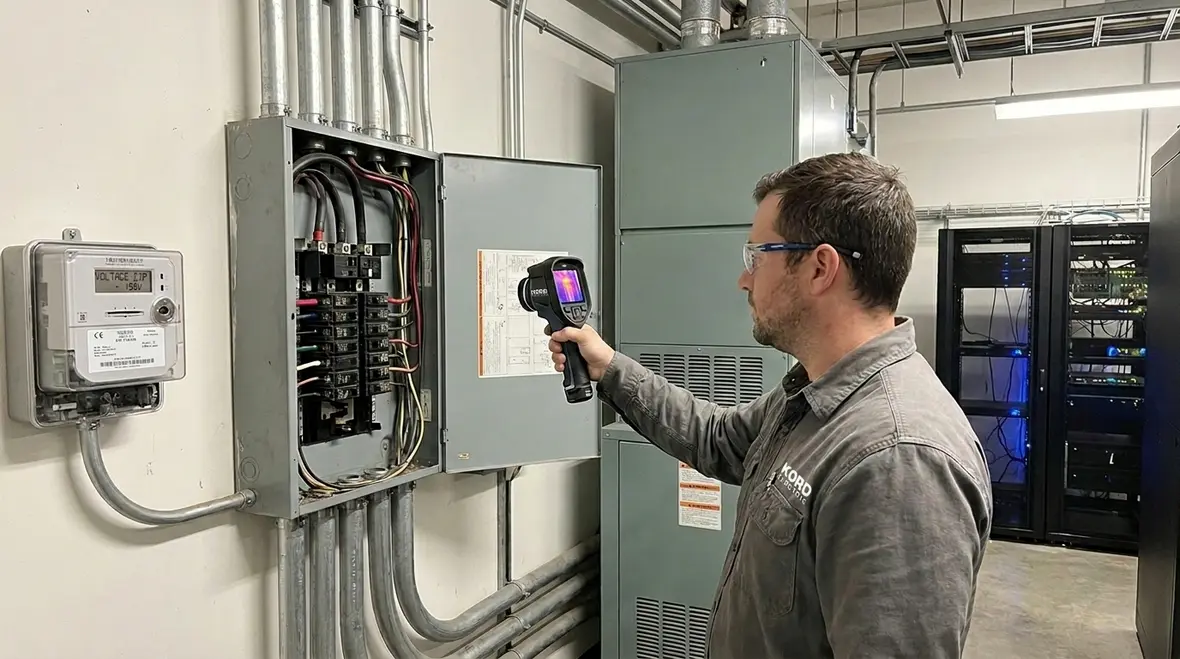
- Power quality checks, including harmonics evaluation, grounding validation, and load profiling
- Lighting and controls coordination so the electrical system supports reduced wattage and smarter switching
- Protective device review to improve selectivity and reduce nuisance trips
Additionally, our expert service staff explains options in plain language. That matters because teams make decisions faster when they understand why a recommendation exists. We often walk facilities managers through what we found, what it means, and what the system can handle after the work. Then we help outline an upgrade path that supports growth, not just repairs today’s symptoms.
Planning an upgrade timeline without shutting down operations
Facilities rarely have unlimited downtime, and power upgrades sometimes sound like they require a full building blackout. In reality, we build schedules that match operations. First, we coordinate site access, staging areas, and work windows. Then, we plan circuit work in sections so critical systems keep running as much as possible.
In addition, we review future load plans with the team. If the building plans expansion, EV charging growth, additional HVAC capacity, or new production lines, those needs guide the design approach. Otherwise, the upgrade becomes “better today, outdated tomorrow,” which is not the kind of investment anyone wants.
Finally, we document changes so maintenance teams have clear records. That helps future troubleshooting, inspection readiness, and long term reliability. Our technicians treat the upgrade as part of a larger maintenance strategy, not a one day event.
FAQ: commercial electrical service upgrade signs
Final word: act early and protect uptime
If your facility shows repeated breaker trips, unstable lighting, or rising energy costs, do not wait for the system to force the conversation. Kord Electric helps commercial and industrial teams plan the right commercial electrical service upgrade based on real load behavior, safety needs, and future growth. Our technicians explain findings clearly, so your leadership team makes decisions with confidence, not guesswork. Call Kord Electric today to schedule an assessment and build an electrical plan that keeps operations steady, not stressed.
For facilities that want to connect an upgrade with ongoing reliability, explore how structured electrical preventive maintenance services can support long term performance, inspections, and safety after the commercial electrical service upgrade work is complete.