Commercial Electrical Subpanel Capacity Guide
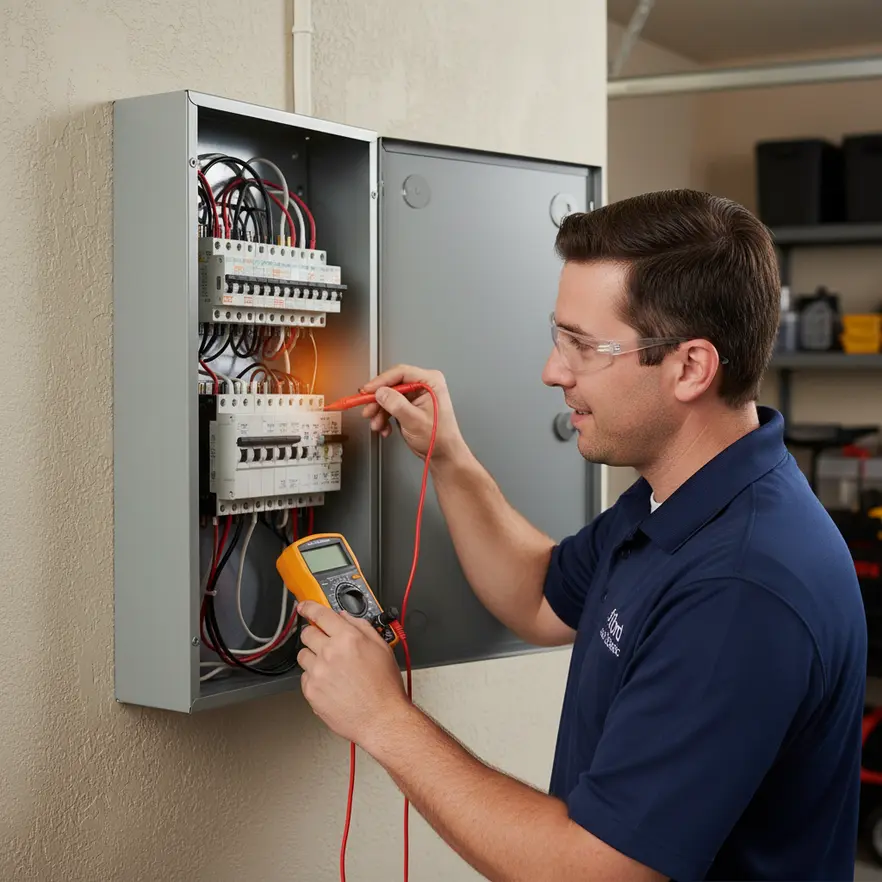
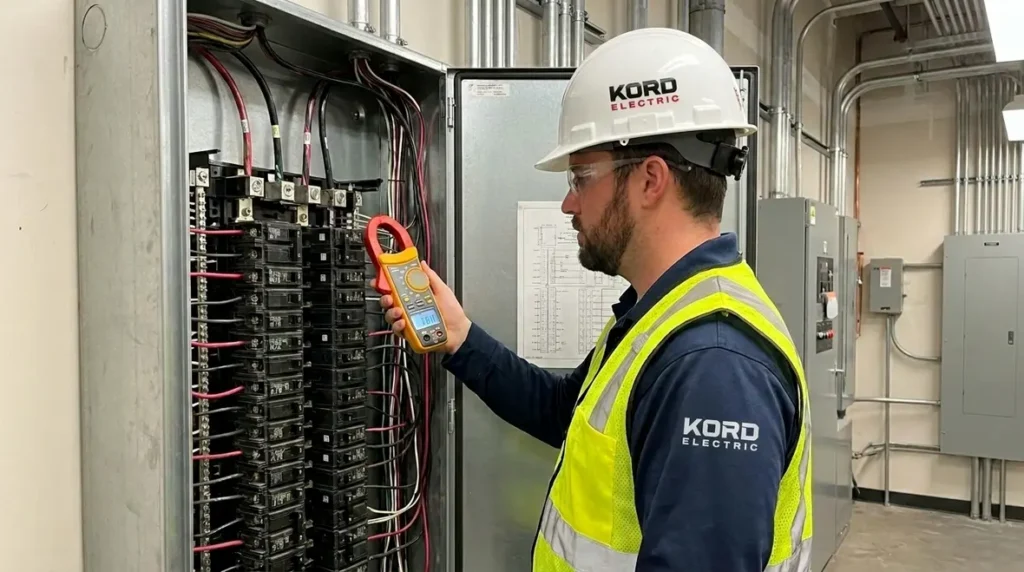
At Kord Electric, we help commercial and industrial facilities keep power steady, safe, and ready for growth. Before anyone adds loads or pushes your commercial electrical subpanel capacity beyond what it was meant to handle, we start with practical installation habits that our technicians use every day. We verify the panel’s available space, we confirm bus ratings and feeder size, and we keep wiring, labeling, and grounding clean and compliant. Then, we document the changes so the next team can troubleshoot without playing detective. After all, power issues do not care if it is Monday or Thursday, and neither do facility managers.
Assessing demand changes before you add loads
In our experience, the biggest mistake comes from waiting until equipment arrives and then hoping the subpanel can “just handle it.” However, the right time to plan is before the first new unit runs. Facilities often add HVAC units, refrigeration, EV chargers, production tools, or tenant improvements. Therefore, we ask others to map expected changes in load, runtime, and start up behavior. Motors and compressors can pull more current at startup, and that surge can stress components even if normal steady use looks fine on paper.
Next, we review the facility’s operating profile. Is production constant, or does it ramp up during certain hours? Do systems cycle together? Then we compare that reality to the breaker sizes, cable ampacity, and panelboard limits already in place. At Kord Electric, our expert service staff explains what the numbers mean in plain language, because nobody wants a “mystery brownout” that shows up like a horror movie sequel at 2 a.m.
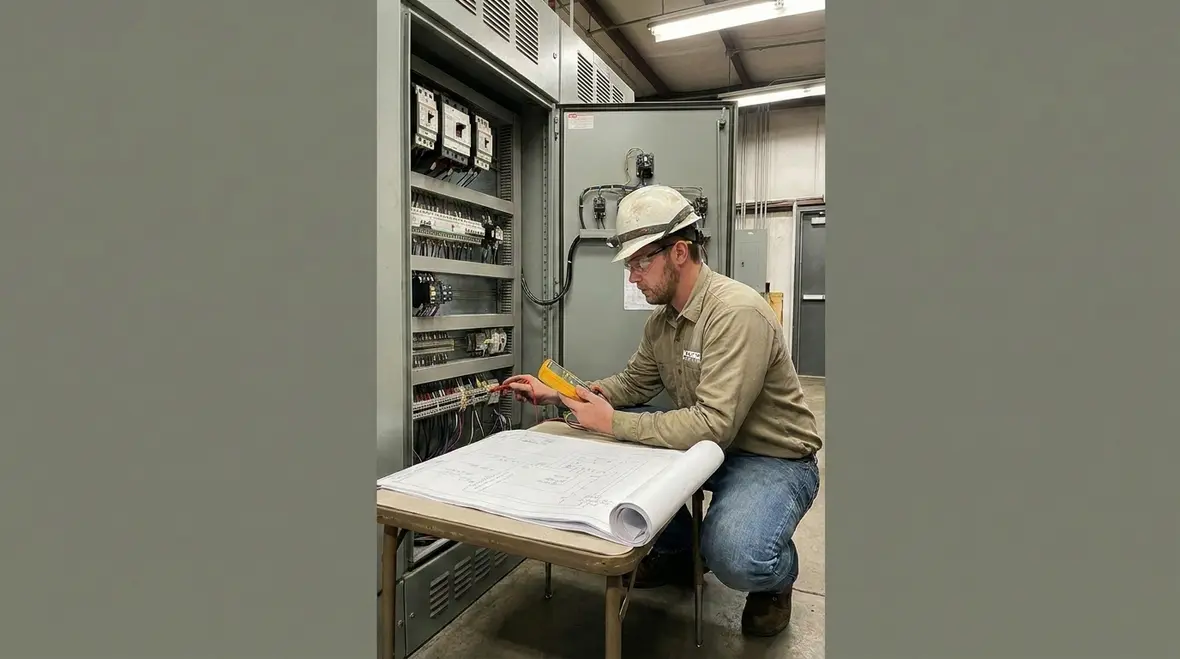
Understanding subpanel limits and what “capacity” actually means
A subpanel is not only a box with breakers. It is a complete set of parts with ratings that work together. So when capacity looks tight, we examine the whole system: the service conductors, the feeder, the bus bars, the breaker types, and the terminations. Additionally, we confirm whether the existing subpanel is a proper match for the downstream wiring layout.
If the feeder is undersized, you can add more breakers all day, and the limiting factor will still show up at the worst time. Likewise, if the panel bus or main disconnect cannot carry the updated load, you risk heat buildup and voltage drop. Our technicians focus on safe margins, because “close enough” in an electrical room is like using a paper umbrella in a storm. It might look cute, but it will not last.
To support that approach, we align our planning with structured maintenance thinking. In fact, our commercial and industrial electrical maintenance plans help facilities reduce surprises by keeping inspections, testing, and documentation on track. When demand changes, that history becomes a guide, not a guess.
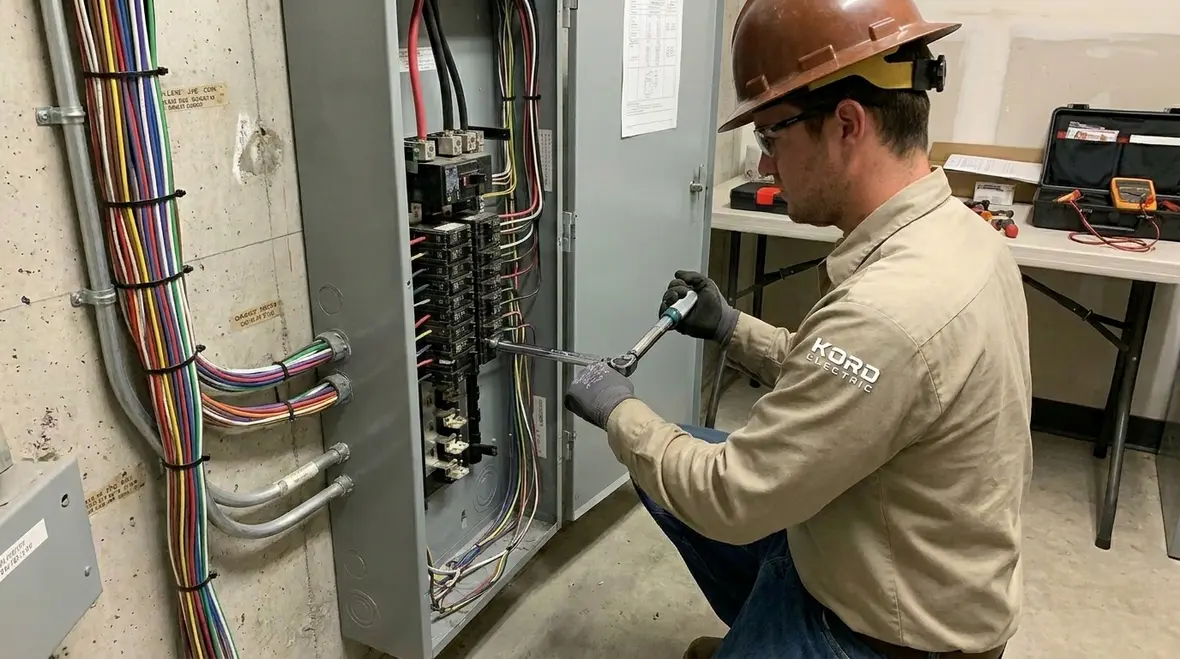
Electrical safety and code compliance that prevents future headaches
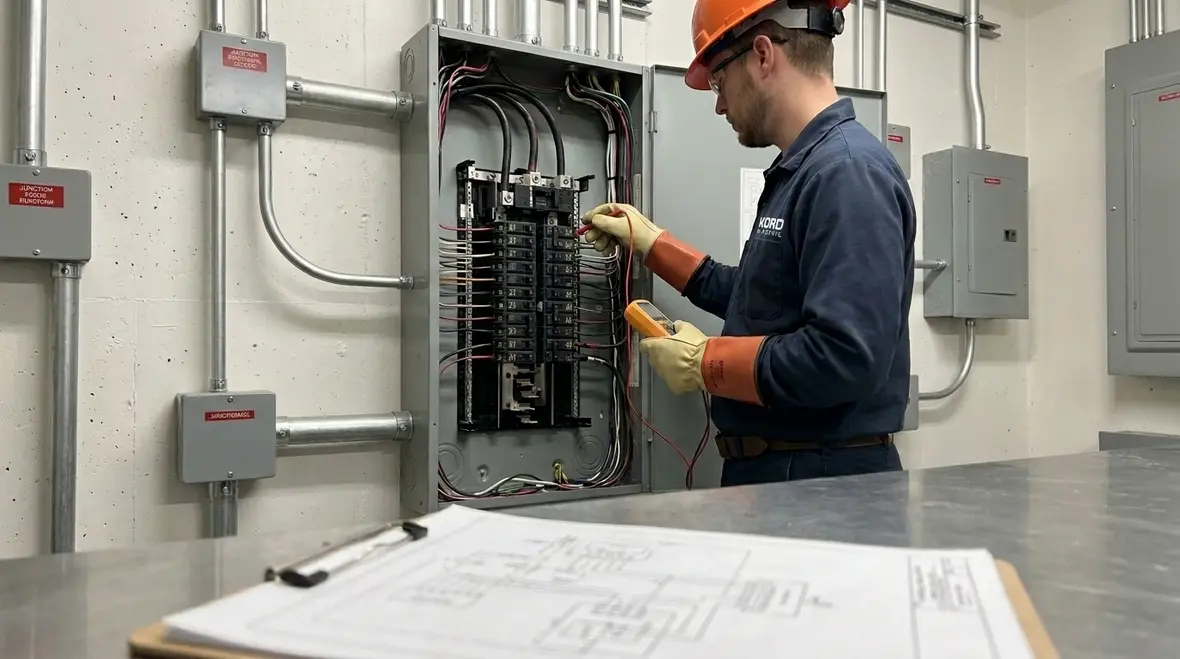
Before expanding any subpanel capacity, our team treats safety as the main goal. We follow requirements that govern overcurrent protection, conductor sizing, grounding, and labeling. Then, we verify that the installation will stay safe under normal and fault conditions. This step matters because a rework done quickly often leaves hidden risks behind.
For example, adding breakers without checking torque on terminations can lead to loose connections that heat up over time. Therefore, we inspect connections, verify conductor terminations, and ensure correct wire routing. Moreover, we confirm that the panel layout and working clearances match the facility’s electrical room realities. You cannot safely service a panel if the space is blocked by storage or if equipment access is limited. Facility teams often discover this after something fails, and then everyone acts shocked. They should not be shocked. They should have asked early.
Load studies, breaker sizing, and the startup reality of motors
A strong plan uses more than a simple count of devices. Instead, we perform practical load analysis that considers how equipment starts and how long it runs. When motor loads start, current can spike several times the running draw. Consequently, the breaker trip curve, bus rating, and feeder capacity all matter. If a facility upgrades equipment, the same panel that handled older tools may now struggle during peak startup windows.
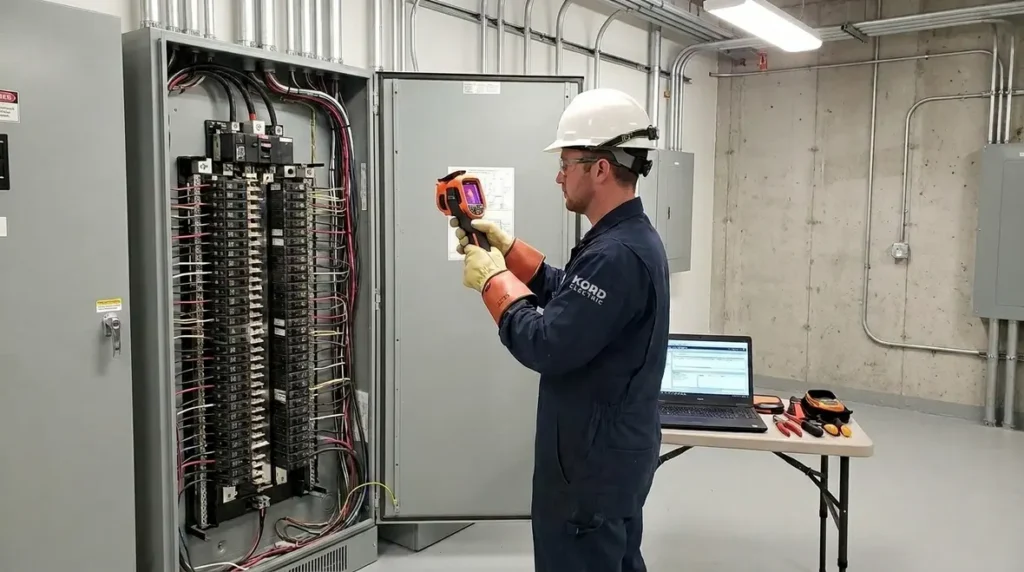
Next, we align breaker sizing with actual conductor ampacity and equipment specs. Our technicians explain how to select protective devices so that they protect wiring and equipment without nuisance trips. We also look at harmonic effects if the facility uses variable frequency drives or high power electronics. Those factors can increase heating and stress components beyond what a basic calculation shows.
While the math can feel like a late night math class that nobody asked for, we keep it readable. Then, we present recommendations with clear reasons, because decision makers deserve facts, not fear.
Physical space, wiring paths, and service room constraints
Capacity expansion often fails at the physical level. Space in the enclosure, mounting limits, and routing paths can restrict what a team can do. So we check whether the panel has spare slots, whether the door can close without strain, and whether the wiring layout stays neat and serviceable. We also evaluate how cables enter and exit the enclosure, because sharp bends and cramped routing can wear conductors and complicate future maintenance.
Additionally, we consider how the subpanel expansion affects airflow and heat. Electrical rooms need proper ventilation, and components must not sit trapped in a hot pocket. Our technicians also inspect labeling and identification. If breakers and circuits do not match the facility’s panel schedule, maintenance becomes slower, and troubleshooting costs rise.
When needed, we help the facility choose the most practical path: adding capacity within the existing subpanel, reconfiguring circuits in a safer way, or planning a panel upgrade that preserves system reliability. We choose the option that protects uptime, not the one that looks cheapest on day one.
Maintenance planning before and after the upgrade
Even a correct expansion needs ongoing attention. Therefore, we plan inspections that match the updated load profile. Our approach connects to the idea behind our commercial and industrial electrical maintenance plans, because maintenance should not be random. When we expand capacity, we take measurements and document key details, so the next check can spot changes early.
In many facilities, the post install phase gets rushed. However, that is when we verify performance and confirm that no new hot spots or faults appear. Our expert service staff may recheck terminations, confirm breaker function, and review whether any circuit labeling needs correction. Then, we update the panel records so others can maintain the system without guesswork.
Just like a restaurant updates its menu after a new supplier arrives, a facility should update its electrical records after an upgrade. Otherwise, the building runs like it has a staff that forgets the specials every shift.
Budget, downtime, and risk management for commercial projects
Owners and managers often ask about cost first, but good electrical planning starts with risk. The timeline matters. Therefore, we plan for load transfer needs, shutdown windows, and how other systems will behave during work. In many commercial and industrial facilities, you cannot just “turn it off and hope.” So we schedule work to reduce disruption and we coordinate with site teams.
Then we discuss what is included in the expansion. For instance, a true capacity upgrade might include feeder adjustments, new conductors, labeling updates, and replacement of outdated components. If someone skips these steps to cut corners, the facility may pay later through equipment stress, call backs, or higher operating risk.
Our technicians also help others think beyond the immediate job. We consider whether future growth is likely, and we recommend an approach that supports long term reliability. That means fewer emergency changes and more planned work that keeps operations stable.
When to choose a panel upgrade instead of adding breakers
Sometimes expanding the subpanel is the right answer, and sometimes the bus, feeder, or enclosure simply cannot support the goal. When the available space is too limited or the system limits create unsafe margins, we recommend a panel upgrade. This choice can cost more upfront, yet it often reduces total risk and improves service flexibility.
In other cases, the panel design makes it difficult to maintain. For example, if the enclosure is crowded, access becomes a problem. Additionally, if there are signs of aging, corrosion, or repeated thermal events, a replacement may be the safer path. Our expert service staff helps clients weigh options based on system condition, current performance, and how the facility will grow.
In short, we choose what keeps the site dependable. We do not chase shortcuts, because in commercial and industrial power systems, shortcuts tend to come with an invoice that arrives later, dressed up as “unexpected repairs.”
FAQ for commercial electrical subpanel capacity planning
Conclusion and next steps with Kord Electric
If your commercial facility is growing, we recommend planning subpanel capacity changes before the load arrives. Kord Electric brings technicians who check the full system, not just the breakers, and we explain findings in a way your team can act on. When others want dependable uptime, we help them choose the safest route through studies, code focused installation, and maintenance aligned to the new demand.
For facilities that want a broader view of site reliability, you can also explore how our Los Angeles County commercial electrical services support panels, distribution, lighting, and upgrades across large properties. Aligning commercial subpanel work with a wider service strategy helps protect uptime and simplifies long term planning.
When you are ready to talk through commercial subpanel capacity, risk, and future growth, our team is here to help you compare options and schedule work windows that respect your operations. Call Kord Electric to schedule an onsite review and get a clear plan that keeps your power steady and your schedule intact.