Commercial Electrical Subpanel Maintenance Guide
Commercial Electrical Subpanel Maintenance starts with proactive inspections
At Kord Electric, we take Commercial Electrical Subpanel Maintenance seriously because commercial and industrial systems do not get a second chance when something fails. In the first 100 to 150 words, we will say it plain: proactive inspections on commercial electrical subpanels help prevent downtime, protect equipment, and keep safety risks from turning into headlines. Our expert service staff approaches each site with calm focus, the kind that makes you feel like the work is being handled by people who have seen it before. Because they have. And because if your subpanel is acting like a mystery box, it is usually not the fun kind.
What proactive inspection means for real commercial subpanels
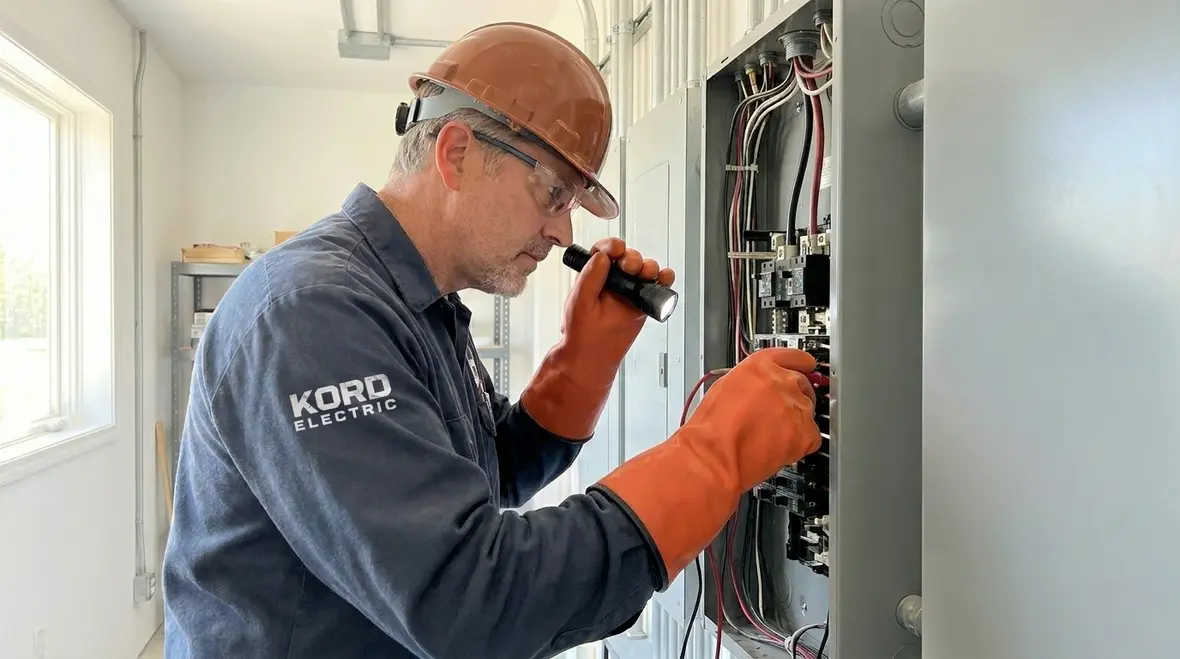
Proactive inspection is not just a quick look and a shrug. Instead, others can treat a subpanel like a filing cabinet and move on. We do not. We inspect the system in a way that catches wear early, before it causes overheating, nuisance trips, or damaged conductors. First, our technicians follow a step by step plan that focuses on the conditions you cannot always see. Then we document findings and recommend targeted corrections.
In practice, proactive work means we check torque on terminations, inspect bus bars and breakers for discoloration, evaluate labeling and circuit identification, and verify that protective devices match the load they serve. Furthermore, we review how the panel behaves under normal operation and compare it to what the facility expects day to day. If something looks off, we dig deeper rather than guessing.
Where technicians focus during a subpanel walkthrough

When our team arrives on site, we treat the subpanel like it is the nervous system of the building. To keep it reliable, we inspect several areas in a clear order. And yes, we use tools. Lots of tools. But we also use experience, which is the tool nobody can buy in a box.
1) Physical condition
We examine the enclosure for corrosion, moisture signs, and dust buildup. Next, we look for loose covers, damaged knockouts, and staining that can hint at heat events. Also, we check cable entry points for strain, abrasion, and proper sealing where required.
2) Terminations and connections
Then we inspect breaker connections, neutral bars, and ground bars. We look for evidence of overheating, oxidation, and uneven wear. After that, we verify that connections are tight to the correct specification. If a connection has been disturbed during a recent tenant upgrade, we catch it before the next load change makes it worse.
3) Identification and circuit labeling
Many facilities lose time because circuits are misidentified. Therefore, we confirm directory accuracy and update labeling when needed. This simple step prevents the wrong disconnect from being pulled during troubleshooting and keeps maintenance work safer and faster.
How inspections prevent heat, arcing, and nuisance trips

Commercial and industrial subpanels face constant demand changes. As new equipment turns on and off, loads shift. Consequently, conditions that seem normal today can become risky later. Our technicians focus on the hidden drivers of heat and arcing. One common issue is loose or degraded terminations, which can raise resistance and cause localized overheating. Another issue is mismatched protective settings, where a device trips too often or does not trip when it should.
We also check for signs that breakers and bus work are not sharing load evenly. When phases drift in performance, the system can run hotter than expected. In addition, we verify that neutrals and grounds are configured correctly for the facility’s wiring scheme. When these fundamentals are wrong, everything else feels unreliable. And nobody wants their electrical system acting like a drama queen.
Testing steps our expert service staff performs safely

Inspections must be safe, and they must be thorough. To do both, our expert service staff uses a controlled process that fits commercial timelines and building rules. First, we coordinate with the site contact so work does not disrupt critical operations. Then we apply testing methods that confirm equipment condition rather than just appearance.
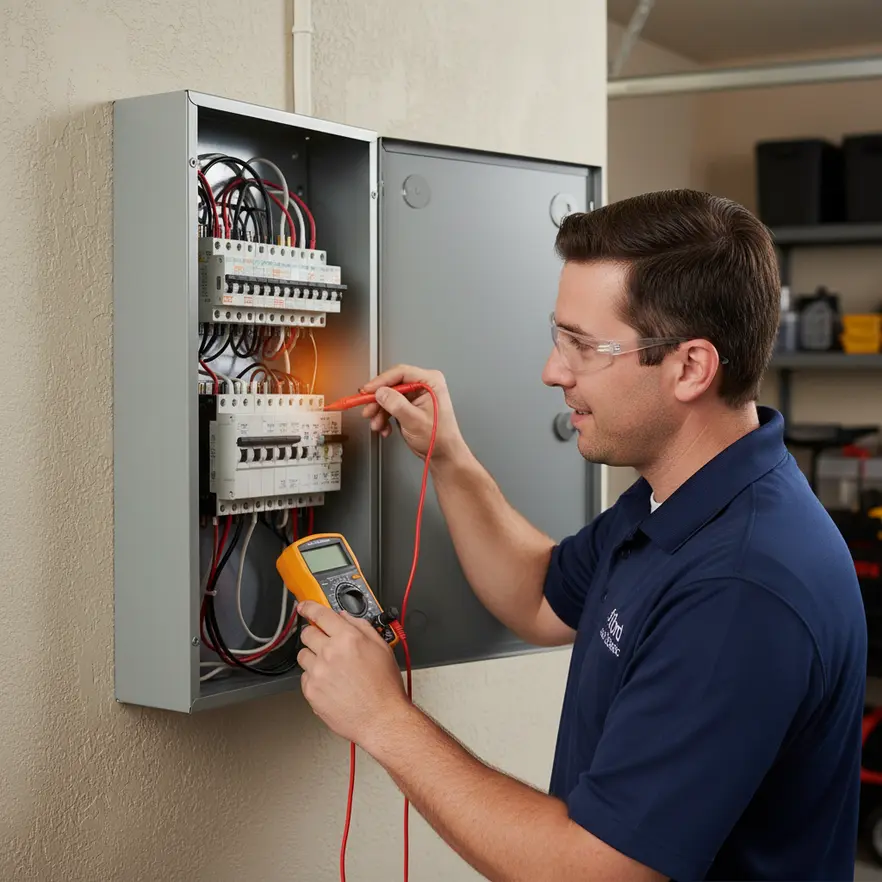
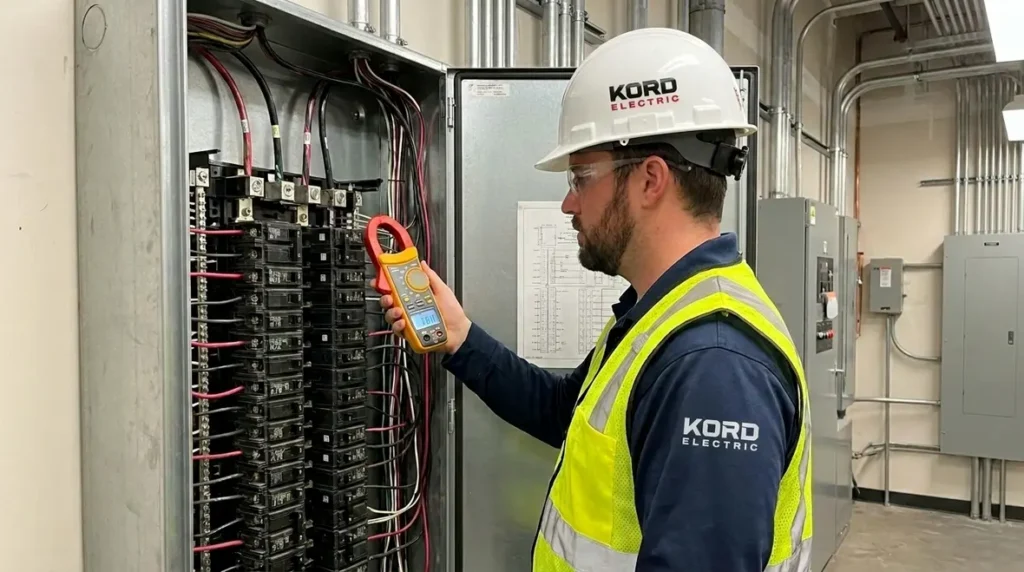
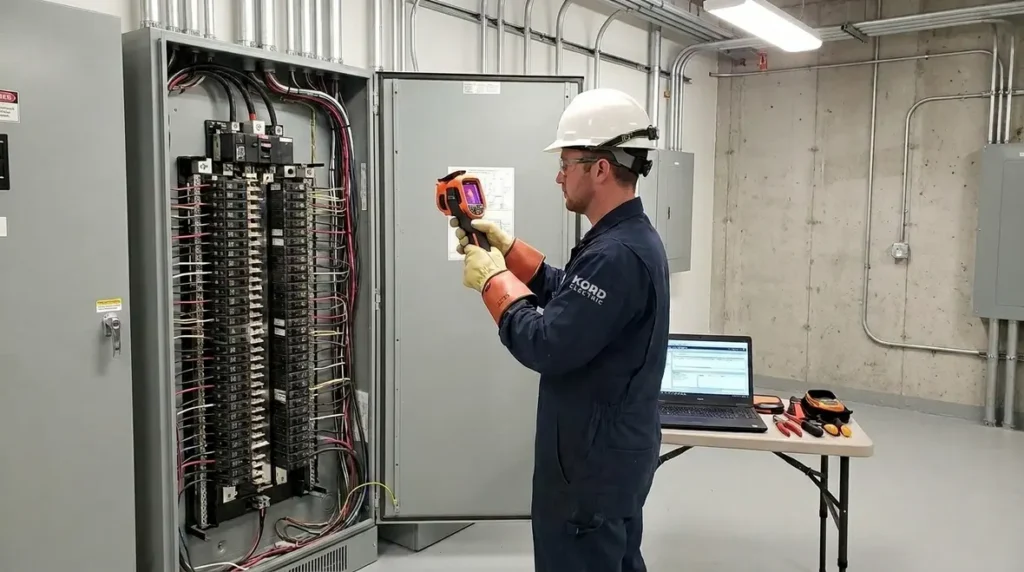
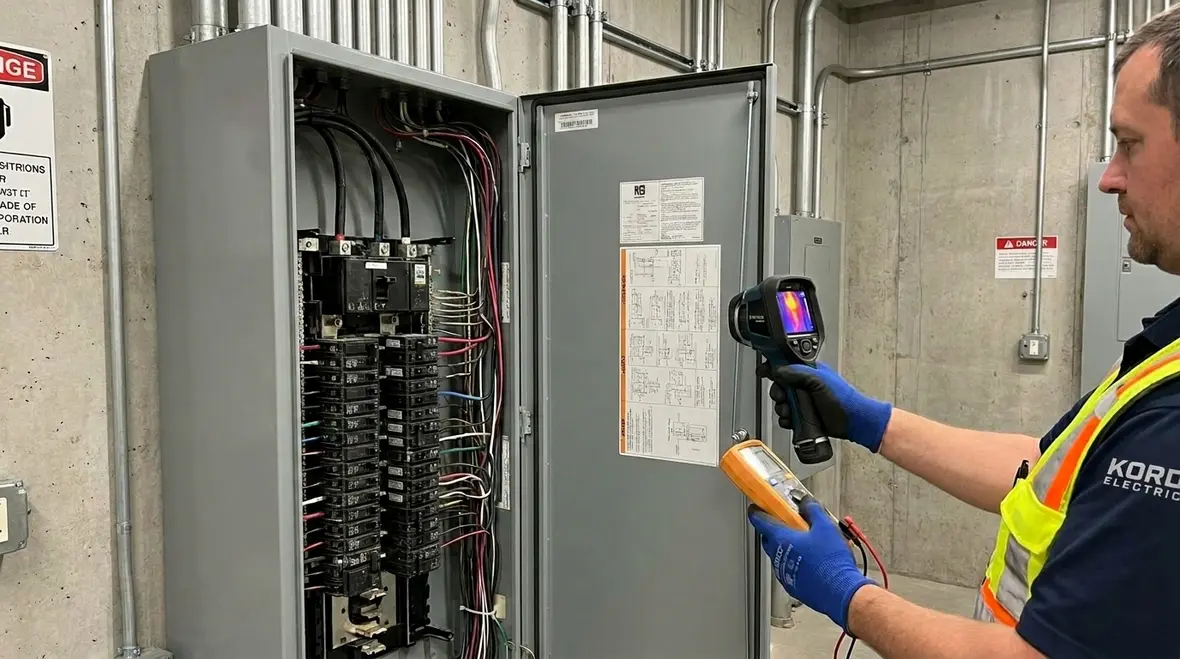
Depending on the subpanel type and condition, we may perform visual checks plus targeted electrical measurements. We inspect breaker operation, confirm mechanical fit, and verify that wiring routing stays intact. We also look for conditions that can reduce safety margins such as damaged insulation at terminations or evidence of prior water intrusion.
In the same spirit as our approach to EV charger installation, we emphasize planning and verification. When EV chargers add new power draw, they bring new loads, new protection requirements, and new coordination needs. If a facility adds charging while ignoring panel readiness, the electrical system carries the burden. Therefore, when a customer upgrades their site, we treat subpanel evaluation as part of the full picture, not an afterthought.
Common inspection gaps in major property buildings
Large commercial and industrial buildings often suffer from predictable blind spots. Maybe the panel looks fine from the front. Maybe the business runs, so nobody schedules maintenance. Still, deferred issues can stack up quietly, the way dust gathers in the corner that “nobody cleans.” We see these gaps often, and we help teams close them.
Gap one: inspections only after a failure
Some facilities schedule work when a breaker trips repeatedly or when equipment performance drops. However, by then, heat and damage may already be happening. Proactive inspection shifts the timing from reaction to prevention.
Gap two: no audit of load growth
As tenants expand and new equipment arrives, subpanels can become more loaded than the original design assumed. Consequently, we review changes across time and confirm that the panel still fits today’s reality.
Gap three: missing documentation
When maintenance records do not exist or are incomplete, future troubleshooting gets harder. Our team records findings in a clear format so others can plan the next round of Commercial Electrical Subpanel Maintenance with confidence.
What a good maintenance plan looks like
A solid plan does not just cover the panel. It covers how the building uses power, how changes get made, and how problems get handled early. We help major property buildings by setting an inspection cadence that matches risk, usage, and environment. For example, facilities with frequent load changes or harsh conditions often need more frequent attention.
Then we coordinate upgrades so electrical capacity and protection keep pace with new work. In many cases, that means supporting projects like EV charging and other high demand additions by evaluating how the existing subpanel and feeders will perform. After all, if a new system depends on the panel, the panel must be ready.
Finally, we explain findings in plain business language. Our technicians do not hide behind jargon. They break down what they see, why it matters, and what comes next. That is calm professionalism, not a magic trick. Though sometimes it feels like one, because problems usually get fixed before they become dramatic.
For facilities that want electrical reliability woven into the broader building strategy, these subpanel inspections can tie directly into structured programs like commercial and industrial electrical maintenance plans. That way, Commercial Electrical Subpanel Maintenance, power quality work, and future projects such as EV charging or lighting upgrades all move in step instead of pulling the system in different directions.
FAQ
Schedule Commercial Electrical Subpanel Maintenance with Kord Electric
Commercial electrical subpanels should not wait for a problem to announce itself. Kord Electric helps major commercial and industrial facilities prevent heat, arcing, and operational surprises through proactive inspection and expert service. Our technicians explain what they find, then recommend clear next steps you can trust. If your building has grown, upgraded, or changed tenants, now is a smart time to plan inspections. Contact us to set an inspection schedule and keep your electrical system steady.
If your facility is also planning future upgrades, such as new process equipment or more EV charging, pairing Commercial Electrical Subpanel Maintenance with targeted projects like EV charger installation helps keep capacity, protection, and wiring all moving in the same direction. That way, your subpanels support the growth of the building instead of constantly trying to catch up.
To see how subpanel inspections can connect with broader reliability and energy goals, many property teams also review related services like lighting installation services and structured commercial maintenance programs. Coordinating these efforts turns one-time inspections into a long term reliability plan for the entire facility.