
Emergency Power Systems Maintenance and Testing
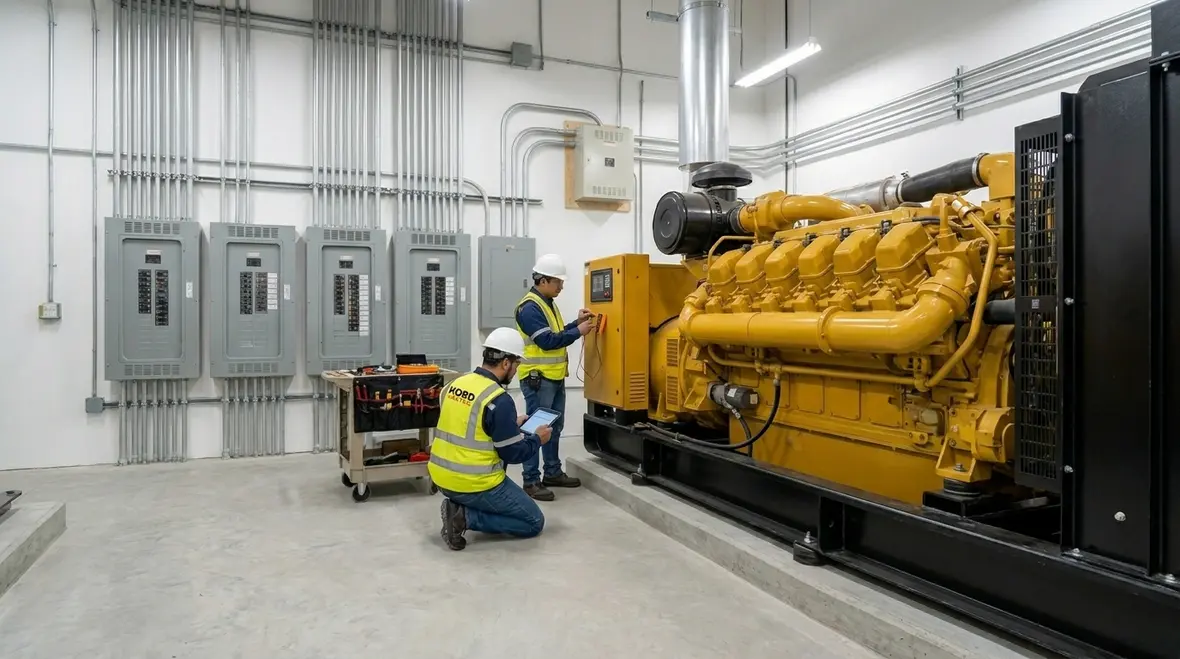
When a building loses power, the lights should not just stay on, they should behave like they planned it months ago. That is why Emergency Power Systems Maintenance matters in commercial and industrial facilities, where downtime turns into real money and real risk. At Kord Electric, we guide major property owners and facility managers through the essential steps for testing emergency power systems, so the backup system proves itself under real conditions, not just on paper. Meanwhile, our technicians and expert service staff take the time to explain each test in plain language, because most people do not want a mystery box that hums quietly until something goes wrong. And yes, we hear the same joke in every building: “It only fails on movie night.” We test so it does not fail on any night.
Emergency power testing that actually protects tenants and operations
In commercial and industrial buildings, the emergency power system must support critical loads with stable voltage and the right transfer time. Therefore, we start with a clear goal before any switchgear moves. Our team maps critical circuits, confirms which systems must ride through an outage, and checks the building’s operating plan. Then we review past maintenance history, since a test is only as good as the last time someone looked at the details. If we see patterns, we adjust the plan; if we do not, we still verify everything. That method keeps testing focused and prevents “checklist theater,” where everything looks fine but real performance remains unknown.
Next, we align with the building’s rules and the system design. Code requirements exist for a reason, and we treat them as a baseline, not a suggestion. However, testing also needs practical realism. A generator can start during a test and still stumble under load, so we verify starting, transfer, and output behavior, not just the starting sound.
Build a test plan for your generator, transfer switch, and UPS
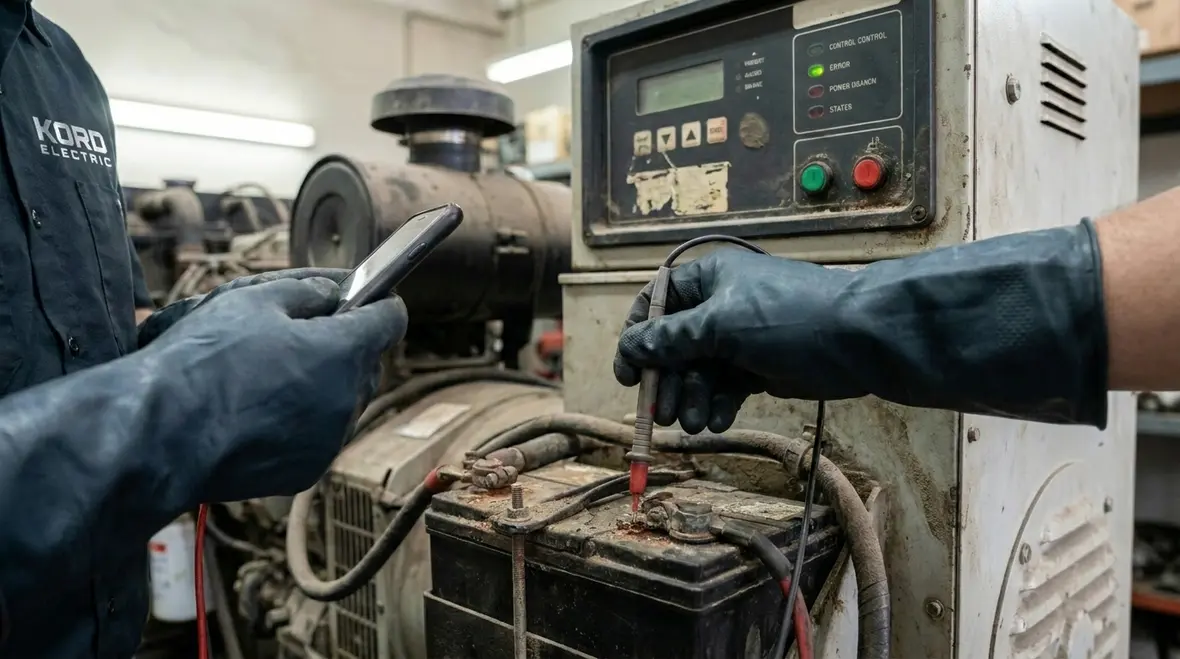
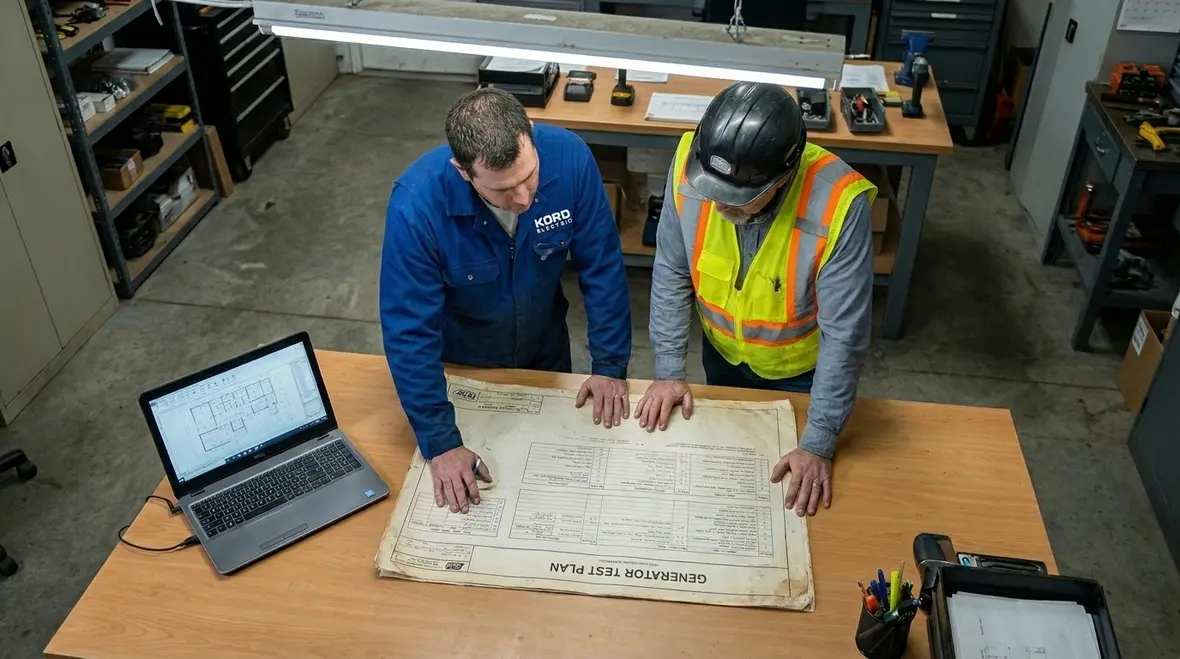
Facilities managers ask us for a simple plan, but simple does not mean shallow. We create a step by step schedule that covers generator sets, automatic transfer switches, and any supporting UPS systems, based on equipment type and critical load needs. Because different assets behave differently, we do not run one generic procedure across every building. We also coordinate with operations so we protect sensitive equipment and maintain safe work zones.
To keep things clear, our technicians label what will run, what will be observed, and what will be documented. We confirm test duration, allowable voltage limits, and transfer timing targets. Then we set the order of operations. For example, we verify the transfer switch logic before we move heavy loads, and we confirm load bank setup before we start pushing power. After that, we communicate with site leadership so the test supports business, not disrupts it for the sake of disruption.
We also help facilities connect this testing discipline to broader reliability strategies. For example, many property teams pair Emergency Power Systems Maintenance with structured programs like commercial and industrial electrical maintenance plans and targeted work on voltage fluctuations in commercial and industrial facilities, so both normal and backup power behave predictably when it matters most.
Essential steps: inspection before you test
Before we run any emergency load test, we inspect and verify. This part matters because “starting” a generator is easy compared to starting it in a way that meets real performance. Our service staff checks the physical condition, safety interlocks, and the control system. Then they review key items such as battery health, charger performance, fuel supply status, exhaust condition, and intake or ventilation routes.
Because small issues can cause big failures, we also look for signs of wear on the transfer switch mechanisms and verify the condition of wiring terminations. Then we check sensors and feedback signals that tell the system when to transfer. At the same time, we review alarms and event logs. If the system has been throwing minor alerts, we treat that as a clue, not as background noise.
Now, one more thing: we do not just inspect for faults. We also confirm readiness. That means we verify the emergency stop circuit behavior, confirm test mode selection logic, and ensure any remote monitoring paths work. In short, we confirm the system can respond before it ever needs to perform under stress.
During this stage, our technicians often identify issues that tie back to broader infrastructure challenges. When we see recurring problems in panels, feeders, or distribution gear, we may recommend reviewing resources like the Rewiring Cost Guide for Commercial Electrical Systems to help owners decide whether targeted repairs or deeper upgrades will best support long term reliability.
Load testing and transfer performance under real conditions

Once inspection is complete, we test transfer and output performance in a controlled way. First, our technicians run an operation sequence that confirms the start signal, engine stability, and transfer timing. Then they evaluate the transfer switch action, making sure it moves from normal to emergency without unstable behavior. If your transfer switch hesitates, your critical loads will feel it.
Next, we apply load in a way that matches your building’s critical circuits. We often use load banks or other approved methods to simulate the expected demand. This step confirms that voltage stays within acceptable ranges, frequency stays steady, and the generator can sustain the load without dropouts. Meanwhile, our team checks for abnormal voltage sag, overheating, or unusual vibration or noise patterns. If something looks off, we pause and investigate rather than “push through” like it is a treadmill test at the gym.
Because the goal is reliable emergency operation, we also test the sequence of restored power. We verify how the system returns to normal and how it handles the cooldown and retransfer logic. In facilities where UPS systems support certain loads, we also confirm UPS behavior during the outage window so nothing rides the edge of failure.
For many large properties, these tests fit into a broader strategy of managing Emergency Power Failures in Commercial Buildings. By pairing Emergency Power Systems Maintenance with structured responses to utility events and internal faults, facilities avoid treating every outage like a surprise party and instead respond with calm, predictable routines.
Fuel, batteries, and controls: the hidden heroes that fail quietly
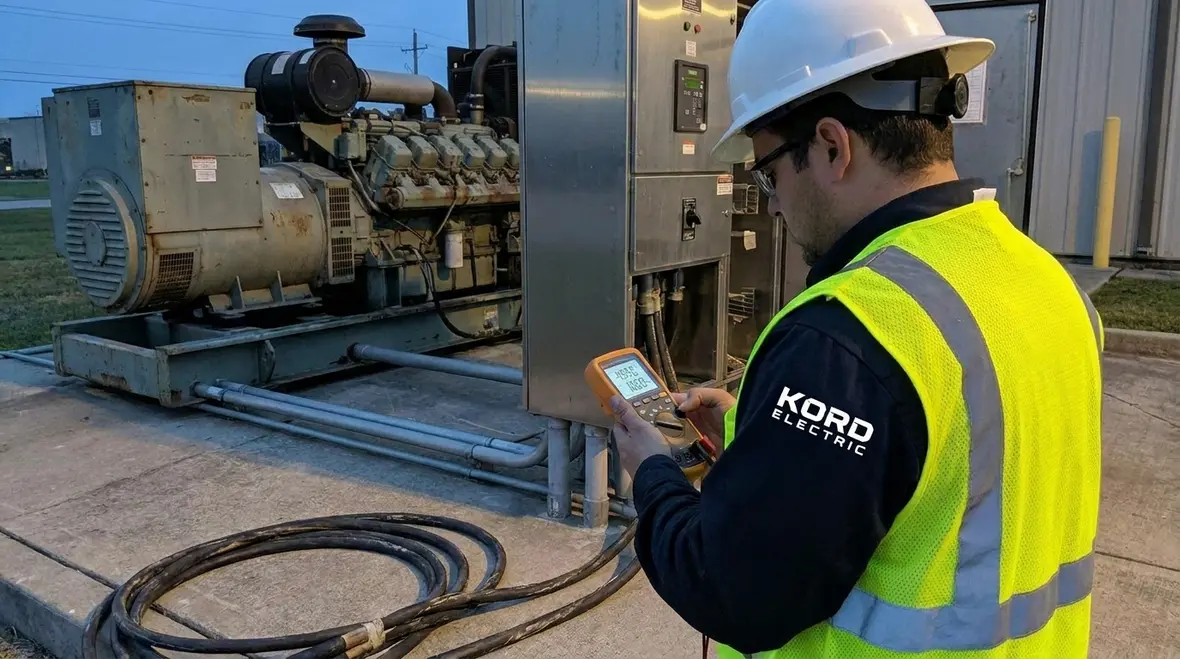
When emergency power systems disappoint, it is often not the big visible component. It is frequently the supporting elements that cause the real issue. Therefore, we focus on fuel and energy storage during testing preparation and maintenance checkpoints. For fuel, we verify supply level, quality indicators, and proper handling practices. If fuel stability is in question, we address it before it becomes a crisis. For batteries, we test capacity, charging behavior, and overall health so the controls can start the engine reliably at the moment it matters.
Controls and sensing also deserve extra attention. We verify that the generator control system reads input correctly and issues the correct start and transfer commands. Then we check protective functions, since protective behavior keeps equipment safe and keeps the test from turning into an expensive lesson. If your facility has remote monitoring or integration with building management, we validate that data pathway too. After all, if the system works but nobody sees the alarm, the building still suffers in silence.
These supporting pieces also tie directly into ongoing reliability. Many major property owners fold generator fuel, battery, and control inspections into broader Electrical Preventive Maintenance programs so that small, quiet issues never get the chance to turn into loud, expensive failures when the utility blinks.
Document results, correct issues, and verify repeat performance
After testing, we do not hand over a stack of papers and disappear. We review results in a way that facility leaders can act on. Our technicians and expert service staff explain what the readings mean, what passed, what needs correction, and what risks remain. Then we outline repairs or adjustments in a clear order of priority, because not every fix carries the same urgency.
We also verify corrective actions. If a transfer timing issue appears, we investigate the transfer switch logic and mechanical behavior. If voltage regulation looks unstable, we evaluate governor control and load response. If battery performance shows weakness, we plan replacement or charging improvements. Then we retest so the building does not just recover once. It recovers consistently.
To keep the process smooth for major property buildings, we coordinate maintenance windows and minimize downtime. We also ensure future testing stays accurate by updating operational records and aligning them with the tested behavior. Over time, this builds a repeatable Emergency Power Systems Maintenance history that supports compliance needs, insurance documentation, and executive confidence in the facility’s resilience.
How our team schedules testing for commercial and industrial facilities
Kord Electric builds testing schedules that respect how businesses run. We consider operating hours, tenant needs, and any critical production windows. Because major properties often include multiple zones and different risk levels, we prioritize critical loads first. Then we plan the test steps to limit impact, protect sensitive systems, and keep safety front and center.
Once the schedule is confirmed, we assign experienced technicians to each stage, from inspection through load application and documentation. We also set expectations on what the site team should observe and what our team will manage. This helps avoid surprise alarms, confusion, or calls that start with, “We heard a noise, is the building okay?” Our approach aims for calm, controlled, and repeatable testing.
| Test phase | What we verify |
|---|---|
Pre test inspection |
Safety interlocks, controls, batteries, fuel readiness, transfer switch condition, event logs, monitoring connections |
Transfer and start |
Engine start reliability, transfer timing, stable output initiation, correct alarm behavior and status reporting |
Load testing |
Voltage and frequency stability, engine response under demand, load bank performance, overheating or instability indicators |
Retransfer and recovery |
Return to normal logic, retransfer timing, safe cooldown behavior, UPS or protected load handling |
For many facilities, this Emergency Power Systems Maintenance schedule lives alongside broader commercial and industrial electrical maintenance plans, giving leadership a unified calendar that covers everything from everyday panel inspections to annual generator and ATS performance testing.
Emergency Power Systems Maintenance FAQ
Call Kord Electric for a testing plan you can trust
When you run emergency power tests, you need results you can rely on, not a rubber stamp. Kord Electric serves commercial and industrial facilities and major property buildings with experienced technicians who explain each step and verify performance under real conditions. If you want a clear testing plan, dependable documentation, and fixes that restore repeat performance, contact us today. We will help protect your operations before the next outage turns into a stressful headline.
If your facility is also reviewing broader reliability strategies, our team can align Emergency Power Systems Maintenance with dedicated programs like Electrical Preventive Maintenance and 24/7 Emergency Electrical Services, so both everyday power and backup systems work together to protect tenants, operations, and long term investments.


