Industrial Lighting Control Systems Modernization
Introduction: Why Industrial Lighting Control Systems Matter Now
At Kord Electric, we see commercial and industrial facilities modernize the moment they stop treating lighting as a simple on or off decision. Our Industrial Lighting Control Systems help buildings use less energy, reduce downtime, and keep workspaces steady for people who need light they can trust. And when a facility runs on tight schedules, even small lighting problems can quietly turn into big operational delays.
We also know the hidden electrical risks in commercial buildings do not stay hidden for long. As soon as control wiring ages, panels get overloaded, or sensors drift out of alignment, the lighting system becomes an early warning signal, not just a comfort feature. So, we build modernization plans that make operations smoother, not more complicated. Others may sell parts; we focus on the working system.
Industrial lighting control systems reduce waste and stabilize operations
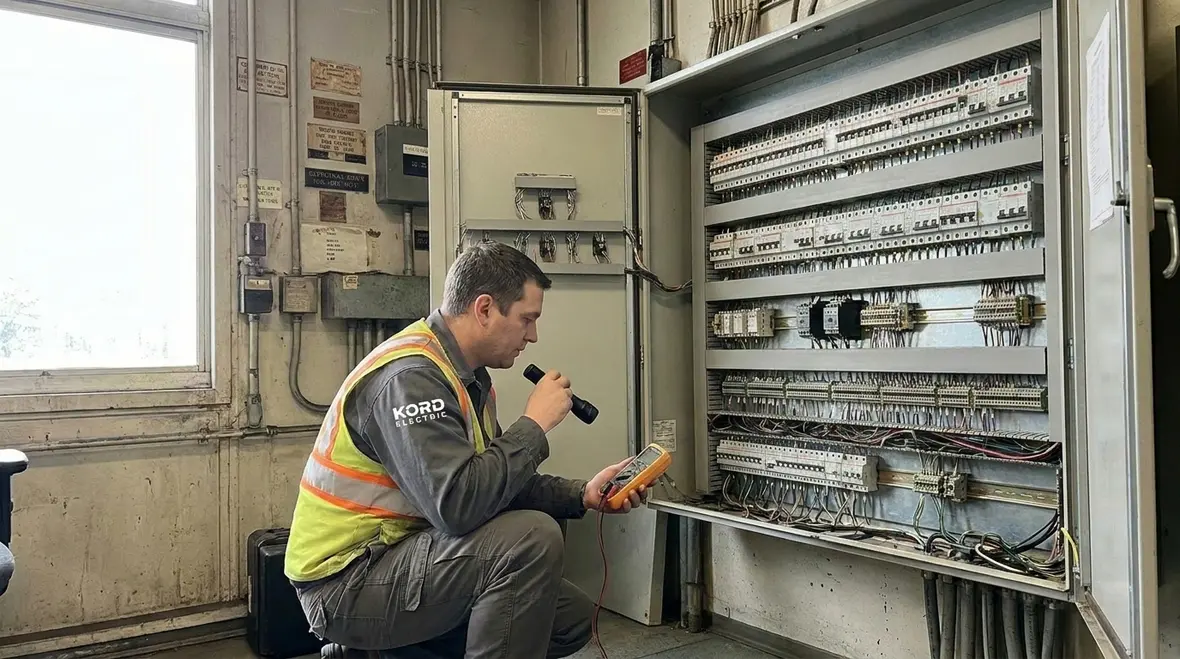
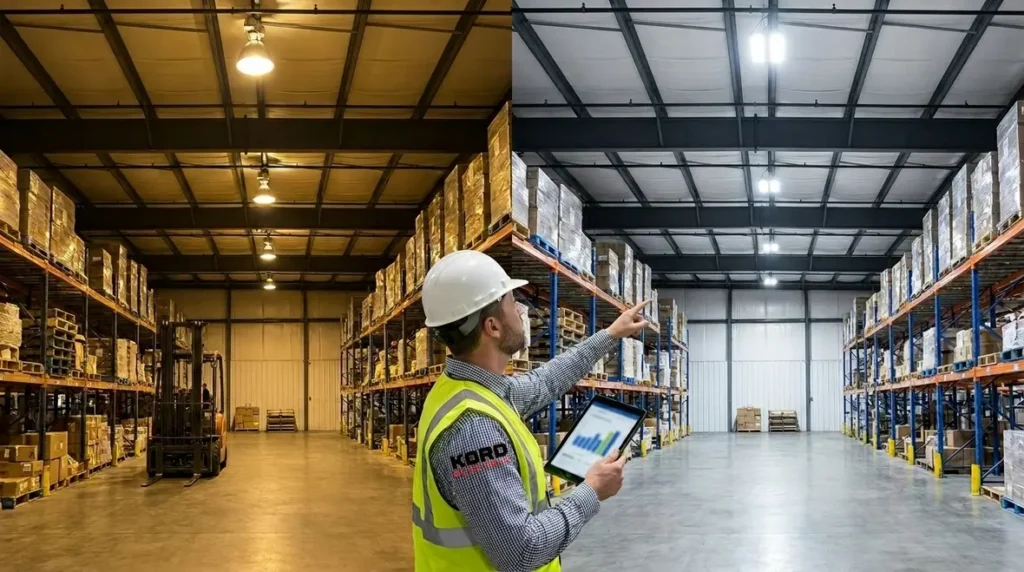
First, we look at how a facility uses light across real work patterns. Then we modernize so the Industrial Lighting Control Systems respond to motion, daylight, and scheduled occupancy. As a result, zones stop burning power when nobody is there, yet they still reach the required brightness when teams arrive.
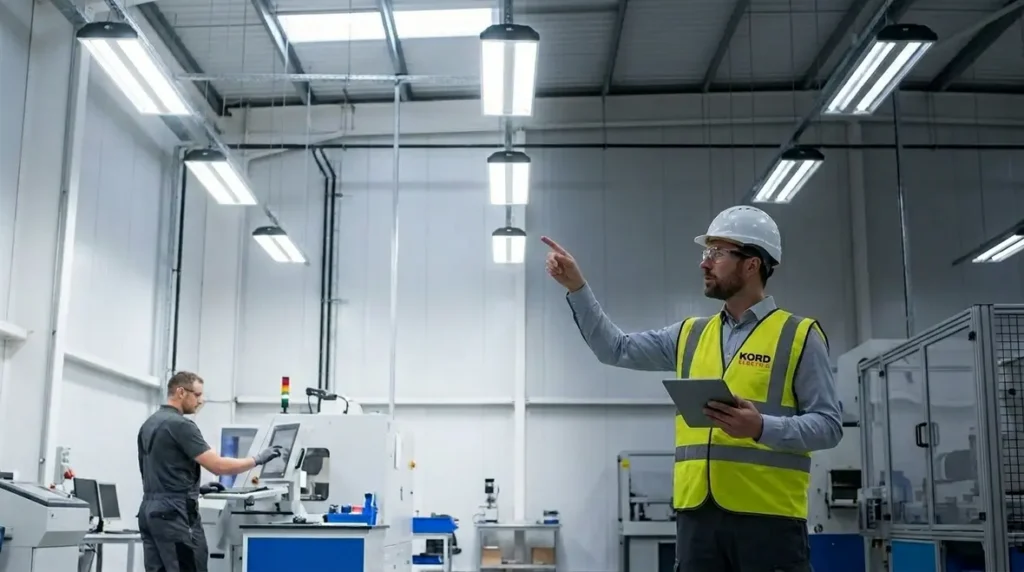
Next, we align lighting behavior with operational needs. For example, a warehouse needs consistent coverage at picking height, while a process area may need stable output during shifts. Meanwhile, administrative floors typically benefit from smoother dimming so staff do not feel like they are working under a flickering stage light.
And yes, we hear the joke every time: “If the lights can’t make me coffee, at least they should not act like they are caffeinated.” We get it. The goal is simple: predictable lighting that supports production.
Audit first: how we find the real bottleneck
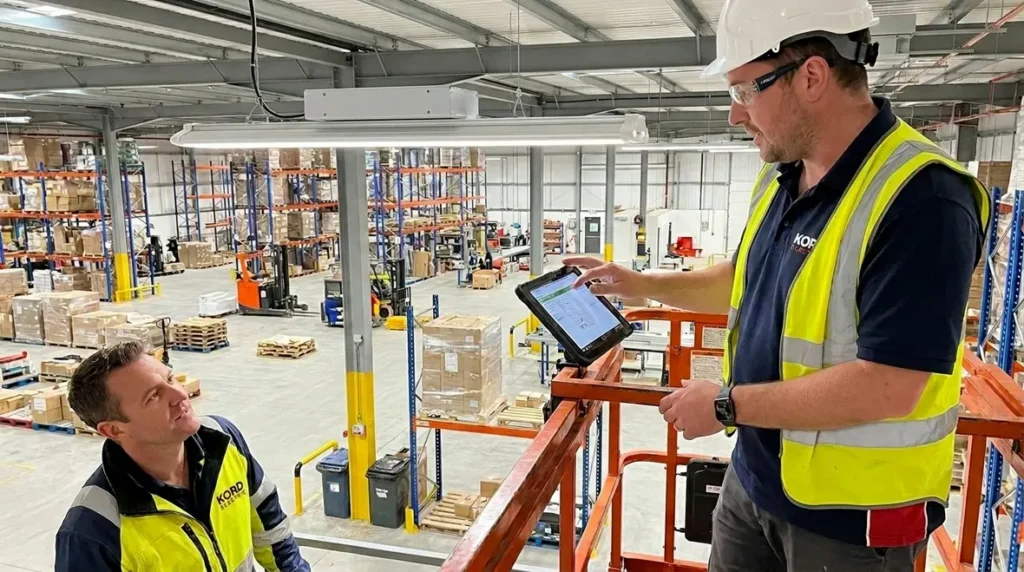
Before we touch equipment, our technicians perform a structured audit. They examine lighting circuits, control panel condition, sensor placement, switching logic, and power quality. Even when fixtures look fine, the control layer can still cause issues like nuisance cycling, delayed response, or inconsistent dimming levels.
Then we cross-check system wiring against what the building actually does. When schedules changed over the years, many facilities kept old control settings. As a result, lighting may stay on during maintenance windows, or it may shut down during late shift activity. Furthermore, control devices often get added by different contractors over time, and the documentation does not always match reality.
During this phase, we also consider the kind of hidden electrical risks our team highlights in our hidden electrical risks in commercial buildings blog. Aging wiring, loose connections, and panel stress can turn routine lighting control failures into safety concerns. In other words, if the controls are acting strange, the electrical foundation might be telling a story.
Modernize controls without disrupting production
Most facilities do not have the luxury of shutting down for weeks. Therefore, we plan modernization in phases that match operational tolerance. We start with zones that have the lowest risk and the clearest benefits, then we expand. This approach protects critical spaces first, then upgrades the rest with minimal disruption.
Our expert service staff also explains each step in plain terms. They show what will change, where temporary interruptions could happen, and how the control sequence will behave once installed. Then, just like a good shift supervisor, they confirm the system response in the real world, not just on a checklist.
We also handle commissioning carefully. That means we verify sensor function, daylight response, dimming curves, and time schedules. Additionally, we review fail-safe behavior so the facility does not lose light coverage if a device fails. Nobody wants an “all lights off” moment that sounds like a prank from a movie villain.
Safety and compliance: electrical risks that show up in lighting
Lighting control systems sit at the intersection of operational comfort and electrical reliability. So we treat safety as a core part of modernization, not an afterthought. When controls rely on aging components, the system can draw unwanted current patterns, create heat in enclosures, or increase wear on relays and drivers.
In our work, we often see conditions that increase risk. For instance, overloaded panels, misrouted low-voltage wiring, and poor termination quality can create intermittent faults. Moreover, sensors and control modules can mask early warning signs, because the lights may still turn on even when the electrical path is not healthy.
Our team references the same themes we discuss in the hidden electrical risks in commercial buildings article when we plan upgrades. The difference is that in modernization, we turn those warning signs into fixes. We tighten connections, improve circuit labeling, check protective devices, and confirm proper grounding where it matters.
Integration strategy: make lighting work with the rest of the building
Next, we connect lighting controls to the wider facility plan. Many commercial and industrial properties use building management tools for HVAC, scheduling, and monitoring. When lighting controls remain isolated, the building cannot coordinate energy use or operational needs.
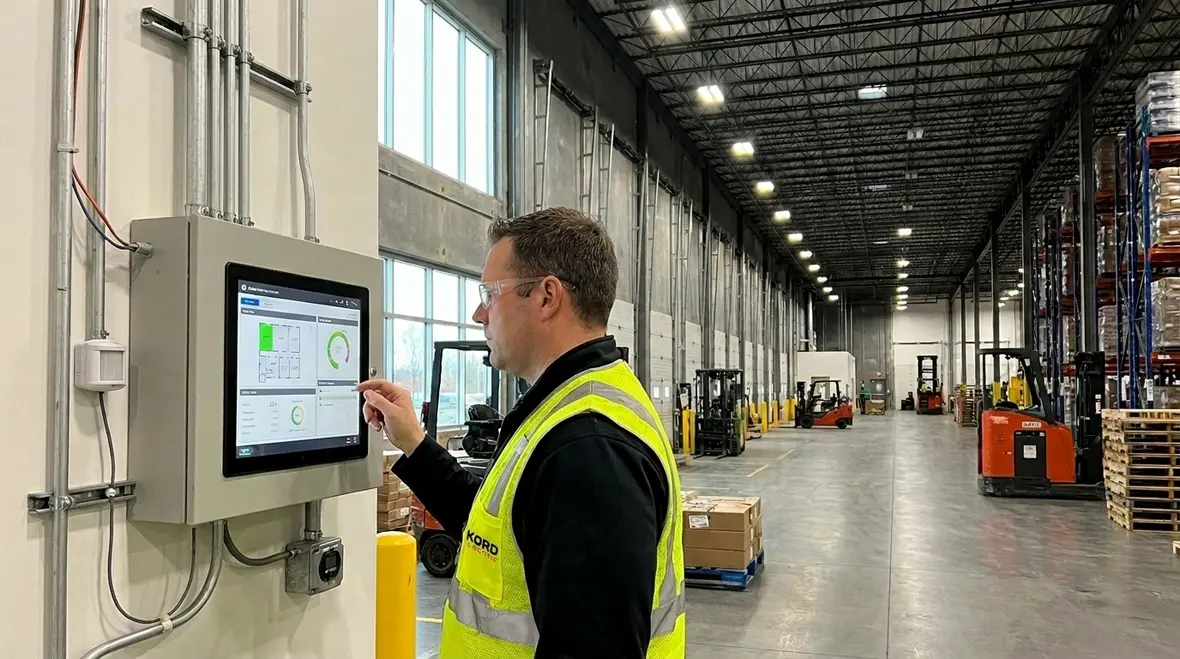
So we implement integration based on what the site truly needs. For example, we can synchronize occupancy schedules across departments, align daylight harvesting with HVAC comfort strategies, and support maintenance workflows through clear device status reporting. Meanwhile, we ensure the lighting system maintains local control stability even when networks are busy.
This is where our technicians earn their stripes. We explain integration in a way that operators understand. Then we test communication paths and confirm that control logic stays consistent. In short, we build a system that supports real staffing realities, not just ideal lab conditions.
Measuring results: energy, uptime, and predictable behavior
Modernization should prove itself quickly. Therefore, we measure outcomes with practical metrics that facility leaders care about. We track energy reduction potential by zone, then validate performance after commissioning. We also monitor uptime by reviewing control faults, sensor response consistency, and the stability of dimming transitions.
Just as important, we measure user experience. A stable lighting level reduces complaints and delays. Furthermore, better controls reduce the “hunt for the switch” problem that frustrates maintenance teams. When lighting reacts correctly to occupancy and schedule, staff stop overriding controls manually, and the system stays reliable longer.
To keep operations smooth, we also train building personnel. Our expert service staff walks through daily observations, common symptoms, and simple steps for reporting issues. Then we provide documentation that helps the right people act fast, without guesswork. Because nothing drains morale like troubleshooting in the dark.
FAQ: Industrial lighting control systems in commercial and industrial buildings
Related insights and services for Industrial Lighting Control Systems
If you are planning Industrial Lighting Control Systems modernization, it helps to understand the broader context of your facility’s electrical and lighting strategy. Our team regularly supports projects that connect controls with compliance, maintenance, and upgrade planning. For example, our article on hidden electrical risks in commercial buildings explores how aging wiring, overloaded panels, and undocumented changes can show up first as “strange” lighting behavior long before a major failure occurs.
Facilities evaluating controls upgrades often review cost and design strategy alongside their Industrial Lighting Control Systems. Resources like the commercial lighting upgrade cost guide and the California Commercial Title 24 lighting compliance guide help teams align modernization with budgets and regulatory requirements. When it is time to move from planning to implementation, Kord Electric’s dedicated Lighting Installation Services provide the field expertise needed to turn Industrial Lighting Control Systems designs into reliable, code-compliant operation.
To protect the investment in new controls, many commercial and industrial sites also pair lighting modernization with structured Electrical Preventive Maintenance. Those programs include thermal imaging, torque checks, breaker testing, and emergency lighting verification that help keep Industrial Lighting Control Systems stable long after commissioning.
Conclusion: Let us modernize your lighting controls
Kord Electric helps commercial and industrial facilities modernize lighting without turning your operations into a construction episode. We audit first, upgrade in phases, and commission carefully so your Industrial Lighting Control Systems deliver steady performance, safer electrical operation, and measurable efficiency. Our technicians and expert service staff explain the process clearly, then prove results in real zones. If you are ready to reduce waste and stabilize lighting behavior, contact Kord Electric today and let us map a modernization plan that fits your schedule.
If you want to connect Industrial Lighting Control Systems with a full lighting strategy, our Lighting Installation Services are built specifically for commercial and industrial environments that need reliable coverage, smart controls, and long-term support. From the first walkthrough to final commissioning, we help your facility move from “lights are on” to “lighting works for the way we operate.”