Commercial Electrical Wiring Safety Upgrades
At Kord Electric, we treat commercial electrical wiring safety standards as the foundation of every upgrade we plan for commercial and industrial facilities, along with major property buildings. That means we verify load needs, review equipment ratings, and follow proper code aligned practices for insulation, grounding, protection, and labeling. In addition, our teams document work steps so the building owner can see what changed and why. We do this because long term safety is not a guess. It is a system.
And yes, wiring upgrades can feel as exciting as watching paint dry. However, when our expert service staff walks the site with you, the process becomes clear, calm, and predictable, like a familiar podcast that finally gets to the point.
What long term safety means in commercial wiring upgrades
Long term safety in a commercial setting means the electrical system can handle day to day use for years without hidden failure points. It also means changes made today do not create risk tomorrow for tenants, maintenance teams, or emergency operations. Therefore, we focus on both the present condition and the future environment.
First, we evaluate the existing wiring and distribution paths. Then, we confirm the upgrade matches the real demand profile, including future tenant loads when owners plan remodels or expansion. Next, we verify protection devices keep their performance over time. Finally, we make sure crews leave the system clean, labeled, and tested so faults do not show up later like a surprise bill. Our technicians do not just “finish.” They confirm.
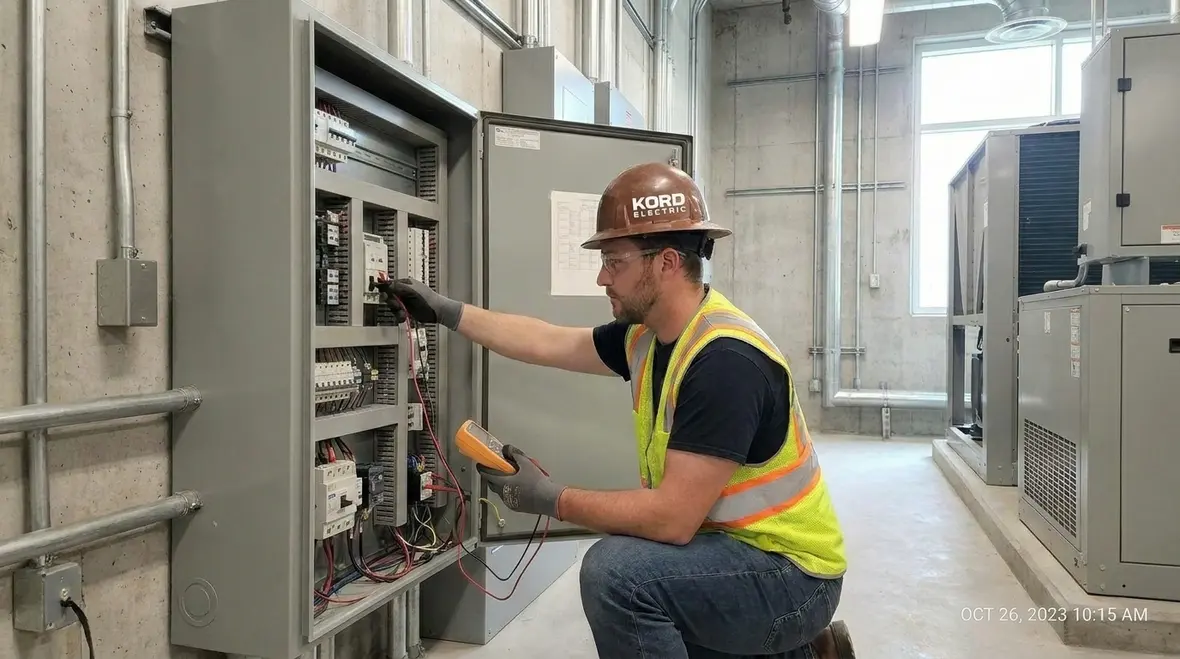
Begin with a site assessment that catches risks early
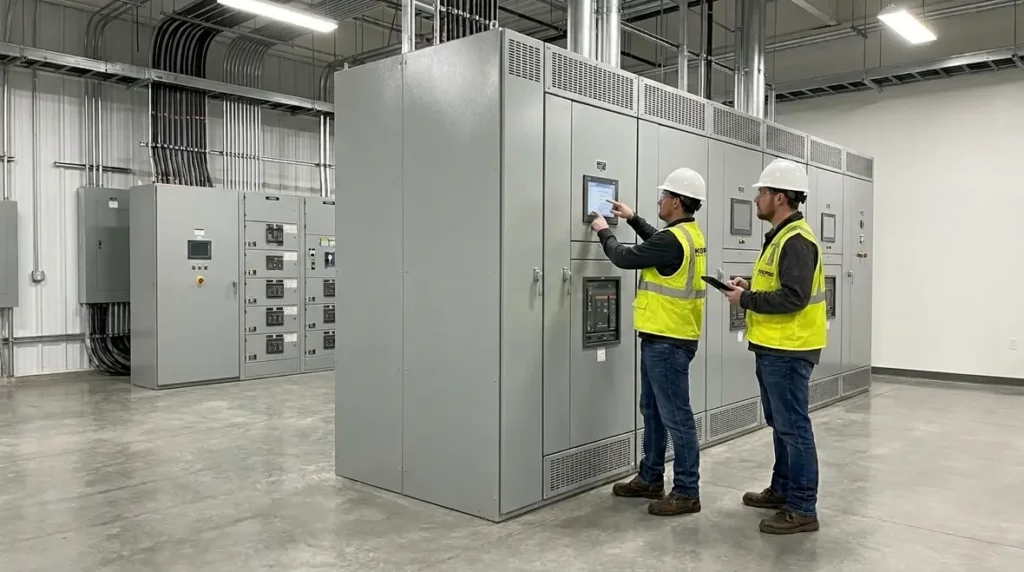
When owners ask what we do first, we explain it plainly. We inspect the electrical rooms, panels, conduit runs, conductor condition, terminations, and grounding methods. After that, we map the circuits to the actual building use so we can find mismatch between what the drawings say and what the building does.
Our expert service staff explains what they see in plain language. They also point out trends, such as thermal wear on older terminations, moisture exposure, or mismatched cable types. In addition, we check for outdated practices that increase risk during routine changes. So even if a building looks fine during normal operations, the system may still be vulnerable under load, during power cycling, or after renovations.
Finally, we review safety barriers and access points. If a panel sits in a spot where housekeeping materials get stored too close, we address it. Small issues grow big when no one manages them. We manage them.
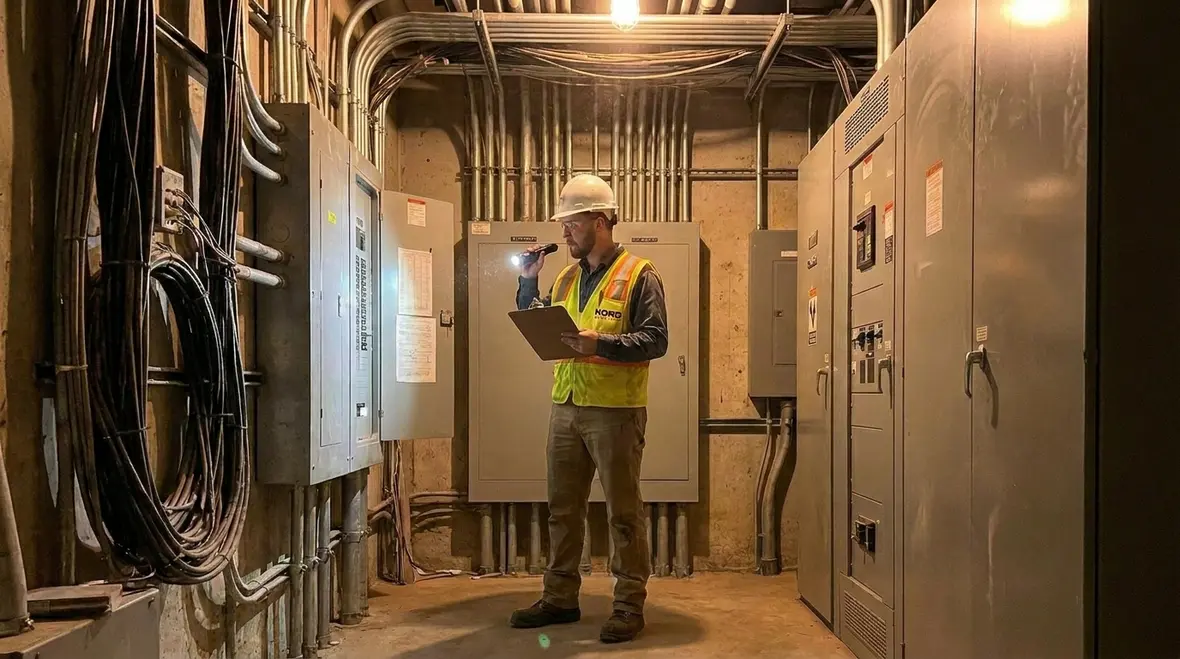
Design upgrades for correct loads, protection, and future growth
After the assessment, Kord Electric builds an upgrade plan that aligns with commercial electrical wiring safety standards and the real electrical behavior of the building. We start by calculating expected loads and verifying conductor sizing. Then we select protective devices that match the updated configuration.
At this stage, we do not treat safety as a checklist item. Instead, we treat it as an engineering decision. For example, if a building adds equipment, the circuit design must keep control of heat and voltage drop. Likewise, if a facility relies on sensitive processes, we plan how power quality changes when equipment starts and stops.
We also coordinate the upgrade sequence. Therefore, our plan accounts for what operations must continue during work. If a property needs steady power to life safety systems or critical processes, we schedule so disruptions stay controlled. And when we communicate timelines, we explain the why behind each step, which keeps everyone on the same page.

If you are planning major changes to your building systems, pairing wiring upgrades with a structured maintenance strategy helps keep everything aligned over time. Our electrical preventive maintenance programs support long term safety and performance for commercial and industrial facilities.
Install with workmanship that prevents hidden failures
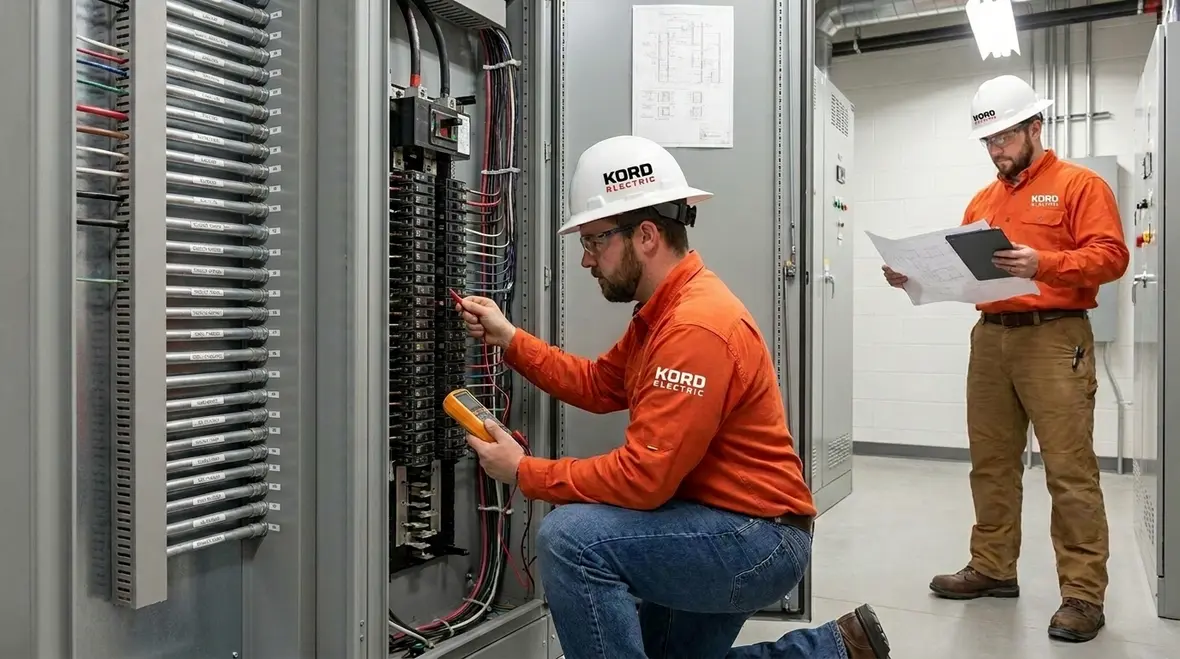
Safe upgrades depend on how work gets installed, not just what gets specified on paper. Our technicians follow detailed installation practices to reduce loose terminations, incorrect torque, poor conductor routing, and improper bonding. We verify that conduit bodies and fittings support secure connections and that cables route away from damage points.
Moreover, we check labeling and identification so the next technician does not have to play electrical detective. In the real world, every mismatch between labels and circuits creates risk during maintenance. So we insist on clear marking and consistent documentation.
To keep quality steady across larger projects, we use structured in process checks. As a result, we catch issues before the system closes up. And because commercial and industrial environments have intense schedules, we protect the work area and prevent accidental damage during construction activities around the site.
Here is a practical truth. Faults often travel quietly, not loudly. They can start as a minor connection issue and then progress into a thermal event. Our workmanship and testing help stop that progression.
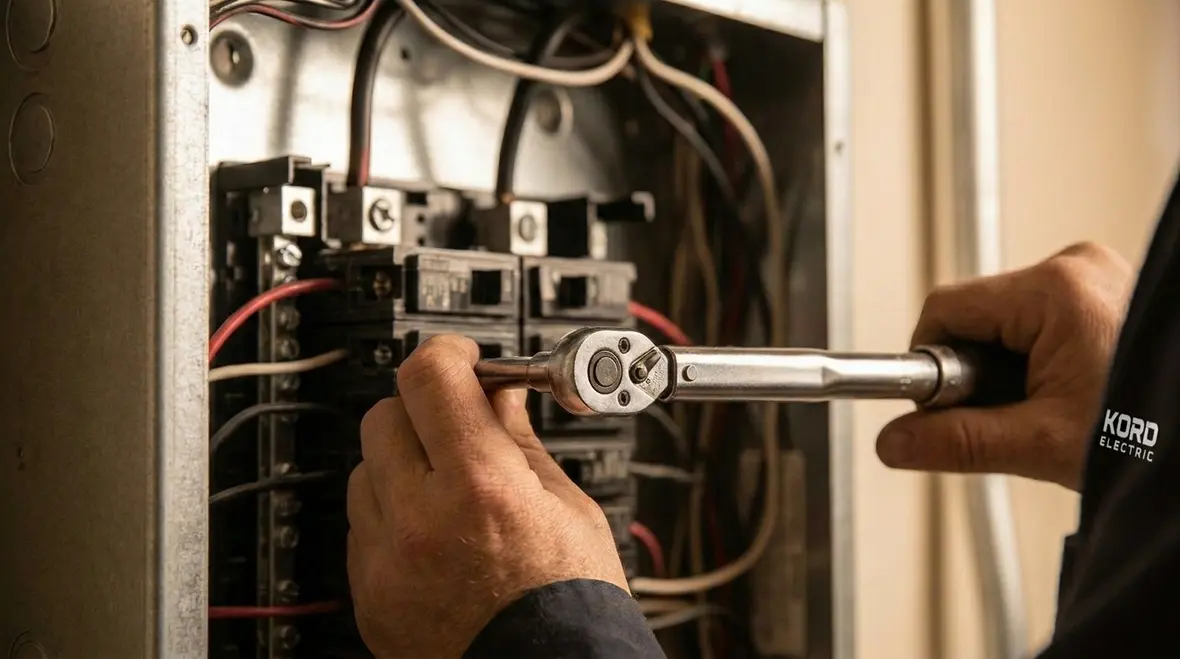
Testing, inspection, and documentation keep safety verifiable
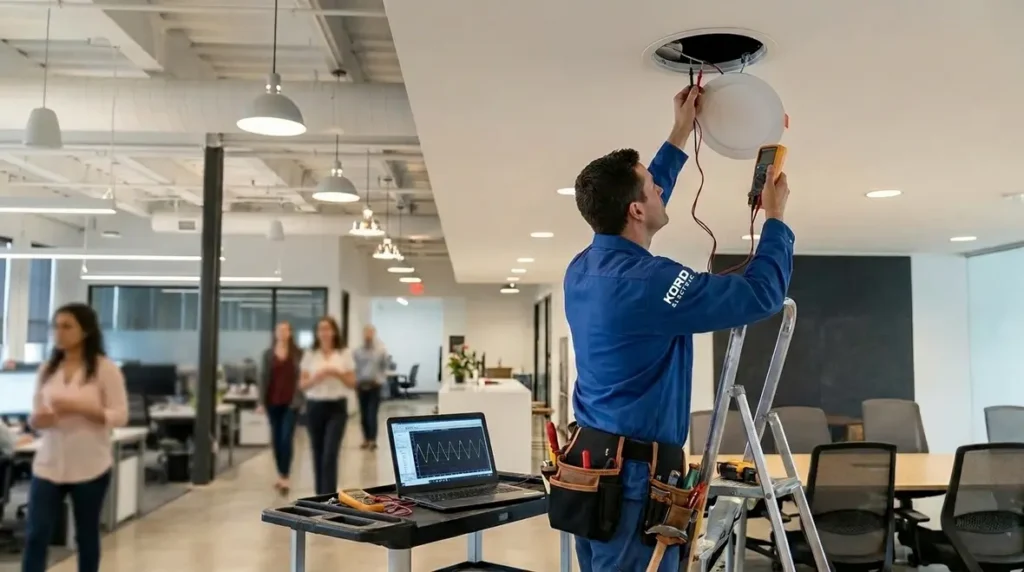
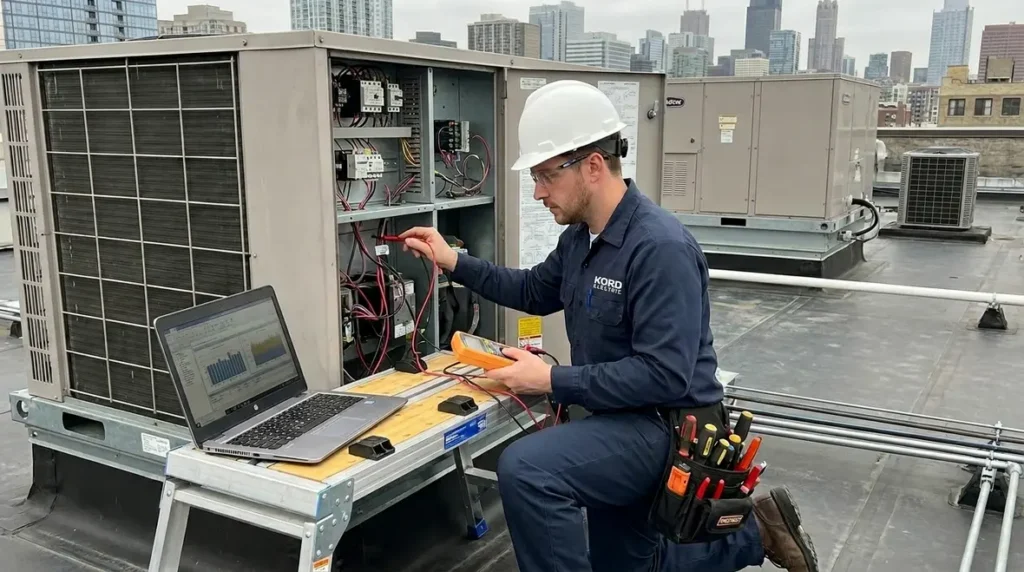
Once installation ends, we test and inspect so the upgrade becomes verifiable, not hopeful. Our technicians measure continuity, insulation performance, grounding integrity, and correct protective function where applicable. We also validate that the wiring layout matches the design intent.
Then we document results in a format building owners can use. That documentation supports future maintenance planning, helps with audits, and provides evidence that the system meets commercial electrical wiring safety standards. In addition, it reduces downtime later because technicians can troubleshoot with accurate records.
When our expert service staff explains the test outcomes, we keep it grounded. We translate what each reading means and what it implies for ongoing safety. And if a building needs follow up actions, we recommend them in priority order, not as a random list that feels like scavenger hunt. Safety requires clarity.
Upgrade planning that protects operations and people
For major property buildings, the upgrade must work with the operation, not against it. That is why Kord Electric plans for scheduling, temporary coverage, and controlled isolation where needed. We coordinate with site leadership, maintenance teams, and facility managers so no one is surprised by a shutdown that happens “just because.”
We also consider how people move through spaces. For example, we plan cable pulls and panel work so walkways remain safe and public areas stay protected. Meanwhile, we coordinate storage of materials and ensure work zones follow site safety rules.
During larger installs, we use a phased approach. As each phase completes, we test it and confirm performance. Then we move forward. This approach limits risk and helps keep operations stable. And yes, when people hear “phased,” some roll their eyes like it is a boring strategy. However, in the field it is a disciplined way to prevent problems from becoming a full season drama.
Our upgrade planning often pairs well with broader infrastructure work. When clients coordinate wiring improvements with projects like commercial lighting installation and retrofits, they can reduce downtime and align multiple safety and efficiency goals at once.
|
Phase 1 |
Phase 2 |
|
Phase 3 |
Phase 4 |
Common upgrade mistakes that quietly raise risk
Even well intended projects can create hazards when teams cut corners or skip steps. One common mistake is reusing components that have degraded. Another is mismatching conductor size to corrected load needs. Also, some crews skip thorough labeling and then cause maintenance errors months later. Maintenance teams then chase the wrong circuit while the building holds steady, and that is how small confusion becomes a safety issue.
Another problem involves grounding and bonding. If connections are incomplete or improperly made, fault paths may not perform correctly when needed. Likewise, poor routing and lack of physical protection can damage insulation over time, especially in high traffic areas or mechanical spaces.
Finally, many projects underestimate the value of documentation. When records are thin, future upgrades become guesswork. Therefore, Kord Electric treats documentation as part of safety, not paperwork for paperwork’s sake.
FAQ
Ready for a safer electrical system?
If your facility runs older wiring, has growing loads, or faces recurring breaker issues, Kord Electric can help you upgrade with confidence. We inspect first, design for real demand, install with strong workmanship, and test so safety stays verifiable. Our technicians and expert service staff explain each step in a calm, business focused way, so owners know what happens and why. Contact Kord Electric today to schedule a site assessment and build a long term safety plan that keeps your operations steady.
If you are also reviewing the broader health of your building systems, our team can integrate commercial wiring upgrades with services like electrical preventive maintenance programs to keep your infrastructure aligned with safety, reliability, and growth plans.
For owners planning significant renovations or lighting improvements, coordinating wiring work with a dedicated commercial lighting installation service can streamline schedules, reduce downtime, and keep code compliance on track from panels to fixtures.