Commercial Lighting Controls for Energy Savings
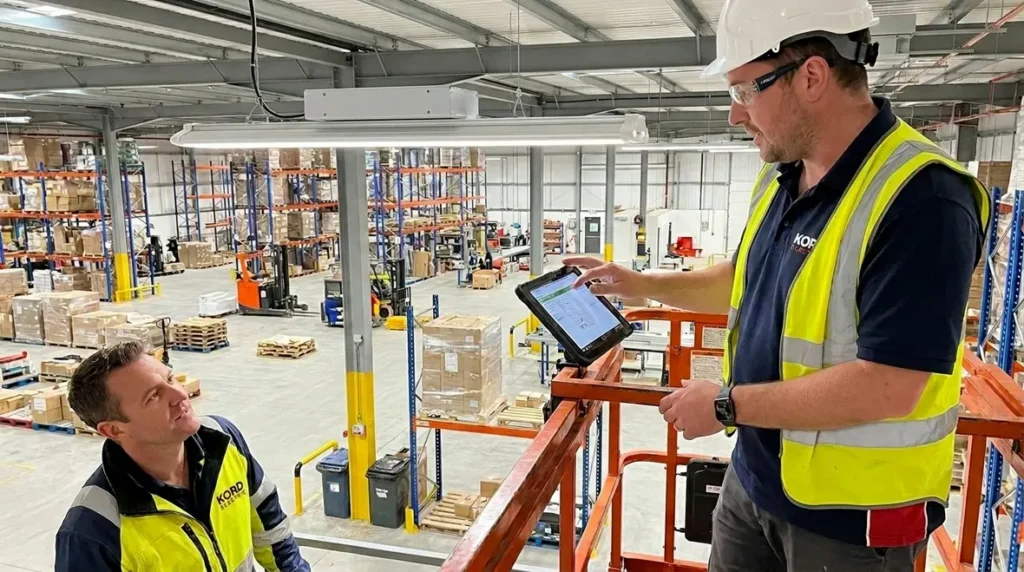
At Kord Electric, we help commercial and industrial facilities cut waste and run smarter with commercial lighting controls for energy savings. When lights respond to real occupancy, daylight, and schedules, fewer watts burn when no one needs them. That means your facility uses power with purpose, not habit. And yes, we still see buildings where the lights stay on through the night like they are auditioning for a role they did not book. With advanced control strategies, we bring calm order to that chaos. Then, we back it up with expert service staff and technicians who explain what they install, why it matters, and how it pays back over time.
How advanced control systems reduce wasted lighting power
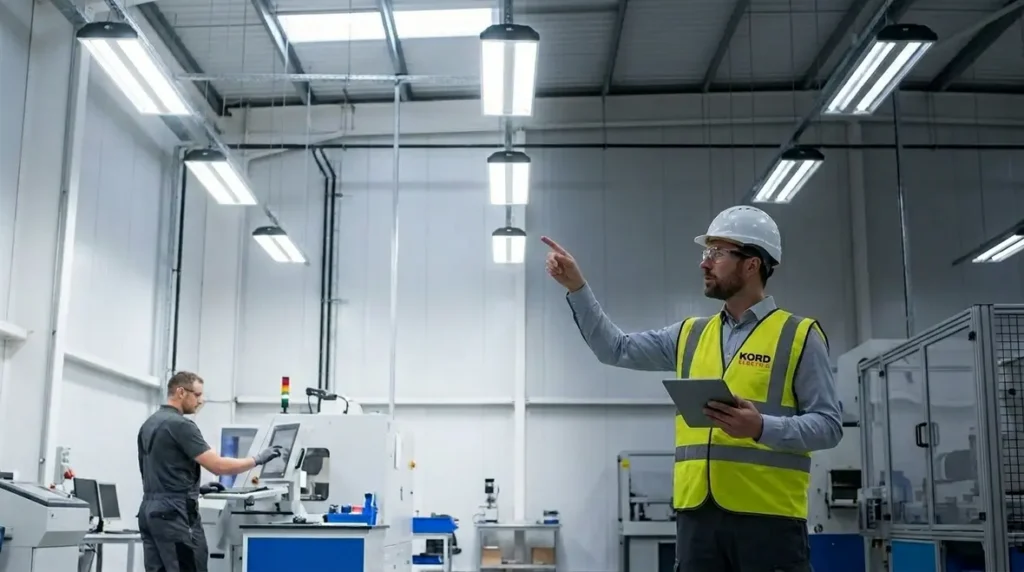
Commercial spaces lose energy in simple ways: lights stay on in empty rooms, they ignore bright daylight, and they never adjust when schedules shift. Advanced commercial lighting controls for energy savings address these gaps by managing lighting output at the building level, zone level, or room level, depending on what the facility needs.
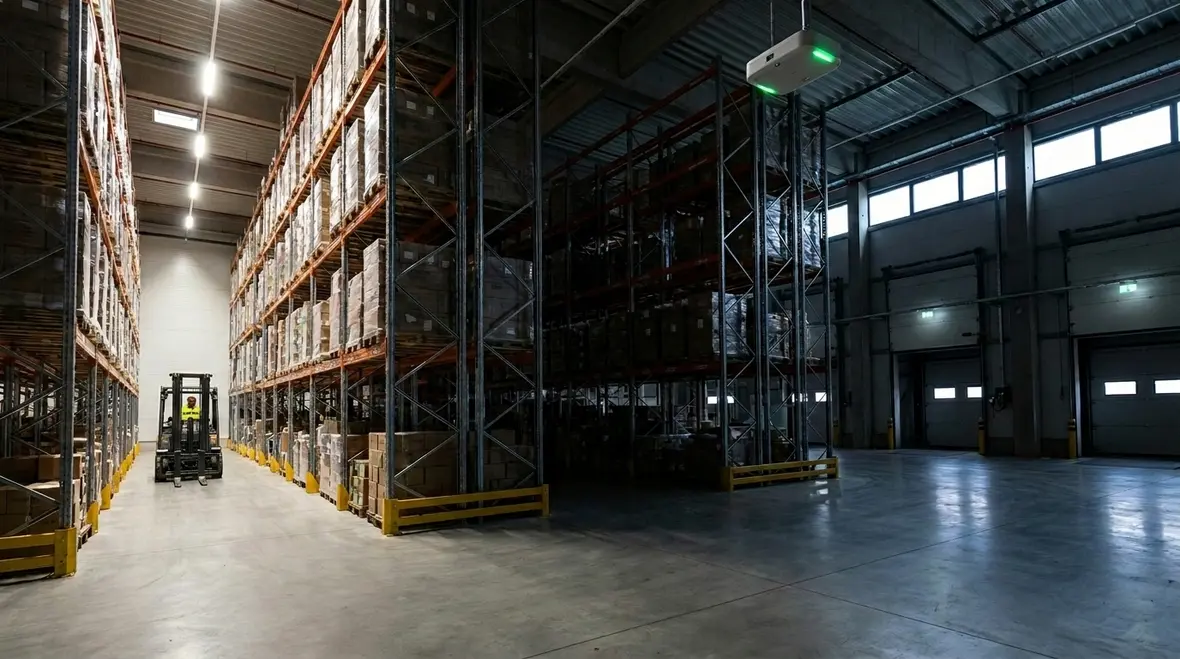
First, sensors detect occupancy and presence. Then the system adjusts lighting levels based on how the space gets used. As a result, warehouses, offices, schools, and healthcare back offices do not light up like a runway during a quiet shift. Next, time schedules provide a baseline. However, schedules alone are blunt instruments, so controls also learn from actual use patterns when programming and commissioning are done correctly.
Finally, daylight harvesting reduces output when sunlit areas get bright. In practice, this means the system dims lights near windows while keeping other areas stable, so the whole building does not “chase brightness” like a caffeinated intern. For facilities that run multiple shifts, the system also supports different schedules without requiring manual panel changes.
For facility managers who want to see how control strategies pair with fixture upgrades and project budgets, our commercial lighting upgrade cost guide walks through how LEDs and controls work together on real projects across large commercial and industrial properties.
Modern control architectures: from simple zoning to whole site intelligence
A facility rarely needs just one style of control. That is why Kord Electric approaches architectures with the building’s workflow in mind. Some sites need straightforward zoning, while others benefit from networked control that ties lighting to time, events, and central monitoring.
For smaller deployments, zoning groups lights by floor, bay, or department. This reduces installation effort and still delivers clear savings. But for major property buildings and industrial facilities, zoning alone often cannot cover the full range of occupancy and daylight conditions. In those cases, networked controls help the system coordinate between areas and adjust settings more precisely.
Also, the best systems support multiple control methods at once. Occupancy sensing handles variable use. Daylight harvesting manages natural light. Scheduling handles routine operations. When these work together, the facility avoids the common mistake of choosing one control type and forcing everything else to fit. Meanwhile, Kord Electric technicians document the setup, label control zones clearly, and make sure the facility team can operate the system without guesswork.
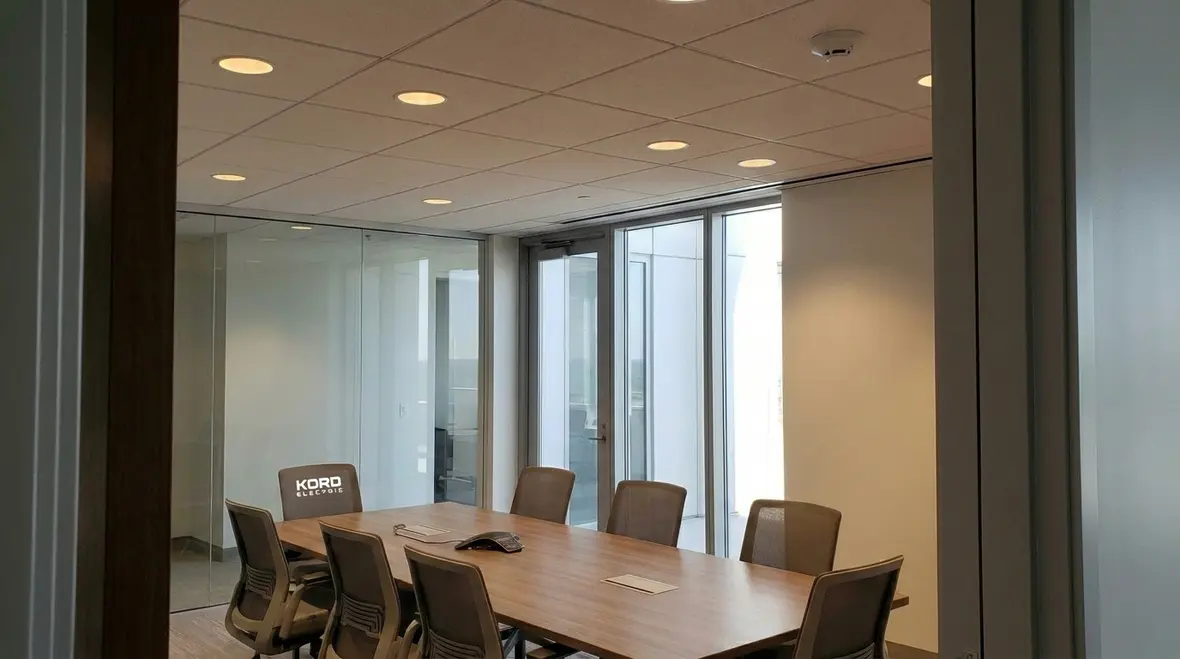
When control architecture is planned alongside fixture selection and layout, properties can also stay aligned with evolving code expectations. Resources like our California commercial lighting code guide for 2026 help project teams understand how zoning, sensors, and schedules support Title 24 and related energy requirements over the long haul.
What sensors and dimming actually do in day to day operations
People often ask what “advanced” means beyond a few lights turning on and off. In real buildings, it means better control of brightness, not just binary behavior. Dimming is a big deal because it reduces energy smoothly and keeps visual comfort steady. When sensors trigger dimming, occupants still feel the space is bright enough to work, but the building avoids lighting at full power all the time.
For offices and support areas, motion and occupancy sensors can prevent lights from staying on after people leave. Additionally, some sensors can detect partial activity patterns, which helps spaces like conference rooms, training areas, and break rooms. For industrial sites, controls also support task lighting strategies where appropriate, while maintaining overall safety and code compliance.
Then there is the matter of glare and uniformity. Dimming that changes too fast can feel annoying. That is why commissioning matters. Kord Electric’s expert service staff set fade rates and minimum levels so the transition feels natural. In other words, the lights do not flicker like a bad reality show edit. They move smoothly, calmly, and predictably.
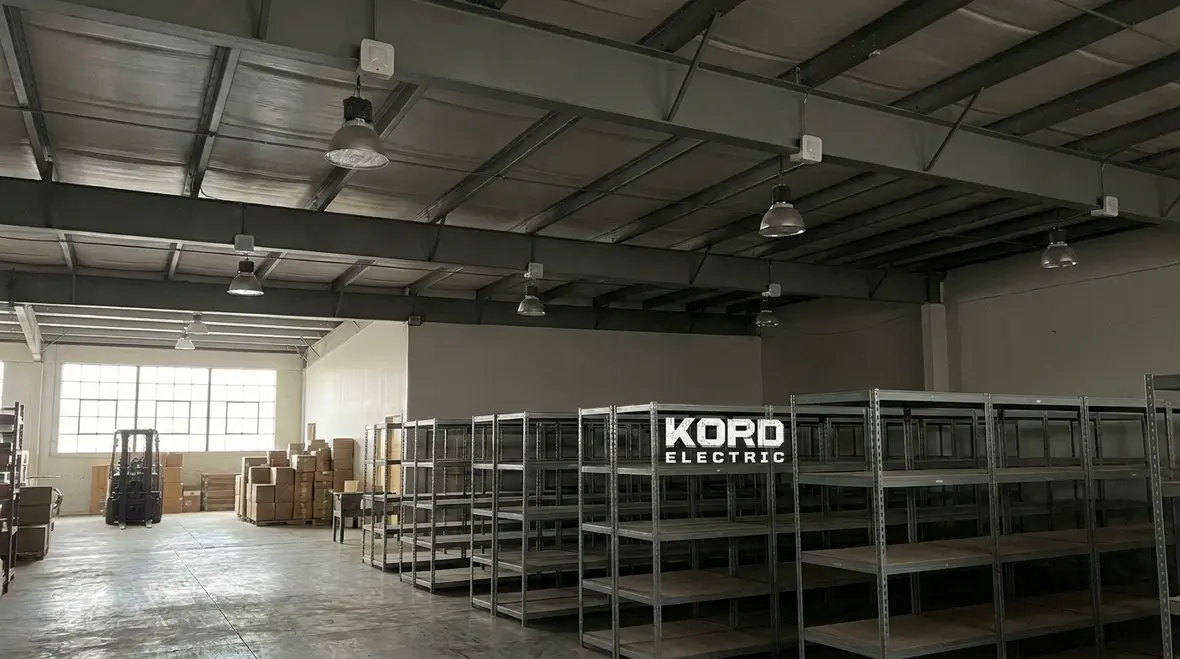
Smart control of brightness also supports workplace comfort and safety. If you want a deeper dive into how poor lighting affects daily operations, our breakdown of workplace lighting safety hazards that hurt productivity shows how issues like glare, flicker, and inconsistent light levels quietly erode performance until someone finally decides to fix them.
Installation and commissioning that protects performance
Even the best control hardware fails if it gets installed without care. Wiring errors, wrong sensor placement, or poor zone grouping can lead to unexpected results, and the facility team ends up blaming the system instead of the setup. Kord Electric builds from experience on commercial and industrial projects, where time and continuity matter.
Our approach includes proper placement of sensors based on real traffic patterns and mounting heights. Next, we confirm aiming angles for daylight sensors, because sunlight does not follow building drawings politely. Then we test response times, verify that schedules match shift calendars, and confirm that scenes work like the facility expects.
Commissioning also includes setting up override rules. Facilities need control, but they also need flexibility during maintenance, special events, or safety procedures. Therefore, we configure manual overrides with sensible limits so staff can act fast without permanently breaking the energy strategy. Finally, we document settings and train the site team. Our technicians walk through the system in clear terms so the facility manager knows exactly what to check when something changes.
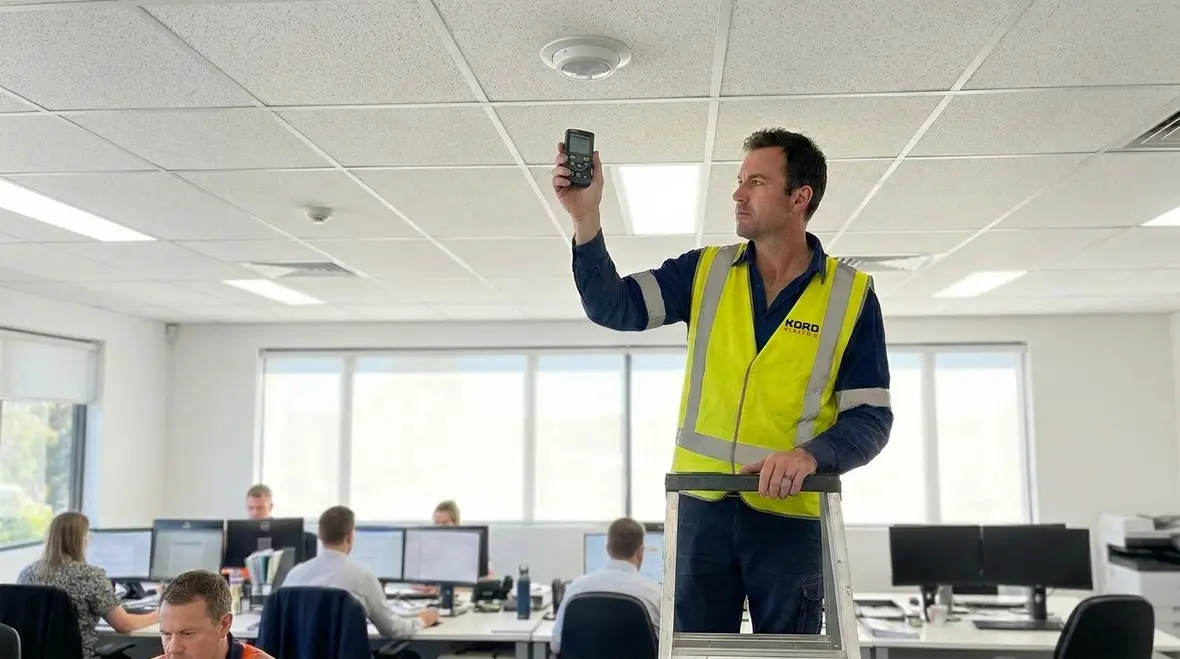
For projects where inspections and documentation matter just as much as the hardware itself, our lighting installation code compliance guide outlines how careful planning, commissioning, and paperwork keep your lighting controls and fixtures aligned with safety and energy standards.
Integration with building management and safety systems
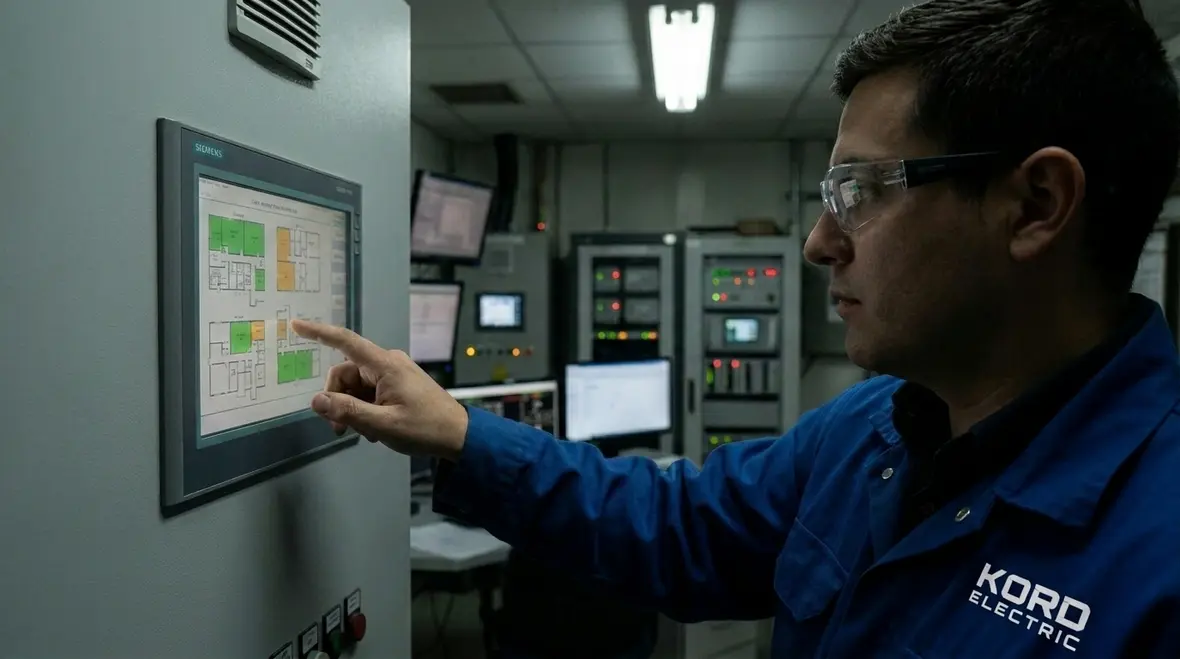
Many major property buildings want controls that do not live in isolation. They need lighting to cooperate with HVAC scheduling, security events, or building management signals. When lighting controls integrate with central systems, the facility can coordinate energy savings across departments rather than chasing savings one panel at a time.
For example, if a building management system signals that a zone goes into occupied mode, lighting can follow that state. Likewise, if a schedule changes for a holiday or special production run, lighting updates with it. As a result, energy savings become part of the facility rhythm, not a separate project.
Safety and code requirements also matter. Emergency lighting behavior, life safety circuits, and emergency overrides follow specific rules. Kord Electric plans those boundaries from the start, so the control system supports normal operation without risking compliance. This is also where documentation helps. Others should not have to reverse engineer your lighting strategy at 2 a.m. during a shift change. We design for clarity.
How facilities track savings and improve over time
After installation, success should not rely on “feels like it saves.” Instead, we help clients track performance using practical indicators. First, we compare pre installation behavior to post commissioning behavior in targeted areas such as offices, loading docks, and corridors. Then we review runtime patterns, occupancy response, and dimming levels.
In many buildings, the biggest gains come from addressing the biggest waste sources: after hours lighting, underused zones, and areas with strong daylight potential. However, gains can also improve after staff adoption. When the facility team understands overrides and scenes, the system runs closer to its intended plan.
Kord Electric supports continuous improvement. Our expert service staff can adjust settings when operations change, such as new shift times, renovated spaces, or updated tenant layouts. Instead of treating the project as “done,” we treat it as a living system that evolves as your facility evolves. That is how energy savings stay real and consistent.
FAQ: Commercial lighting controls for energy savings
Ready to modernize lighting control in your facility
If your building wastes power in empty zones or burns energy at the wrong hours, it is time for a smarter lighting plan. Kord Electric designs and installs lighting control systems for commercial and industrial facilities and major property buildings, with technicians who explain every step and support long term performance. Reach out to us for a focused walkthrough, a practical control strategy, and commissioning that protects both comfort and compliance. Let us help your facility run like it actually has a brain.
When you are ready to pair advanced controls with durable, code-compliant fixtures, explore our dedicated lighting installation services for commercial and industrial facilities. Our team can align fixture layouts, control zoning, and future maintenance plans into one streamlined project that supports both energy savings and long term reliability.
For facilities that want controls support wrapped into a broader reliability program, our electrical preventive maintenance services help keep lighting, panels, and distribution equipment working together, so your commercial lighting controls for energy savings stay tuned as your site evolves.