Commercial Emergency Power Generator Planning
Kord Electric helps commercial facilities plan an Emergency power generator installation that actually performs when it matters. We start by treating the project like a mission, not a plumbing job, because when the grid goes dark, your building cannot shrug and say, “We’ll circle back.” Instead, our team maps loads, checks code needs, and builds a plan your operations team can follow. Then we schedule the work in a way that respects your uptime, safety rules, and your real-world workflow. And yes, we explain the details clearly, because nobody wants a generator project run like a mystery novel where the clues arrive late.
In this article, we lay out the essential steps for commercial emergency power generator installation planning, using the kind of practical thinking our technicians and expert service staff bring to every industrial site and major property building we support.
Assess the site and define the backup purpose
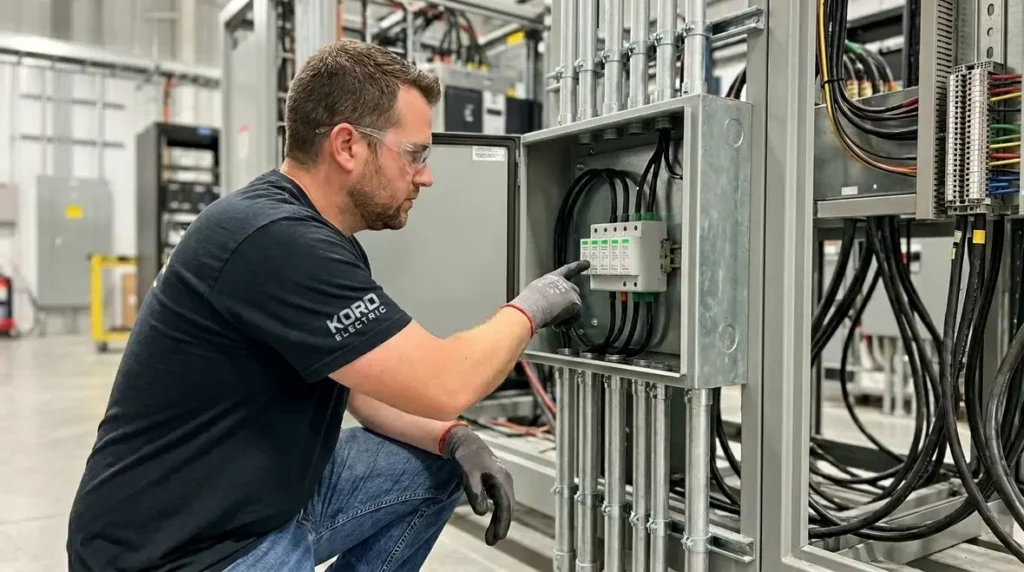
First, we evaluate the building and the generator site conditions. That means we review the physical space for the unit, check access for delivery and service, and confirm that the installation area supports safe operation. Next, we look at hazards like noise limits, exhaust paths, and fuel storage constraints, because those issues show up later if you ignore them now. Transitioning from “where it will go” to “what it must do,” we also clarify the backup purpose. Is it life safety loads only, like egress lighting and fire systems, or is it critical business power for servers, cooling, medical-like equipment, and key industrial processes?
At Kord Electric, our technicians guide this step with structured questions and on site observations. Then we document the basis for the plan so others, including facility leadership and contractors, follow the same logic. When the scope is clear early, the project stays calm later, which is good for everyone. Even the generator, if it had opinions, would probably prefer clarity.
Perform load studies that match real operations
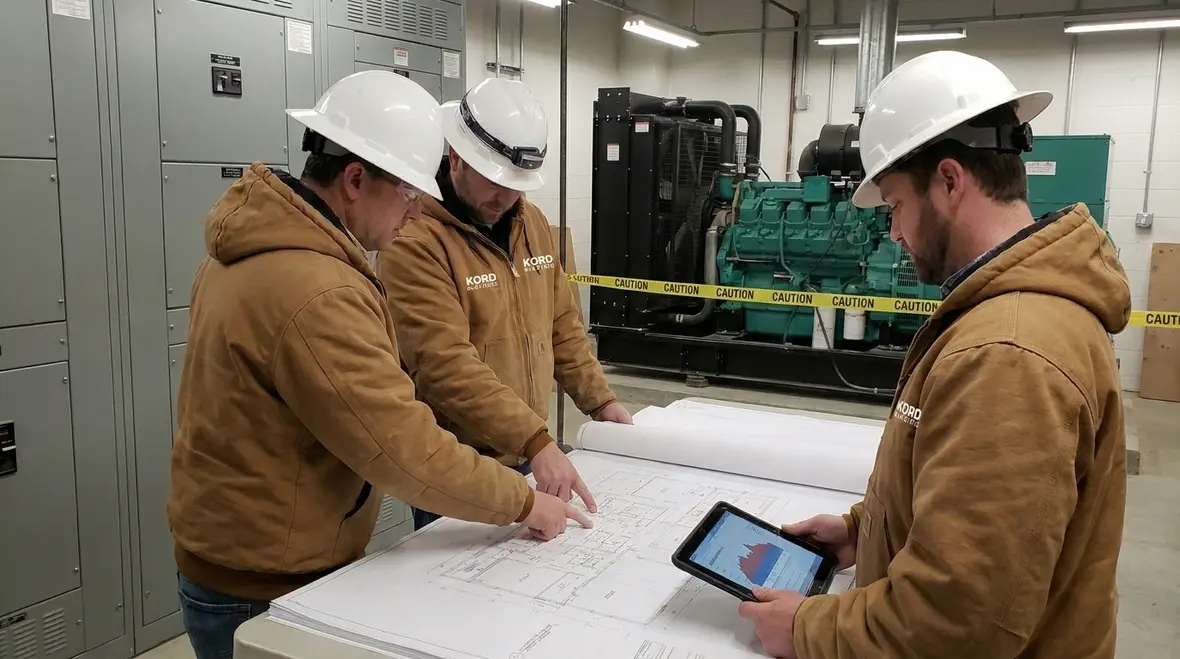
After site assessment, we move to load planning, because the biggest mistake we see is guessing. A load study replaces guesswork with measurement and engineering. We identify electrical loads by category, estimate starting and running currents, and evaluate how equipment behaves during a power loss. Also, we consider diversity factors so we do not oversize the system just to make the spreadsheet feel safe. However, we do size with enough margin to handle inrush currents, motor starting, and control power needs.
Next, we define transfer priorities. Some systems require immediate power. Others can wait a short delay. In that transition, we help stakeholders decide what stays up and for how long. Then we confirm whether the building requires staged restoration or time delayed loading to reduce stress on the generator. Finally, we connect the load study to the equipment list so the generator, ATS or transfer equipment, and electrical distribution are aligned.
Our expert service staff explains these steps in plain terms, so your team understands how the plan translates to wiring, controls, and performance. In the end, the goal is simple: when the lights go out, the right parts of the facility keep working, not everything at once like a holiday parade.
Design the electrical transfer and control sequence
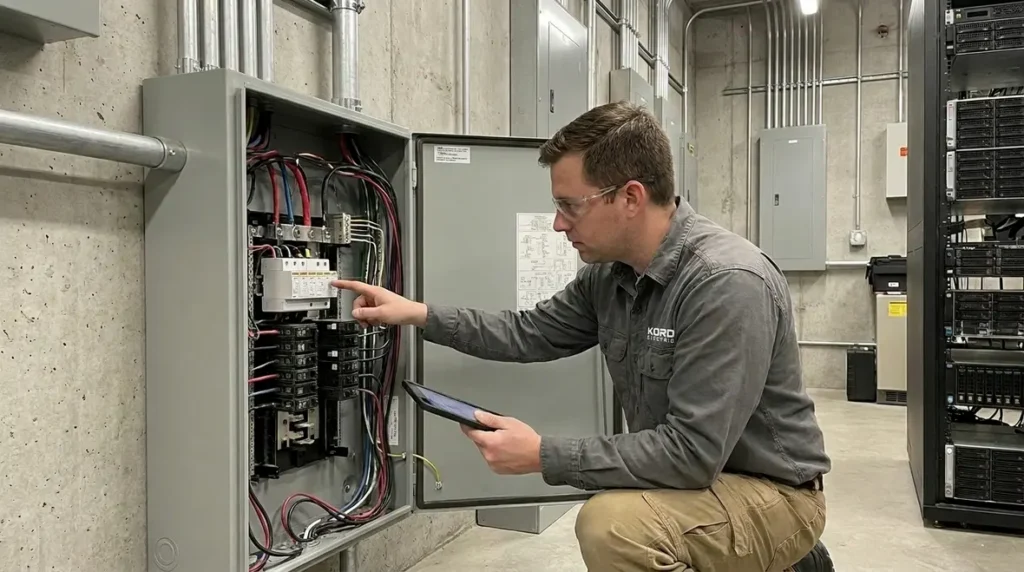
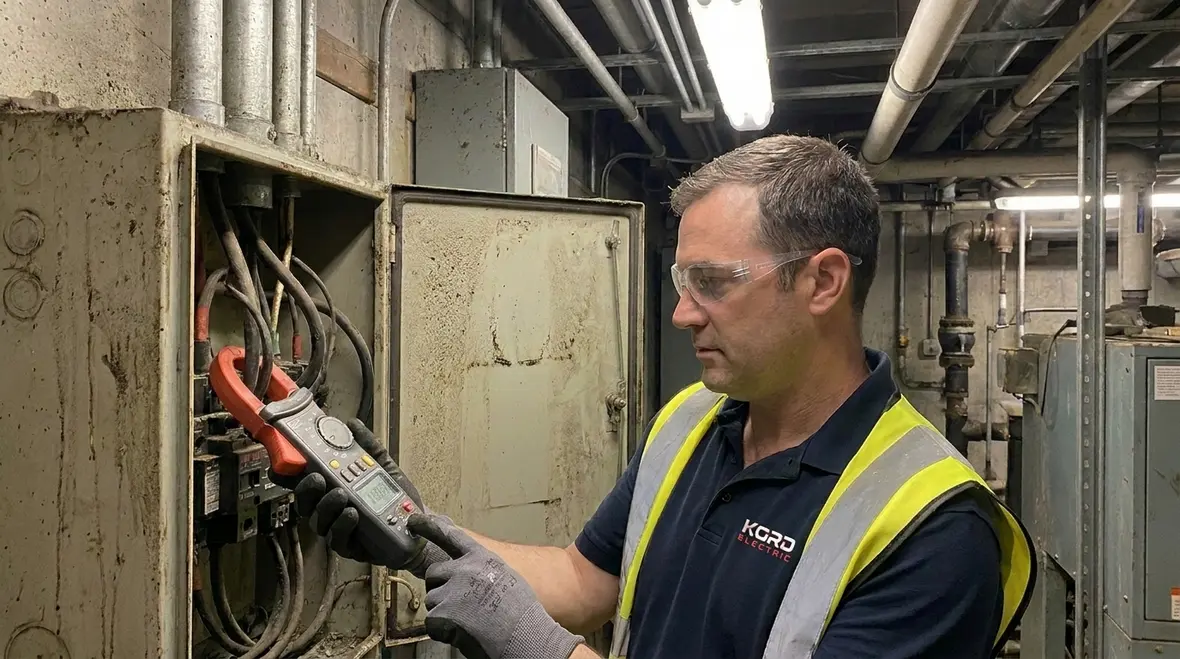
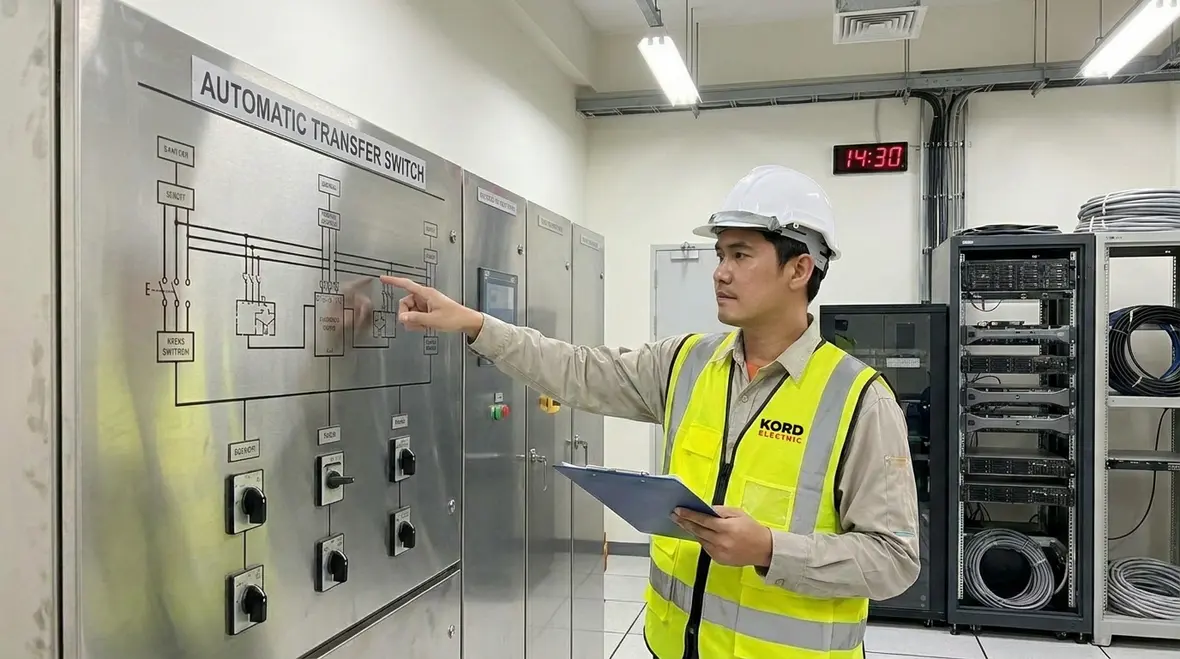
Now we plan the transfer and control sequence, because timing and control logic decide whether your systems stay stable. We review the utility interface, the main distribution layout, and the intended operating mode. Then we define how the building transitions from utility power to generator power. We also confirm the type of transfer equipment needed and how it integrates with existing panels and controls.
After that, we address protective coordination and switching behavior. For example, sensitive loads can face brief interruptions that need management, and motor loads may require specific sequences. Therefore, we design for safe operation and reliable startup under generator conditions. We also cover signals and monitoring points, such as alarm status, runtime tracking, and fault reporting, so facility staff know what is happening without playing electrician detective.
Transitioning from design to execution, our technicians then align this control plan with the practical realities of installation. We verify wiring routes, control interfaces, and labeling needs so the finished system supports ongoing maintenance, not just first power up.
Plan fuel, runtime, and maintenance access
Next comes fuel and runtime planning, because a generator that starts strong but runs out early defeats the whole purpose. We evaluate fuel type and supply method, then estimate the runtime needed based on critical operations and local response expectations. After that, we plan storage capacity and delivery logistics. If the facility needs frequent long runs, we do not just pick a fuel tank size and walk away. Instead, we design for safe storage, proper venting, and reliable refueling procedures.
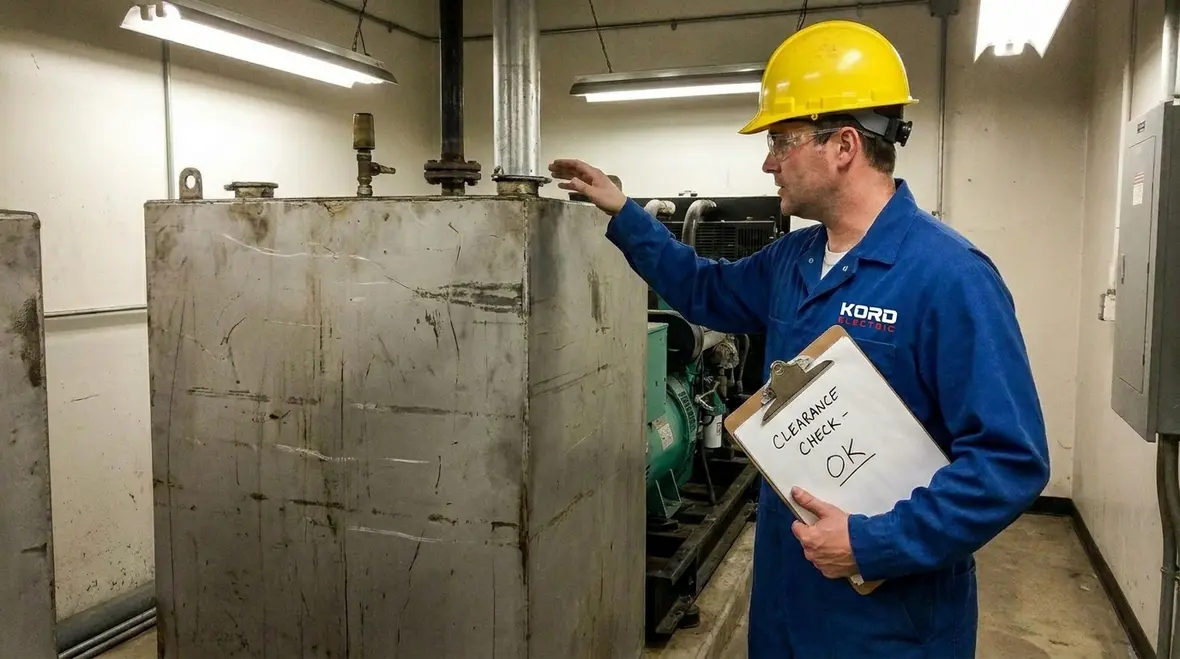
Then we consider maintenance access. A generator must be serviceable without turning your site into a temporary demolition zone. We plan clearances, access for technicians, space for filter changes, and safe paths for routine checks. Also, we ensure components stay reachable even when the facility layout tightens due to other contractors. This is one of those details that feels boring right up until you need it, and suddenly it is not boring at all. It is “why is nobody making space for this” time.
To keep operations smooth, our expert service staff explains maintenance intervals and what facility staff can handle versus what trained technicians should do. That shared understanding prevents delayed service and keeps performance steady over the life of the system.
Confirm code requirements, permits, and utility coordination
Compliance planning protects your investment. Therefore, we start by confirming applicable electrical and safety codes for commercial and industrial facilities, plus local permit requirements. Next, we coordinate with utility requirements where needed, including interface rules and any settings that must align with utility conditions. We also consider fire and life safety expectations, because emergency power is rarely only an electrical topic.
Then we document the plan so the project team can follow it. We prepare the needed submittals, support the permit process, and coordinate inspections with clear schedules. Transitioning smoothly from paperwork to field work reduces delays, and delays cost money. Facilities already have enough disruptions, and we do not want to add more just because a form was filed late or a detail was missing.
Our technicians and service staff also help clients understand what inspectors look for, what documentation matters, and how to keep the project moving. In plain terms: we make the process less mysterious, so the building does not get surprised by an inspection checklist at the worst possible time.
Schedule installation to protect uptime and safety
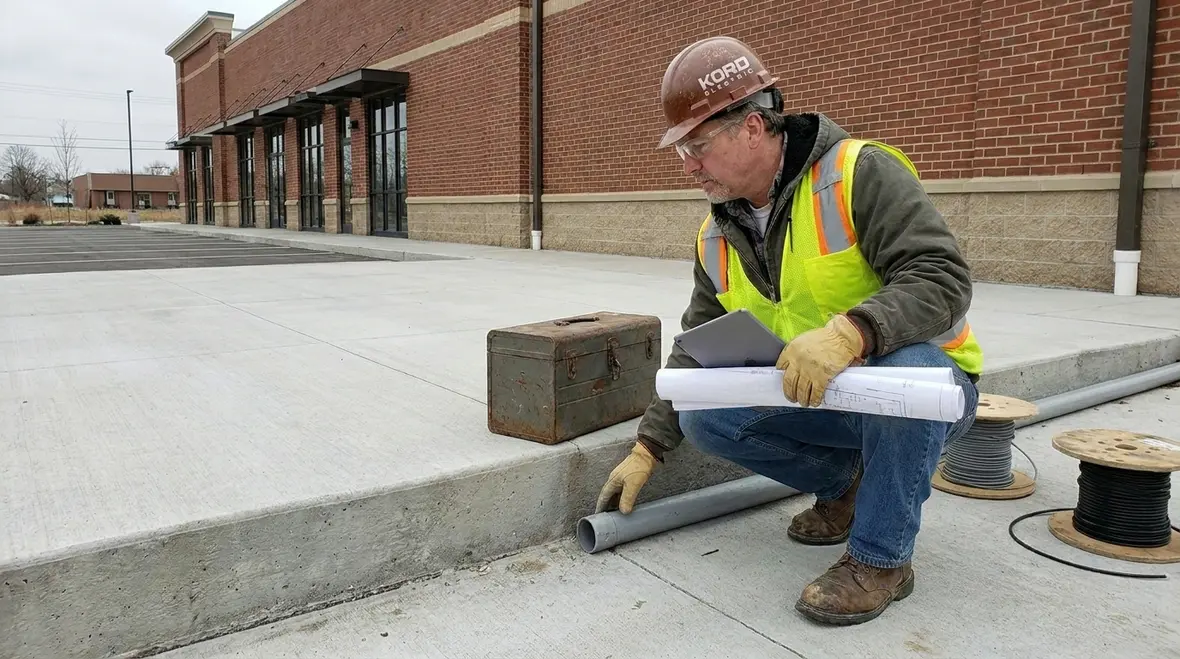
Planning the schedule matters as much as the design. First, we review shutdown windows and critical operating timelines. Then we define how installation work will affect power distribution and how we manage temporary conditions during setup. We also plan for safe work practices around electrical systems, fuel handling, and control equipment.
Next, we coordinate site logistics, including equipment delivery timing and staging areas. Transitioning from logistics to execution, we manage installation steps so cables, conduit, and terminations occur in a logical sequence. That sequence helps quality control. It also reduces rework, which is the least fun game in any project.
Our expert service staff then performs commissioning checks and functional tests to confirm the system works as designed. We verify transfer behavior, monitor startup response, and confirm alarm and control signals. And when the system meets the plan, we document results for your records and future service planning.
Think of this step like soundcheck before a concert. Nobody wants a generator project that opens with a surprise. Unless you are into chaos. We are not.
Budget for the whole lifecycle, not just the first invoice
Many teams budget only for purchase and installation, then ignore the long term picture. We recommend a lifecycle view. That view includes planned maintenance, fuel costs, monitoring options, and future upgrades if your facility expands or retools equipment. After all, critical loads change. A new production line, a new server room, or added HVAC capacity can shift your emergency power needs.
Therefore, we plan for serviceability from day one. We also help you set maintenance plans that keep the generator ready. Transitioning from “what it costs” to “how it performs,” we consider whether your facility needs load bank testing, how alarms are handled, and what response procedures your team follows during outages.
At Kord Electric, our approach supports commercial and industrial facilities and major property buildings, where budgets must support reliability and compliance. In the long run, proactive planning costs less than reactive troubleshooting. And reactive troubleshooting tends to show up at night. Like every bad decision in human history.
Tie backup power into broader maintenance planning
For many organizations, the smartest move is to integrate Emergency power generator installation into a structured maintenance program instead of treating it as a one-time capital project. Aligning generator inspections, ATS testing, and emergency lighting checks with your electrical preventive maintenance schedule keeps your systems ready without constant firefighting or last-minute scrambles before audits.
FAQ: Emergency generator installation planning
Planning Emergency power generator installation alongside other services
Commercial facilities rarely upgrade just one system at a time. When you plan Emergency power generator installation, it is often the right moment to review lighting circuits, emergency egress systems, and other critical infrastructure. Coordinating with projects like recessed lighting installation or panel upgrades can reduce shutdowns and keep your overall construction timeline cleaner.
Conclusion: Start planning now with Kord Electric
If you plan early, your Emergency power generator installation goes smoother, costs less over time, and supports real business needs when the grid fails. Kord Electric works with commercial and industrial facilities and major property buildings, and we guide your team through load studies, transfer controls, compliance, scheduling, and commissioning. Don’t wait for the next outage to find out your backup plan was only half built. Contact us today for a planning consultation and we will map a reliable path forward.
For organizations that want ongoing protection, we can also fold your generator, ATS, and emergency distribution into a structured electrical preventive maintenance program. That approach keeps your backup power aligned with inspections, testing, and documentation so you remain ready for outages and audits alike.
If you are ready to move from “we should really get a generator” to a real, code-compliant Emergency power generator installation, our commercial electrical team can help you scope, design, and execute the project with minimal disruption to your operations.