Proactive Commercial Lighting Maintenance Tips
Commercial lighting maintenance tips that keep your site steady
Facility managers do not wake up hoping for lamp failures. They wake up hoping everything stays lit, safe, and compliant. That is why we recommend these Commercial lighting maintenance tips as a proactive rhythm, not a last minute scramble. In the sections below, we show how our team at Kord Electric helps commercial and industrial facilities run lighting like it should: predictable, measurable, and easy to plan. And yes, we will also save you from the classic “it only flickers when no one is looking” problem, because that is usually when it stops working entirely.
Build a lighting maintenance plan that fits real operations

First, we start with a schedule that matches how your facility actually runs. Some sites have night production. Others have tenant turnover. Either way, lights fail when people need them most, so our planning must respect shift timing. Then we map fixtures by zone, floor, and criticality, so we know what matters first. In other words, we do not treat every hallway the same as the loading bay.
Next, we use a simple system for tracking work: what was done, when it was done, and what was observed. When our technicians record conditions like discoloration, high glare, and recurring flicker, the data tells a story. Over time, that story points to the likely root causes, such as drivers that age faster under heat, or ballasts that do not like frequent cycling.
Finally, we align the plan with budgets and downtime tolerance. We help others set realistic service windows and scope levels, so maintenance stays steady and does not disrupt production. This is where proactive becomes powerful: you stop reacting to emergencies, and you start preventing them.
How we set priorities using safety, energy, and risk
Lighting is not just comfort. It affects safety, visibility, and compliance in commercial and industrial spaces. Therefore, we prioritize areas based on risk. For example, we treat dock lights, egress paths, and safety zones as high priority because reduced light output can create hazards.
We also weigh energy impact. When a site uses older lamps or inefficient drivers, the energy cost builds month after month like a quiet bill you forgot to pay. Meanwhile, LED systems that have failing components can dim unevenly. That leads to more than customer complaints. It can affect productivity because people adjust, rather than focus.
Then we consider maintenance history. If one product model keeps returning for the same symptom, we adjust. In practice, our expert service staff compares observations across locations, and we recommend changes that reduce repeat failures. This keeps the plan honest, not hopeful.

What our technicians inspect during routine commercial site visits
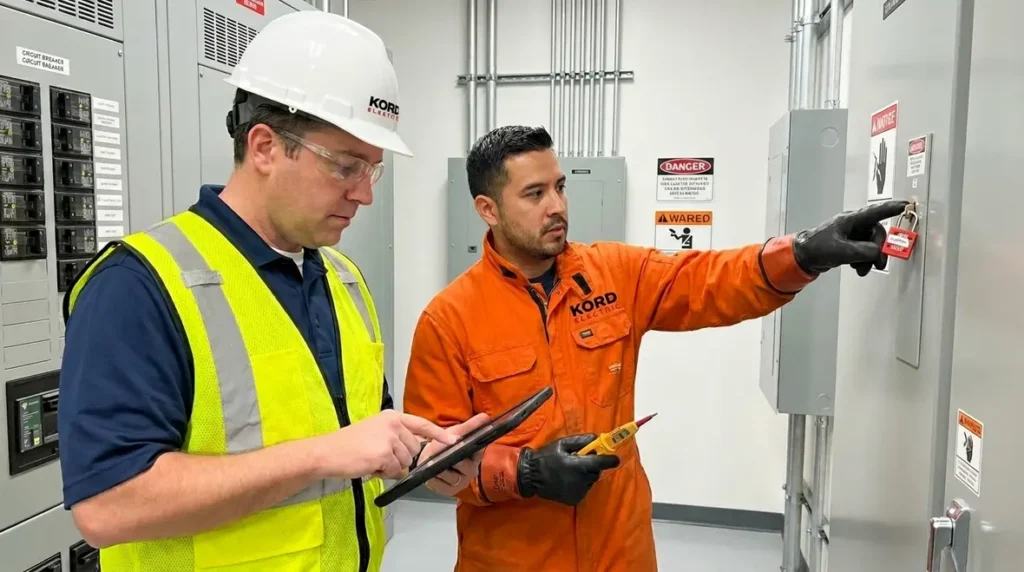
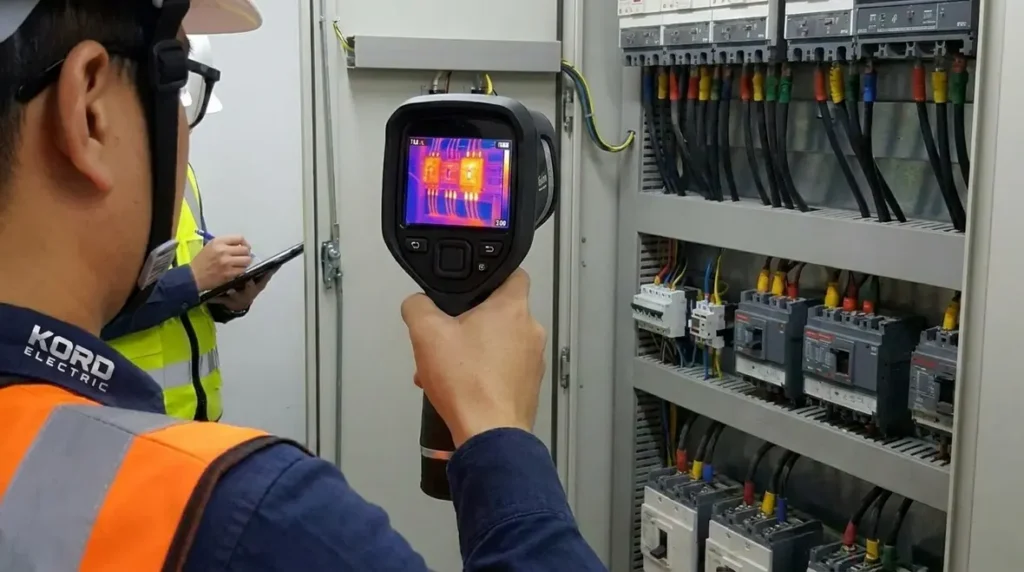
Routine inspection is where the “proactive” part earns its keep. Our technicians approach lighting like detectives, not spectators. They check more than “is it on.” They watch for patterns that signal future failures. For example, they look for flicker, rapid cycling, and uneven brightness. They also inspect cover integrity, lens condition, and moisture exposure, especially in areas where dust and humidity do their best work.
We also check mounting and alignment. Loose brackets and vibration can damage drivers and wiring connections. In industrial facilities, equipment movement adds stress. So when we see wear at junction points, we address it before it becomes arcing or intermittent outages.
Additionally, our expert service staff examines controls and switching behavior. Photocells, occupancy sensors, and dimming systems can drive issues if settings do not match the space. If a sensor triggers too often, drivers cycle more than they should. That is not a small detail. It shortens life.
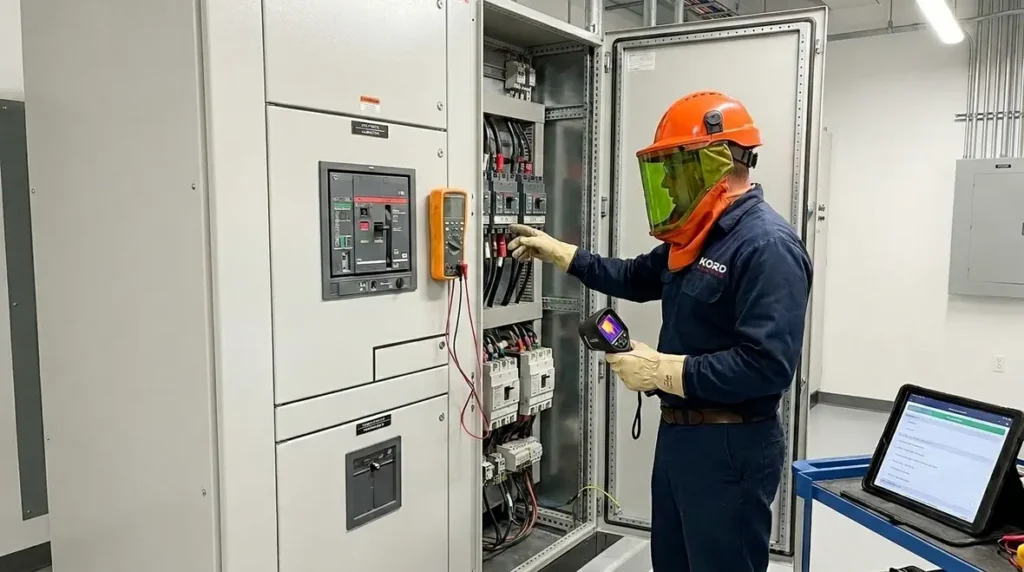
Lastly, we verify emergency lighting performance where applicable. We do not guess. We measure, test, and document outcomes so the site stays ready when it matters.

Plan relamping and driver replacement to avoid “surprise dark” zones
Even with LEDs, components do age. Proactive Commercial lighting maintenance tips include planning for drivers, not just fixtures. In the field, we see that some sites wait for dead lights, and then they discover the rest of the system suffers similar wear. That is like waiting for one tire to pop before you check the other three. Sure, the car still moves. Until it does not.
We help others choose a replacement approach based on observed performance and operating conditions. If an area runs at high ambient temperatures, components may reach end of life sooner. So we adjust replacement windows. When dimming is used, we also review driver compatibility and settings.
Then we coordinate replacement with occupancy and production needs. We can phase work by zone, so your team retains visibility during the day. This reduces downtime and keeps the site functional. And because our service staff documents the work, facility managers can show due diligence to stakeholders without rewriting a report every time something changes.

Use smart controls wisely, then verify the results
Controls can cut energy use and improve comfort, but only if they work correctly. Therefore, we recommend commissioning and ongoing verification for systems like timers, daylight sensing, occupancy controls, and dimming strategies. A control that runs the lights at 20 percent when it should be at 60 percent will not save energy in the way you want. It will simply make people crank up their workload to compensate for poor visibility.
We also verify schedules and sensor placement. If a sensor sits behind a door, it will miss motion. If daylight sensors face a bright exterior wall, they can misread the space. When we spot those issues, we adjust settings and layouts, then we retest to confirm performance.
In addition, we look for control conflicts. Sometimes multiple devices influence the same fixture group. That can cause unexpected dimming, flicker, or rapid changes. Our expert service staff helps isolate the cause and correct it, which keeps the lighting stable and predictable.
Prevent moisture, heat, and vibration damage before it spreads
Commercial and industrial facilities face harsh conditions. Dust, moisture, and heat can degrade components. Vibration can loosen connections. So we treat environment like a first class variable, not an afterthought.
During service, our technicians inspect seals and gaskets where applicable. They check conduit entries and cable glands for damage. They also look for condensation risk in enclosed fixtures. When water gets inside, it can create corrosion at terminals and connections. That does not always fail instantly. Instead, it builds resistance over time until the circuit behaves badly.
Heat also matters. Many sites run lights in areas where temperatures run high, like near manufacturing lines or near high output equipment. When drivers operate above their intended range, they age faster. Therefore, we evaluate fixture placement, ventilation assumptions, and installation practices.
Finally, vibration damage needs attention. We inspect brackets and wiring supports. We confirm that connections are secure and properly torqued. When we address these points early, we reduce repeat repairs and keep your lighting system from becoming a constant support ticket generator.
Dual column: documentation and scheduling that facility teams can actually use
What we capture
Fixture condition notes, flicker patterns, lens and cover status, and control behavior
Driver and emergency lighting test outcomes, plus measured observations
Photo records by zone and location
Clear service dates and scope details
Why it matters
It helps managers plan replacement windows and reduces guesswork
It supports safety readiness and easier compliance reporting
It speeds follow up service and clarifies recurring issues
It keeps budgets predictable and reduces emergency scheduling
FAQ about proactive commercial lighting maintenance
Why Kord Electric keeps commercial lighting reliable
We support commercial and industrial facilities, and major property buildings, with a maintenance approach built for real life. Instead of waiting for outages, we help others build plans, prioritize risk, and schedule service that prevents recurring failures. Our technicians inspect with care, and our expert service staff explains what we find in plain terms, so your team can make confident decisions. If you want lighting that stays bright, predictable, and compliant, contact Kord Electric today for an assessment and service plan.
For facilities planning larger upgrades or combining maintenance with retrofit work, explore our detailed resource on commercial lighting upgrade cost to see how proactive maintenance and LED improvements can work together over the long term.
When you are ready to translate these Commercial lighting maintenance tips into real-world projects, our dedicated lighting installation services team can help align new fixtures, controls, and code requirements with your ongoing maintenance plan.
If your facility also needs broader preventive support beyond lighting alone, you can coordinate visits and documentation through our structured electrical preventive maintenance programs, which keep critical systems steady while your lighting stays compliant and reliable.
By pairing these proactive Commercial lighting maintenance tips with expert field support, facility teams can turn “hope it stays on” into a predictable, well documented maintenance rhythm that keeps people safe, operations steady, and inspections uneventful.
To discuss a customized lighting maintenance plan for your commercial or industrial property, connect with our team and schedule a site assessment. We will walk your facility, review existing systems, and build a roadmap that matches your operating hours, risk profile, and budget expectations.