Commercial EV Charger Load Management for Fleets
Commercial EV Charger load management: where fleets stop fighting the grid
At Kord Electric, we focus on Commercial EV charger load management because fleets cannot afford power hiccups, blown breakers, or surprise downtime. In the real world, chargers pull large loads, and a busy site can swing from quiet to chaotic in minutes. Therefore, we help commercial and industrial facilities keep charging steady by planning how power moves across the property. In addition, our approach supports load control, smarter scheduling, and safe upgrades when they truly matter. And yes, it feels like herding cats, but with better documentation and fewer claw marks.
Others may treat EV charging like an add on. We treat it like a system. That mindset helps property owners, facility managers, and fleet operators meet growth goals without turning their electrical room into a drama series.
How load planning protects operations and avoids costly surprises
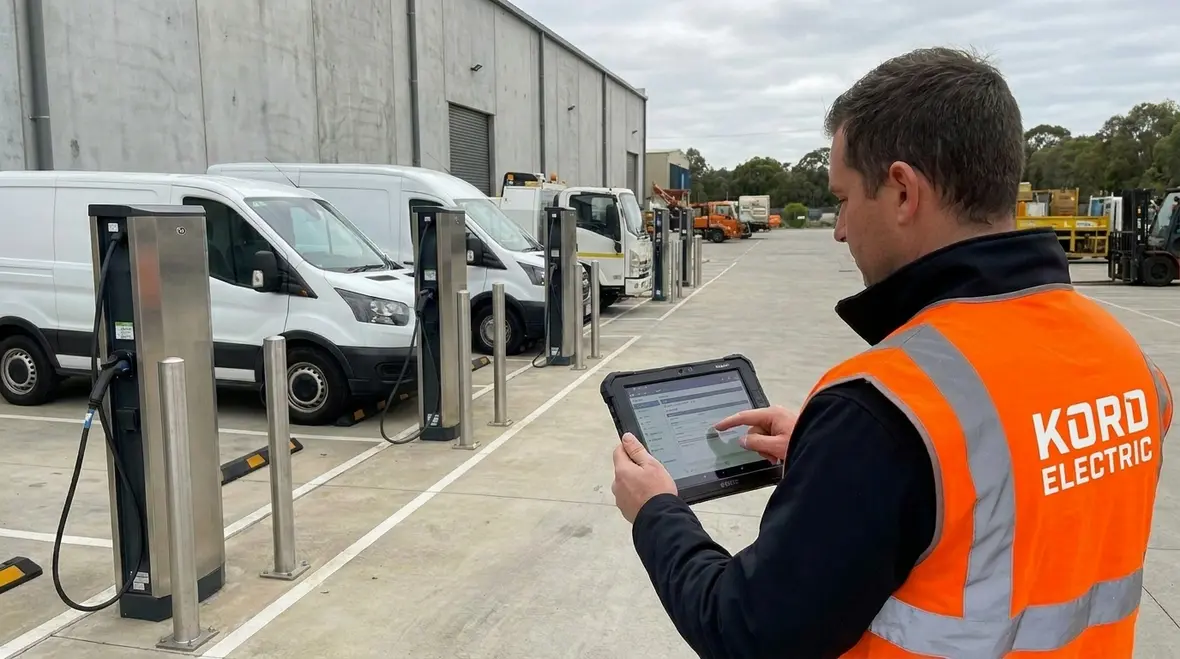
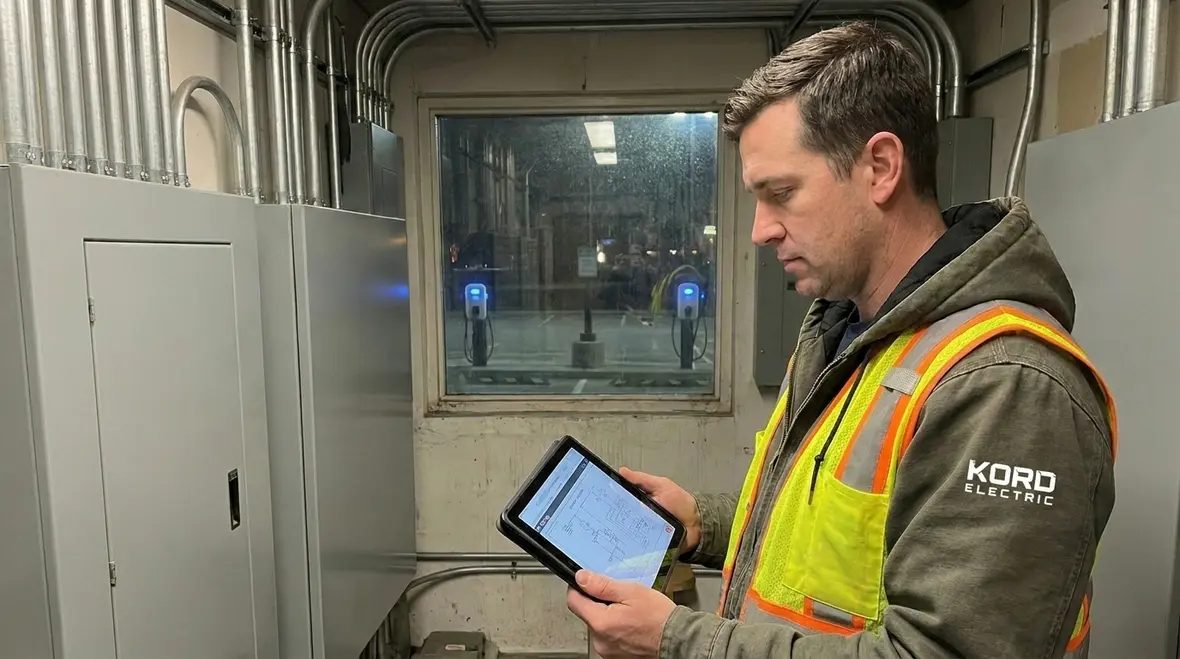
To maximize capacity, we start with how the facility actually runs. We look at transformer ratings, service size, existing panel capacity, and how loads behave across the day. Then we map those realities to charging demand. As a result, our team avoids guessing, which is a classic way to end up with a bill you do not want.
Next, we build a load plan that considers peak usage windows. For example, a warehouse might run dock activity at the same time employees charge. A multi tenant building might see HVAC spikes at the same time parking garage users plug in. Therefore, we design charging strategies that reduce conflict during those peaks. Even small timing changes can keep demand within safe limits.
Finally, our technicians explain every step in plain language. They walk others through what we model and why. That way, the fleet manager or property owner does not have to rely on vibes, fortune telling, or the electrical equivalent of “trust me, it is fine.”
Charging smarter across sites, garages, and mixed duty cycles
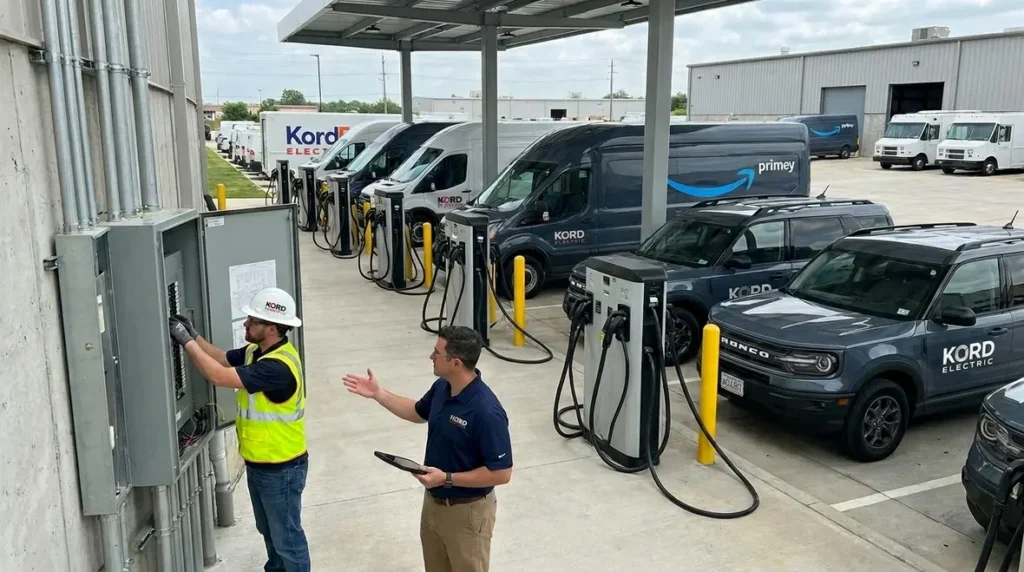
Fleets do not charge like personal cars. They charge based on routes, shifts, and maintenance needs. Consequently, charging can cluster in predictable waves. Our Commercial EV charger load management strategy uses those patterns. We coordinate charger output so the site shares power rather than competing for it.
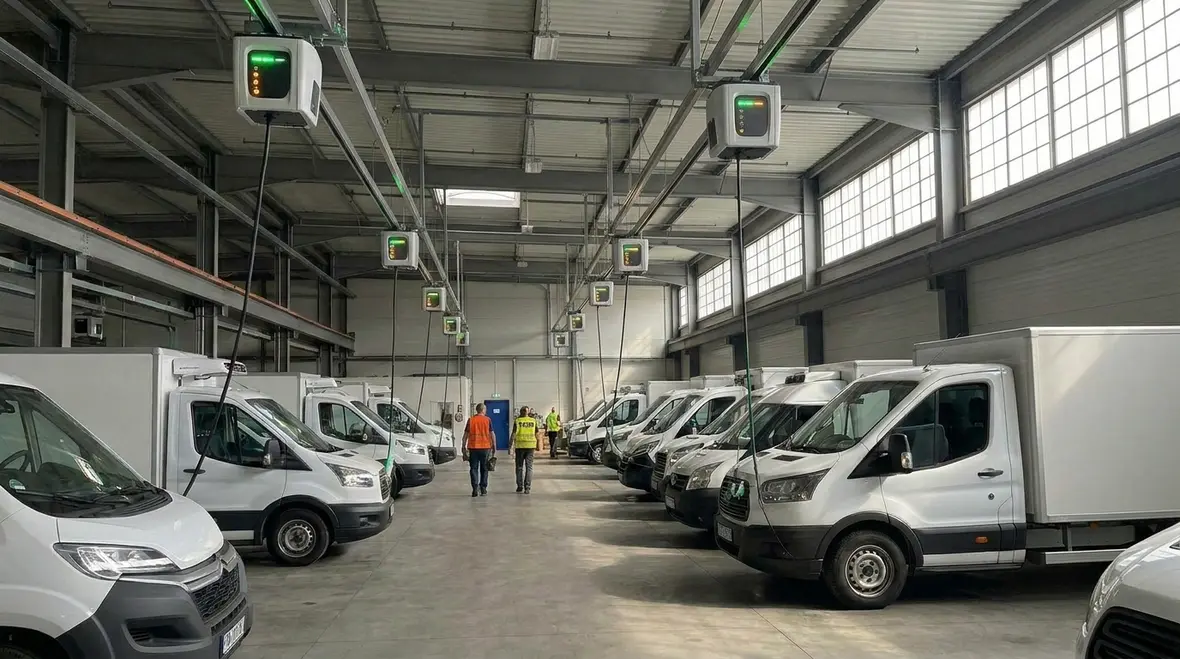
For multi bay operations, this matters even more. Instead of treating each charger as an isolated device, we treat them like a network. That means when several vehicles arrive at once, the system responds by balancing available capacity. In other words, chargers do not all go full power at the exact same moment. Then they ramp as capacity returns.
We also account for mixed duty cycles. Some vehicles need quick top ups. Others need longer sessions. So we align charging profiles with how each fleet actually operates. As a result, the charging plan supports uptime, not just installation.
Our expert service staff then helps explain what operators will see day to day. They tell others what behaviors are normal, what indicators to watch, and how the control logic keeps demand stable. When your chargers behave predictably, everyone sleeps better. Even the night security guard.
Power control options that fit commercial electrical realities
Once we understand the load profile, we match the site with the right control approach. Some properties need basic scheduling. Others need active power sharing. In several cases, we combine both so the site stays within electrical limits without slowing charging more than necessary.
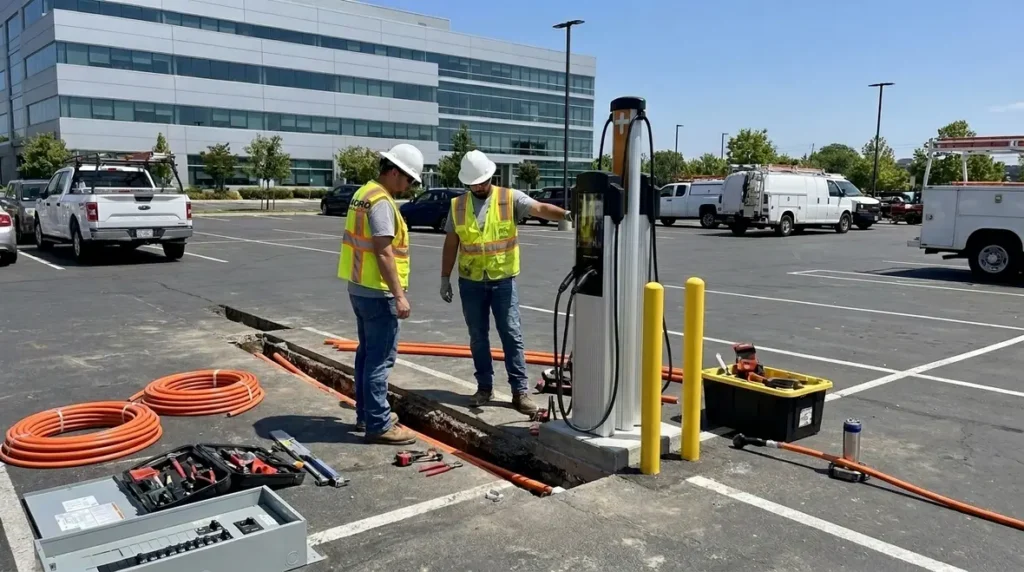
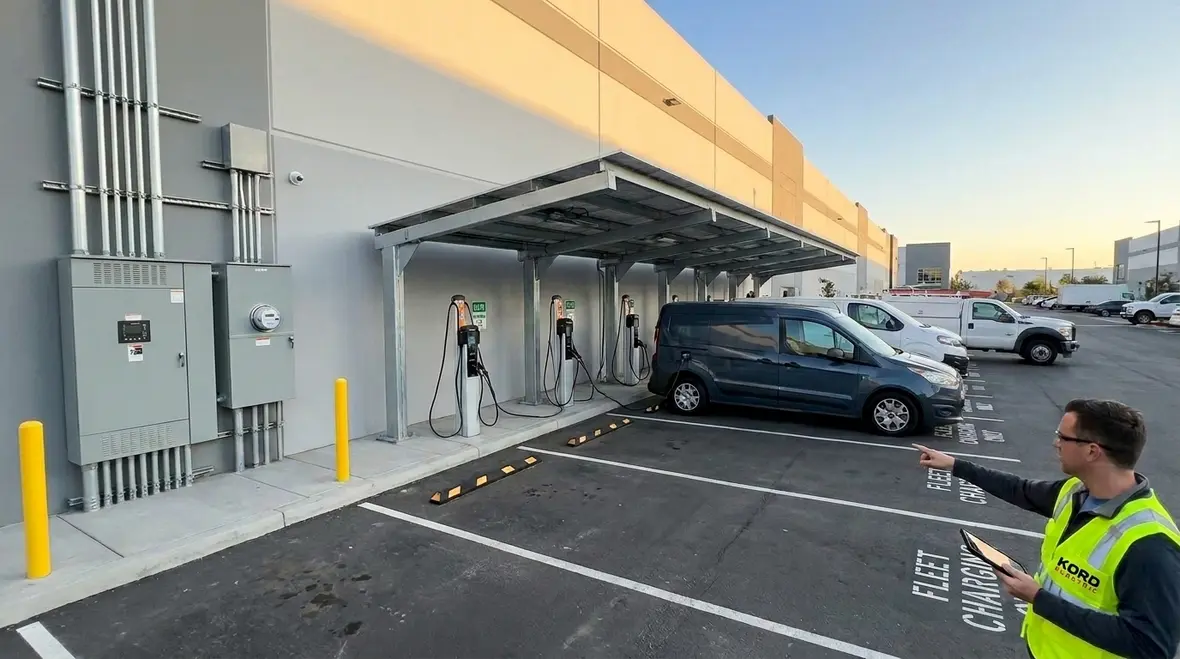
Our work also includes a practical look at infrastructure. That includes safe placement of equipment, conduit routing, and proper electrical protection. Additionally, we verify that the installation supports the intended control method. If a control system relies on sensor feedback or communication, we make sure those parts are installed correctly and tested.
Then we coordinate any required electrical upgrades in a clean, professional sequence. For major property buildings, this includes planning around tenant schedules and operating hours. Therefore, we minimize disruption while still delivering a reliable outcome.
Throughout the process, our technicians use clear explanations. They show others how load limits work and how the system protects the site. That education matters because operators manage charging every day. When the staff understands the “why,” the equipment feels less mysterious and more like a tool.
Installation best practices we apply for fleet-ready performance
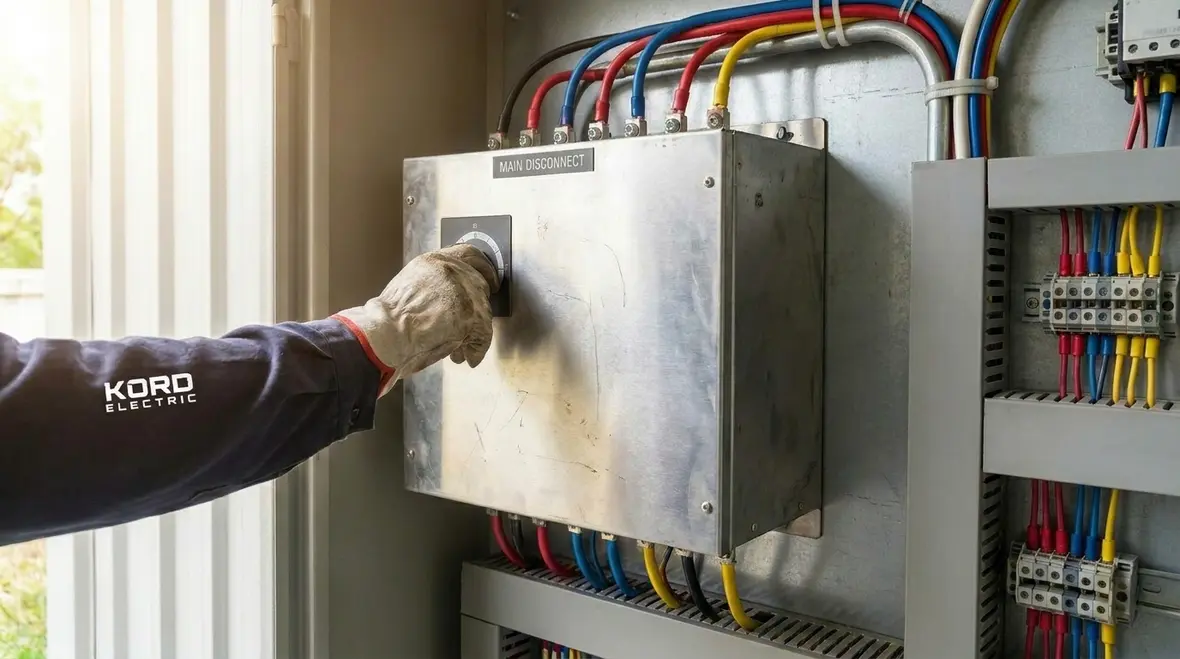
Even the best load strategy fails if the install is sloppy. We follow commercial grade practices designed for busy sites. As a starting point, we confirm the electrical design meets code and supports future growth. Next, we ensure the chargers receive stable power and that circuits remain protected under real conditions.
We also pay attention to physical installation quality. Chargers need solid mounts, weather safe components where required, and correct labeling for site staff. In addition, we plan for cable management and safe routing so crews can maintain the equipment without turning the area into a wiring puzzle.
If you want to see our installation flow, Kord Electric documents the EV charger installation approach we use. We focus on a process that reduces risk and supports long term uptime. Then we test and verify performance so the fleet sees charging when they need it, not when the system feels like it.
Monitoring, reporting, and service that does not disappear
Commercial fleets want visibility. They want to know if the system runs within limits and how usage trends change month to month. So we support monitoring options that align with the facility needs. When others can see charging behavior, they can adjust schedules, plan fleet growth, and reduce guesswork.
Moreover, load management supports smarter reporting for property teams. It helps them explain costs, charging patterns, and capacity planning decisions with real data. Instead of arguing in meetings about “it seems busy,” teams review numbers and move forward.
And when something needs attention, our expert service staff stays accountable. We do not treat service like a mystery box. We schedule work, communicate clearly, and address faults quickly. That matters because a charger outage can ripple into missed routes, delayed deliveries, and frustrated drivers. For commercial and industrial facilities, that is not a minor inconvenience.
So, we help others build a reliable charging experience that supports the business. Not just an installation day photo. Yes, that photo looks great, but the fleet needs the lights to stay on.
How to scale from a few chargers to a fleet expansion plan
Many facilities start with a small number of chargers. Later they add more, and the electrical system has to keep up. Therefore, we plan for scaling from day one. We evaluate whether the site can handle future growth through load controls, smarter power sharing, and targeted electrical upgrades.
In practice, scaling means setting up the control strategy so it can expand. We avoid designs that only work for today’s vehicle count. Instead, we create a foundation that supports additional chargers and updated fleet needs without redoing everything.
Next, we align the charging plan with operational milestones. If a fleet adds shifts or expands routes next quarter, we factor that into capacity thinking now. That reduces the “we will figure it out later” energy that turns projects into emergencies.
Finally, our technicians explain the roadmap in a calm, direct way. They translate electrical planning into something operators can manage. As a result, others get a clear path for growth, not a vague promise with a future invoice.
For facilities across the region, that roadmap often connects Commercial EV charger load management with broader services such as Los Angeles County electrical services. When charging strategy and core electrical work stay aligned, the site avoids competing priorities and fragmented upgrades.
FAQ
Ready to upgrade without breaking your capacity plan
If others are adding chargers and hoping the electrical system keeps up, we recommend a better path. At Kord Electric, we build Commercial EV charger load management plans for commercial and industrial facilities and major property buildings. We assess capacity, design the control approach, install with care, and support ongoing service. So your fleet charges when it should, not when the grid allows. Whether you are adding a first set of chargers or scaling a mature program, our team can connect your project with related services such as dedicated EV charger installation and broader commercial support so the entire plan moves in one direction.
When you are ready to move from ideas to action, we help you step through assessment, design, installation, and long term support with a steady, documented process. Contact us today to schedule an evaluation and get a clear, dependable charging roadmap for your fleet.