
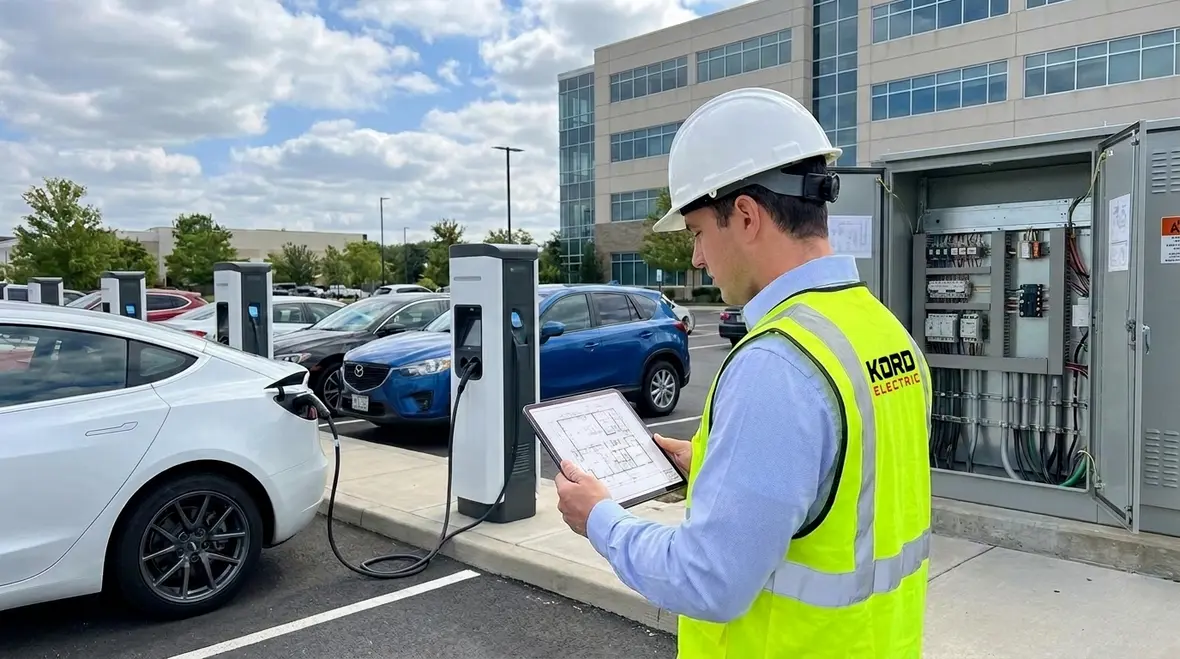
Commercial EV Charging Planning Electrical Capacity Layout
In commercial EV planning, we treat charging like any other critical utility. That means we look at power first, then we design the site so drivers find chargers fast and maintenance stays simple. Our Commercial EV Charging Planning: Electrical Capacity, Layout & Infrastructure starts with electrical capacity, because a charger that cannot draw the right amount of power is like a coffee shop with no coffee. And yes, we have heard that joke before, but it still lands.
To keep the system reliable, we plan cable routes, breaker sizing, and panel capacity alongside the physical layout of the parking area. Then, we add the right controls so charging runs on schedule and on budget. In the sections ahead, we walk through how our technicians think, how our expert service team explains options, and how major property buildings can scale without headaches.
Commercial EV Charging Planning: Electrical Capacity, Layout & Infrastructure for Businesses
Commercial EV Charging Planning: Electrical Capacity, Layout & Infrastructure for Businesses is about turning “we should add chargers” into a real, dependable system that fits your building. We start with a structured review of power, layout, and operational needs, then design a network that feels almost invisible to drivers. They plug in, sessions finish, and your electrical system stays calm.
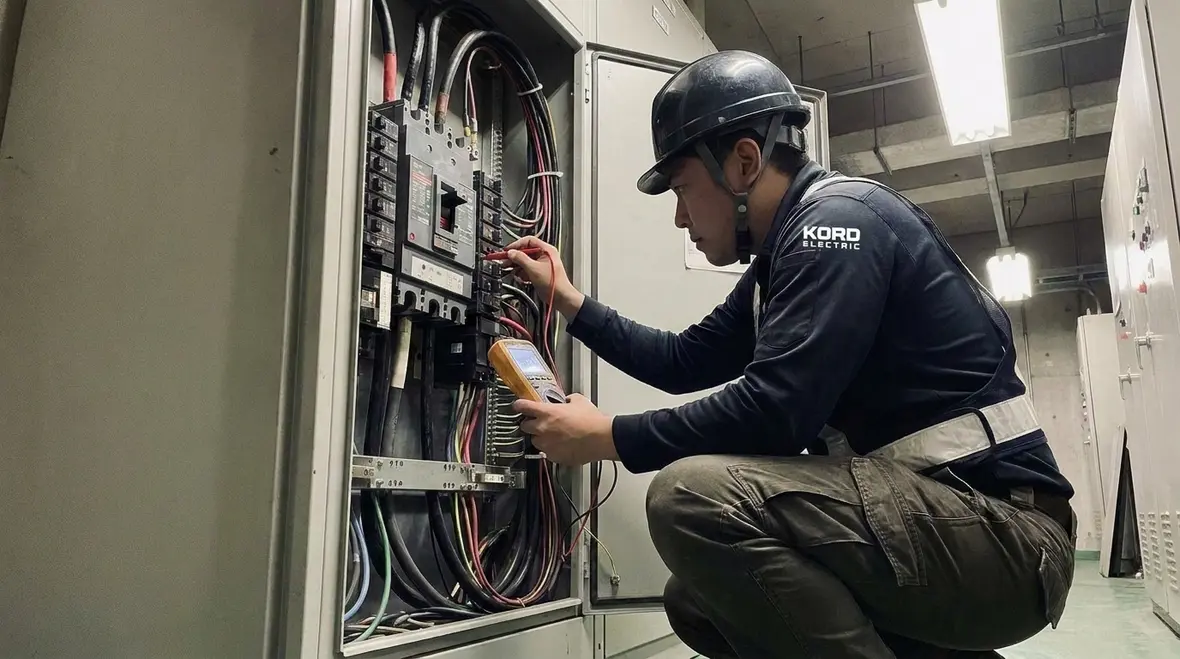
Because EV charging ties directly into uptime and tenant satisfaction, the plan has to be more than equipment spec sheets. It has to connect breaker sizes, panel capacity, distribution, and layout to the real-world way your facility operates. This is where Commercial EV Charging Planning: Electrical Capacity, Layout & Infrastructure becomes more than a title and turns into a practical roadmap you can build against.
If you want to go even deeper into phased rollout and long-term growth strategy, you can also explore Kord Electric’s broader guide on scaling commercial EV charging infrastructure, which pairs well with the electrical capacity and layout details in this article.
Step one: Size the electrical capacity before anyone pulls a permit
First, we confirm the facility electrical service size and the available capacity in the main panels and feeders. After that, we map out how much load the chargers will add during peak periods. Because businesses do not always charge at one neat time, we model usage patterns across shifts, events, and seasonal demand.
Next, we decide whether the site can support the new load through existing capacity or whether we need upgrades. Sometimes the solution is as straightforward as adding dedicated circuits. Other times, the building needs a service upgrade, transformer work, or additional distribution. We do not guess. We measure, we calculate, and then we plan.
Meanwhile, our technicians walk through the numbers in plain terms. Our expert service staff explains what happens if you install chargers first and ask questions later, and they do it in a way that keeps things calm. In short, they help you avoid the common problem: paying for equipment twice because the electrical foundation was not ready.
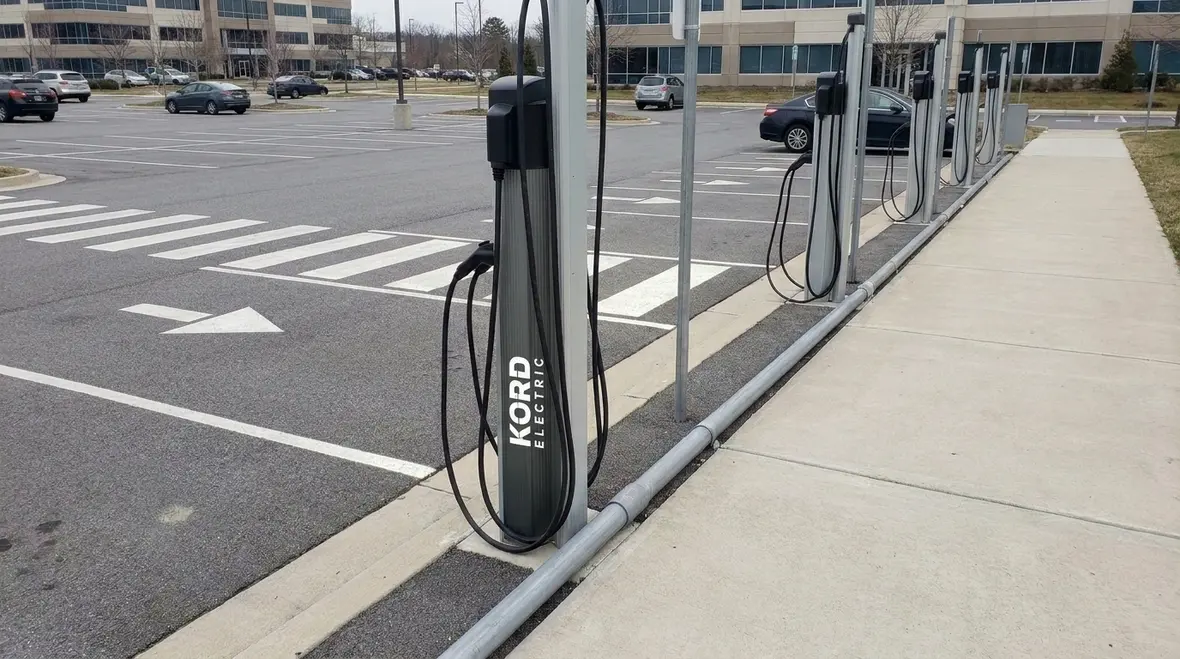
This first phase also sets the stage for coordination with utilities and future upgrades. When we treat Commercial EV Charging Planning: Electrical Capacity, Layout & Infrastructure as one continuous thread instead of separate tasks, it becomes much easier to phase in new chargers later without tearing up what you just installed.
How we decide the layout so charging stays safe and easy to use
Then we move from power to place. We evaluate where chargers should go based on driver flow, parking patterns, and the movement of delivery vans, employee vehicles, and fleet drivers. In commercial lots and major property buildings, drivers do not want to hunt for equipment, and property managers do not want chargers blocked by constant reshowing of the parking plan.
To build an effective layout, we consider cable routing paths, clearances, and equipment placement so the installation stays serviceable. We also plan for vehicle proximity and access so staff can reach connectors for maintenance. And we think about future growth. A site that adds chargers today often adds more next year, because adoption tends to increase once people stop thinking about EVs like they are a science project.
Finally, we design with safety in mind. We plan for proper grounding, weather protection, and physical protection where vehicles could contact equipment. It sounds basic, but safety details are what separate a reliable charging network from a “works until it rains” situation.
This layout work connects directly to everyday operations. We factor in how janitorial teams move through the site, how snow or rain may affect access, and where signage should live so drivers can figure things out without a scavenger hunt. The end result is a layout that looks simple because Commercial EV Charging Planning: Electrical Capacity, Layout & Infrastructure did the hard thinking up front.
Electrical capacity, distribution, and controls that keep demand predictable
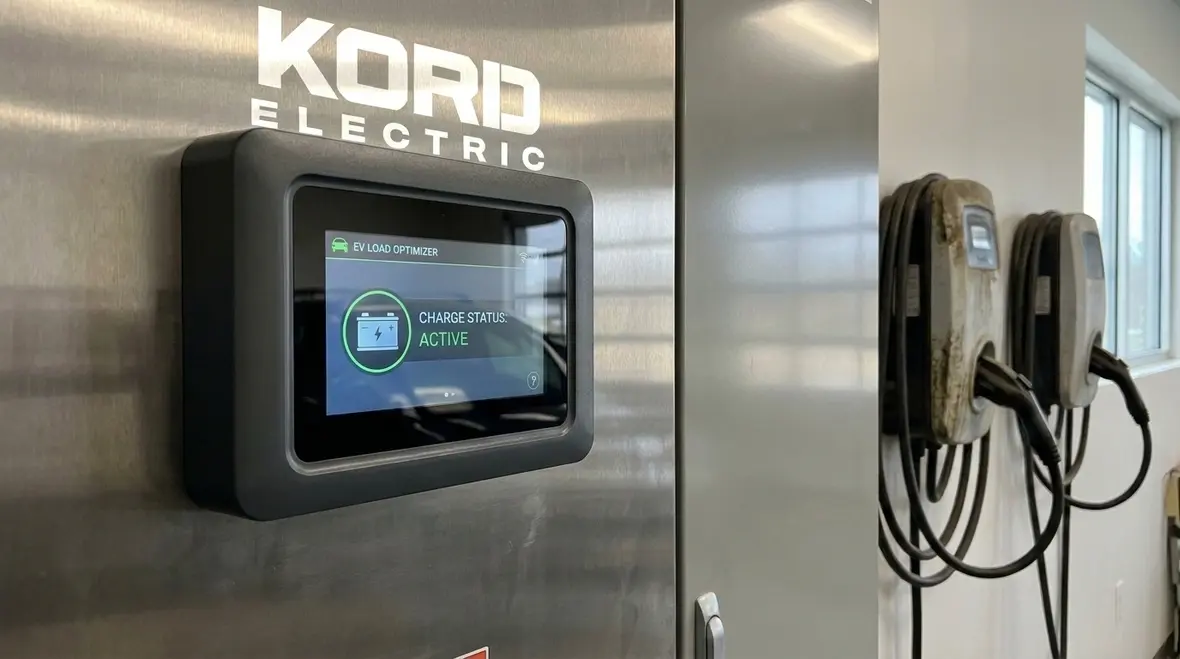
Next comes the heart of the system. We coordinate distribution, circuit design, and load management so charging does not overload the facility during busy times. In commercial settings, demand spikes can happen quickly. For example, multiple vehicles may arrive after a shift ends, or several tenants might plug in at the same time.
That is why we typically pair the electrical plan with smart controls and scheduling. These tools help manage charging power and reduce peak demand. As a result, the building can charge more vehicles without forcing expensive upgrades as soon as demand rises.
Our expert service team also explains how controls interact with the building electrical system, so you know what to expect when usage changes. And yes, we still get asked if a load management system “turns chargers off.” We answer clearly: the goal is not to turn charging into a guessing game. The goal is to keep charging available while protecting the facility.

In practice, this is where Commercial EV Charging Planning: Electrical Capacity, Layout & Infrastructure earns its keep. Smart distribution and controls act like an infrastructure multiplier. They let you support more chargers and more vehicles using the same backbone, while keeping demand charges and surprise upgrades out of your monthly vocabulary.
Permits, interconnection, and utility coordination for major properties
Once the plan is technically ready, we handle the practical steps that keep projects moving. For commercial EV planning, permits and utility coordination often decide the timeline. We help prepare the documentation needed for electrical work, equipment setup, and any utility interconnection requirements.
In many cases, the utility requires load forecasts, single line diagrams, and expected charging behavior. Therefore, we align the electrical capacity plan with the real world charging schedule you want to support. Then we package the information so stakeholders can review it without delays.
We also coordinate with property managers and stakeholders so the installation fits building operations. That includes scheduling work windows, managing temporary impacts, and planning how the chargers will be commissioned. Our technicians and expert service staff keep communication steady, so the project does not feel like a group chat where nobody responds until the deadline.
This coordination phase is also when we tie Commercial EV Charging Planning: Electrical Capacity, Layout & Infrastructure into your broader electrical roadmap across the property. In some cases, it makes sense to align EV work with panel upgrades, preventive maintenance, or other improvements, so you get more value out of each construction window.
Installation details that protect your investment long after launch
After approvals, we focus on execution. We plan cable runs, trenching or conduit routes, and equipment placement so everything is built to last. Then we verify the installation with tests and commissioning checks. This includes confirming correct circuit function, verifying protection devices, and ensuring the system performs as designed under actual conditions.
Because commercial and industrial facilities need uptime, we also consider maintenance access. We place components so technicians can service them without dismantling half the system. We also plan for the realities of a busy site: weather, vehicle traffic, cleaning routines, and occasional mechanical impacts.
Finally, we set expectations for operations. Our team helps building staff understand daily use, troubleshooting steps, and how to report issues. This may sound small, but it prevents the “mystery outage” problem that drains time and goodwill.
At this stage, many facilities choose to connect their Commercial EV Charging Planning: Electrical Capacity, Layout & Infrastructure roadmap with Kord Electric’s dedicated commercial EV charger installation services, so the same team that designed the system also builds and commissions it.
Common pitfalls we help you avoid before they become expensive stories
Many projects hit avoidable trouble. For instance, teams sometimes install chargers without fully accounting for site electrical limitations. Others overlook the role of load management, then get surprised when peak demand triggers breakers or causes slow charging. Another frequent issue comes from layout choices that ignore cable routing and service access, so maintenance becomes a recurring headache.
In addition, some facilities plan for today’s number of vehicles but not tomorrow’s. As adoption grows, the site needs a path to expand without redoing the whole electrical backbone. Therefore, we plan scalable infrastructure from the start, with room for additional circuits, controls, and distribution capacity.
Our expert service staff also helps clients define success. Is the priority uptime for fleets? Tenant satisfaction for multi user buildings? Or predictable energy use and stable costs? By clarifying the goal early, we prevent rework later. And rework costs money, time, and patience, which in business is rarer than time off on a Monday.
Avoiding these pitfalls is not luck. It is the result of treating Commercial EV Charging Planning: Electrical Capacity, Layout & Infrastructure as a single, disciplined process instead of a set of unrelated tasks handled by different vendors who rarely talk to each other.
FAQ
Ready to build a charging network that works for your tenants, fleet, or workforce?
If you run a commercial or industrial facility, you need a charging plan that protects capacity, keeps uptime high, and supports growth. Kord Electric helps businesses and major property buildings design and install EV charging with careful electrical capacity work, clean layout decisions, and clear coordination. We bring expert technicians who explain the details in plain language and move the project toward a confident launch. Contact Kord Electric today, and we will map your next steps.
As you plan your next phase, it can help to look at your EV project within the wider electrical picture. Kord Electric’s Los Angeles County electrical services connect Commercial EV Charging Planning: Electrical Capacity, Layout & Infrastructure with panel upgrades, preventive maintenance, and troubleshooting, so your charging strategy and building infrastructure stay aligned instead of fragmented.
If you are mapping out a larger roadmap for vehicles, facilities, and long-term growth, you may also want to review Kord Electric’s EV-focused content hub, including resources like the EV charging infrastructure planning guide for commercial sites. Together with this article, it gives you a strong, practical foundation for the next decade of electrification at your property.


