
Commercial Generator Requirements California Guide
Commercial Generator Requirements California businesses must know before they buy
When California businesses plan for backup power, we see a lot of people treat it like an afterthought. That is where trouble starts. In this guide, we explain the commercial generator requirements california businesses typically face, especially for commercial and industrial facilities and major property buildings. We also make it clear what stops problems before they happen: correct sizing, proper transfer equipment, safe installation, and a plan for testing and maintenance. Our focus stays on facilities that cannot afford downtime, because in the real world power loss does not care about your schedule, your budget, or your “we will handle it later.”
And yes, we have heard the joke: “If the power goes out, we will just use candles.” That works about as well as trying to run a data center on optimism. We do better than that.
First, confirm your facility type and why it changes the rules
In California, generator needs do not apply the same way to every building. Therefore, we start by confirming what kind of property we serve. Kord Electric only targets commercial and industrial facilities and major property buildings, because those sites often include critical loads like HVAC, elevators, fire systems, refrigeration, security systems, and process equipment.
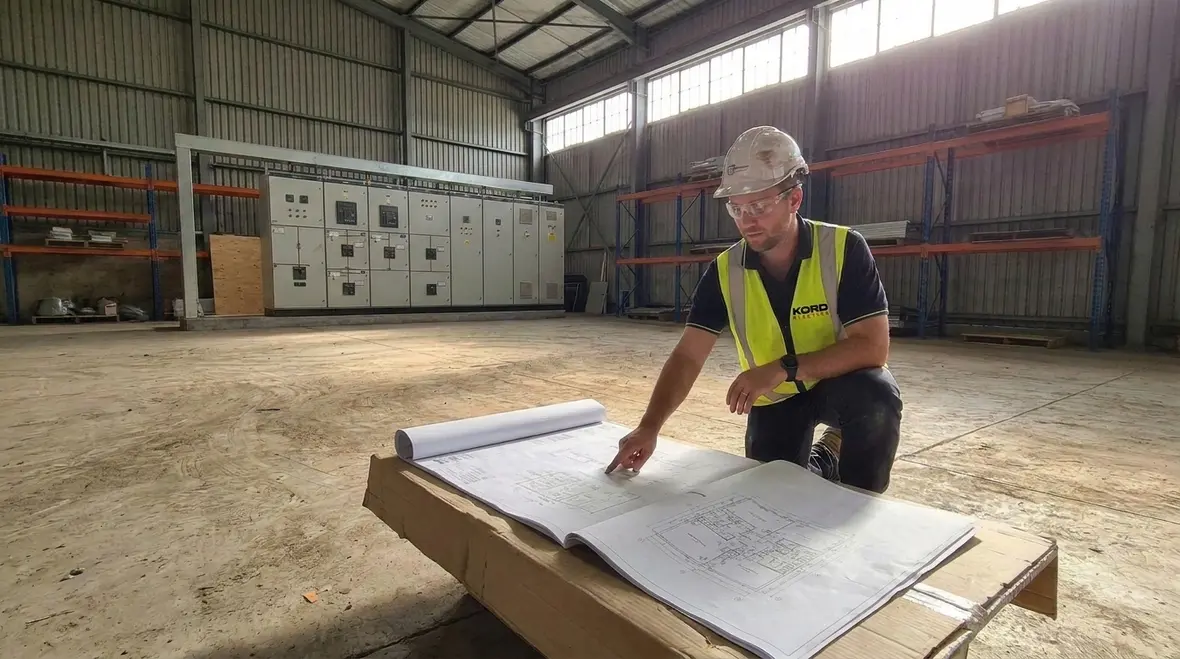
Once we know the facility type, we help others map the risk. A warehouse with a few lights has different priorities than a hospital wing, a high value retail complex, or a manufacturing area with sensitive controls. So we look at where outages hurt most, and we build requirements around that. Next, we review site layout, existing switchgear, and the electrical one line so we can plan the correct integration method rather than guessing.
Our technicians and expert service staff also explain it in plain language. We will show what loads must run first and how you can avoid starting everything at once, which can overload the generator and cause nuisance shutdowns.
Code and compliance checks that matter in California
When people ask about the commercial generator requirements california teams must meet, they usually expect a single checklist. In practice, it is a set of standards and coordination steps that affect safety, interconnection, and ongoing operation. We treat compliance like a system, not a rumor.
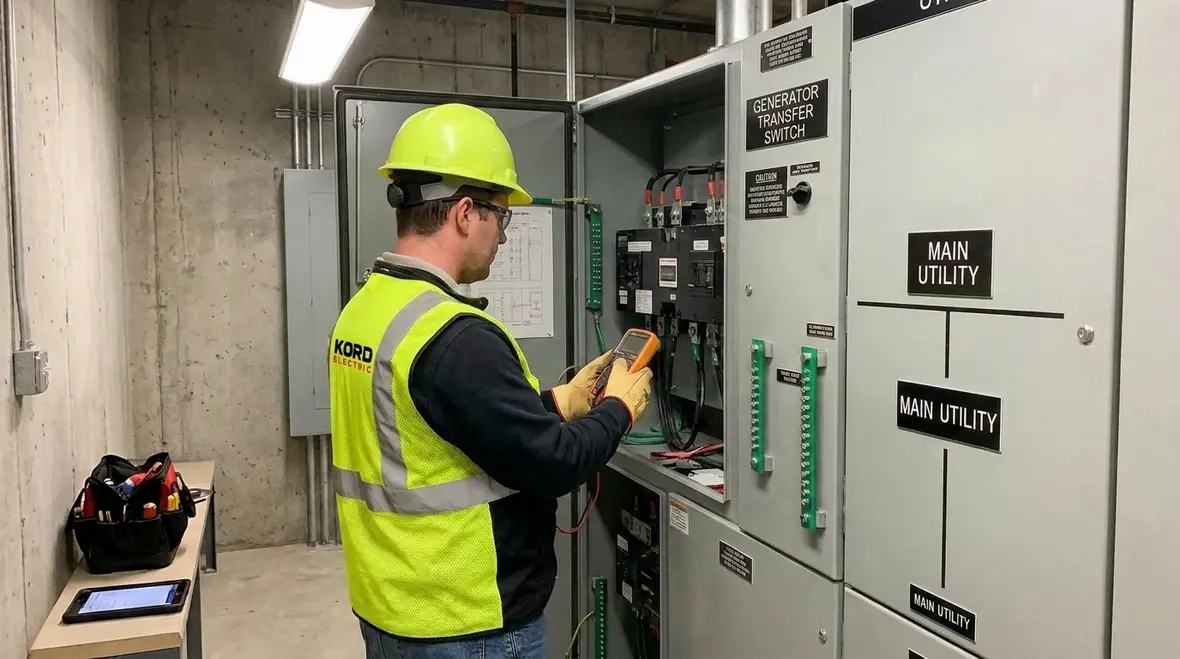
First, we coordinate the generator with the transfer equipment and the existing electrical distribution. This includes making sure the facility can switch safely between utility power and generator power. Then we verify electrical protection settings, grounding, and bonding so fault conditions get handled correctly. We also pay close attention to labeling and documentation, because inspections often look for clarity as much as code details.
For many sites, permitting and plan review come next. We help others prepare accurate electrical drawings, loading assumptions, and installation details. Finally, we plan for how the generator will run in real life, not just during a test run. That includes clear test schedules, load bank considerations when needed, and procedures for safe shutdown.
Our service staff makes sure you understand what we did and why. If someone feels like the process is mysterious, we explain it until it stops feeling like a magic trick. Power systems do not deserve mysticism. They deserve respect.

Size the generator correctly, then protect the electrical system
Generator sizing drives everything. Under size it and you will lose loads when it counts. Oversize it and you will pay for capacity you may not need, plus you can create other issues with cycling and fuel usage. Therefore, we build sizing from actual electrical data, not guesswork.
Our technicians start by reviewing the electrical one line and collecting load information. Next, we identify motor loads and starting currents, because starting power often hits harder than running power. We also account for voltage requirements, phase type, and any special equipment loads. Then we apply realistic operating assumptions based on normal business schedules.
After sizing, we protect the system. That means we verify proper breakers, transfer switches, and coordination so faults do not ripple through your facility. We also make sure the generator handles harmonics and does not cause nuisance trips. If your building runs sensitive electronics, we pay extra attention to power quality and transfer timing.
We also explain load management options. For example, we may recommend priority sequencing so critical systems get power first while non essential loads wait their turn. This approach keeps you from relying on the generator like it is a hero with unlimited stamina. Even superheroes need good planning.
Connecting generator sizing to overall electrical strategy
Correct sizing also fits into a broader electrical game plan. Facilities that routinely push their infrastructure close to its limits benefit from a thorough electrical load capacity assessment, not just a quick glance at a panel schedule. When teams understand how normal operations, seasonal peaks, and future equipment tie into generator sizing, backup power becomes part of a coordinated resilience strategy rather than a standalone purchase.
For example, when commercial leaders evaluate how standby systems protect distribution, it often makes sense to review how existing switchgear, feeders, and panels support both utility and generator capacity. That lens also pairs well with insights from related planning resources such as Kord Electric’s generator installation cost guide for commercial facilities and their broader electrical infrastructure upgrade planning approach. These perspectives help make sure the commercial generator requirements california projects must address stay aligned with long term system reliability, not just short term equipment choices.
Fuel, ventilation, and placement requirements that keep everything safe
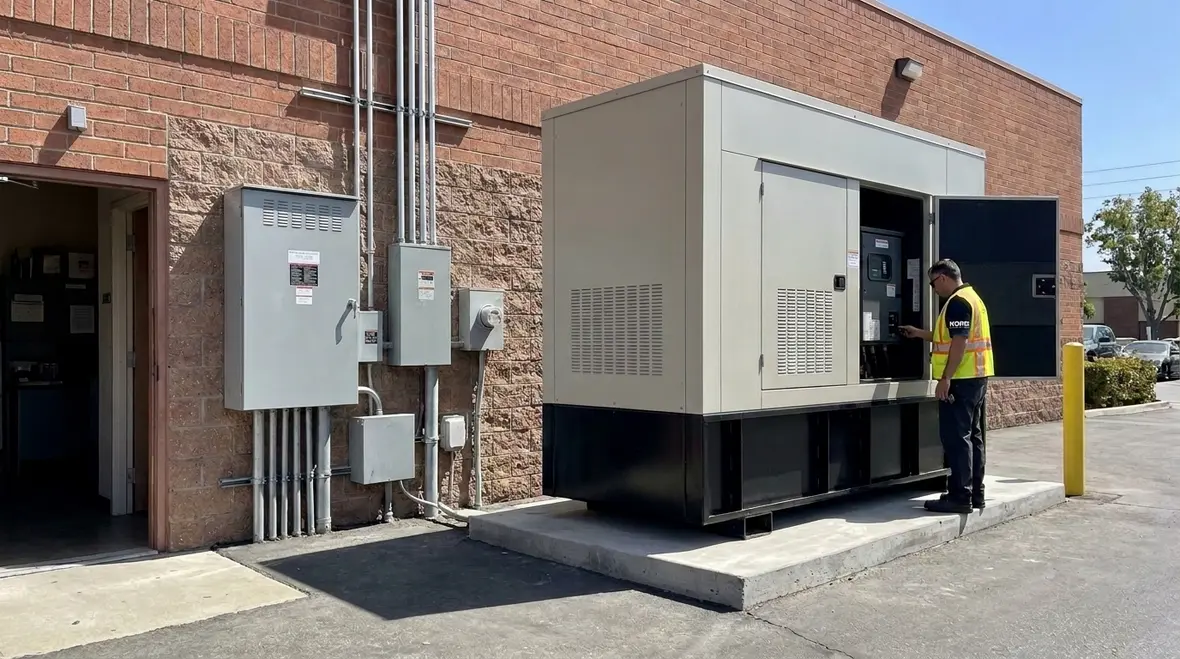
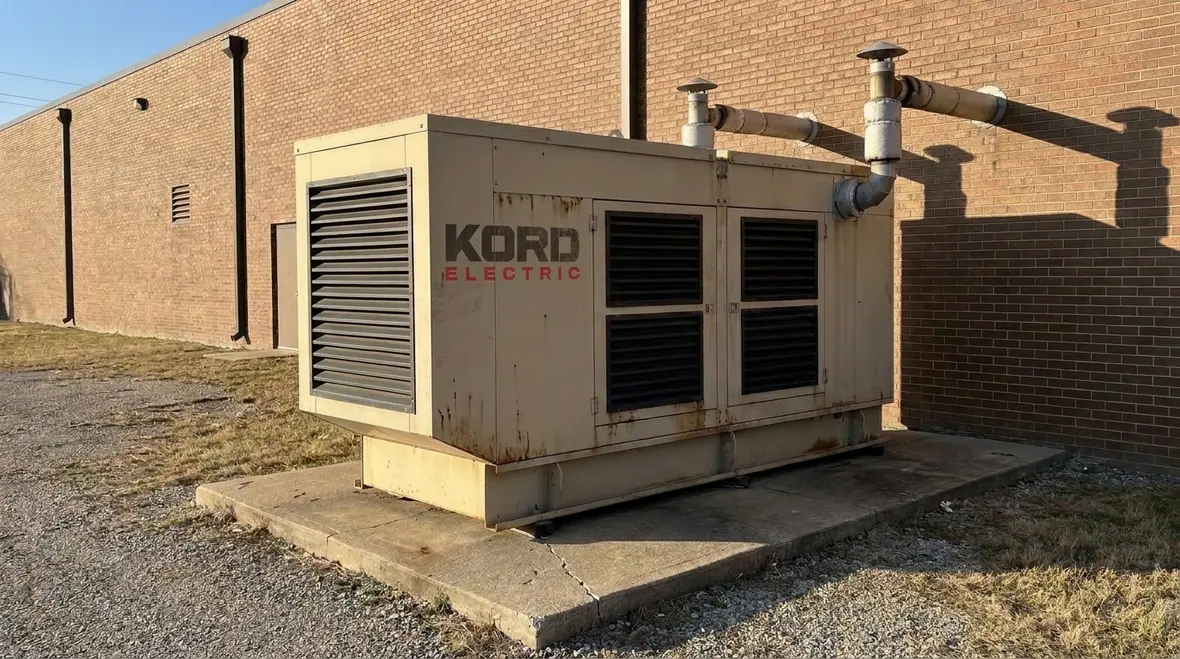
Next, we address the physical reality of installation. Commercial generator requirements california installations must cover fuel storage and safe exhaust routing, which means placement and ventilation matter. You cannot treat a generator like a backyard grill. This is a power system with high heat, combustion byproducts, and strict safety needs.
We review the site for access, clearances, and routing of exhaust and intake air. We also plan for noise control where it affects neighbors or on site operations. Then we confirm that fuel storage meets the right standards and supports the run time you need. If you expect long outages, we plan fuel strategy accordingly so you do not run out mid event.
Ventilation design must match the enclosure and ambient conditions. We also address vibration isolation and proper mounting so the generator remains stable over time. Then we coordinate conduit routing and protection so installation stays secure and maintenance stays practical.
If your facility includes existing utility rooms or equipment pads, we plan around them. Our technicians think through service access like a mechanic would, because tomorrow you will need to test, inspect, and service the unit. We build for that day now, while we still have the chance.
Balancing safety, noise, and day to day operations
On many California commercial sites, generator placement becomes a balancing act between safety codes, acoustic concerns, and everyday operations. Parking lots, loading docks, and rooftop corners all look tempting until you factor in fuel access, structural limits, and how crews will reach the equipment at 2:00 a.m. during a storm. That is why our planning sessions often include facility managers, safety teams, and building engineers in the same conversation, so everyone understands how the location supports long term reliability.
In practice, we have seen that the most successful commercial generator requirements california projects are the ones that treat installation like a full system design, not just a concrete pad and a fuel line. Proper airflow, clear access paths, protected conduits, and realistic refueling strategies all show up later as smoother inspections and calmer outage responses.
Installation that follows our commercial generator installation guide approach
When we install generators for our commercial and industrial clients and major property buildings, we follow a structured workflow. We built our process to match real inspections and real on site operation. In our commercial generator installation guide, we emphasize integration planning, clear documentation, and correct transfer setup so the system works reliably when the utility fails.
First, we verify the electrical scope and field conditions. Next, we confirm equipment selection, including transfer switches and interlocks. Then we plan conduit, wiring, and grounding layouts so the installation stays clean and serviceable. After that, we perform wiring and labeling, because future troubleshooting depends on good documentation.
Then comes testing. We run commissioning steps to verify correct operation, transfer logic, protection settings, and alarm behavior. We also confirm that the generator supports the loads you care about. Finally, we train your facility team on basic operation, startup behavior, and what to do during events.
Throughout the process, our expert service staff explains what we see and what it means. We do not just drop equipment and vanish. We stay involved long enough that others feel confident, not confused.
Why installation workflow matters for long term uptime
A disciplined installation workflow does more than pass inspections. It sets up every future maintenance visit, every load test, and every emergency start. When wiring is labeled clearly and transfer sequences are documented, technicians can troubleshoot quickly instead of guessing. When commissioning includes realistic load checks and transfer timing under live conditions, you discover issues when the clock is relaxed, not when the building is already dark.
For teams who want to see how this thinking plays out across a full project, Kord Electric’s commercial generator installation guide walks through cost drivers, integration steps, and compliance considerations in more detail. Pairing that mindset with the commercial generator requirements california facilities must follow means your backup power plan feels less like a gamble and more like a well rehearsed routine.
Maintenance and testing plans that keep backup power dependable
Generators do not “set it and forget it” in the way people want. Backup power must prove itself over time. Therefore, we recommend maintenance and testing that matches your risk level, runtime expectations, and load types.
Our approach starts with an inspection schedule. We check battery systems, control logic, fuel quality, filters, and key mechanical components. Next, we review run hours and alarm history. Then we plan testing that reflects actual building needs, which may include staged load checks for critical loads.
We also help others plan for how to respond during outages. That means clear procedures for who calls us, what information to provide, and how to confirm transfer operation. If your facility uses emergency power coordination, we help align documentation and communication.
And because California summers can surprise people, we advise proper readiness before peak seasons. Heat affects equipment stress and cooling performance, so early attention often prevents late failures. If there is one thing we know, it is that prevention beats panic. Panic is expensive. Prevention is just smart.
Pairing generator maintenance with broader electrical services
In practice, the best generator maintenance plans rarely live on their own. Commercial facilities that schedule regular runtime tests, inspections, and fuel checks often see more value when those visits dovetail with broader electrical preventive maintenance. Panels, switchgear, and distribution equipment all feel the same outages and load swings that generators do, so reviewing them together keeps the whole system aligned.
For properties spread across Southern California, it can help to connect those generator plans with coordinated regional services. That is where Kord Electric’s Los Angeles County electrical services come in, supporting troubleshooting, upgrades, and emergency work alongside backup power planning. When all of these efforts move as a single strategy, commercial generator requirements california facilities must satisfy become easier to track, document, and renew year after year.
FAQ
Call Kord Electric for compliant backup power built for your facility
If you run a commercial or industrial facility or manage a major property building, you need backup power that operates safely and reliably, not just something that looks good in a bid. Kord Electric helps others meet the commercial generator requirements california needs through correct sizing, safe installation, and clear testing plans. Contact us to schedule a site review with our technicians and expert service staff. We will explain the options in plain language and map the path to dependable power you can trust.
For teams mapping their next steps, it can be helpful to see commercial generator planning as part of a wider electrical roadmap. Whether you are assessing load capacity across a portfolio, mapping future EV charging, or planning targeted upgrades, tying those projects to a thoughtful generator strategy keeps your facility from treating backup power as an emergency-only topic. Instead, it becomes part of an integrated plan that keeps operations moving when the grid does not.
When you are ready to align commercial generator requirements california regulations with real world performance, Kord Electric is prepared to walk your site line by line, panel by panel, and circuit by circuit. From Los Angeles County electrical services coordination to detailed generator installation support, the goal stays the same: clear guidance, calm execution, and backup power that behaves the way you expect when the lights go out.


