Commercial Lighting Automation for Energy Savings
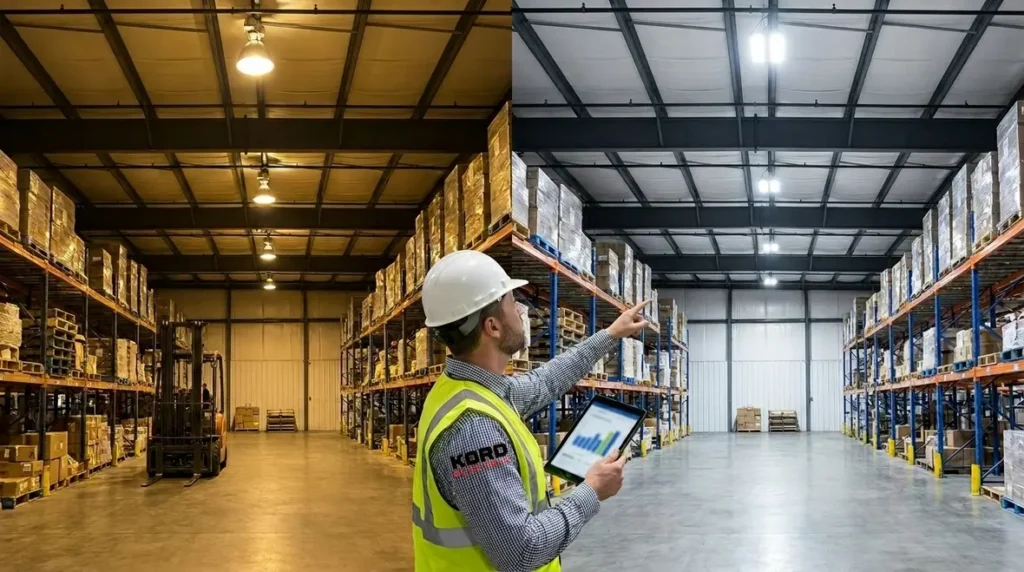
In commercial and industrial buildings, lighting costs can quietly creep up like a background character nobody asked for. With commercial lighting automation, we help teams cut energy use while keeping spaces bright, reliable, and easy to manage. That means better scheduling, smarter dimming, and controls that respond to real-time conditions. Meanwhile, our service team walks through the system so your staff knows what is happening and why. And yes, we also explain it in plain language, not like it is a NASA mission briefing. In this article, a third person voice from our world will show how smart lighting automation unlocks savings, improves comfort, and reduces maintenance across major properties.
What smart commercial lighting automation systems actually do
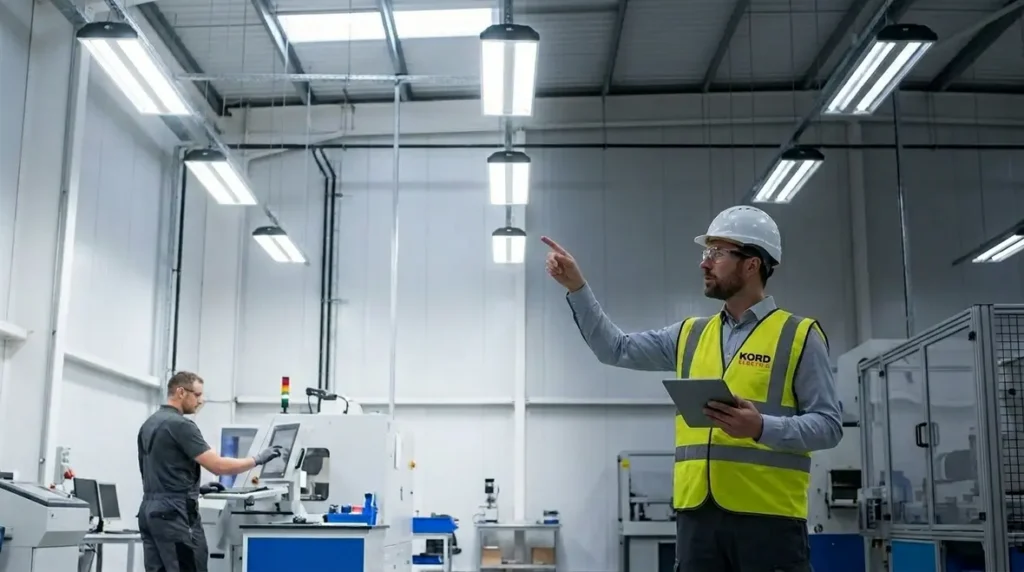
Most facilities do not need “more lights.” They need better control. Kord Electric installs and supports automation that regulates light output based on occupancy, daylight levels, and time schedules. As a result, lights do not stay at full brightness all day simply because someone forgot to turn a switch off. Instead, the system dims or switches when conditions change.
Furthermore, the control layer can coordinate with other building systems, so lighting works with your broader energy strategy. This matters because lighting is often a major slice of electrical load in warehouses, offices, retail back-of-house areas, parking structures, and operations centers. In other words, when you automate lighting, you do not just “save power.” You also create a consistent environment that helps people work and helps equipment run as intended.
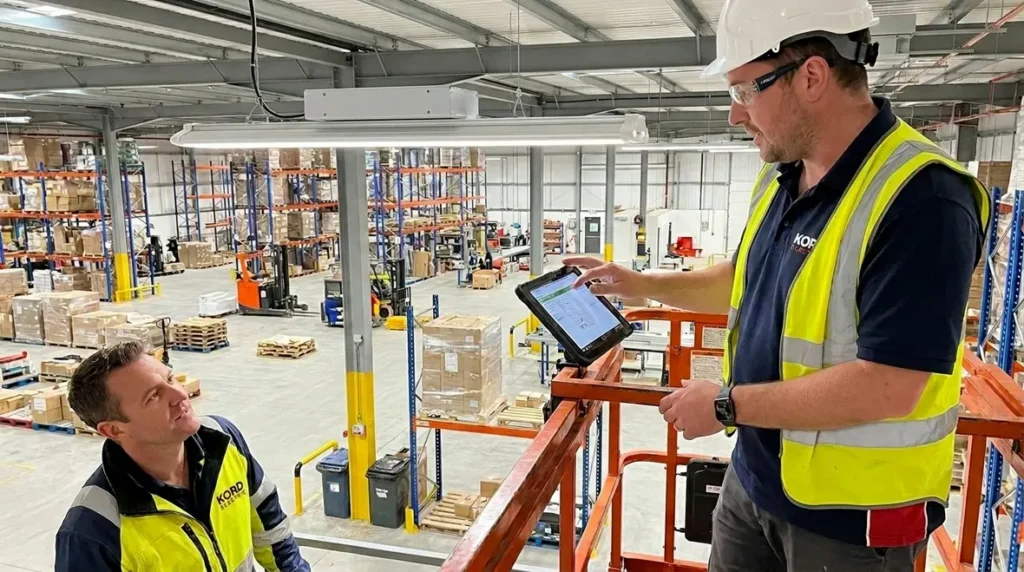
Our technicians and expert service staff explain the setup step by step. They show what inputs the system uses and how you can read performance. So, when stakeholders ask why certain zones dim after hours, your team can answer without guessing.
Which controls deliver the biggest energy savings
Core control strategies that drive savings
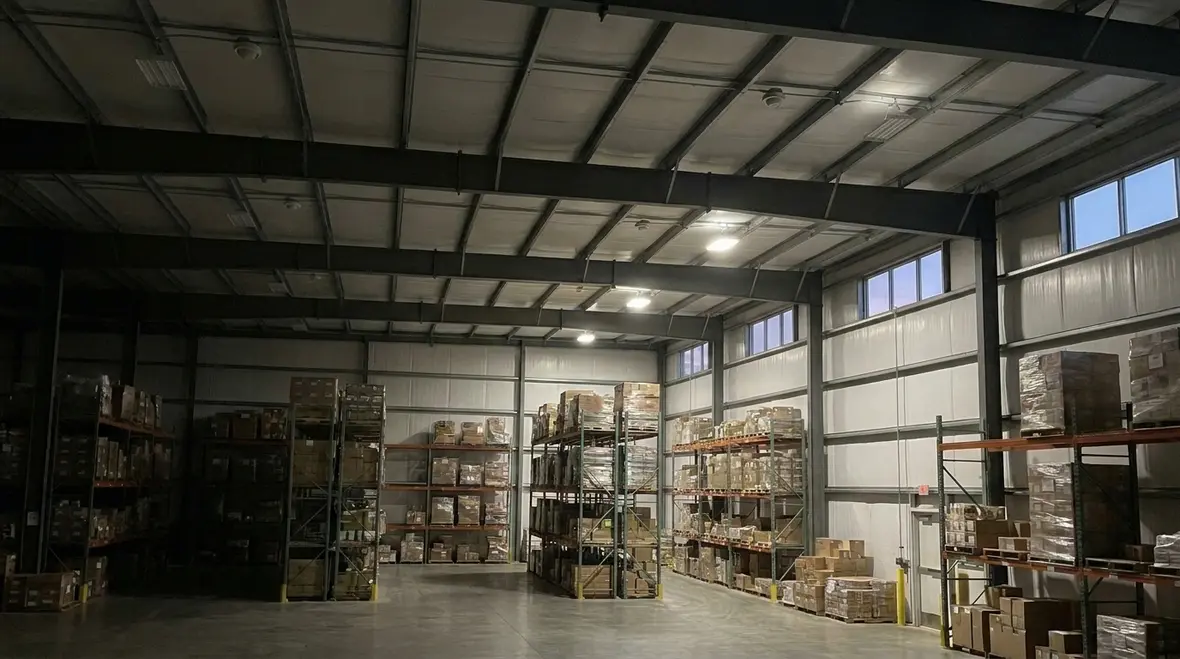
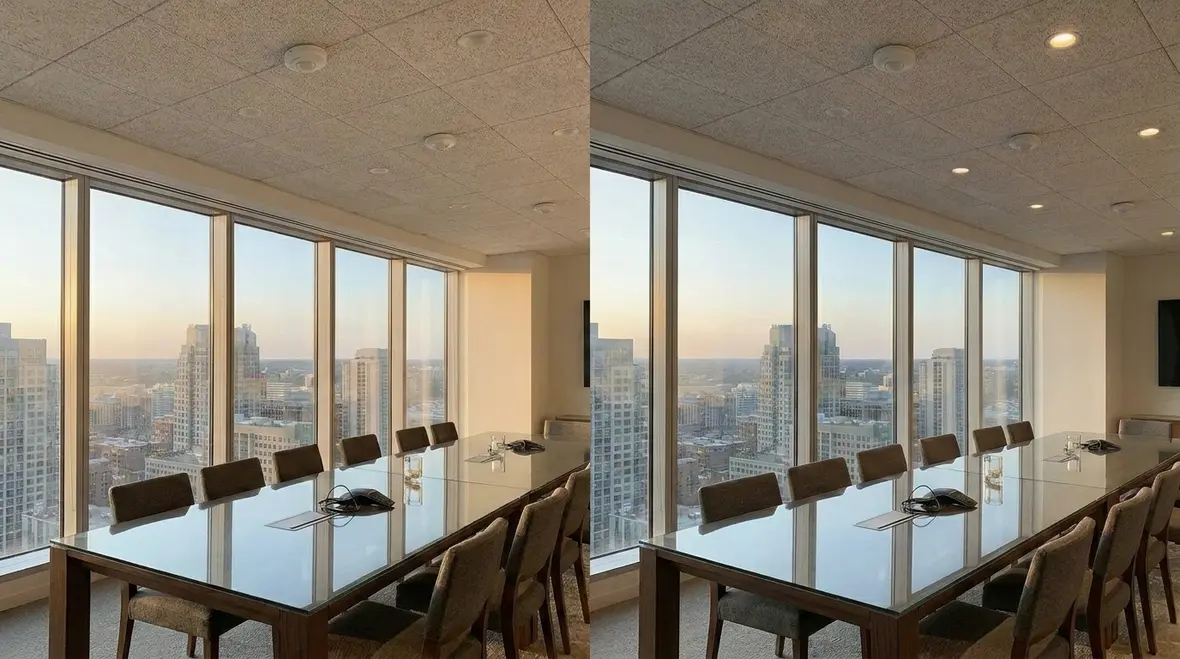
Energy savings usually come from a few core control behaviors. First, occupancy sensing reduces unnecessary runtime in spaces that are not continuously used, such as conference rooms, service corridors, utility rooms, loading dock areas, and certain production zones during breaks. Next, daylight harvesting uses sensors near windows or skylights to lower artificial light when natural light is strong. That is how you avoid wasting electricity under the sun.
Scheduling, zoning, and dimming for real operations
Then there is scheduling and zoning. Instead of treating a whole floor like one giant light switch, automation breaks the building into manageable zones. As hours change, zones can follow real operating patterns, which prevents the “everybody gets lights at 100 percent forever” problem. Additionally, dimming curves help preserve visual comfort while reducing power use. In practice, a lower lumen level that still meets safety targets saves energy without making the area feel like a cave.
Centralized management for complex buildings
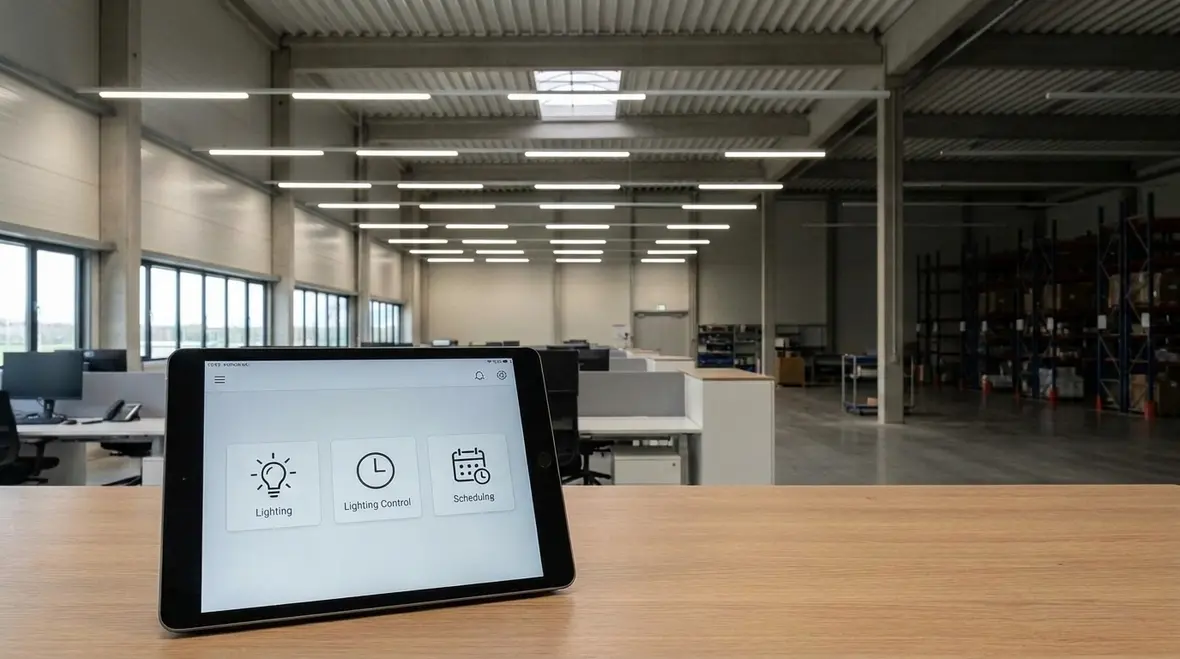
Finally, centralized management supports consistency across multiple tenants or major property wings. If a building has several businesses, or if operations shift by day, the system can align with those schedules. Our expert staff helps map these zones and verifies that controls match actual use, not assumptions.
How we plan a project for commercial and industrial spaces
Translating your facility reality into a control strategy
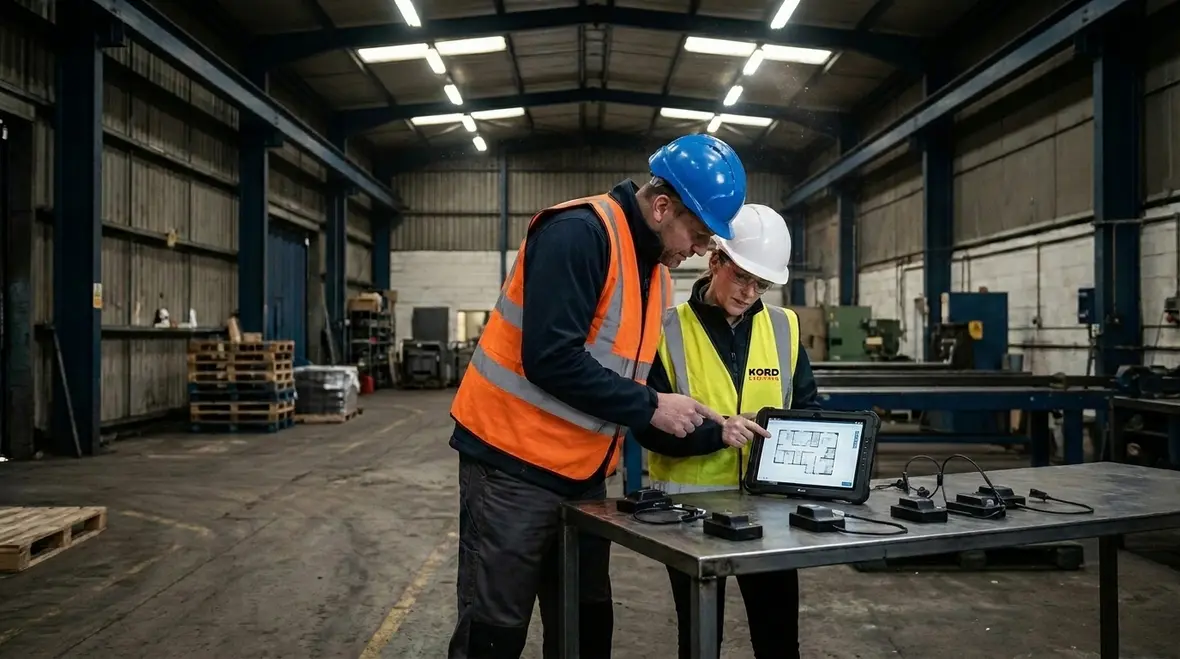
Kord Electric approaches planning with real site knowledge. First, we review your facility layout, operating hours, and lighting roles. For example, an office wing needs different comfort targets than a warehouse bay, and a production area may require careful control to meet safety needs. Then we identify where automation will deliver value fast, such as high load areas with long lighting hours, spots with daylight, and zones with irregular occupancy.
Designing commercial lighting automation around your team
After that, our team designs a control strategy that fits your building, including fixture types, sensor placement, wiring constraints, and panel capacity. We also consider how the building team wants to operate the system day to day. Some clients want a strict schedule with minimal manual use, while others want quick adjustments for special events or shift changes.
Commissioning that makes the system predictable
Importantly, we also set expectations. Automation is not a “set it and forget it” trick. Yet, with the right commissioning, the system behaves predictably and continues to perform well. Our technicians handle the commissioning process and explain what they test, so the building team understands how commercial lighting automation benefits show up in daily operations.
Why lighting automation improves comfort and safety
Stable lighting, fewer complaints
When people hear “automation,” they sometimes picture flickering lights and confusion. That is not what we aim for. Instead, smart controls aim for stable illumination. Dimming happens smoothly, and occupancy logic can be programmed to avoid harsh transitions. As a result, employees spend less time adjusting lighting and more time doing their jobs.
Supporting safety, wayfinding, and visual comfort
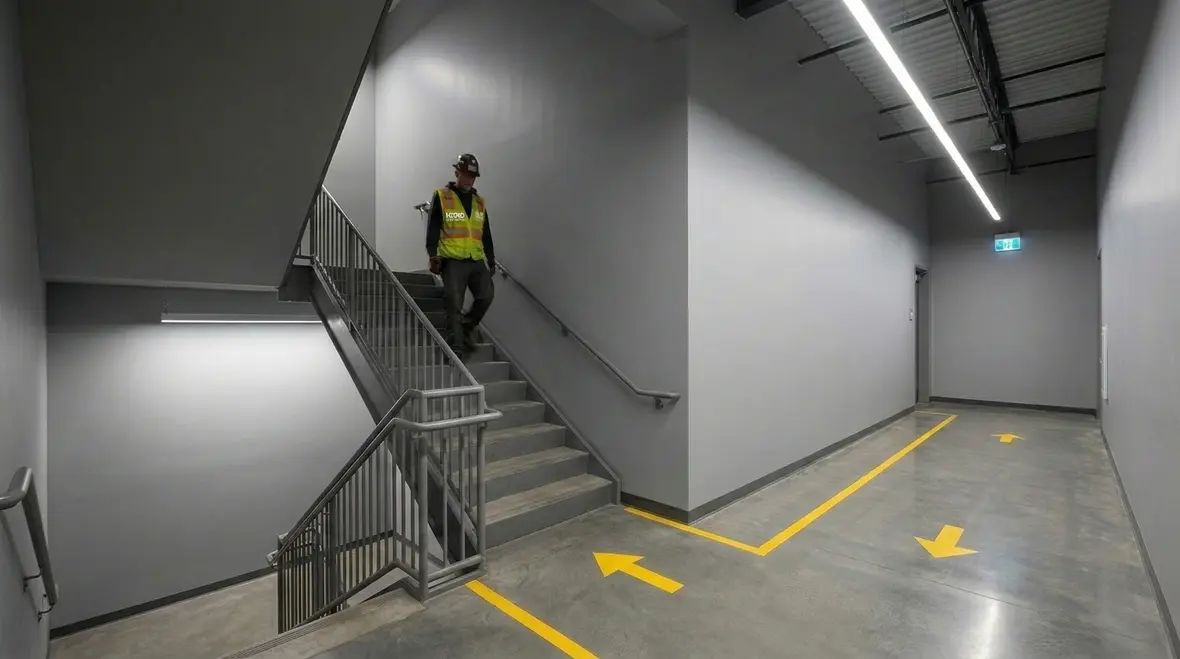
Additionally, well-designed zoning supports safety and wayfinding. In facilities with corridors, stairwells, and loading areas, controls can maintain required levels for safe movement while still cutting waste. Daylight harvesting also helps: as natural light changes through the day, the system adjusts artificial output rather than forcing occupants to live with glare or dimness.
Designed for maintainability, not mystery
We also focus on maintenance practicality. If sensors need replacement or calibration, the system design and documentation should make that work straightforward. Our service staff teaches your team what to watch and how to handle minor issues before they become bigger ones. Yes, that saves time, and time is money, even when nobody says it out loud like a motivational poster.
How we verify savings and reduce maintenance costs
Connecting automation to measurable energy targets
To keep the conversation grounded, we help clients verify performance. First, we align the lighting plan with energy targets and expected load changes. Then during and after installation, we test control behavior: sensor response, dimming accuracy, schedules, and daylight response. After that, we recommend a simple monitoring approach using the building’s reporting tools or system data.
Less wear, longer life, easier troubleshooting
Moreover, reduced maintenance can come from fewer hours at full output, which can improve lamp life for certain technologies and reduce wear on drivers. Also, when the system is managed correctly, failed zones become easier to spot. Instead of discovering an outage during an inspection, facility staff can identify the problem faster through alerts or status checks.
Keeping savings from drifting away over time
Our technicians stay involved enough to ensure the system operates as intended. They also explain how changes in schedules or occupancy patterns can be updated through the management interface. This is not only convenient. It also prevents “savings leakage,” where systems drift away from original settings over time.
Where smart lighting automation fits major properties and tenants
Balancing building-wide rules with tenant flexibility
Large property buildings often have complex needs. Different tenants operate on different hours, and common areas may serve many groups. With automation, management can apply building-wide rules while still allowing zone level adjustments. For example, shared amenities and circulation areas can follow set schedules, while tenant service zones can be tuned to actual usage patterns.
Handling real-world schedules, from weekends to shutdowns
At the same time, we consider the real-world operational side. Facilities may require after-hours security lighting, weekend schedules, and special procedures during events or maintenance shutdowns. Automation can support those changes without relying on staff to remember manual tasks. Then, when the next shift starts, lighting behaves consistently.
Coordinating with construction and retrofit timelines
Our team also coordinates around the construction or retrofit timeline. We keep the approach practical for major property teams, especially when downtime has a cost. Kord Electric works with facility managers and electrical contractors to manage phasing, commissioning, and documentation. In short, we deliver control that matches how the building actually runs.
FAQ about smart commercial lighting automation
Next steps with Kord Electric
If a facility team wants real energy savings, smart lighting control has to be planned, installed, and verified like a serious building system, not a weekend upgrade. Kord Electric works with commercial and industrial facilities to design automation that matches your layout, schedules, and comfort targets. Then our technicians commission the system and our expert service staff helps your team understand it. If you want to see where savings can start, contact us today for a site assessment and a clear plan.
Commercial lighting automation for energy savings is also a natural companion to broader electrical upgrades, from panel improvements to safer, more reliable distribution. As you modernize your facility, coordinating these projects together can reduce downtime and create a cleaner path for future expansions.
If you are planning a renovation, expanding an existing space, or simply trying to gain control of runaway lighting costs, our team can help you evaluate options and prioritize the areas with the fastest impact.
Ready to explore what commercial lighting automation benefits could look like in your facility? Our licensed electricians and controls specialists are available to review drawings, walk your site, and build a phased plan that fits your budget and operating realities.
Use the link below to request a consultation and start mapping out a smarter, more efficient lighting strategy for your building.