Commercial Lighting Automation ROI Explained Energy Savings
Commercial lighting automation ROI: what you earn when lights think for themselves
In the real world, the commercial lighting automation ROI shows up fast because smarter controls cut energy waste, trim maintenance calls, and keep building spaces aligned with how people actually work. At Kord Electric, we see it every week in commercial and industrial facilities, and in major property buildings where every dollar needs a job and not just a “nice-to-have” label. When lighting responds to occupancy, daylight, and scheduling, we stop paying to light empty rooms. That’s not theory, it is math. And yes, the lights finally behave like adults.
To make this stick, our technicians explain the plan clearly, then install and commission it so the system performs the way it was designed. Next, we break down the financial benefits and the practical steps that protect your ROI from day one through year five.
How modern controls reduce energy without killing comfort
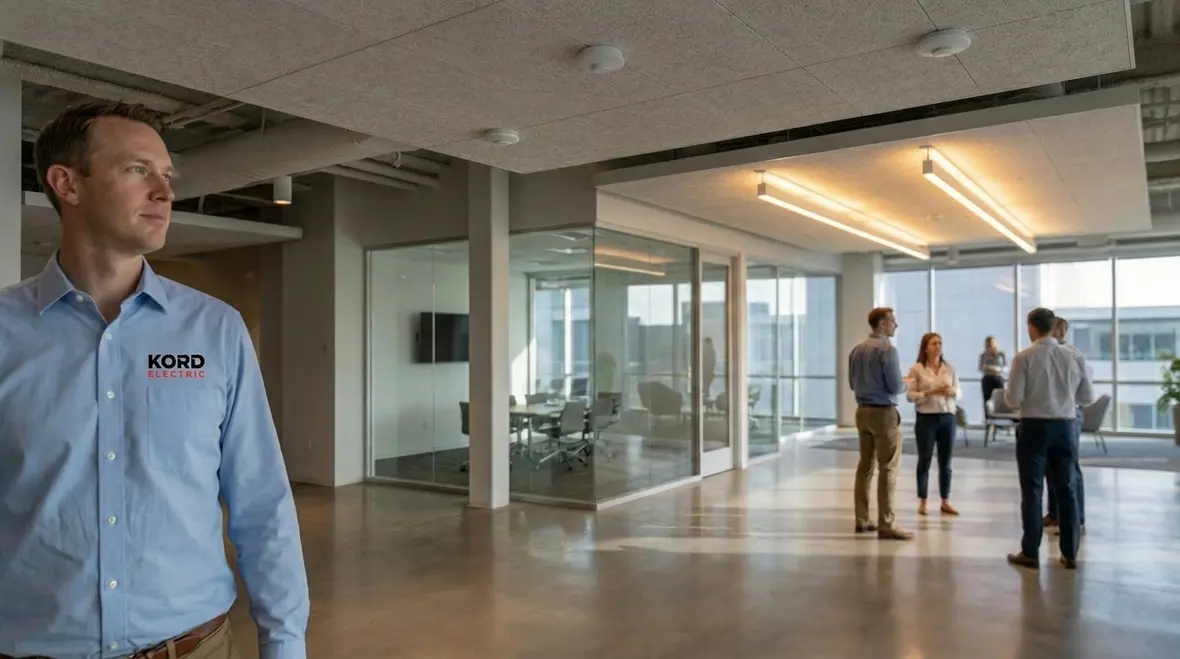
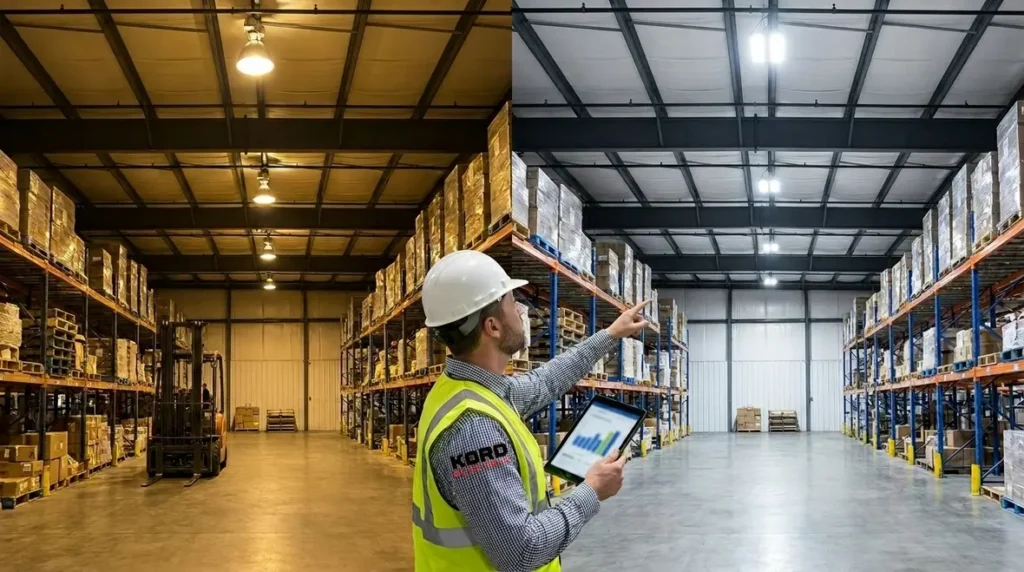
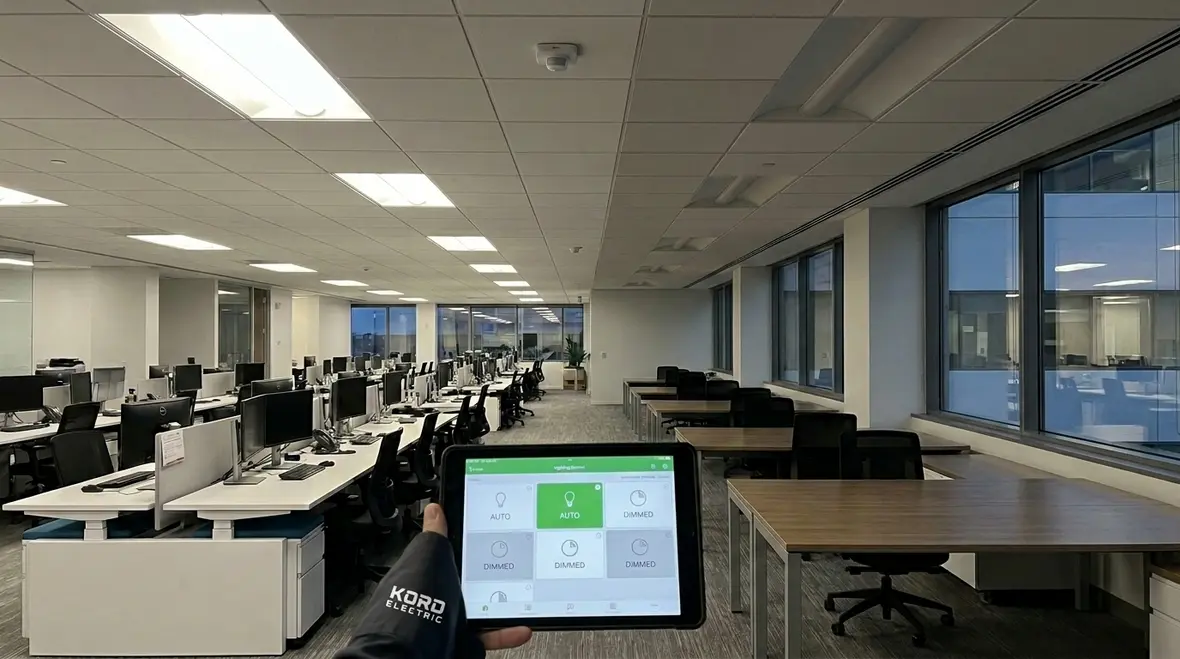
When we design commercial lighting automation projects, we focus on a simple principle: reduce light where it is not needed and keep it where it is. First, sensors and dimming controls adjust output based on occupancy. That means your warehouse lights do not blaze at full power for hours after the last shift clocked out. At the same time, offices and corridors get the right light level for safety and productivity.
Then we add daylight harvesting. As sunlight fills a space, controls dim electric lighting just enough to hold target brightness. As a result, energy use drops while occupants still feel consistent illumination. This is the kind of change people notice in a good way. It looks calm, it feels stable, and it prevents the “why is it so dim in here” complaints that managers definitely do not need.
Our expert service staff also helps teams set reasonable schedules. After that, you avoid overcorrecting. Because if you tune it like you are programming a microwave, your lights will act like a microwave too. We take a more disciplined approach: measured settings, tested behavior, and documentation your staff can actually follow.
ROI drivers inside a commercial building: energy, labor, and lifespan
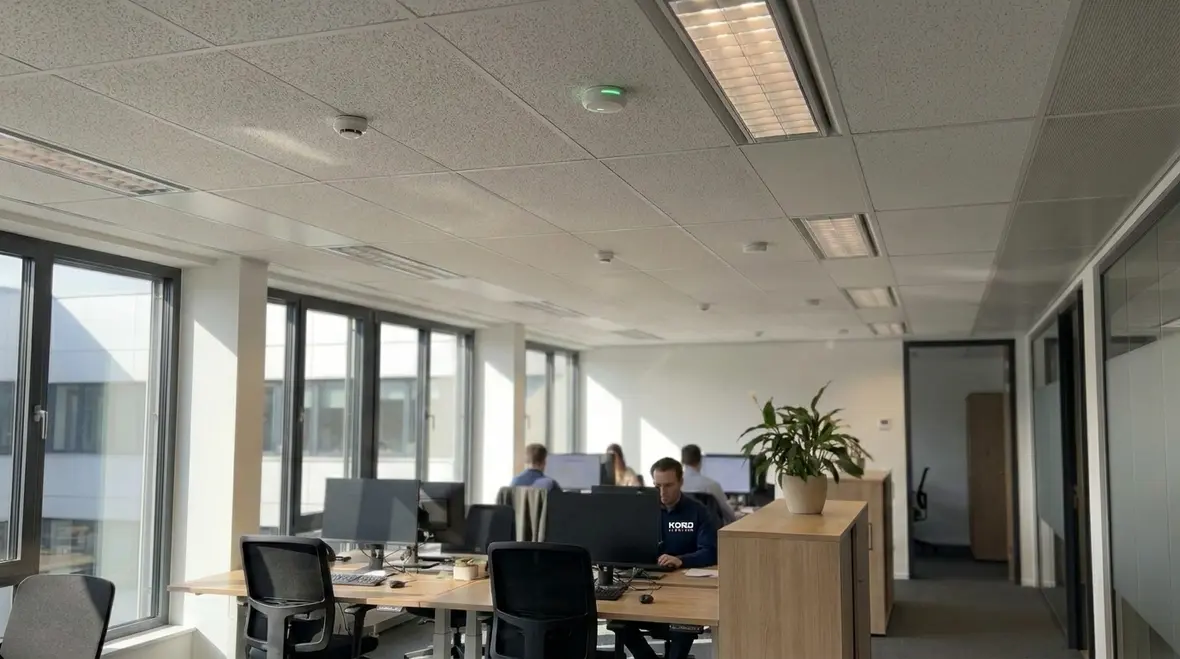
Smart lighting controls support multiple revenue-protecting levers. Each one matters, and together they stack into a stronger commercial lighting automation ROI profile.
Energy savings come from reduced runtime, dimming, and smarter zoning. Instead of “on or off,” the building uses the minimum light needed to do the job.
Lower maintenance follows from longer operating life. When fixtures run at lower output and when they shut off in unoccupied areas, you reduce wear. Also, fewer fixtures stay at full intensity all day, every day.
Labor savings come from fewer troubleshooting calls. With proper commissioning and monitoring, the control system becomes predictable. Moreover, our technicians label zones and train your team so your electricians and facilities staff spend time fixing what breaks, not chasing what is “probably a sensor.”
Operational stability improves too. With schedules and occupancy logic, your lighting behavior becomes consistent. That matters in facilities management, where surprises create delays, not just inconvenience.
In other words, you do not only buy a technology upgrade. You buy a more controlled operating rhythm for the building.
What we install for modern commercial spaces and why it matters
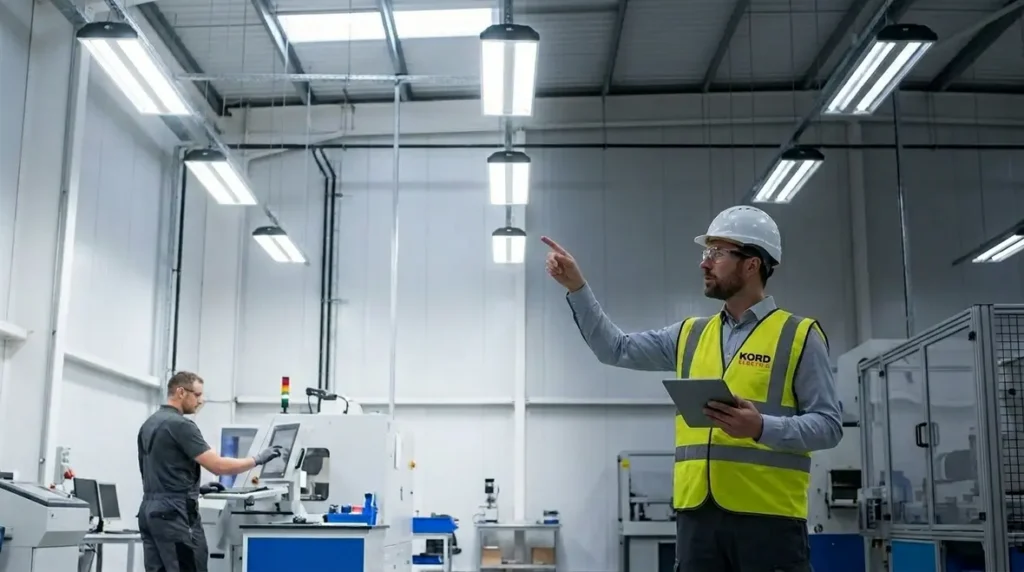
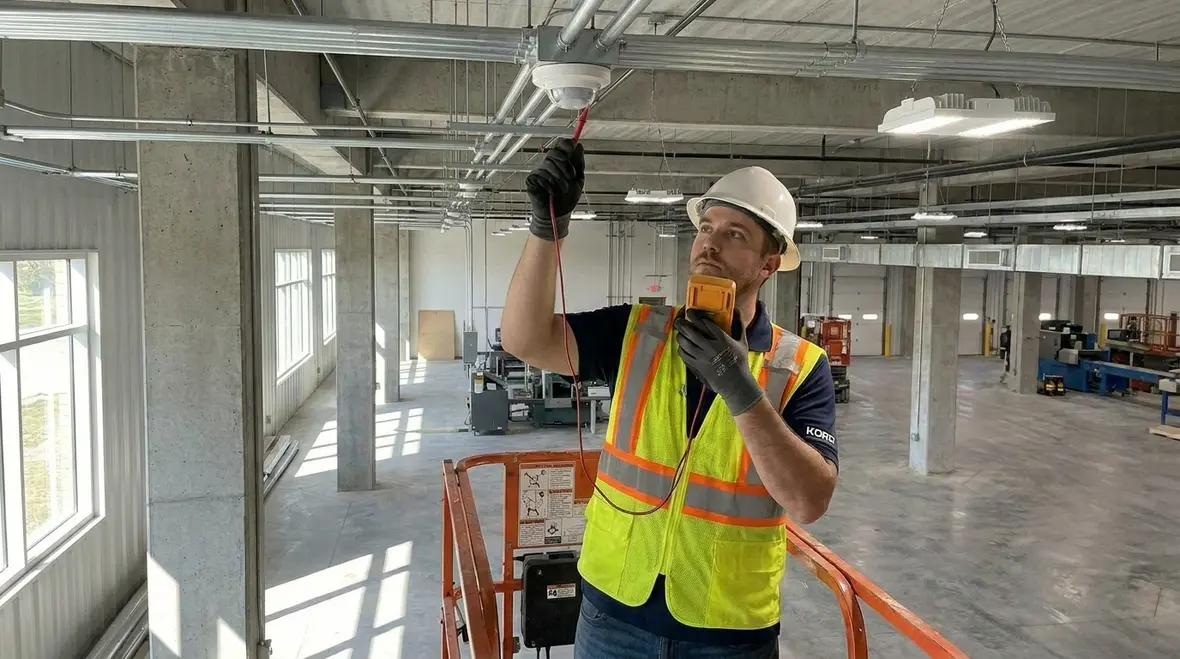
Modern buildings need more than a few smart bulbs and a hope. Kord Electric approaches lighting controls as part of an integrated electrical system. We work with commercial and industrial facilities, and major property buildings, where safety, uptime, and compliance are non negotiable.
In many cases, we install:
- Occupancy sensors for offices, storage areas, restrooms, and back-of-house spaces
- Daylight sensors to maintain consistent brightness near windows
- Zoning and panel level integration so lighting groups respond correctly
- Scheduling and scene control for shifts, classes, and seasonal changes
- Commissioning and documentation so controls behave as intended after handoff
At this point, we reference our broader approach to commercial electrical systems for modern buildings. In that context, lighting automation becomes a practical part of a smarter facility strategy, not an isolated add-on. When systems share a clear design, the results feel smoother and the operational story makes sense to everyone involved.
For a deeper dive into how electrical distribution, controls, and reliability work together, you can explore Kord Electric’s guide on commercial electrical systems for modern buildings, which connects these automation decisions to the rest of your infrastructure.
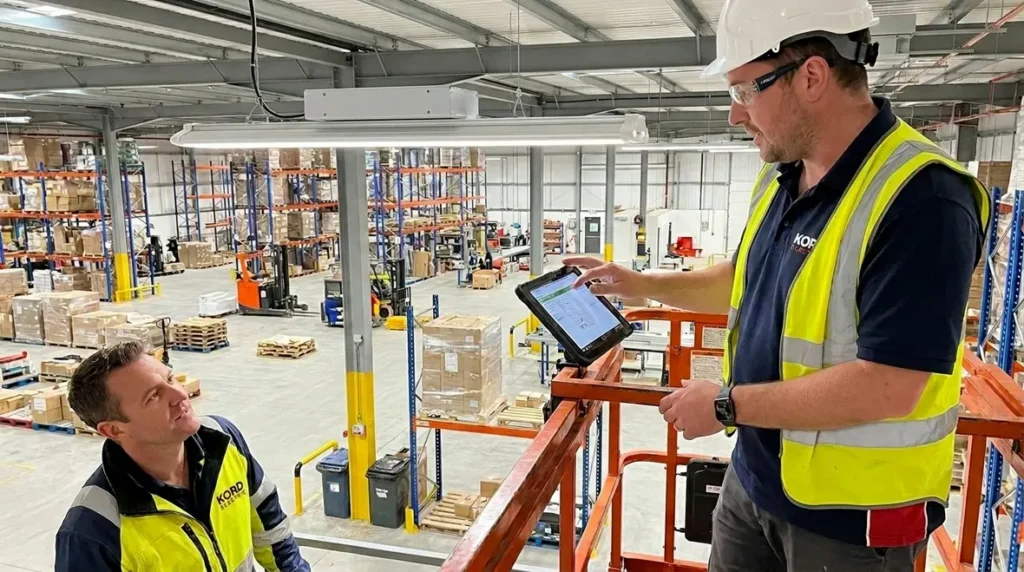
And yes, our technicians explain each step. We keep it business casual, not code-speak. We walk through how zones behave, how adjustments happen, and how your staff can request updates without guesswork. Think of it as training your building to act like a professional, not a party guest who shows up late and “just winged it.”
Choosing the right ROI model and avoiding expensive surprises
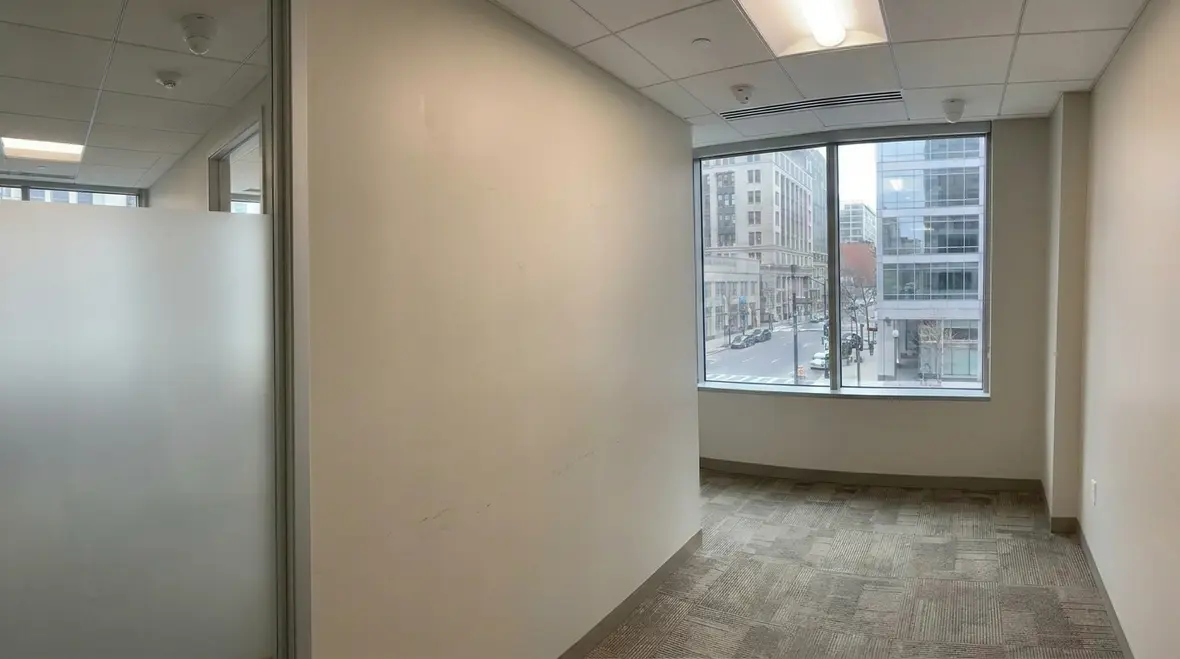
People ask us how fast they will see payback, and we answer with a clear approach. First, we review current lighting layouts, usage patterns, and fixture types. Then we map those facts to savings mechanisms like dimming and reduced runtime. After that, we factor in maintenance reduction and any controls upgrades needed to support the strategy.
Next, we help decision-makers avoid common pitfalls. For example, if the control zones do not match how areas get used, savings shrink. Also, if scheduling ignores real shift timing, occupancy behavior fights the schedule and the building loses efficiency.
Therefore, we treat ROI as a plan, not a promise. We validate assumptions during design and confirm outcomes during commissioning. Additionally, we make sure changes align with electrical system constraints and building standards, so the solution stays reliable under daily demand.
In the end, this disciplined process protects the commercial lighting automation ROI. It also prevents the scenario where the lights act smart on paper and dumb in the field. Nobody wants a “smart” system that needs a babysitter.
Keeping performance steady with monitoring and expert support
Once installed, smart controls must stay tuned. Buildings do not stay the same. People move desks, tenants change workflows, and maintenance schedules shift. So we recommend a performance check plan that includes set verification after major building events.
Our expert service staff supports the long game. We help facilities teams understand how to interpret system behavior and where to look when something seems off. Because when problems happen, they usually point to a specific zone, sensor location, or schedule conflict.
Moreover, we document configurations and provide training so staff can make safe adjustments. That matters in commercial and industrial environments where uptime is tied to revenue and safety. We do not leave you holding a manual written in riddles. We explain the system in plain terms, then we stand behind it.
Over time, this steady support helps you maintain energy savings and keep maintenance costs predictable. It is the difference between a one-time upgrade and a long-term control strategy.
FAQ
Take the next step with Kord Electric and secure measurable payback
If your building is ready for better control, we can help you plan it the right way from the start. Kord Electric serves commercial and industrial facilities and major property buildings, and we align lighting automation with real usage patterns so your commercial lighting automation ROI stays strong. Our technicians explain the system, commission it carefully, and train your team for smooth operations. Reach out to schedule an assessment and get a clear path to lower energy use, fewer service calls, and steadier performance. Let’s make the lights earn their keep.
To connect your automation project with a full installation strategy, you can also review Kord Electric’s dedicated lighting installation services, built for commercial and industrial facilities that expect both energy savings and rock-solid reliability from their lighting systems.