Industrial Power Quality Audits for Downtime
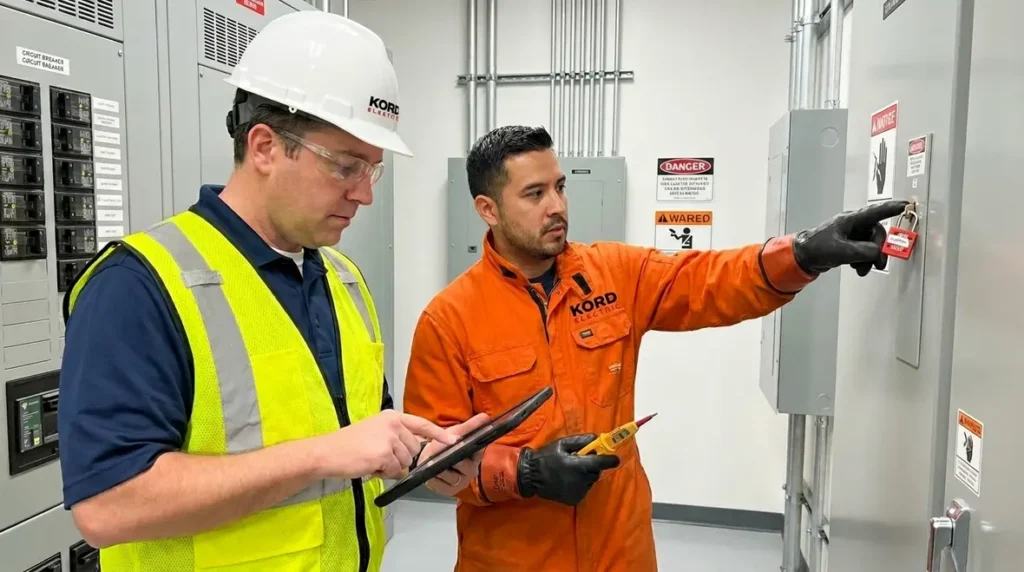
At Kord Electric, we start by running industrial power quality audits that help our team find problems before they turn into downtime. Our expeert service staff treats power like a living system: it talks, it complains, and sometimes it dramatically flares up at the worst possible moment. And when that moment hits, production schedules do not care what the weather is. So we map the electrical story behind the scenes. Then we recommend focused fixes that reduce stoppages, protect equipment, and keep facility operations moving.
How power quality audits prevent unplanned downtime
Commercial and industrial facilities often see downtime from causes that look unrelated at first. One week a motor trips. The next, a control panel acts “moody.” Then suddenly electronics fail after a storm, even though everyone swears the power looked fine. That is where industrial power quality audits change the conversation. They give our technicians real measurements instead of guesswork.
First, we assess common power quality issues that disrupt loads. Harmonics can overheat transformers and motors. Voltage sags can reset drives and PLCs. Swells can stress insulation. Unbalance can make motors run hot and burn out early. Frequency drift can throw off sensitive processes. We then connect the electrical symptoms to the operational effects seen by your maintenance teams.
Because Kord Electric works with major property buildings and industrial sites, we focus on the loads that matter most. We do not just record data and hope for the best. We review patterns over time, then help others in the facility understand the “why” behind the behavior. Our technicians explain what we see in plain language so facility leaders can make smart decisions with confidence.
What we measure during our industrial power quality audits
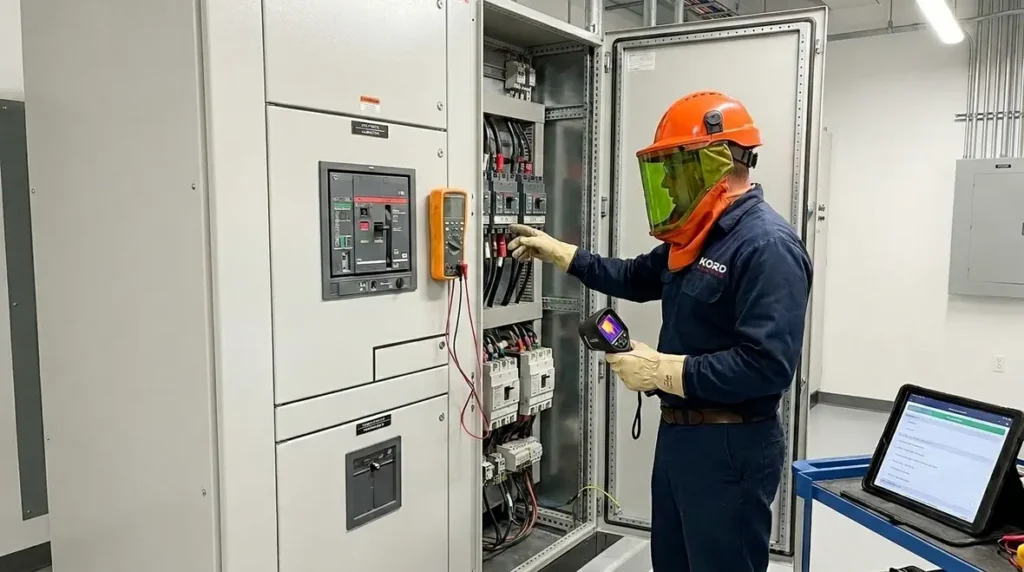
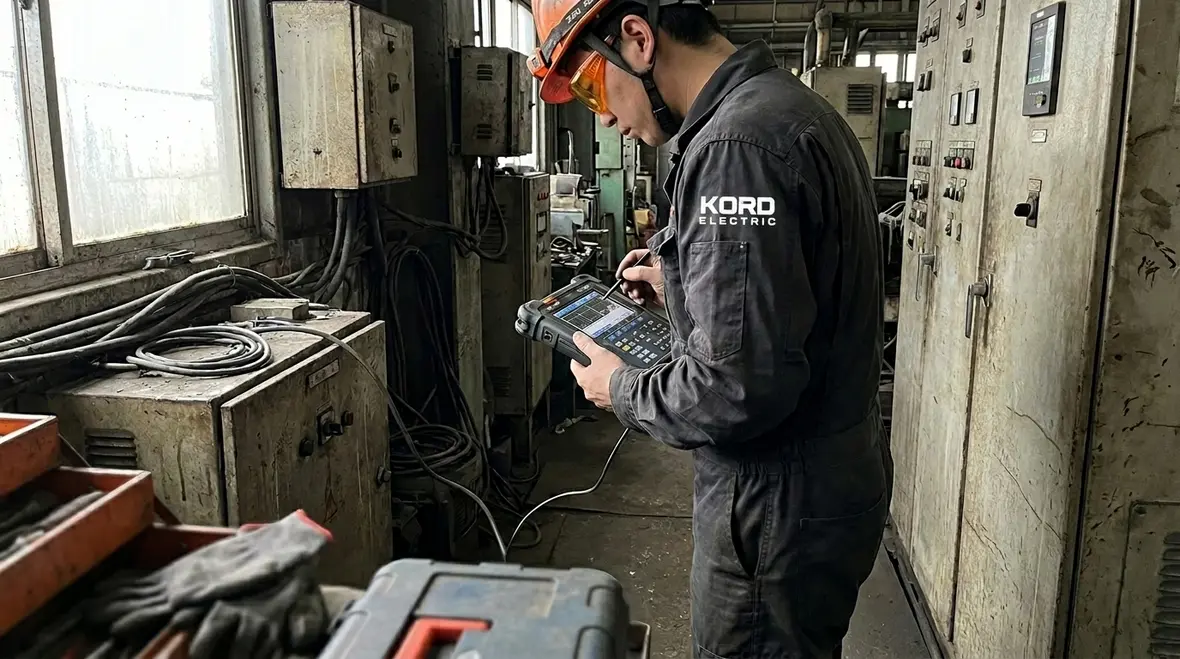
Our approach relies on detailed field data collection. To reduce downtime, we look at the quality of the supply and the behavior of the distribution system. Then we compare measurements with the equipment realities across the site.
- Voltage magnitude variations including sags and swells that can interrupt control power and drives
- Harmonic distortion that increases heating, noise, and inefficiency in transformers and rotating equipment
- Phase balance to identify uneven loading and wiring issues that shorten motor life
- Frequency stability for processes that depend on tight timing
- Transient events like switching surges that trigger intermittent faults
Next, we check the context. The same measurement can mean different things depending on operating modes, shift schedules, and load changes. Therefore, we time our observations so our service staff can connect events to real equipment cycles. And yes, we also capture the moments when people swear they did nothing. Power quality does not care about human intentions. It cares about physics.
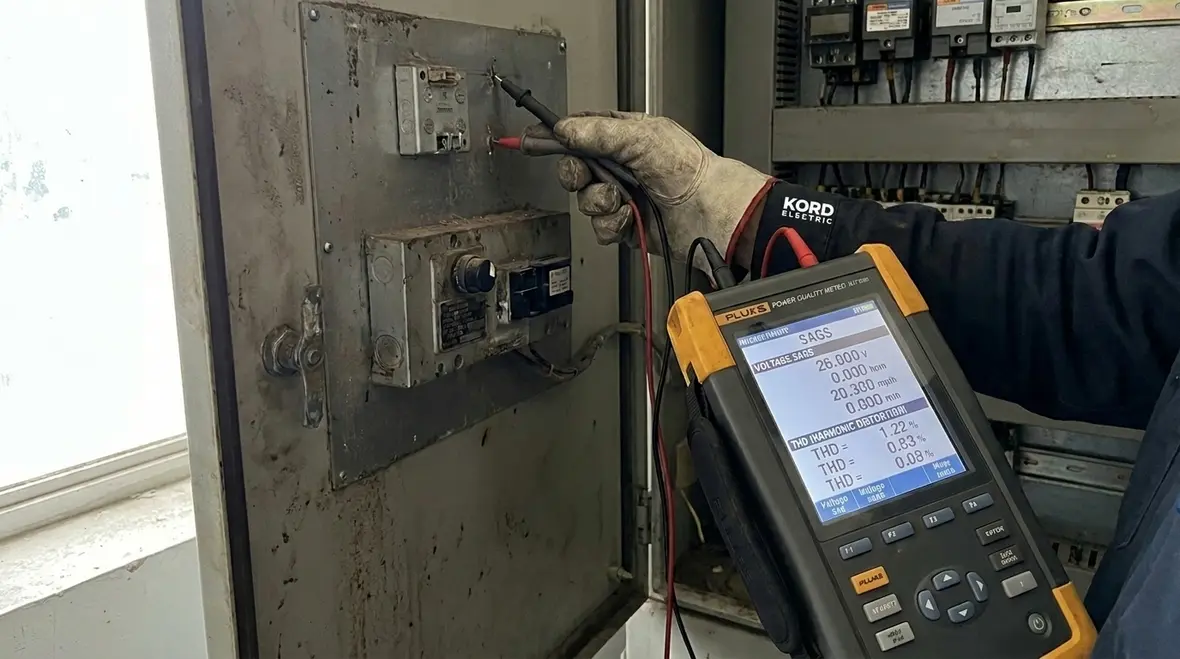
Why voltage sags and harmonics trigger failures
Many facilities treat every trip and failure as a one off event. However, power problems often build quietly. Then, when conditions line up, downtime arrives fast.
Voltage sags are a prime example. A sag can last only a cycle or two, yet drives, relays, and PLC inputs may drop out. That can start fault sequences, stop production, and force manual restarts. In major property buildings, sag events can also upset elevators, life safety power management, and critical support systems. So even if your generator and UPS systems work, the transfer process and the downstream load behavior still matter.
Harmonics create another classic problem. When non linear loads draw current in distorted patterns, the system experiences higher RMS current and added heat. Transformers run warmer. Motor insulation ages faster. Capacitor banks can resonate with system impedance, which can worsen distortion. Then your maintenance team swaps parts, clears alarms, and repeats the cycle like it is a pop quiz with no study guide.
Our technicians reduce that loop by identifying root causes. We also look at where harmonics originate, such as VFDs, UPS rectifiers, chargers, and large LED lighting retrofits. After that, we recommend corrections that fit the facility, not generic “fixes” that only look good on paper.
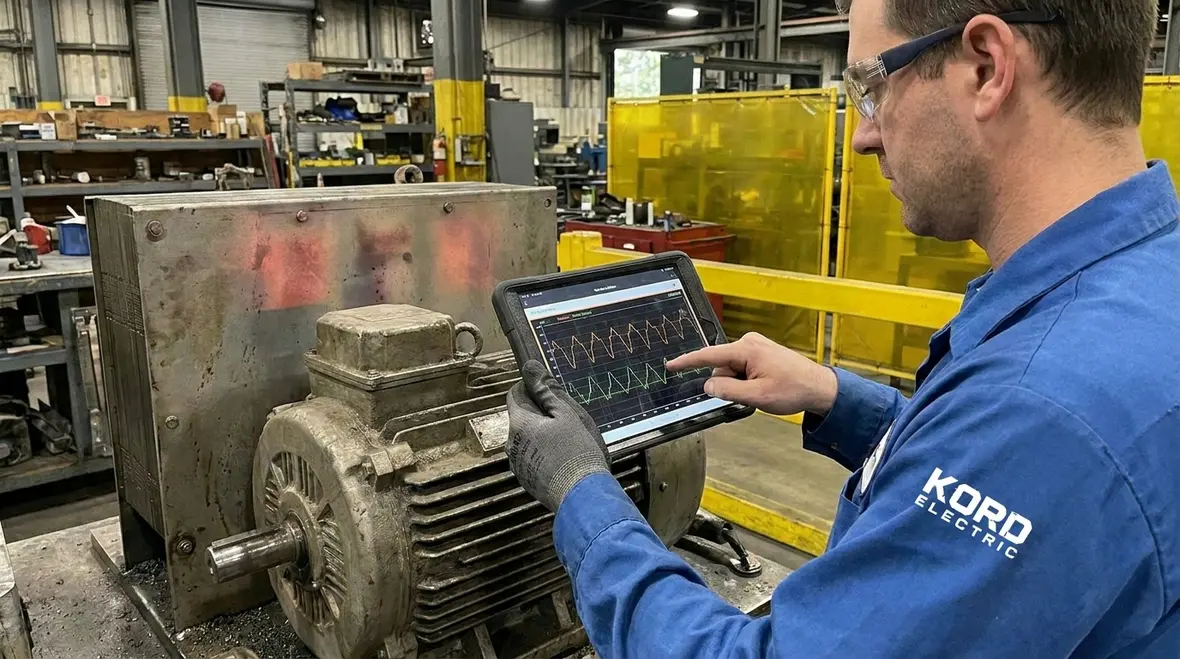
Using panel and switchgear maintenance data with audit findings
Power quality does not live only at the utility meter. It shows up in your distribution gear. Therefore, we align our industrial power quality audits with the maintenance reality of electrical panels and switchgear.
If a facility schedules maintenance but ignores the health of connections, it can still struggle with intermittent voltage drops and nuisance trips. Loose terminations can create resistance and heat. Corroded contacts can increase impedance. Worn insulation can allow leakage paths. When that happens, the system may pass routine checks but fail during load peaks or transient conditions.
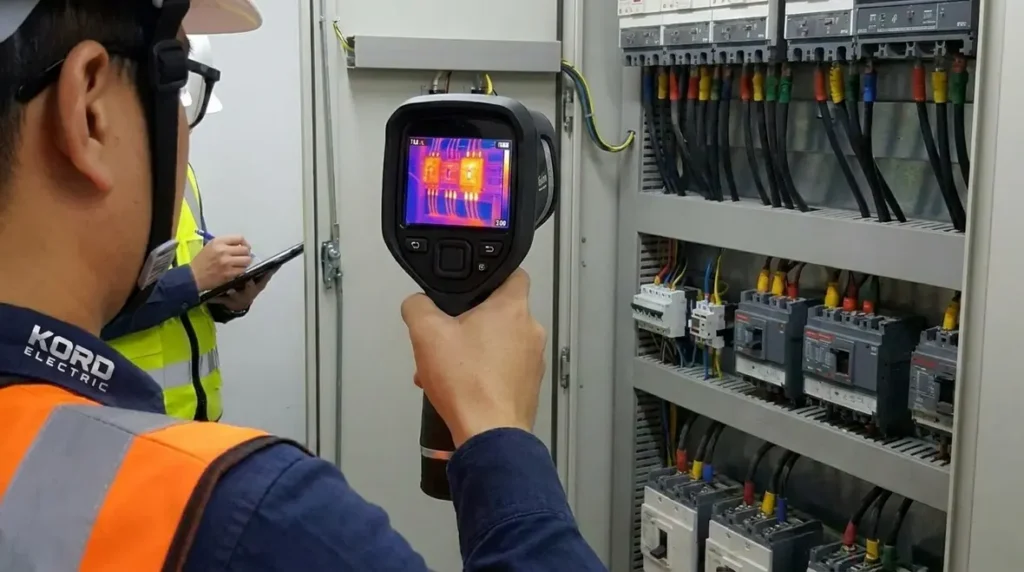
Kord Electric also considers guidance from our own experience with electrical panels and switchgear maintenance, including topics like preventive inspection, torque verification, thermal checks, and condition based observation. In plain terms, good maintenance supports good power quality. When connections stay tight and components stay within spec, the electrical system behaves more predictably under stress.
Our technicians explain this relationship during site reviews. They connect what we measure to what maintenance teams can verify in the field. For example, if we see recurring voltage unbalance, we can point to likely panel distribution issues, feeder loading imbalances, or aging components in switchgear. That turns your maintenance program into a coordinated plan instead of a pile of tasks that never quite meet the root problem.
For teams looking to go deeper on this connection between maintenance and stability, Kord Electric also shares insights in our resource on NFPA 70B electrical panels and switchgear maintenance, which pairs well with industrial power quality audits when the goal is long term reliability, not just quick fixes.
How we build a downtime reduction plan that lasts
After measurement and analysis, Kord Electric moves from data to action. We craft a plan designed for commercial and industrial facilities where uptime matters, and where equipment recovery time costs real money.
First, we prioritize the issues by impact and urgency. A minor harmonic issue may not justify immediate capital, while a pattern of voltage sags that resets control systems absolutely deserves attention. Then we match corrective options to site constraints like shutdown windows, load criticality, and operating schedules.
- Targeted corrective actions such as filter solutions for harmonic distortion or balance improvements for unbalanced loads
- Load and control optimization to reduce starts and cycling patterns that worsen power instability
- Distribution upgrades when inspections show aging components that contribute to poor voltage stability
- Operational coordination so maintenance and facility teams act on findings without disrupting production
- Verification testing after improvements to confirm reduced events and fewer nuisance trips
Additionally, our expeert service staff helps others in your organization understand the plan. We explain tradeoffs, timelines, and how each fix supports reliability. And we do it in a calm, business casual way. The goal is clarity, not a technical monologue that makes everyone reach for the nearest coffee like it is a life raft.
When facilities want to connect this plan to broader maintenance strategies, our team often coordinates with ongoing electrical preventive maintenance programs so that industrial power quality audits, inspections, and scheduled service all pull in the same direction: fewer surprises and steadier operations.
What it costs to wait, and what it saves to act
Downtime rarely announces itself with a price tag. It shows up as delayed output, rushed repairs, overtime costs, and sometimes damaged equipment that fails again shortly after replacement. Then leaders question why the same alarms keep returning.
Industrial power quality audits shift that cost into something measurable. When we identify the electrical causes behind trips, resets, heating, and intermittent faults, you stop paying for repeated “fixes” and start investing in prevention. You also reduce the time your technicians spend troubleshooting symptoms rather than solving causes.
Moreover, better power quality supports equipment life. Motors run cooler. Transformers age more slowly. Switchgear connections stay healthier. That means fewer emergency interventions. And in industrial environments, fewer emergencies often feels like a vacation, even if nobody took the day off.
Finally, we align recommendations to major property buildings and industrial facilities. That keeps the plan realistic and supports safe operations, including coordination with existing electrical infrastructure.
FAQ: Industrial power quality audits and downtime
Call Kord Electric for a downtime focused audit
If your commercial or industrial facility faces recurring trips, resets, or unexplained equipment stress, do not wait for the next expensive failure. Kord Electric performs industrial power quality audits that connect real electrical data to the operational causes of downtime. Our technicians and expeert service staff explain findings clearly, then recommend practical actions you can schedule with confidence. Contact us today to review your site, map the risk, and build a reliability plan that keeps your operation steady. And yes, we will bring actual answers, not guesswork.
If your facility is also working through broader reliability questions or planning upgrades, our team can connect your audit with structured electrical preventive maintenance so industrial power quality audits, inspections, and service visits all support the same downtime reduction goals.
And when voltage instability has already started to show up as flicker, nuisance trips, or overloaded equipment, Kord Electric can help you move quickly from diagnosis to correction with our dedicated service perspective on voltage fluctuations in commercial and industrial facilities, giving your team a clear next step from measurement to mitigation.