Commercial Lighting Control Automation for Peak Efficiency
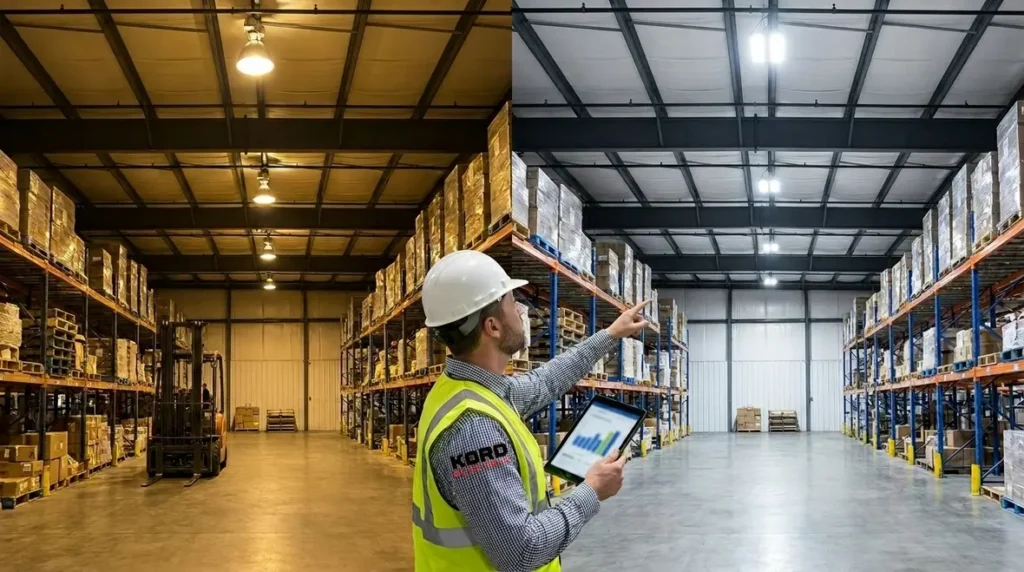
At Kord Electric, we automate commercial lighting with a calm, practical goal in mind: peak energy efficiency without making your building feel like a sci fi movie set. Through commercial lighting control automation, we help facilities dial in when lights turn on, how bright they stay, and how power gets used across day and night cycles. And yes, we also make sure it works for real people, not just spreadsheets.
We install systems that respond to occupancy, daylight, and schedules, so your lights stop acting like they are paid per hour. As our expert service staff explains the approach in plain terms, you can expect clear reasoning, clean commissioning, and steady performance from the first night shift to the last weekend hours. Now, let’s get into how automation pays off for commercial and industrial buildings, and why it is not just a “nice upgrade,” but a dependable strategy.
What peak energy efficiency really means for commercial buildings
In a perfect world, lighting would only use power when it provides value. In the real world, lights often run longer than needed, stay at full output even when daylight covers the work area, and ignore how spaces actually get used. That mismatch is where energy waste hides.
We focus on commercial and industrial facilities because those buildings carry steady loads and strict operating schedules. Therefore, small improvements compound quickly. When lighting systems automatically adjust output to real conditions, you reduce unnecessary energy while keeping the space comfortable for employees, safe for operations, and consistent for customers.
Also, peak energy efficiency is not only about total kilowatt hours. It is about timing. Utility rates and demand charges can hit hardest when loads rise. By controlling light levels based on occupancy and available daylight, commercial lighting control automation can lower peak demand and help stabilize monthly costs. In other words, we help your building avoid the “all lights, all the time” habit that burns money like a celebrity on a red carpet late to their own event.
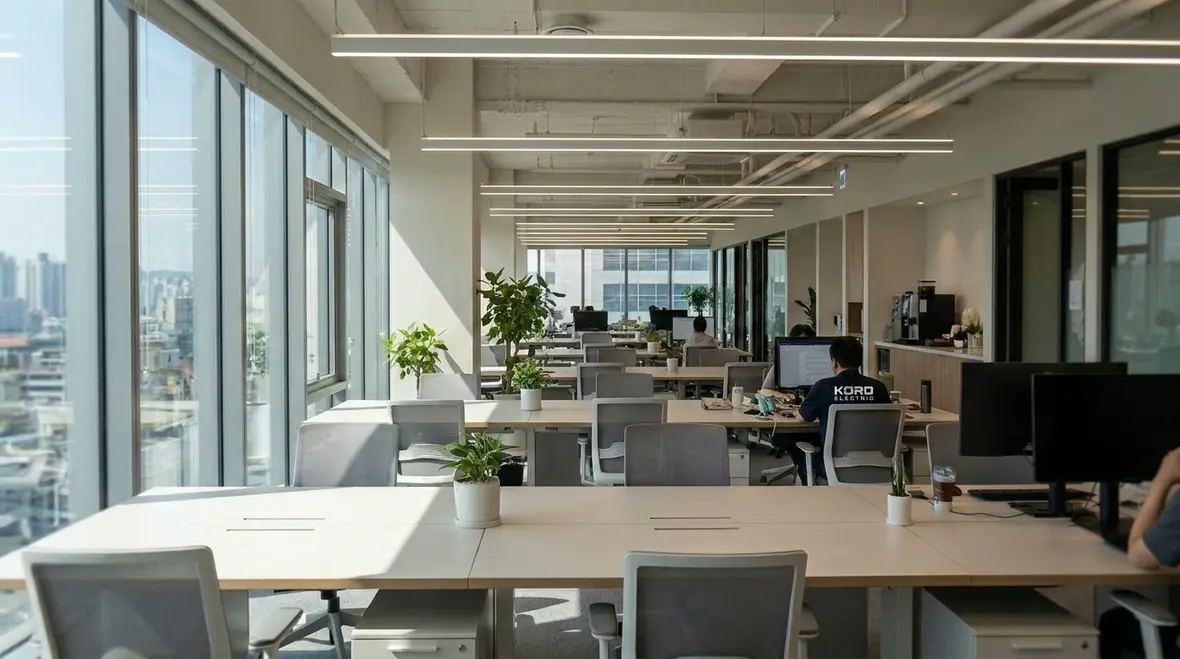
How automated controls cut waste without harming comfort
Our process starts with how the building behaves. Then we map that behavior to controls. That way, the lights do what people expect, not what a factory default setting assumes.
Typically, our expert service staff considers a mix of the following control methods:
- Scheduling for predictable spaces like offices, lobbies, corridors, and conference areas
- Occupancy sensing to keep lighting active when people are present and reduce output when they leave
- Daylight harvesting to dim or adjust output near windows when natural light is strong
- Zone-based control so one area’s schedule does not force another area to burn energy
- Layered lighting strategies such as task lighting and ambient lighting, so the system supports the work being done
As a result, the system can respond in minutes, not hours. Plus, it maintains consistent illumination so workers do not feel like they are stuck under a flickering mood swing. And because we work with commercial and industrial sites, we design for durability, stable performance, and clear operating rules for facility teams.
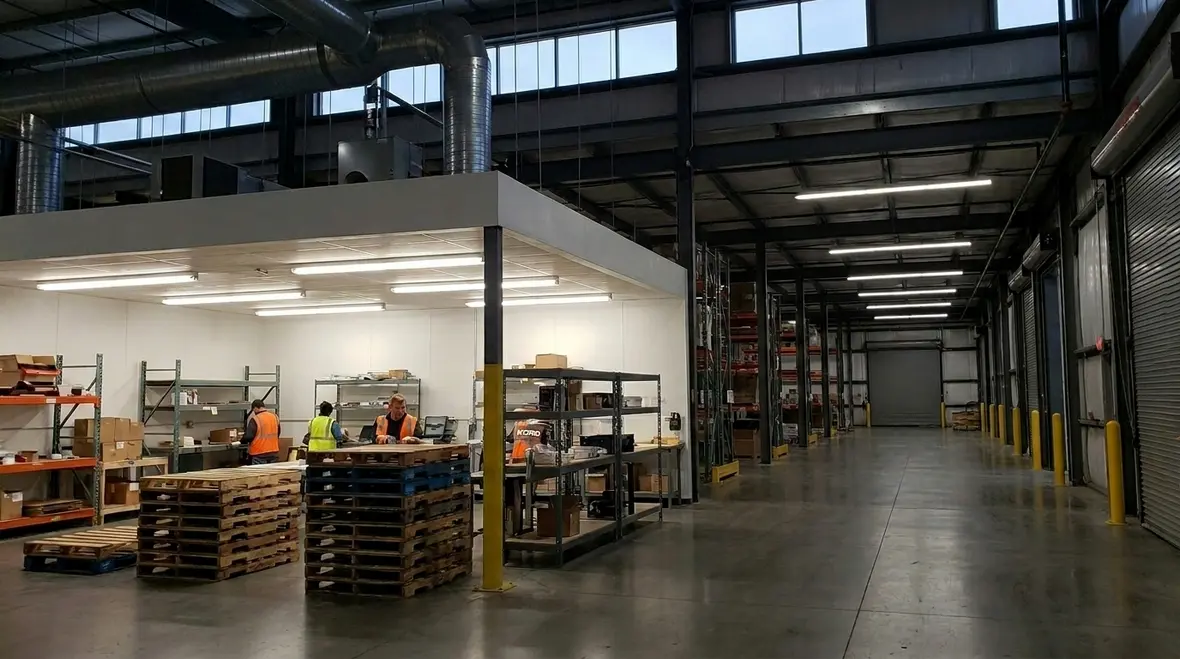
Why smart scheduling and zoning matter for industrial workflow
Industrial spaces rarely behave like a single uniform room. You might have different shifts, different occupancy patterns, and different daylight exposure across bays, corridors, and break areas. When lighting automation treats the building like one big blob, it wastes power where it should not.
That is why we build zoning logic around real workflows. For example, a plant floor may need consistent light levels during active work, but corridors can follow occupancy patterns tied to staff movement. Meanwhile, loading docks might require scheduling based on delivery windows. We make these decisions with your operations in mind.
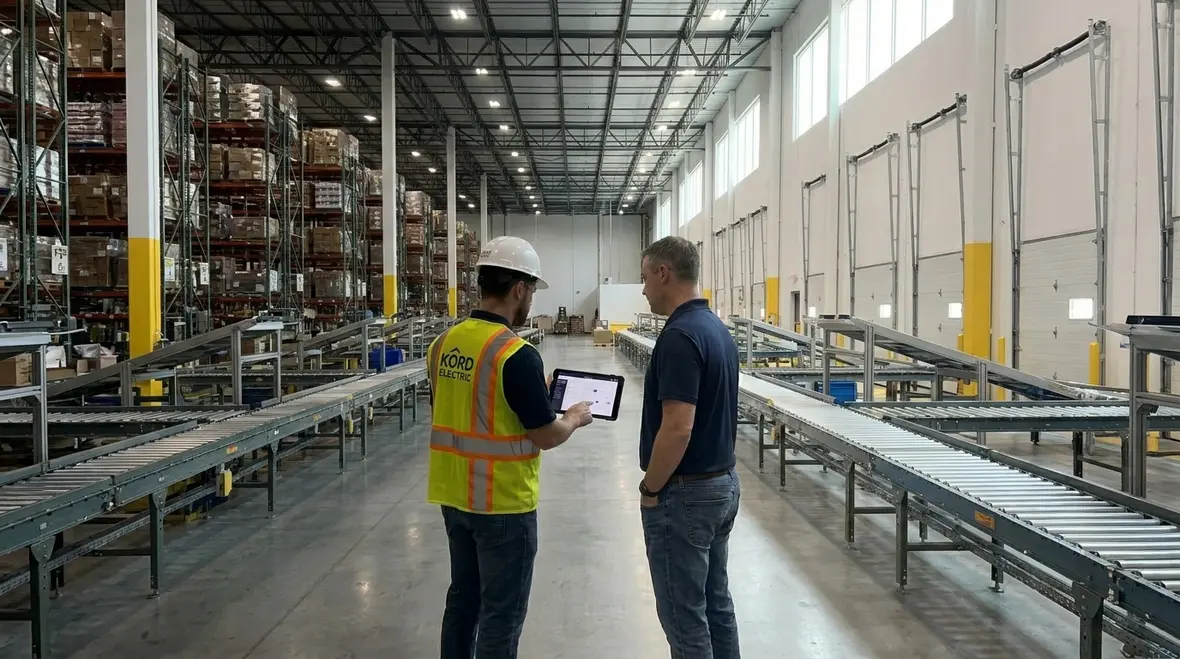
Additionally, we help you avoid the “set it and forget it” trap. Schedules often change when a building adds a new shift, changes production timing, or reconfigures workstations. Therefore, our approach includes review and fine tuning. Our technicians and service staff walk through the control plan and explain what happens when schedules shift, so your team knows what to expect. It is calming, in the way a good captain calmly says, “We will be fine,” while everybody else is quietly googling storms.
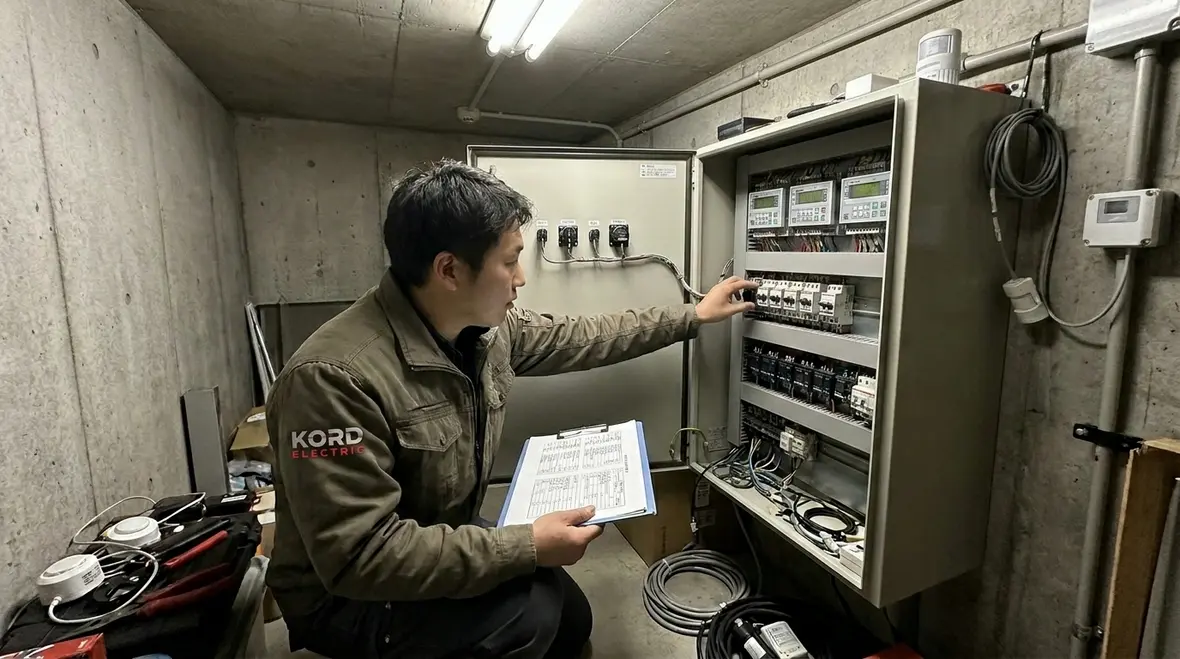
Reliable commissioning and tech support for long term performance
Many lighting projects stumble after installation. The equipment may be installed correctly, but it does not operate as intended once the system meets daily use. That is why we emphasize commissioning and documentation.
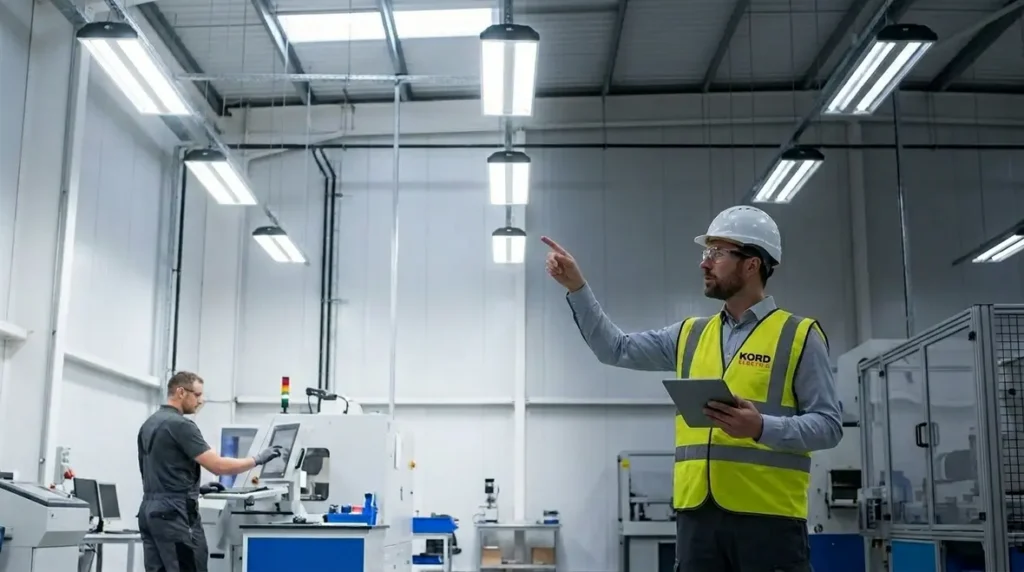
During commissioning, we verify that sensors trigger correctly, daylight settings respond to changing sun angles, and zones act in the right order. Then we test how the system behaves during typical scenarios like morning startup, shift change, after-hours operation, and weekend schedules. We also check for edge cases, such as low occupancy areas that still need safe illumination.
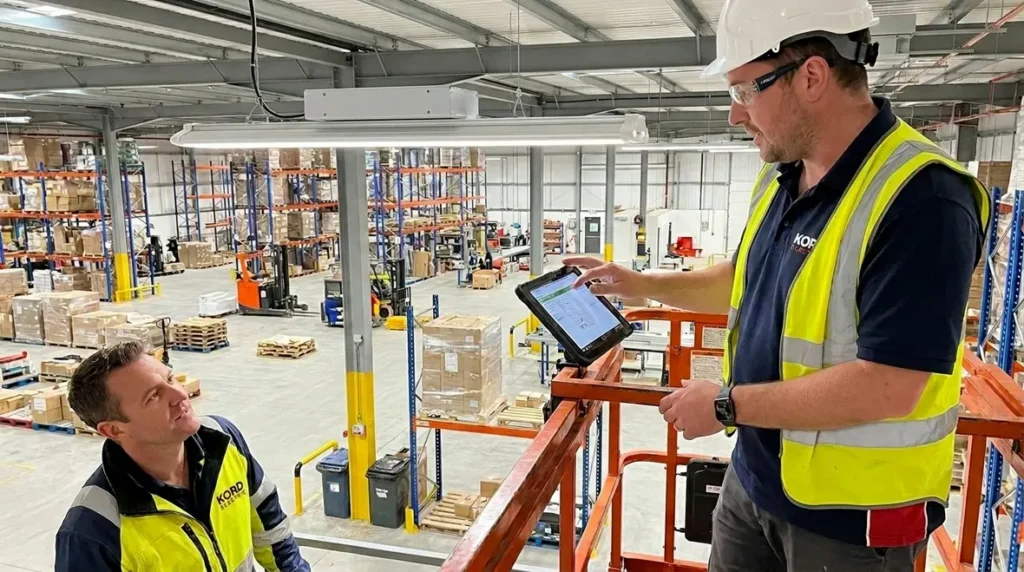
Furthermore, we keep communication simple. Our expert service staff explains the system in a way facility managers and operators can use. They do not need a degree in building automation to understand how to interpret status, adjust schedules, or report concerns. When something changes, we want your team to feel confident, not stuck waiting for the “mysterious people in the blueprints.”
Building upgrades that pair with electrical planning
Commercial lighting control automation works best when electrical planning matches the building’s broader goals. In many facilities, the lighting controls conversation overlaps with other upgrades, such as EV charging stations, electrical panel capacity planning, and load management.
For example, our approach to EV charger installation shows how we think about electrical capacity, site readiness, and long-term maintenance. If a site adds EV charging, the building’s electrical loads shift. Therefore, lighting strategies and overall electrical design should stay coordinated so the facility does not end up paying for upgrades twice.
We also support multi-stakeholder planning, because in real life, electrical work rarely lives alone. It shares space with access control, HVAC schedules, security systems, and tenant requirements. Our technicians align the electrical details and help keep the project moving with clear timelines and dependable craftsmanship.
To make this easy to visualize, here is how we structure upgrade planning across related electrical needs:
|
Lighting control automation focus
|
Electrical planning focus
|

Estimating ROI in the real world, not fantasy spreadsheets
Clients often ask about payback time, and we answer with honesty. Lighting ROI depends on operating hours, current fixture types, control coverage, utility rates, and how reliably the building uses schedules. However, the path to savings is usually clear: reduce unnecessary runtime, lower output when full brightness is not needed, and manage peak demand.
We also consider what the controls protect. Better controls reduce wear from excessive switching, improve consistency of illumination, and support productivity. Additionally, automation helps facility teams respond faster to changes because the system is configured for how the building truly runs.
Our expert service staff helps you define targets, then we design around them. Then we verify results after commissioning, so savings do not live only in someone’s optimism. It is not glamorous, but neither is turning off lights that nobody needs. And if you have ever tried to explain to a coworker that leaving lights on all night is “just how we do it,” you already know why automation matters.
FAQ about commercial lighting control automation
Ready to automate lighting for lower costs and steadier performance?
If you want a building that uses energy only when it matters, Kord Electric is ready to help. We design, install, and commission commercial lighting control automation for commercial and industrial facilities, with clear explanations from our expert service staff and dependable support from our technicians. Take the next step: contact us to review your lighting layout, operating patterns, and electrical planning needs. Then we will propose a control approach built for your workflow, your staff, and your bottom line.
For large facilities planning deeper upgrades, explore how our dedicated lighting installation services support commercial and industrial projects with code-compliant design, installation, and long-term efficiency.