Scaling Commercial EV Charging Installation
Kord Electric helps commercial properties scale EV charging without scrambling last minute. When a building needs more ports, better load management, or a smarter rollout plan, we guide the project from first site check to final commissioning. In fact, our approach to commercial EV charging installation is built for the real world: tenant turnover, peak-hour demand, utility constraints, and the kind of paperwork that can make even a seasoned operator sigh.
Because EV adoption keeps moving, owners need a plan that grows with demand, not one that gets “retired” after the first ribbon cutting. And yes, we have technicians who explain the details like calm professionals, not like a vending machine that only speaks in error codes.
Why commercial sites need a scaling plan, not a one time install
Third person owners often start with a simple goal: “Add chargers for our tenants and visitors.” However, scaling EV charging infrastructure for commercial properties changes the math fast. A retail center, a logistics facility, a hospital, or an office campus does not behave like a single home. Loads overlap. Schedules shift. Some months are quiet, and then, suddenly, the whole site acts like it discovered caffeine.
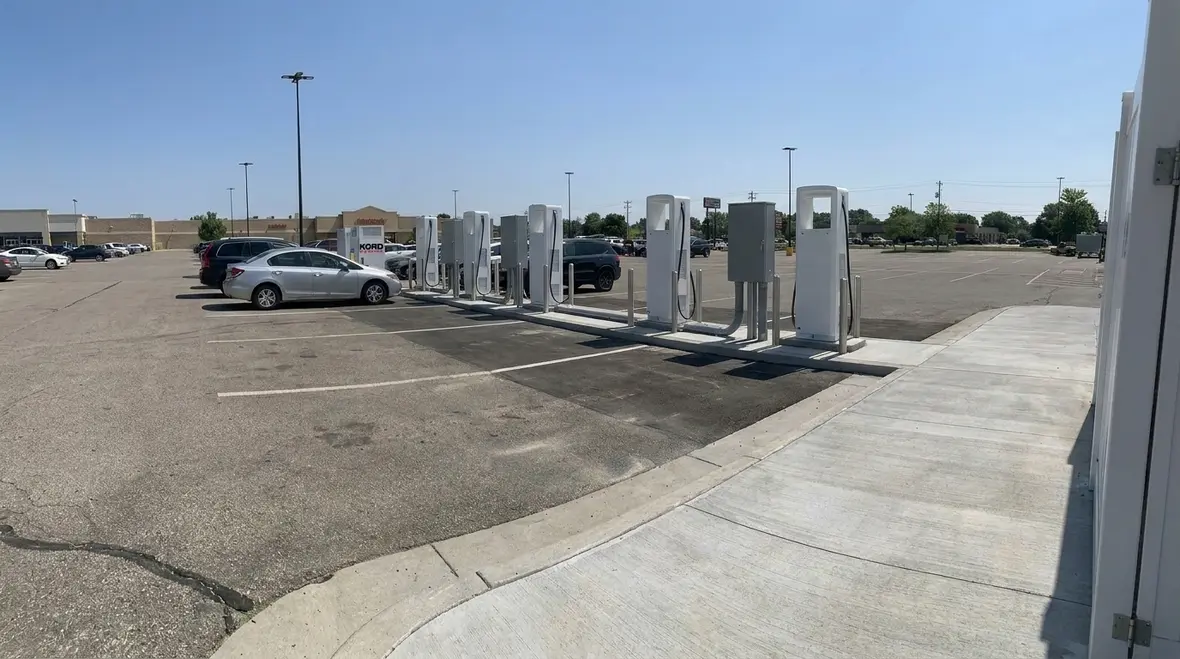
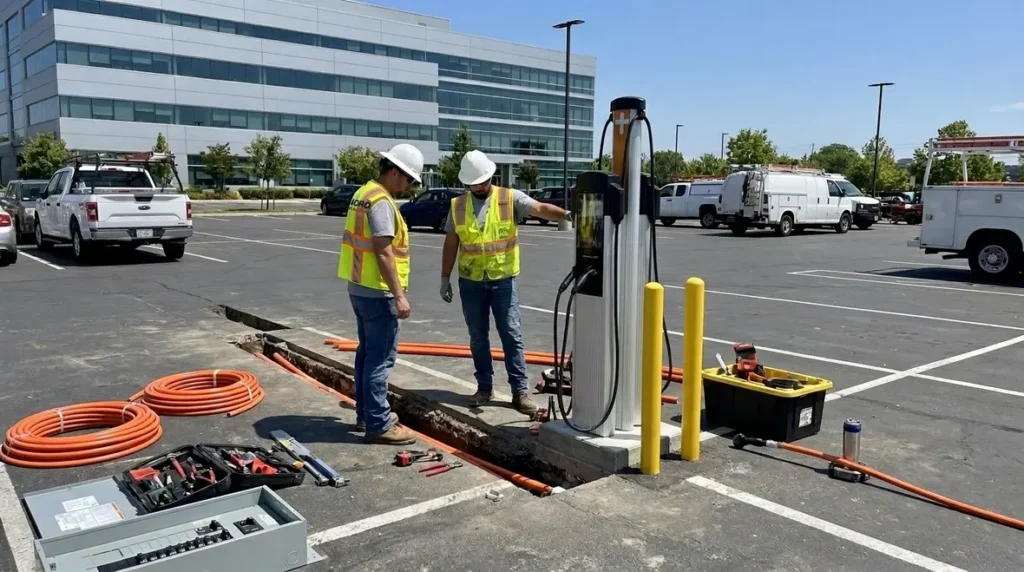
So, we plan for phased expansion. First, we design the electrical backbone with real capacity in mind, then we add charging points in stages. This helps prevent expensive rework such as panel upgrades, conduit replacements, or redoing cable runs. Our field technicians and expert service staff also explain tradeoffs clearly, so decision makers understand why a certain layout or load management setting fits their future growth.
In short, scaling is not only about buying more chargers. It is about building a system that can handle more vehicles, more dwell time, and more simultaneous charging sessions without causing nuisance trips or costly utility surprises.
How we size power for EV charging across multiple buildings
Power planning drives everything. When commercial and industrial facilities scale, they also scale demand. Therefore, sizing cannot be guesswork. We review utility service size, available capacity, existing panel loads, transformer limits, and the site’s real usage patterns. Next, we map likely charging behavior by vehicle type and duty cycle. For example, fleet charging often clusters differently than employee charging across an office campus.
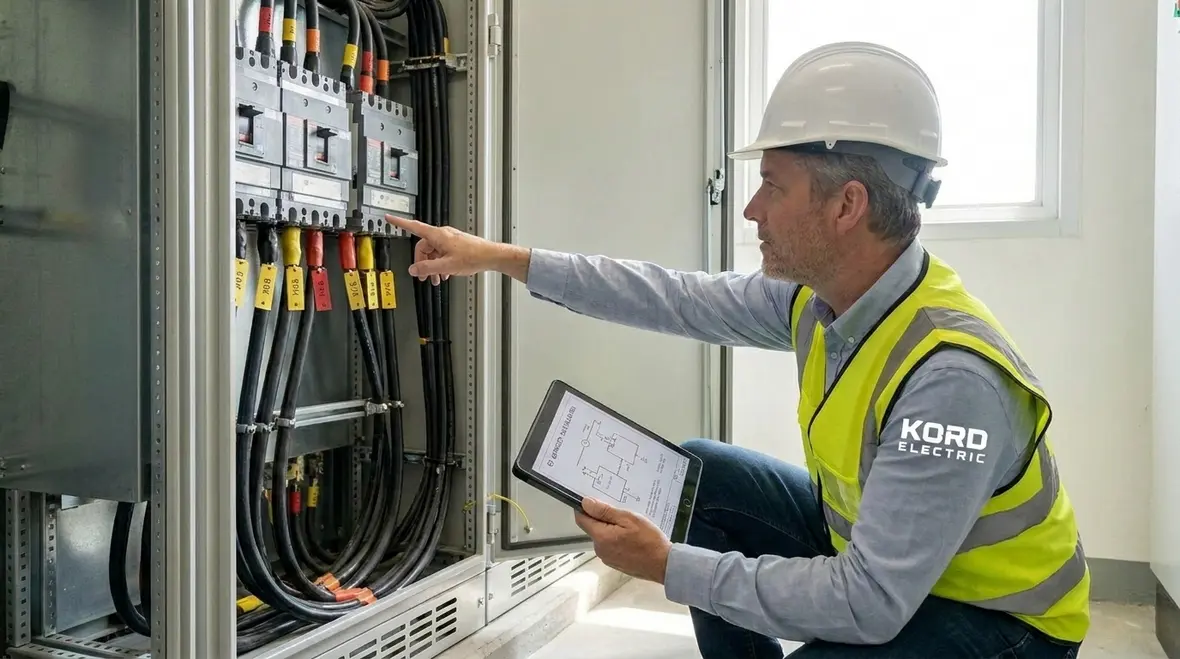
Then we use load management strategies so the facility can charge safely within its electrical limits. While one charger may draw more current at certain times, smart scheduling and dynamic control can reduce demand spikes. As a result, the site remains stable, and the owner avoids the common “we added chargers and now the building trips” scenario. Nobody wants that, not even in a sitcom where the hero says, “It will be fine,” and everyone instantly knows it will not be fine.
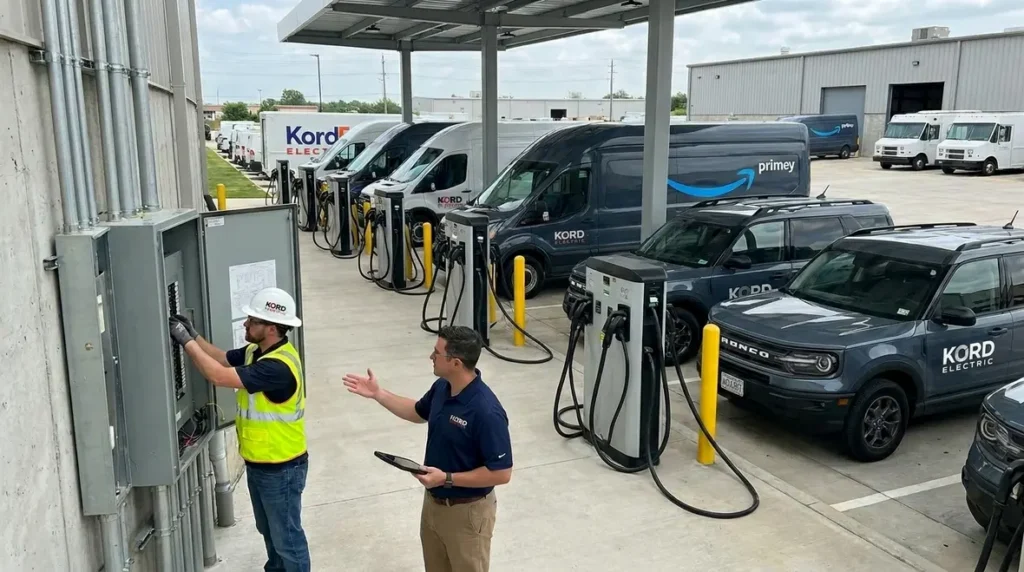
Our expert service staff supports this work with site based guidance. They explain the difference between peak demand, connected load, and how control settings impact actual energy delivered. This helps others align the charging plan with business needs and operational hours.
EV charging design choices that reduce rework during expansion
When a commercial property scales, the original installation details often decide whether later upgrades feel smooth or painful. To reduce rework, we focus on design choices that keep options open. That means planning conduit pathways early, leaving practical space for additional breakers, and selecting equipment with growth in mind.
We also consider physical placement for durability and accessibility. For example, chargers placed near future expansion zones may simplify conduit routing later. Likewise, appropriate cable management and weather protection reduce maintenance headaches. Because commercial sites run on timelines, we aim for clean installs that support fast commissioning and predictable service intervals.
Our technicians then document the system so future additions match the original intent. Instead of a mysterious configuration that only one person can explain, the next phase becomes easier to deploy. In other words, we help the site stay “scalable,” not “mystically optimized by accident.”
Best practices for commercial EV charging installation and load management
Reliable charging depends on control, not just hardware. With commercial EV charging installation, we implement load management so the site can distribute power across multiple chargers while staying within limits. This reduces the chance of tripping breakers and keeps performance consistent during busy periods.
To accomplish this, we consider charger grouping, priority rules, and charge rate behavior. For example, a site may allow higher rates overnight when demand falls, while limiting simultaneous output during the busiest daytime window. In addition, fleet operations often require predictable energy delivery, so control settings must match the site’s operational reality.
Meanwhile, good practices also include network planning and monitoring. Some commercial programs want visibility into usage and billing. Others need operational dashboards and alerts. Therefore, we configure systems to meet the facility’s needs, and our technicians explain how the setup impacts day to day decisions.
And yes, sometimes the simplest way to keep things calm is to plan ahead. If the system is designed to handle expansion, everyone spends less time playing electrical whack a mole. That is the kind of drama a business can skip.
Step by step: how Kord Electric rolls out chargers at major properties
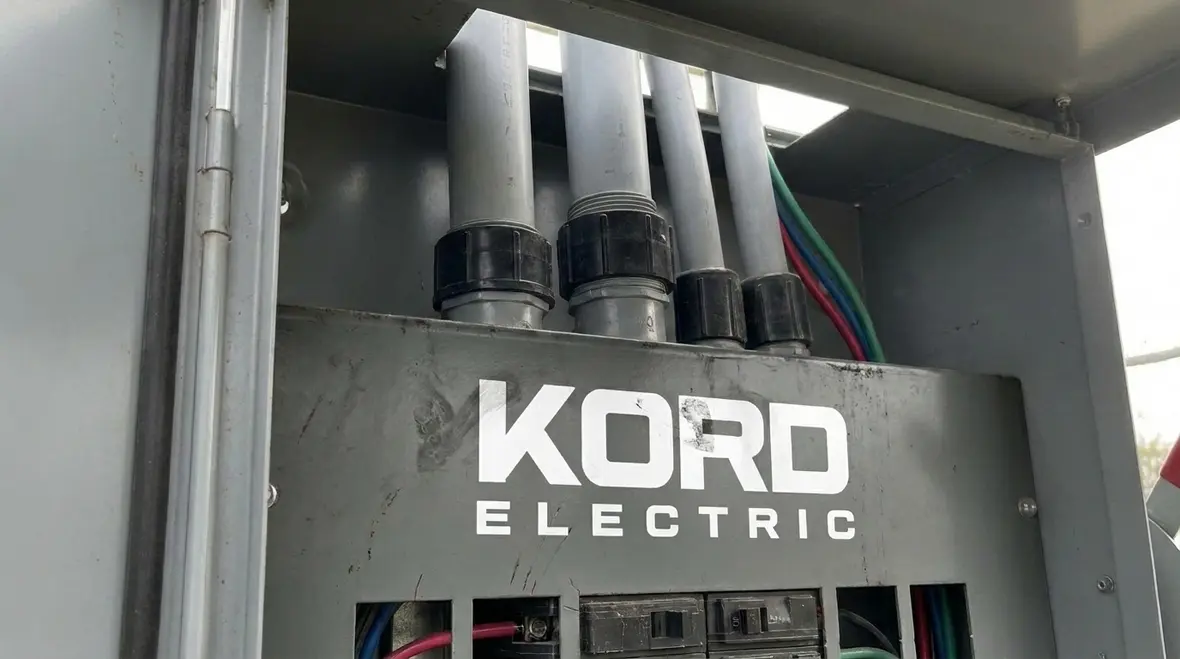
Scaling works best when the rollout runs like a project, not like a last minute fire drill. Our process starts with a site evaluation. We examine electrical capacity, charger placement, vehicle access, and existing infrastructure conditions. Then we build a phased plan aligned to the property’s growth schedule.
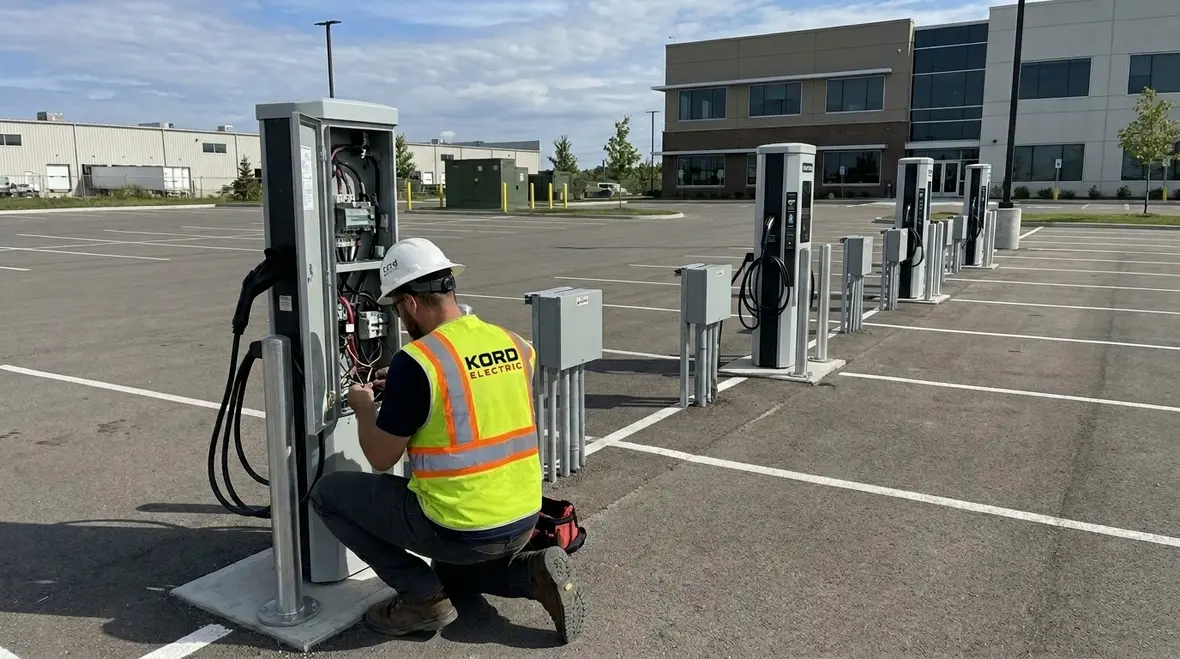
After planning, we prepare the electrical scope. This includes breaker and panel coordination, conduit routing, grounding and surge protection checks, and integration steps required for safe operation. Next, our technicians install the equipment and complete commissioning. We verify power delivery, correct communication settings, and safe operation under load.
Finally, we support the facility with documentation and service guidance. Even if the owner does not want to become an electrical engineer by Friday, they still need the basics. Our expert service staff walks through what was installed, how the system manages demand, and how future expansions can be added with minimal disruption.
Because our focus stays on commercial, industrial, and major property buildings, we keep the process aligned to how these sites actually operate. There is structure, coordination, and accountability throughout.
How to choose locations and phases across an office, warehouse, or campus
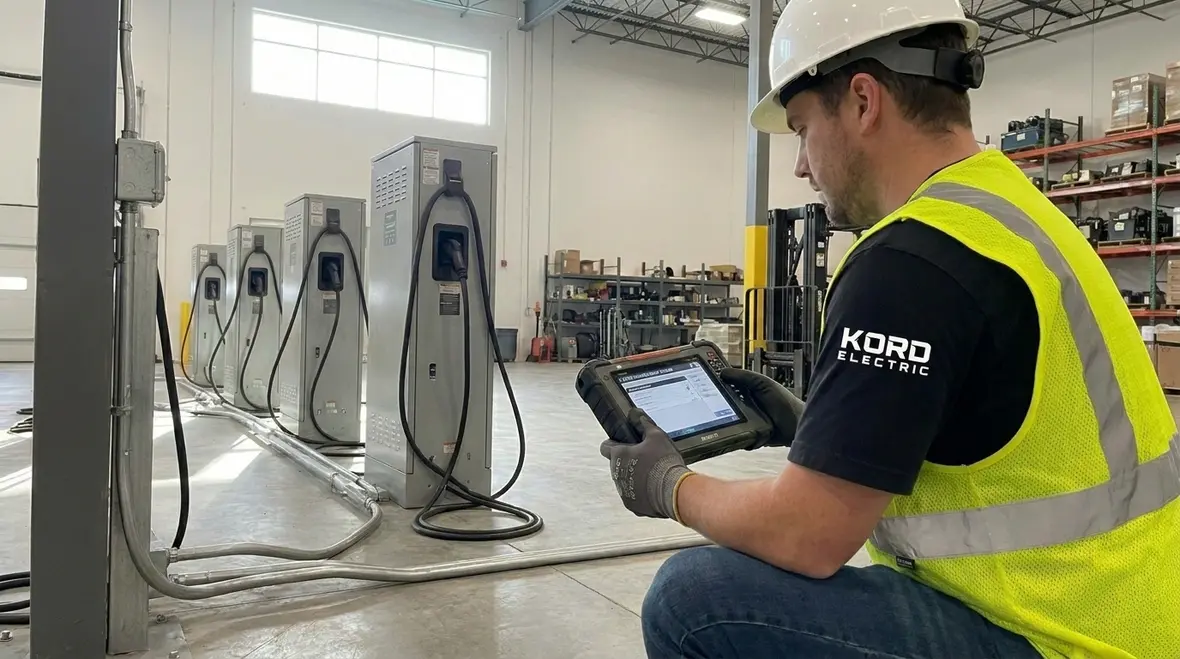
Location strategy affects both usability and system growth. For office buildings, employee charging may cluster around specific hours. For warehouses and industrial facilities, charging often ties to shifts and fleet schedules. For mixed use campuses, multiple user groups may overlap, which means the electrical plan should account for different rhythms.
Therefore, we recommend a phased approach based on vehicle behavior and operational priorities. We may start with high demand areas where chargers deliver immediate value. Then, once usage data confirms patterns, we expand to secondary parking zones or additional drive lanes.
We also consider future construction or parking lot changes. If a property plans renovations, we coordinate with the project timeline so the chargers do not get trapped behind later work. This kind of coordination prevents delays and keeps the charging system aligned with building operations.
Our technicians frequently share real examples from similar facility types. They point out what to avoid, such as placing chargers where snow removal, landscaping, or rerouting traffic will create long term issues. The result is a rollout that supports day to day operations and scales without turning the site into a construction zone.
Frequently asked questions about scaling EV charging for commercial properties
How future ready infrastructure supports growth and better tenant experiences
When charging scales smoothly, the property experience improves. Tenants notice when chargers work reliably during peak hours. Fleet managers care about predictable uptime. Facility teams appreciate systems that do not create recurring electrical issues.
Because of that, we focus on building infrastructure that can evolve. We design for expansion, we implement controls that manage demand, and we keep documentation clear so later phases remain straightforward. Our expert service staff also helps explain maintenance rhythms and system behavior, so the facility stays informed rather than surprised.
And if someone jokes that EV charging is “just another parking spot,” we smile. Then we do the engineering, the installation, and the load management that proves it is not. In commercial and industrial environments, the difference shows up in uptime, safety, and long term cost control.
Kord Electric serves commercial and industrial facilities and major property buildings with a scaling plan designed to grow with EV demand. If others are considering expansion or upgrading an existing setup, our technicians and expert service staff can evaluate capacity, propose phased installation, and build a load managed system that stays stable as usage increases. To learn more about how we handle EV charger installation for large properties, explore our dedicated service page. Let us handle the power details, while your team stays focused on the business.
If your facility is also working through broader electrical upgrades—like lighting, power quality, or preventive maintenance—our team can integrate commercial EV charging installation into a larger reliability plan. For example, many properties pair charging deployments with structured maintenance programs or targeted power quality fixes so the entire electrical backbone is ready for new loads. You can see how this strategy comes together in our overview of commercial and industrial electrical maintenance plans, which connects EV infrastructure, lighting upgrades, and preventive service into one long term approach.
For properties planning major renovations, campus expansions, or new facility builds, EV charging works best when it is treated as core infrastructure—not an add on. Coordinating charger placement with projects like lighting installation services or panel upgrades keeps trenching, conduit work, and scheduling aligned so you are not opening the same parking lot three times for three different projects.
Next steps for scaling commercial EV charging installation
If your organization is mapping out the next phase of EV infrastructure, start with three questions: how fast charging demand is growing, where different user groups actually park, and how much electrical capacity is realistically available once other building loads are accounted for. From there, a phased plan, clear documentation, and the right load management strategy turn “we should add chargers” into a structured, low drama project.
Kord Electric specializes in commercial EV charging installation that fits into real facilities: offices, warehouses, campuses, government sites, and logistics hubs that run on tight schedules and expect systems to work the first time. Whether you are adding your first bank of chargers or expanding across multiple buildings, our team can help you design, install, and maintain infrastructure that grows with demand instead of fighting against it.
To see how our commercial and industrial EV solutions come together—from initial concept through commissioning and testing—visit our dedicated EV charger installation service page, or connect with our team for a site assessment and tailored rollout plan.